
Study of a Rock — History & Facts
In the stillness of a moment captured in time, nature’s raw essence emerges, inviting contemplation of loss and resilience. Look to the left at the jagged edges of the rock; notice how Durand’s meticulous brushwork creates a textured surface that feels almost tangible. The interplay of light and shadow reveals nuances, as golden hues dance across the stone, contrasting against the cooler, muted tones that envelop it. This dichotomy of color evokes a sense of nostalgia, drawing the eye to appreciate the inherent beauty in what is often overlooked. The composition speaks volumes about the connection between nature and human emotion.
The weight of the rock suggests an enduring presence, perhaps symbolizing the burdens we carry. There’s a palpable tension between its grandeur and the solitude it conveys, hinting at the transient nature of life itself. Every facet of the stone reflects the struggles we face, intertwining beauty with an undercurrent of grief. Durand created this work in the midst of the Hudson River School movement during the mid-19th century, a time when American artists began to embrace the natural landscape as a subject worthy of exploration.
His life was shaped by a deep reverence for nature, a response to the changing times and the encroachment of industrialization. This period marked a pivotal moment in art, where the sublime beauty of the American wilderness was celebrated, even as the world around it began to transform irrevocably.
More Artworks by Asher Brown Durand
Browse all →
A Sycamore Tree, Plaaterkill Clove (The Sycamore, Kaaterskill Clove)
Asher Brown Durand

Forest Scene in the Catskills
Asher Brown Durand
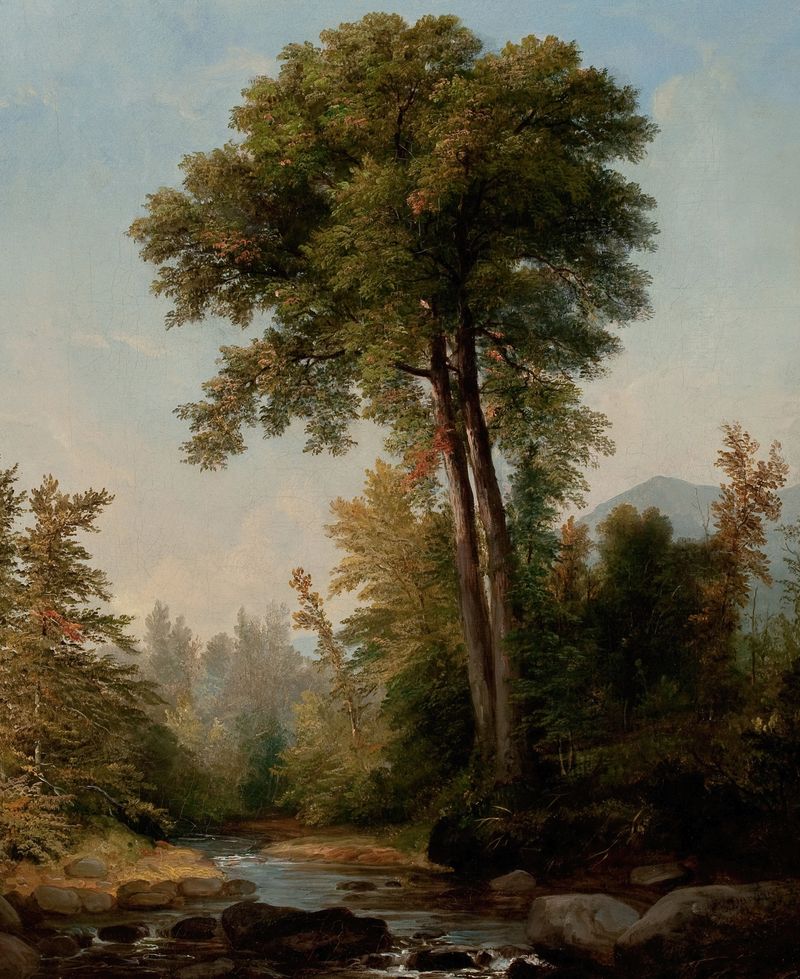
A Natural Monarch
Asher Brown Durand
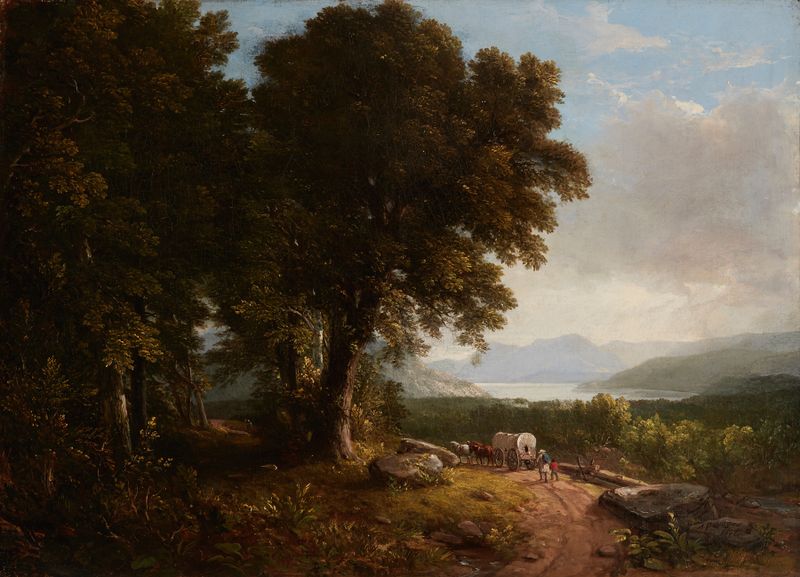
Landscape with Covered Wagon
Asher Brown Durand

Landscape Study, Dover Plains, New York
Asher Brown Durand
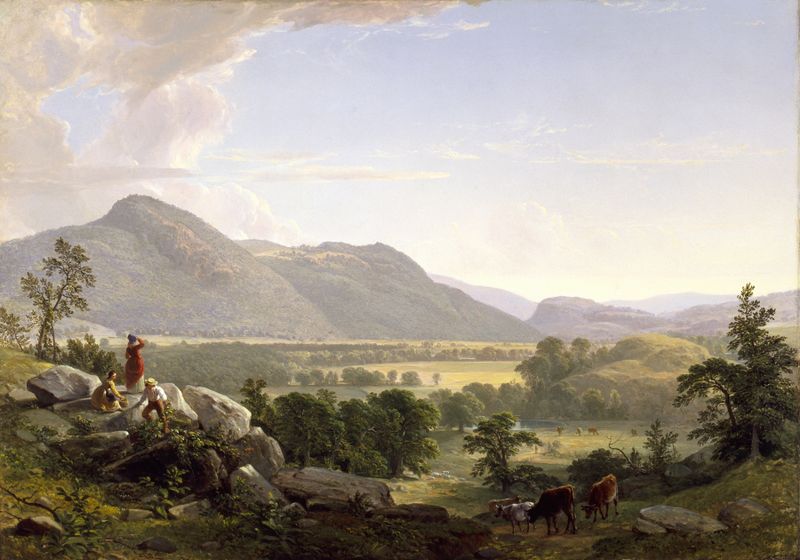
Dover Plains, Dutchess County, New York
Asher Brown Durand
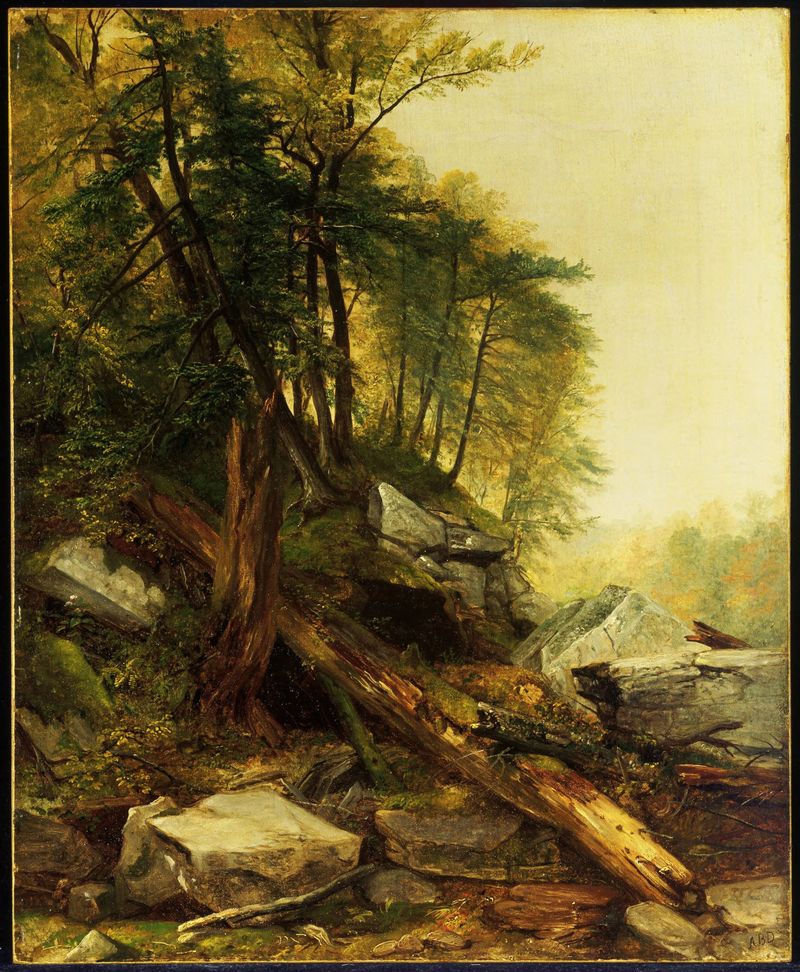
Kaaterskill Landscape
Asher Brown Durand

Landscape—Scene from ‘Thanatopsis’
Asher Brown Durand

The Beeches
Asher Brown Durand

The Narrows, Lake George
Asher Brown Durand





