
Study of Cut Down Trees — History & Facts
The juxtaposition of nature's fragility against the relentless march of human progress invites us to reflect on the transient moments of hope woven into our existence. Focus on the center of the canvas, where the stark silhouettes of cut-down trees lie against a muted background. Notice how the artist employs deep browns and dark greens, capturing the desolation of a once-thriving forest. The play of light dances softly across the freshly severed tree stumps, revealing hints of gold that beckon the eye—an invitation to discover beauty amid destruction.
Each brushstroke conveys a sense of loss, yet the glimmering hues suggest an undercurrent of resilience. Examining the details, consider how the fallen branches intertwine, creating a visual tapestry of chaos and beauty. The contrast between the harshness of the cut trunks and the tender whispers of new growth peeking through hints at the cycle of life—an echo of hope amid despair. This tension encapsulates the struggle between nature's endurance and humanity's impact, compelling the viewer to confront the fragility of both. Friedrich Carl von Scheidlin painted this work during a period of profound change in the mid-19th century, as industrialization began to reshape the landscape.
Living in Germany, he was surrounded by a world grappling with the effects of modernization and environmental degradation. The echoes of Romanticism influenced his vision, as artists sought to reconcile the beauty of nature with the stark realities of human intervention, making this piece a poignant reflection of its time.
More Artworks by Friedrich Carl von Scheidlin
Browse all →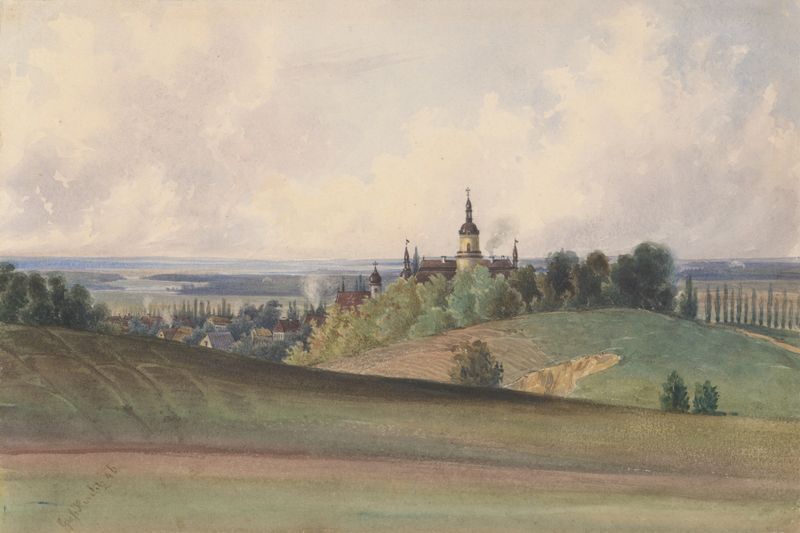
View of Gross Herrlitz
Friedrich Carl von Scheidlin
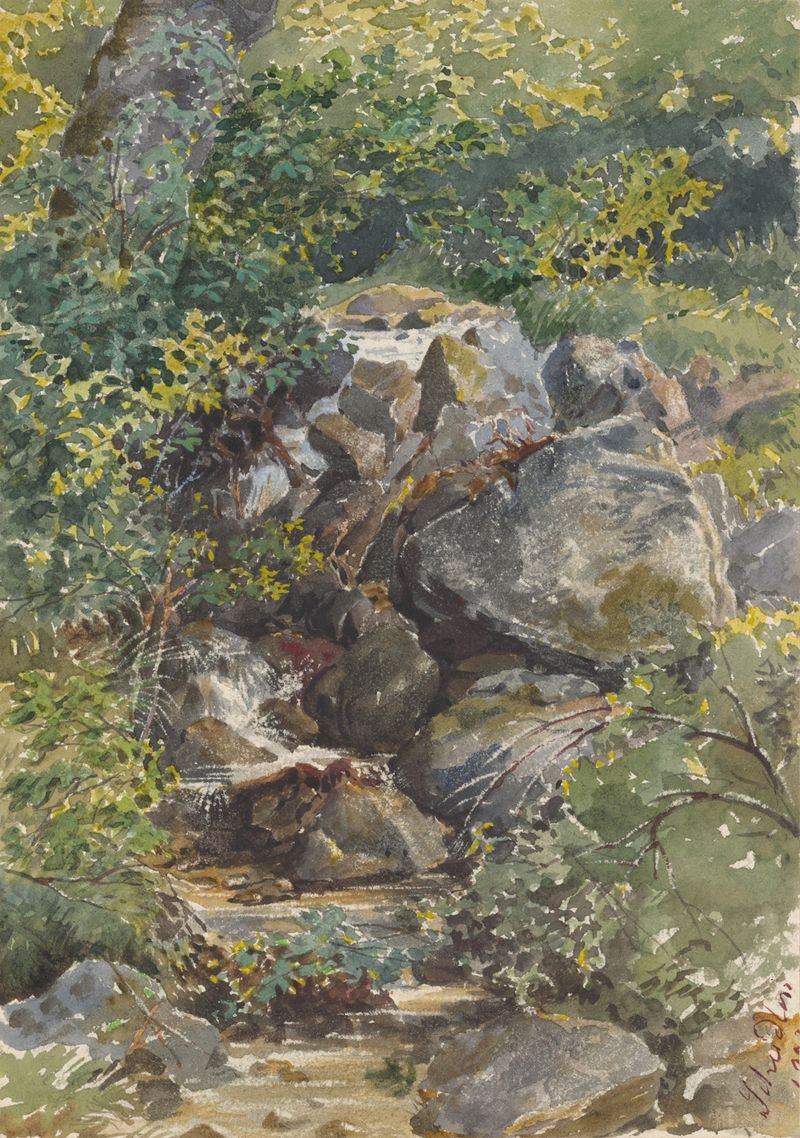
Forest Brook
Friedrich Carl von Scheidlin
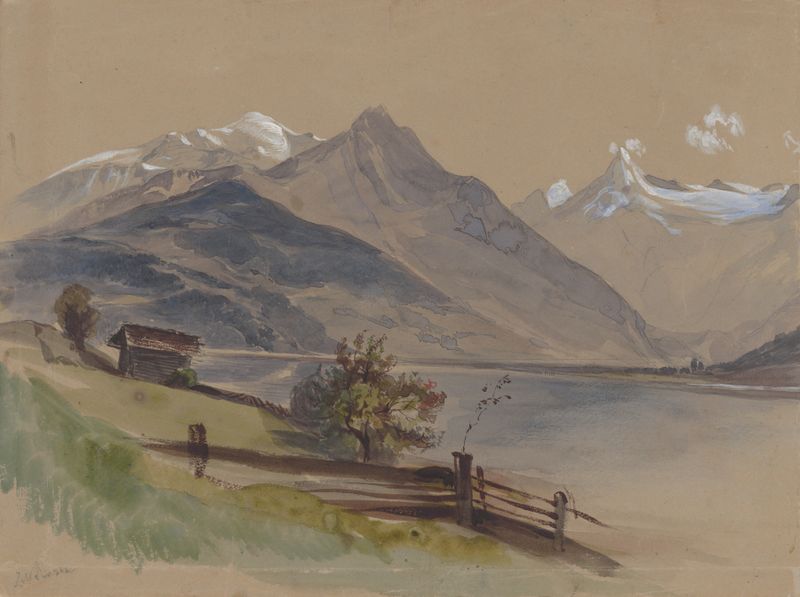
Alpine Landscape with a Lake
Friedrich Carl von Scheidlin
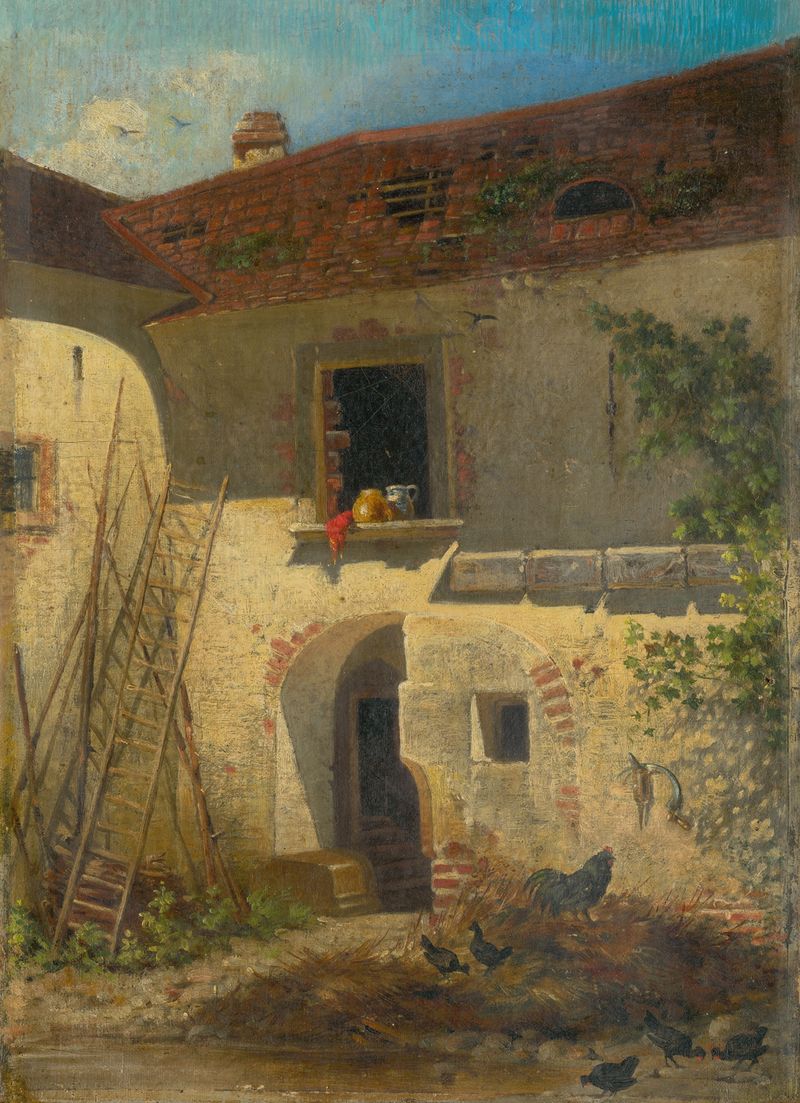
Old Farm Yard in Jur
Friedrich Carl von Scheidlin
Mountain Landscape
Friedrich Carl von Scheidlin
View of St. Johann
Friedrich Carl von Scheidlin
Rock above a Lake
Friedrich Carl von Scheidlin
Mountain Vegetation
Friedrich Carl von Scheidlin
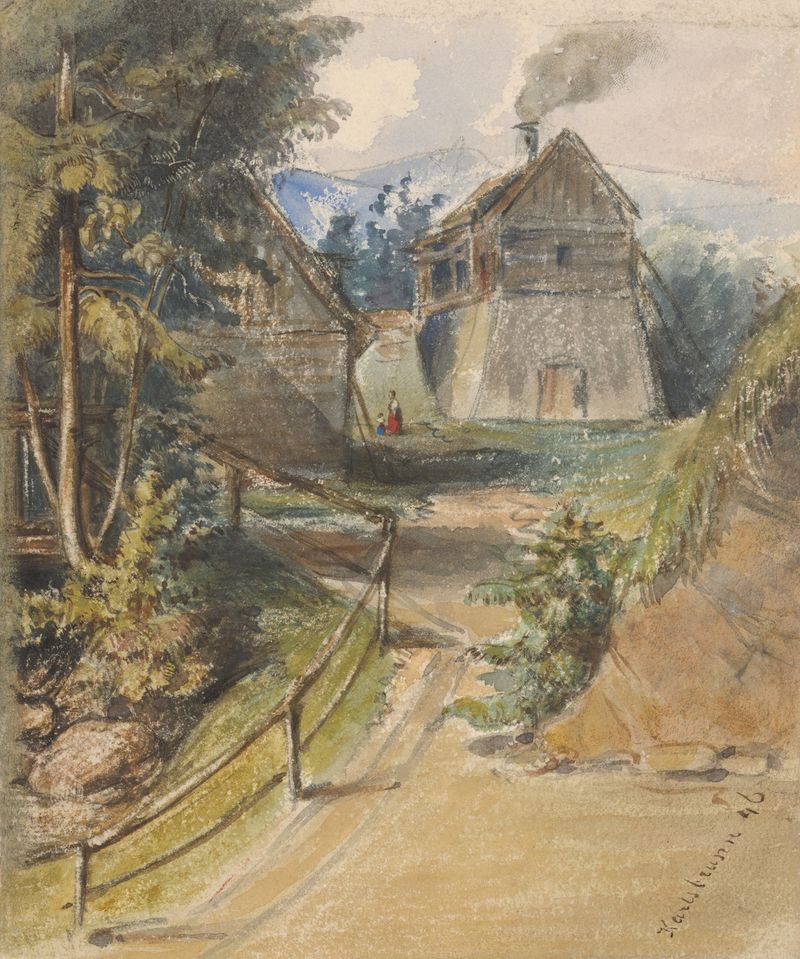
Motif from Karlsbrunn
Friedrich Carl von Scheidlin
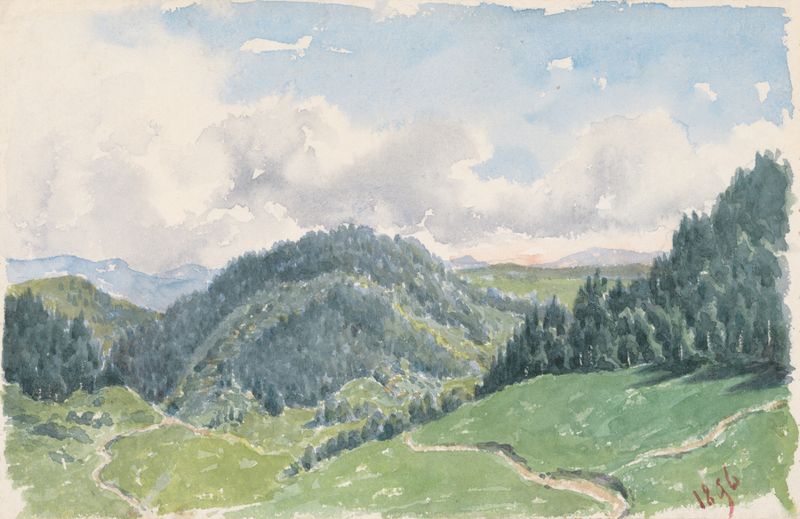
Mountain Landscape
Friedrich Carl von Scheidlin





