Study of Terrain — History & Facts
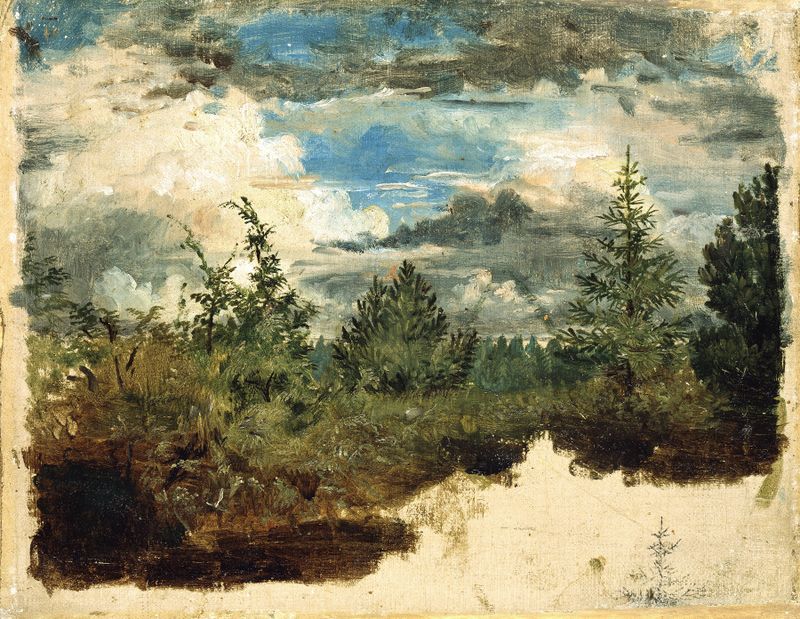
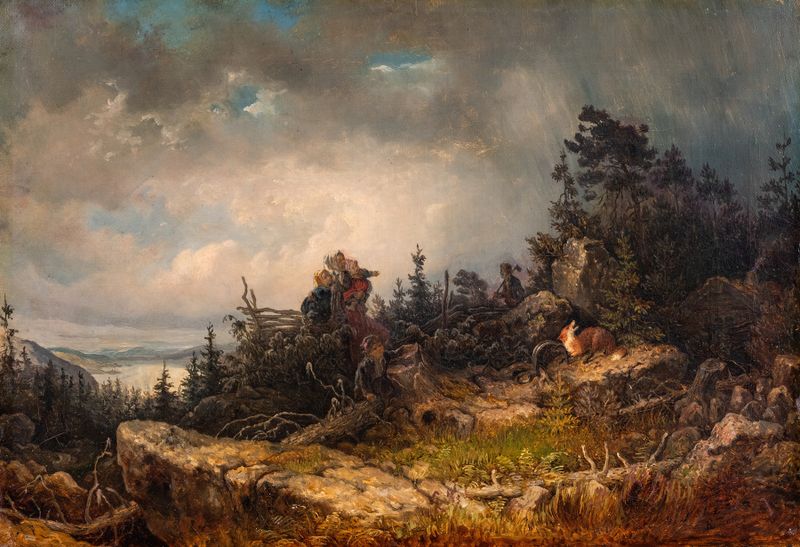
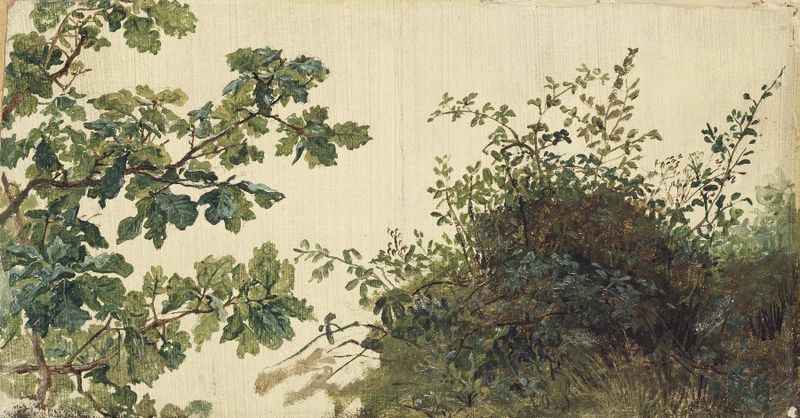
Within the depths of this artwork lies a transformative beauty, challenging our perception of the natural world and its untamed landscapes. It evokes the paradox of chaos and harmony, inviting viewers to explore the intricate dance between disorder and aesthetic allure. Look to the center of the canvas, where a cacophony of colors converges—a vibrant explosion of greens, browns, and soft blues. The brushwork is both frenetic and deliberate, suggesting the raw energy of a dynamic terrain before us.
Notice how the layers of paint create a topography of texture that begs to be touched, while the lighter hues in the foreground pulse with illumination, guiding the eye deeper into the landscape’s layered secrets. The careful interplay of light and shadow reveals a sense of movement, as if the very earth breathes beneath the artist’s hand. As you examine the piece closely, consider how the sweeping strokes echo the ebb and flow of nature itself. The juxtaposition of sharp lines against soft curves creates tension, symbolizing the dichotomy between man’s intrusion and the wild's resilience.
Each brushstroke reveals an emotional undercurrent, reflecting a connection to the land that is at once reverent and rebellious—embracing both beauty and brutality. Kilian Zoll painted this piece during a time when modern art was diverging from traditional forms, exploring abstract expressionism and the relationship between humanity and the environment. The exact date remains unknown, but it aligns with a period of personal discovery for the artist, where he sought to communicate profound truths through the lens of natural beauty. This artwork stands as a testament to his exploration of the chaotic yet graceful essence of the terrain that surrounds us.