A Wooded Hillside. Study — History & Facts
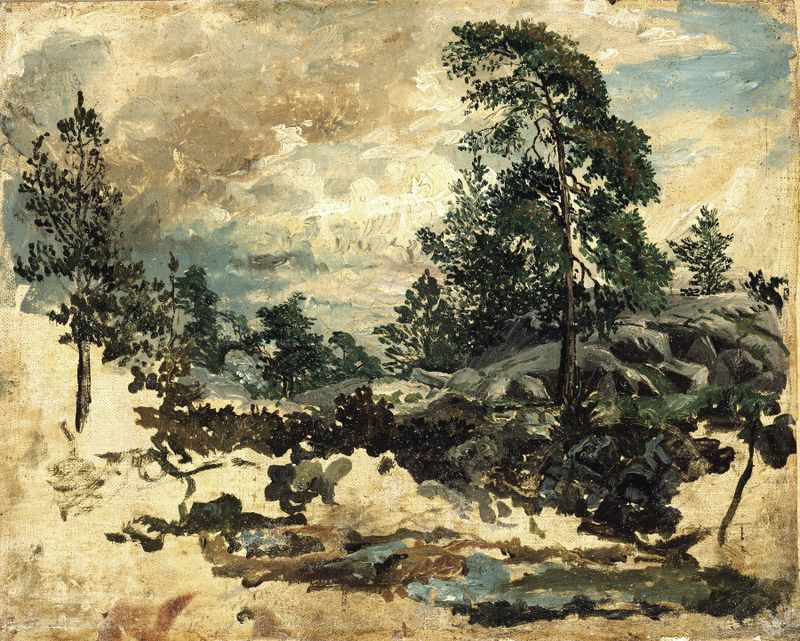
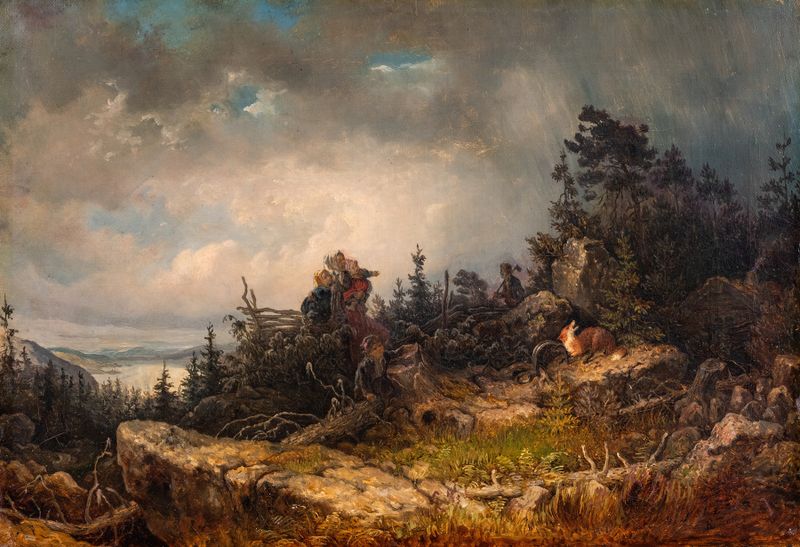
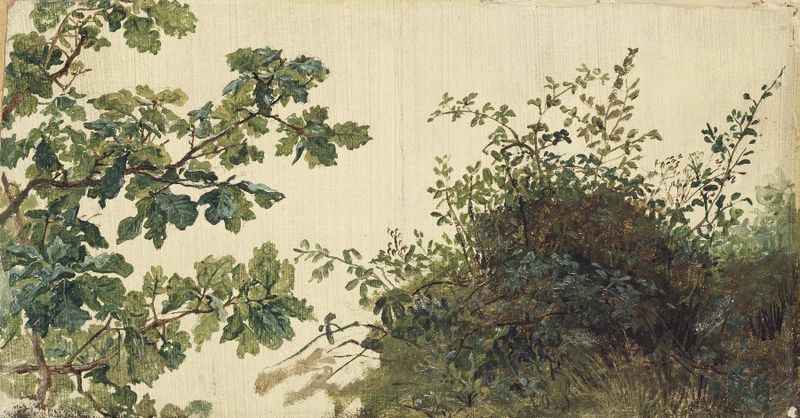
In the heart of nature, the interplay of hues and shadows reveals a deeper narrative, an unspoken connection to the landscape. Focus your gaze on the gentle undulations of the hillside, where soft greens blend seamlessly with earthy browns. The brushwork is deliberate, each stroke suggesting movement and life, drawing you into the serene atmosphere. Notice how the dappled light filters through the canopy, creating a play of highlights and shadows that invites contemplation.
This technique not only captures the beauty of the scene but also elicits an emotional response, as if the moment is suspended in time. Hidden beneath the surface, the artwork breaths tension; the delicate balance between light and dark symbolizes the ongoing dialogue between nature and humanity. The varied greens hint at growth and vitality, while the muted browns whisper of decay and loss. Together, they create a poignant reminder of life’s cyclical nature.
Each careful detail serves to elevate the emotional weight of the composition, suggesting that within the tranquil beauty lies an echo of complexity and a search for harmony. Kilian Zoll painted this piece during an era marked by a budding interest in natural landscapes and the exploration of color theory. Working in the late 19th century, he was influenced by the shifting art movements of his time, which sought to capture the essence of nature through increasingly subjective lenses. Though the exact date of this study remains unknown, it reflects both his personal journey as an artist and the wider transition towards modernism in art.