Summer Afternoon — History & Facts
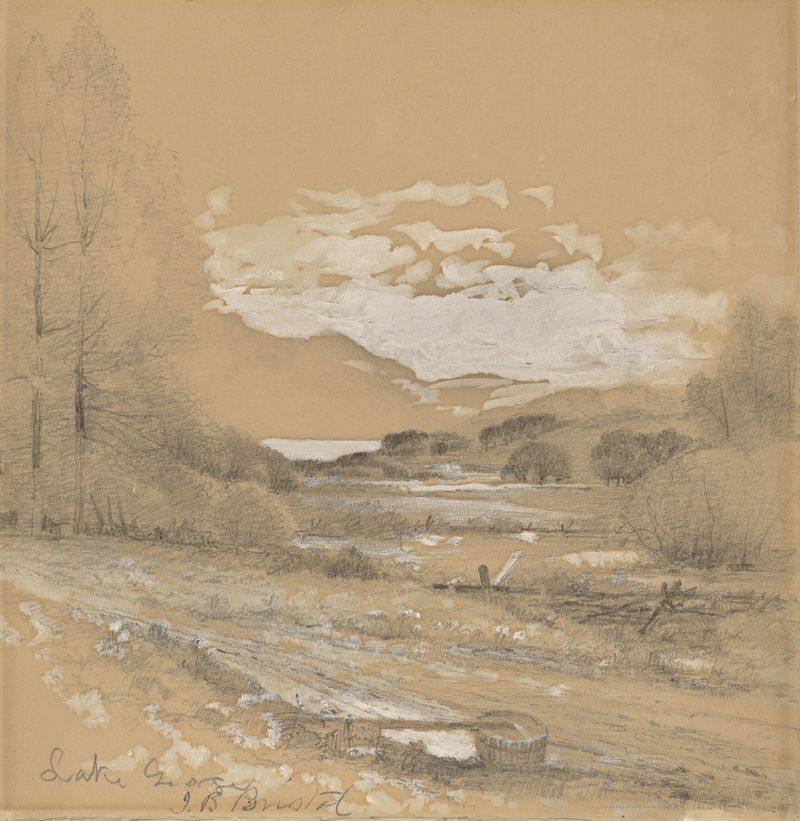
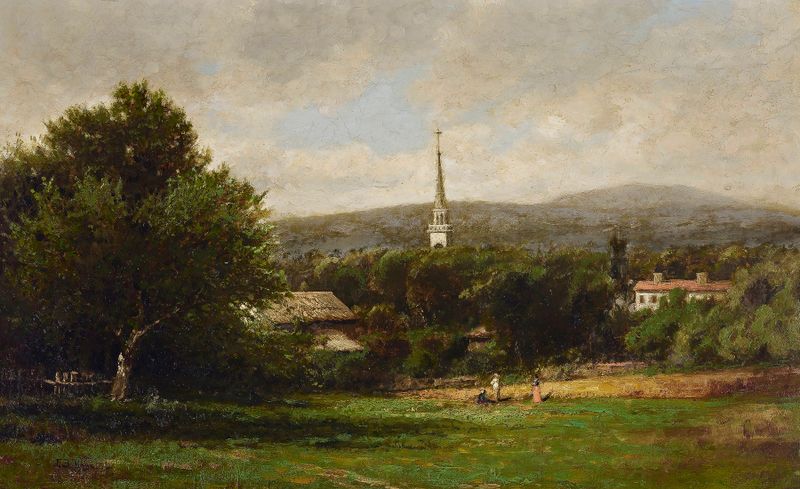
What if beauty was never meant to be finished? In those moments of quiet longing, we desire not only what we see but also what remains unspoken. Focus on the delicate strokes that form the gentle curves of the landscape, inviting the eye to wander through lush greens and soft golds. The warm light of the afternoon casts a golden hue, illuminating each blade of grass and flickering leaf. Notice how the interplay of light and shadow creates a rhythmic dance, guiding you from the foreground's vibrant flora to the distant horizon, where bold colors meld seamlessly into soft pastels. Beneath the serene beauty lies a subtle tension—perhaps a yearning for a fleeting moment, captured yet ephemeral.
The juxtaposition between the vibrancy of nature and the underlying stillness evokes a longing for connection, for a fleeting moment to stretch into eternity. Each detail, from the gentle undulations of the hills to the distant silhouettes of trees, speaks of the artist's desire to encapsulate not just a scene but an emotional landscape. Created in an unspecified period of his life, the artist was likely navigating the intricate networks of art and society, a time when impressionism was beginning to influence the world around him. The scene reflects an intimate connection with the natural world, perhaps a response to personal experiences or broader artistic movements that shaped his vision.
In the quiet of this captured moment, Summer Afternoon embraces the beauty of life, both outright and hidden.