Pastoral Landscape — History & Facts
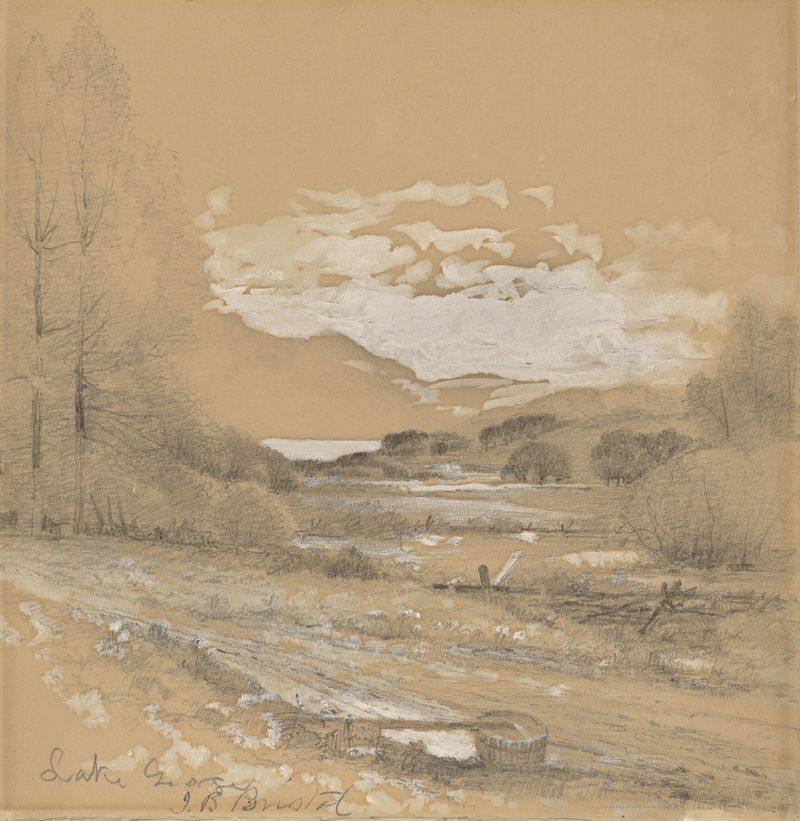
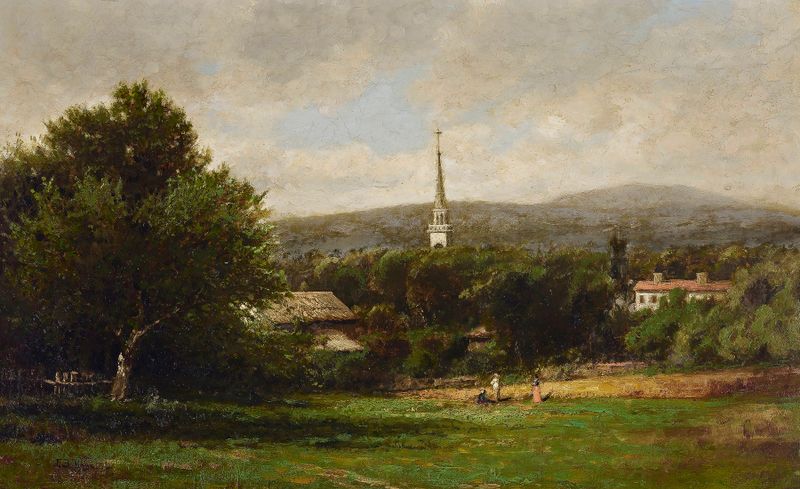
Did the painter know this moment would outlive them? Within the canvas, a serene landscape unfolds, a timeless testament to nature’s enduring allure against the backdrop of a world in flux. Focus on the lush greenery that spills across the foreground, where tufts of grass and wildflowers dance gently in the wind. Notice how the light falls upon the undulating hills, casting soft shadows that create depth and dimension. The sky, a brilliant palette of blues and whites, invites the viewer’s gaze upward, suggesting both tranquility and the vastness of possibility.
The composition balances realism with a hint of idealism, each brushstroke reflecting the artist's reverence for the natural world. Hidden within the idyllic scene lies a subtle commentary on the tensions of revolution and change. The juxtaposition of the serene landscape against the historical turmoil of Bunyan's time hints at an unshakeable hope amidst uncertainty. The winding path that leads into the horizon could symbolize a journey toward enlightenment or escape from discord, encouraging us to ponder our own paths in a rapidly transforming world. Created in an unspecified period, this work emerges from a time of personal and societal upheaval for its creator.
As a resident of Bristol, Bunyan likely grappled with the shifting artistic movements of his era, marked by tensions between tradition and innovation. This painting can be seen as both a reflection of his internal struggles and a broader commentary on the quest for peace during times of unrest, capturing a moment that resonates far beyond its frame.