Summer Landscape — History & Facts
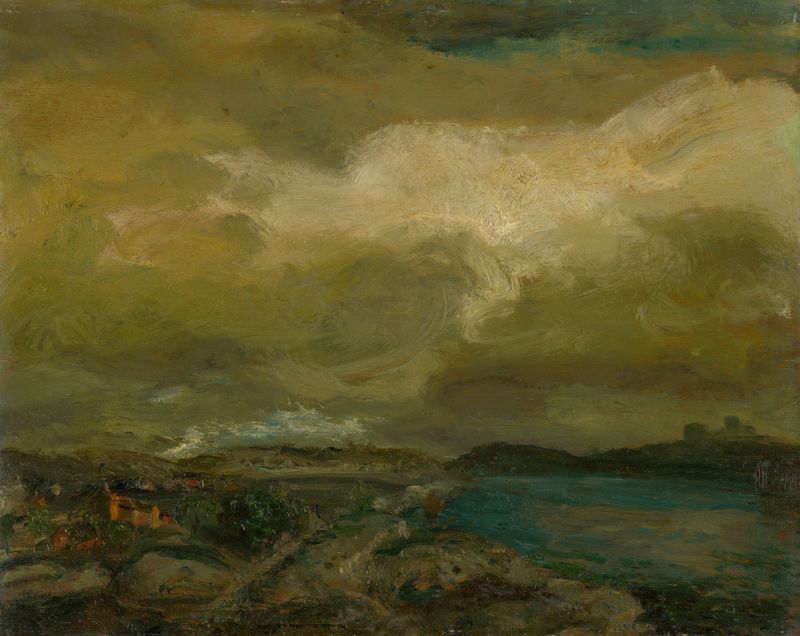
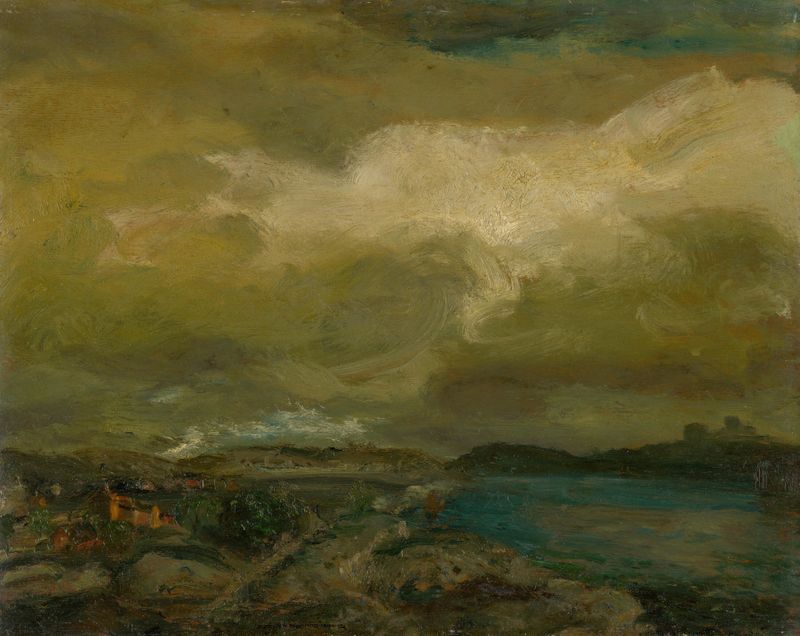
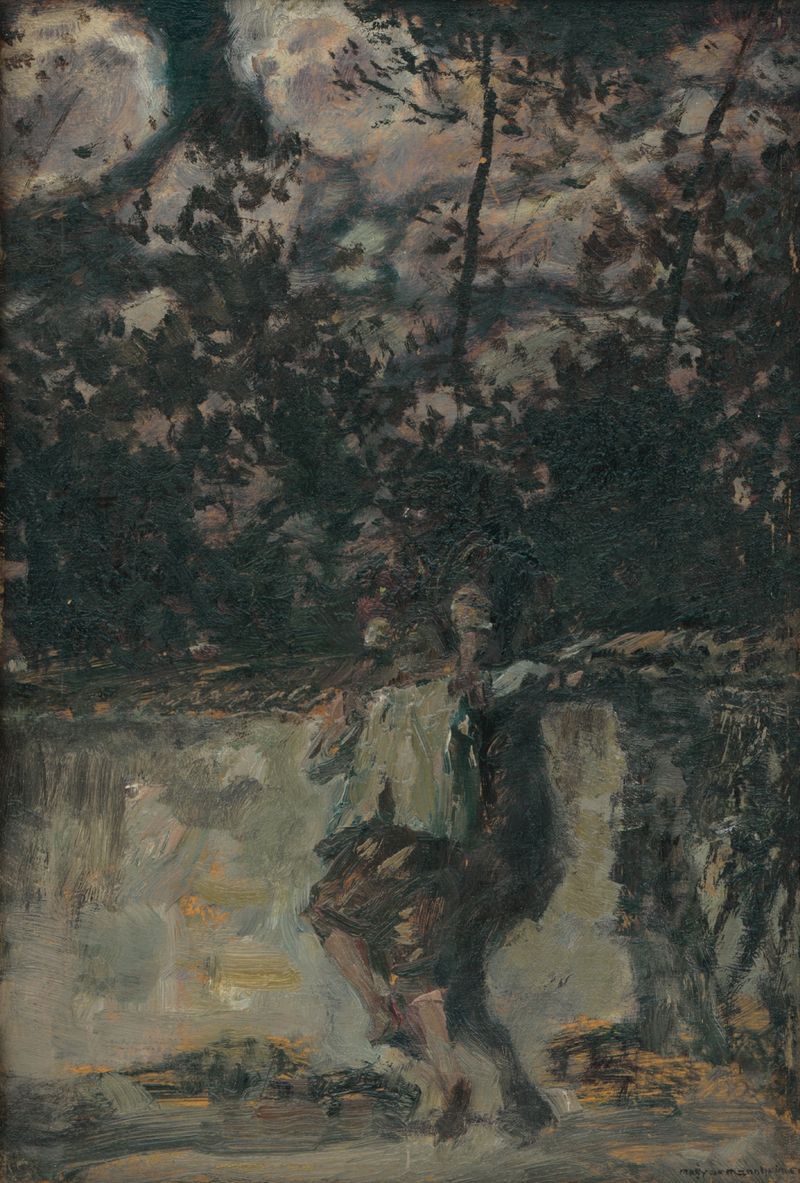
Did the painter know this moment would outlive them? In Summer Landscape, the canvas breathes with the essence of fleeting time, evoking feelings of nostalgia and tranquility in equal measure. Look to the left at the sweeping fields of golden grain, undulating under a gentle breeze, each stroke a whisper of the earth’s warmth. The horizon, kissed by a soft blue sky, invites the viewer to wander into the depths of the landscape. Notice how the vibrant greens of the trees contrast with the warm yellows, creating a symphony of color that sings of summer’s vitality.
The artist employs a layered technique to capture the light filtering through the foliage, giving life to shadows that dance across the ground. Within this serene depiction lies an exploration of contrasts—the stillness of the land juxtaposed with the ephemeral quality of light. The vibrant colors reflect the joy of a season, yet there’s a lurking void that hints at impermanence, a reminder that such moments are fleeting. The path winding through the fields suggests a journey, perhaps endless, inviting contemplation about the passage of time and the cycles of nature. In 1910, Mannheimer created this work during a period marked by a shift towards Impressionism in Hungary, where he sought to capture the essence of his homeland in an emotive manner.
The early years of the 20th century were filled with artistic experimentation as artists broke away from tradition, and Mannheimer was at the forefront of this movement, striving to immortalize the beauty of everyday scenes with a fresh and vibrant palette.