
Summer landscape — History & Facts
In the hands of a master, nature’s splendor can invoke both joy and sorrow, a reminder of the duality of existence. Look to the left at the lush greenery, each brushstroke mimicking the gentle sway of summer leaves. The golden sunlight bathes the landscape in a warm embrace, casting long shadows that dance across the terrain. Notice how the horizon line draws your eye upward, leading you into the tranquil sky where soft clouds drift lazily, evoking a sense of peaceful abandon.
The palette, rich in greens and warm earth tones, creates a harmonious yet bittersweet atmosphere, leaving a lingering sense of nostalgia. Deeper still, hidden meanings emerge within the tranquil scene. The juxtaposition of light and shadow suggests the fleeting nature of summer—the impending transition from warmth to chill. The solitary figure in the distance, almost blending into the landscape, evokes a profound sense of isolation, reflecting on the solitude we often feel amidst beauty.
Each detail, from the rippling water to the swaying grasses, suggests an awakening, both of nature and the self, reminding us of the delicate balance between serenity and yearning. During the years 1875 to 1885, the artist found himself deeply influenced by the European art movements that were redefining the boundaries of landscape painting. Working primarily in Hungary, he sought to capture the essence of his homeland while navigating personal challenges and societal changes. It was a time of growing artistic freedom, and through his brush, he engaged in a conversation with nature that continues to resonate today.
More Artworks by Ladislav Mednyánszky
Browse all →
Winter Landscape
Ladislav Mednyánszky
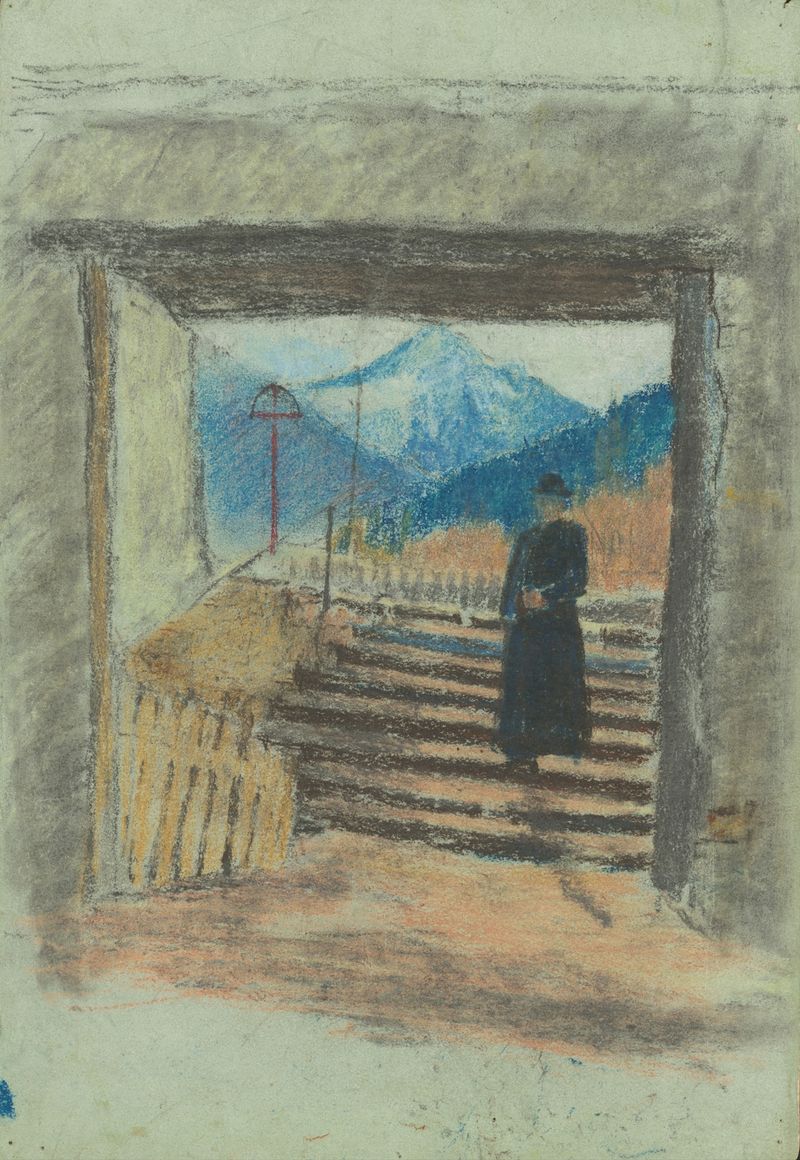
Out of Cemetery
Ladislav Mednyánszky

Lomnický Peak
Ladislav Mednyánszky

Nad riekou
Ladislav Mednyánszky
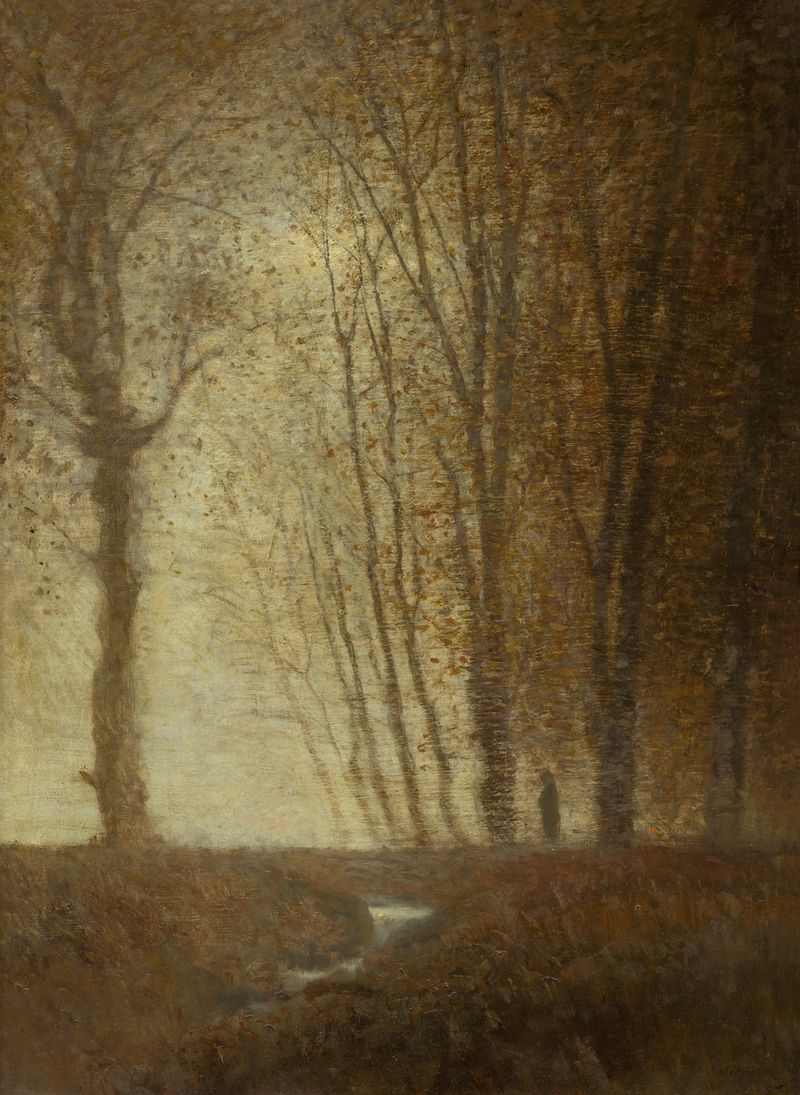
Edge of the Forest in the Moonlight
Ladislav Mednyánszky

View of the Ruins of Súľov
Ladislav Mednyánszky

Landscape with a Lake
Ladislav Mednyánszky
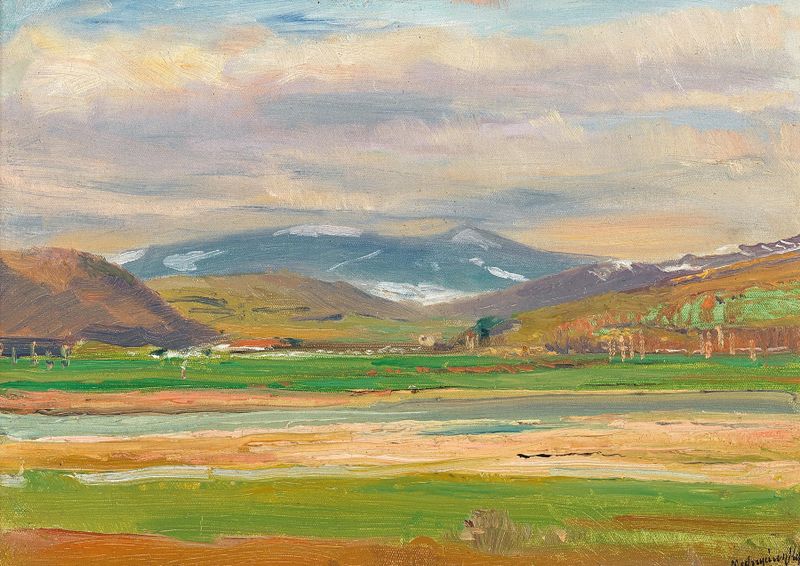
A Spring Landscape at the Foot of the Tatras
Ladislav Mednyánszky

A Wintry Forest
Ladislav Mednyánszky
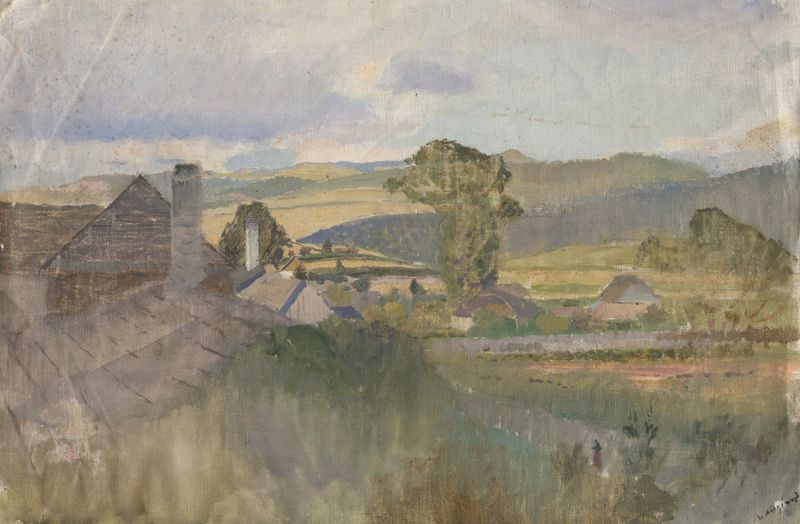
Village below the Tatras
Ladislav Mednyánszky





