Sunset — History & Facts
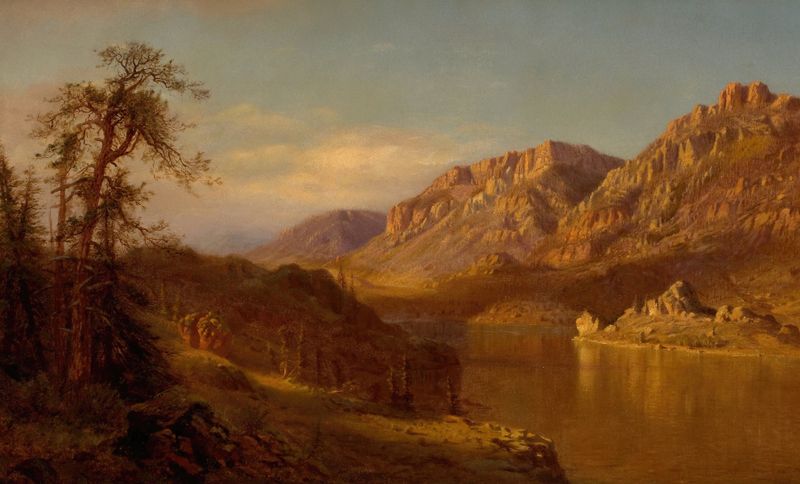
In the shimmering hues of twilight, we are reminded that divinity often cloaks itself in the bittersweet embrace of nature's fleeting moments. A sunset can evoke both solace and longing, an echo of the day’s end, hinting at the inevitable night. Look closely at the bold strokes of crimson and gold that dance across the canvas; they draw your gaze to the horizon where the sun dips below the edge. Notice how the vibrant colors bleed into one another, creating a harmonious yet chaotic interplay of light and shadow.
The artist employs a masterful technique, blending warm and cool tones to evoke a sense of depth and movement, as if the sky itself were in a state of flux. Within this breathtaking display lies a tension between beauty and transience. The radiant colors symbolize life and vitality, while the encroaching darkness represents the passage of time and loss. Each brushstroke captures the ephemeral nature of existence, inviting viewers to reflect on their own experiences of love and longing, joy and sorrow.
The interplay of light and dark speaks to a world where beauty often dances hand in hand with melancholy. Hamilton Hamilton painted this work during a time when he was deeply engaged with the exploration of natural beauty, although the exact date remains uncertain. Known for his innovative use of color, he was influenced by the Romantic movement's focus on emotion and the sublime. This period in the late 19th century was marked by a burgeoning interest in capturing fleeting moments in nature, as artists sought to express the divine through their art.