Rushing Stream — History & Facts
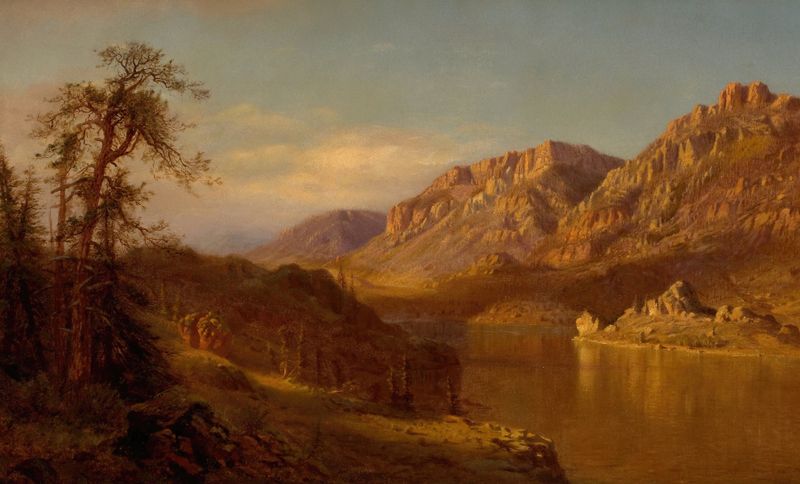
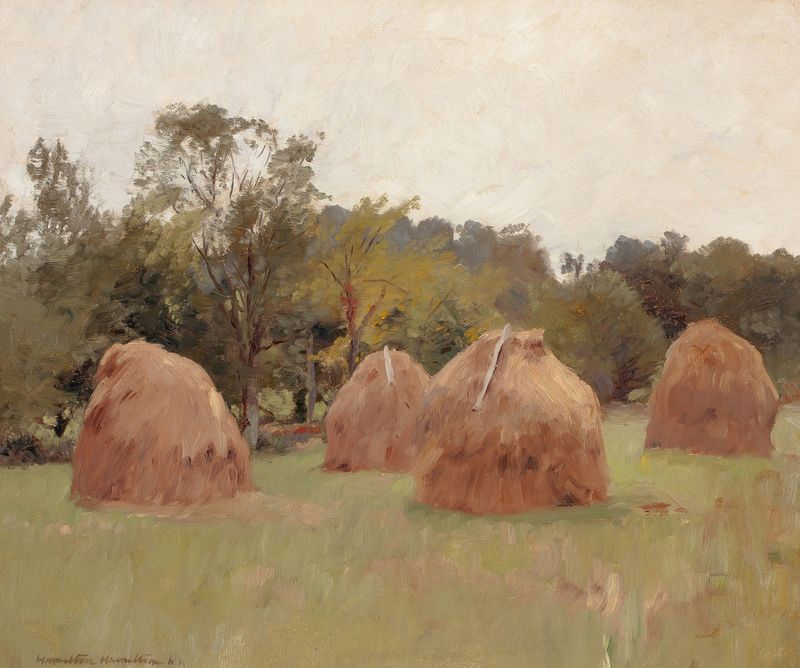
Who listens when art speaks of silence? In Rushing Stream, serenity flows beneath the vibrant surface, inviting contemplation and peace. Look to the left at the soft ripples of water, glimmering like fleeting whispers beneath the dappling of sunlight. The artist's brushwork captures the dynamic movement of the stream, each stroke conveying both urgency and tranquility. Notice how shades of green blend seamlessly with warm earth tones, creating a harmonious balance that draws the viewer into this serene landscape.
The gentle curves of the water guide your gaze, while the surrounding foliage frames the scene, offering a sense of enclosure and solace. Delve deeper to discover the interplay between chaos and calm. The rushing stream stands in stark contrast to the stillness of its surroundings, symbolizing life's unstoppable flow amid moments of reflective peace. Tiny details—like the delicate flutter of leaves or the subtle play of shadows—speak to the artist's keen observation and understanding of nature's rhythm, evoking an emotional resonance that lingers long after the viewer has stepped away. Hamilton Hamilton created Rushing Stream in a period where the Impressionist movement began to influence his work, seeking to capture nature's beauty and fleeting moments.
Although the exact date remains uncertain, his technique flourished in the late 19th century, reflecting a time when artists increasingly turned to outdoor scenes, celebrating the interplay of light and color with an emotional depth that resonated in an ever-changing world.