Sunset and Moonrise — History & Analysis
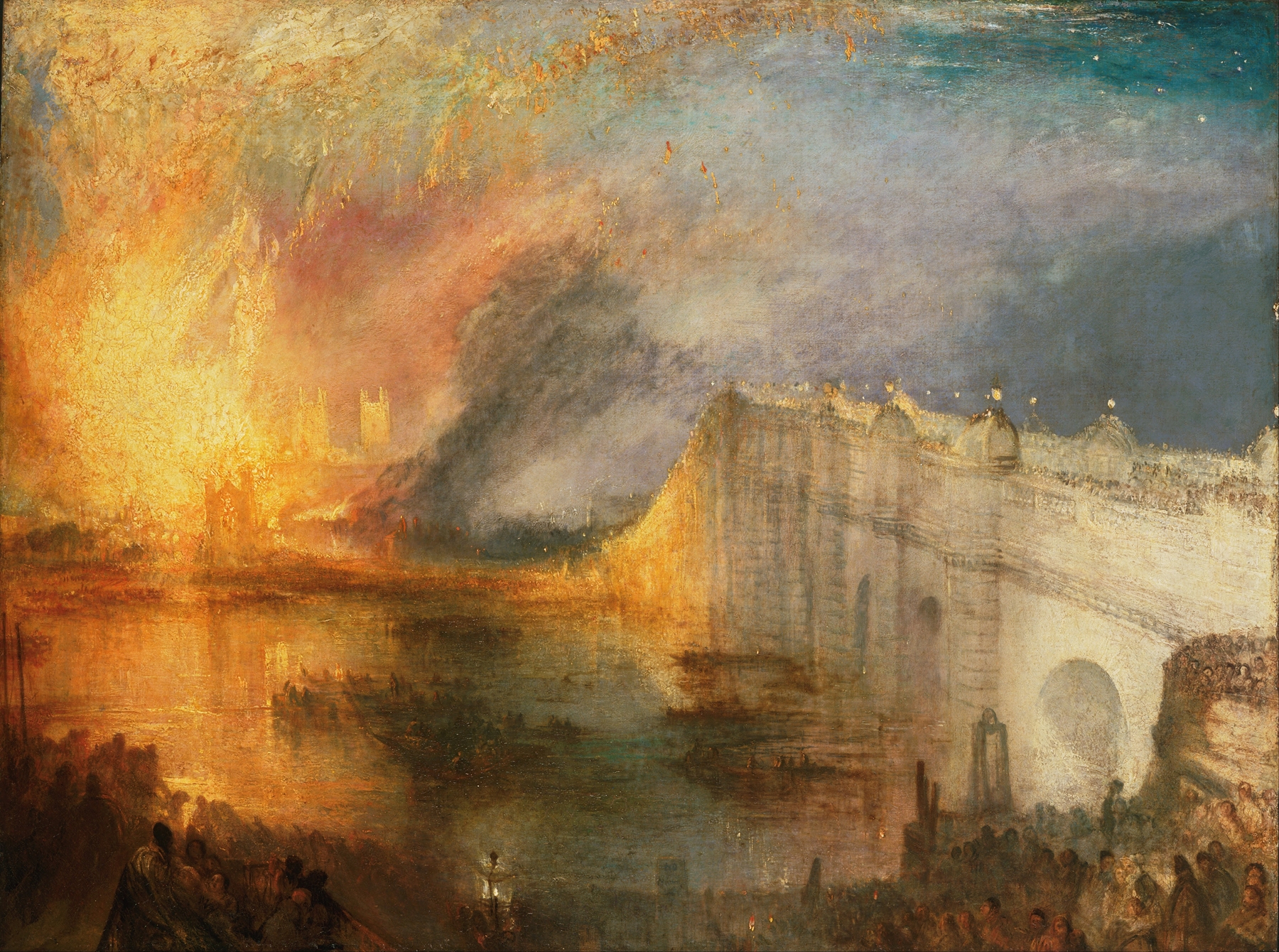
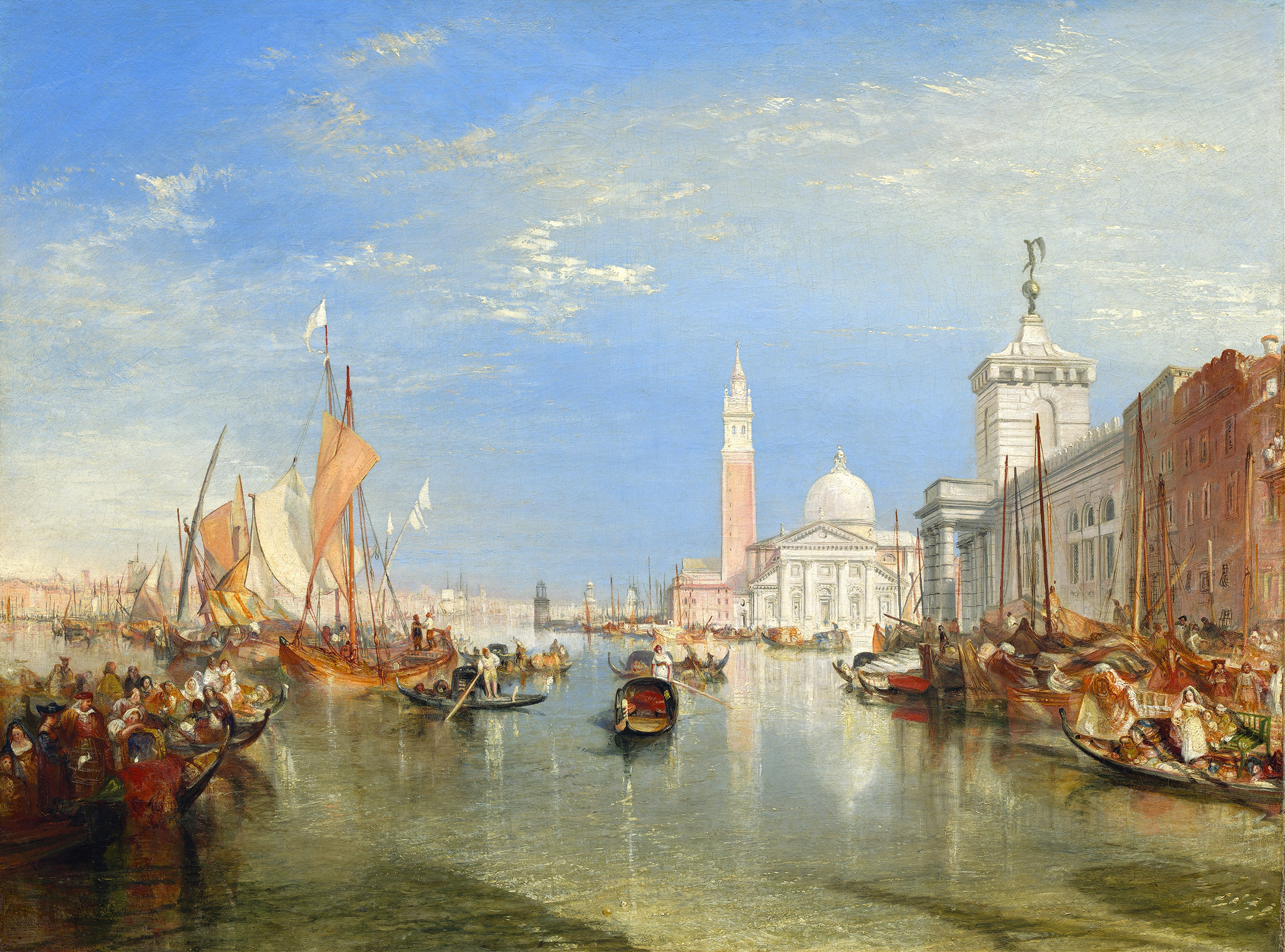
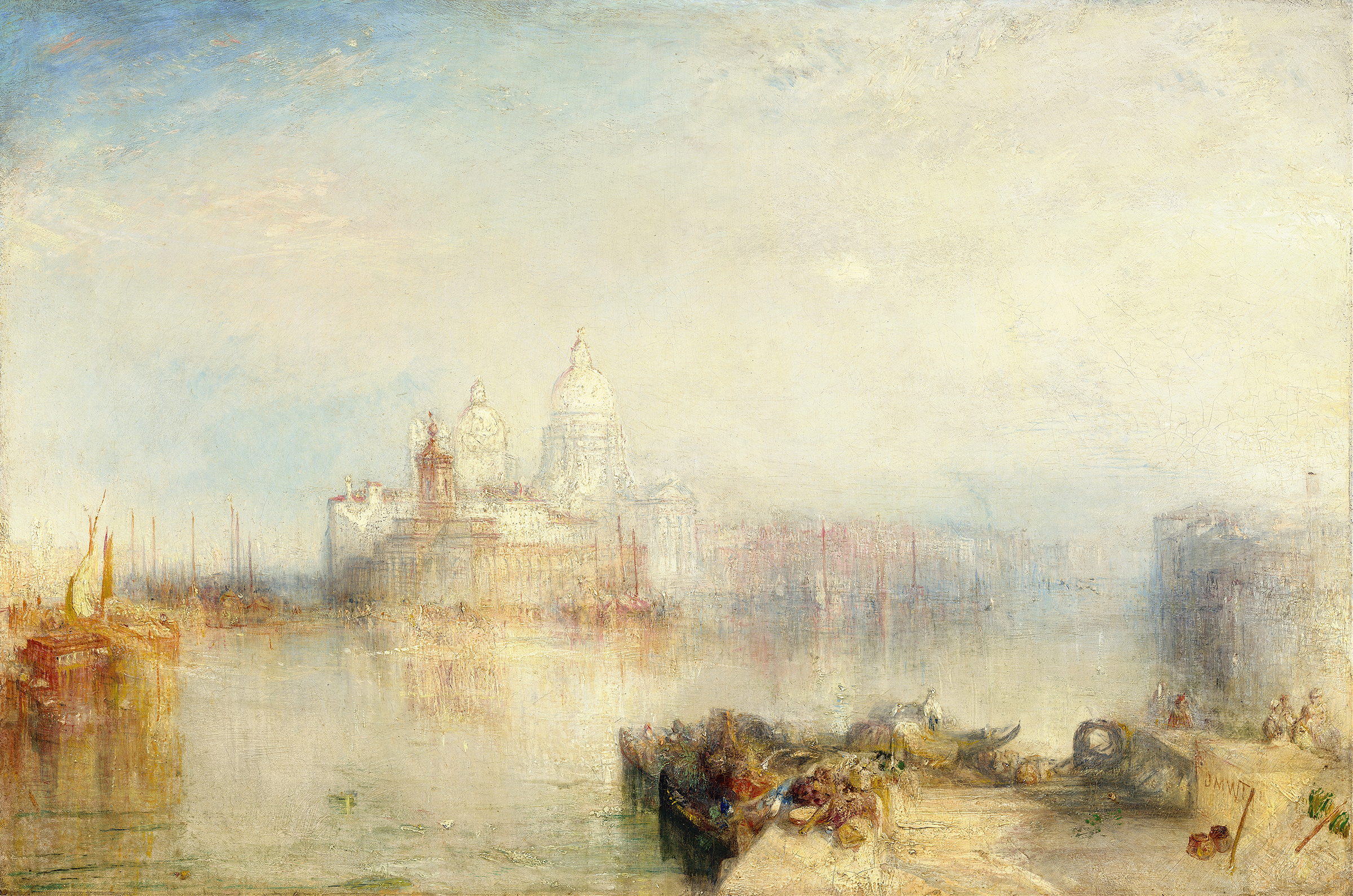
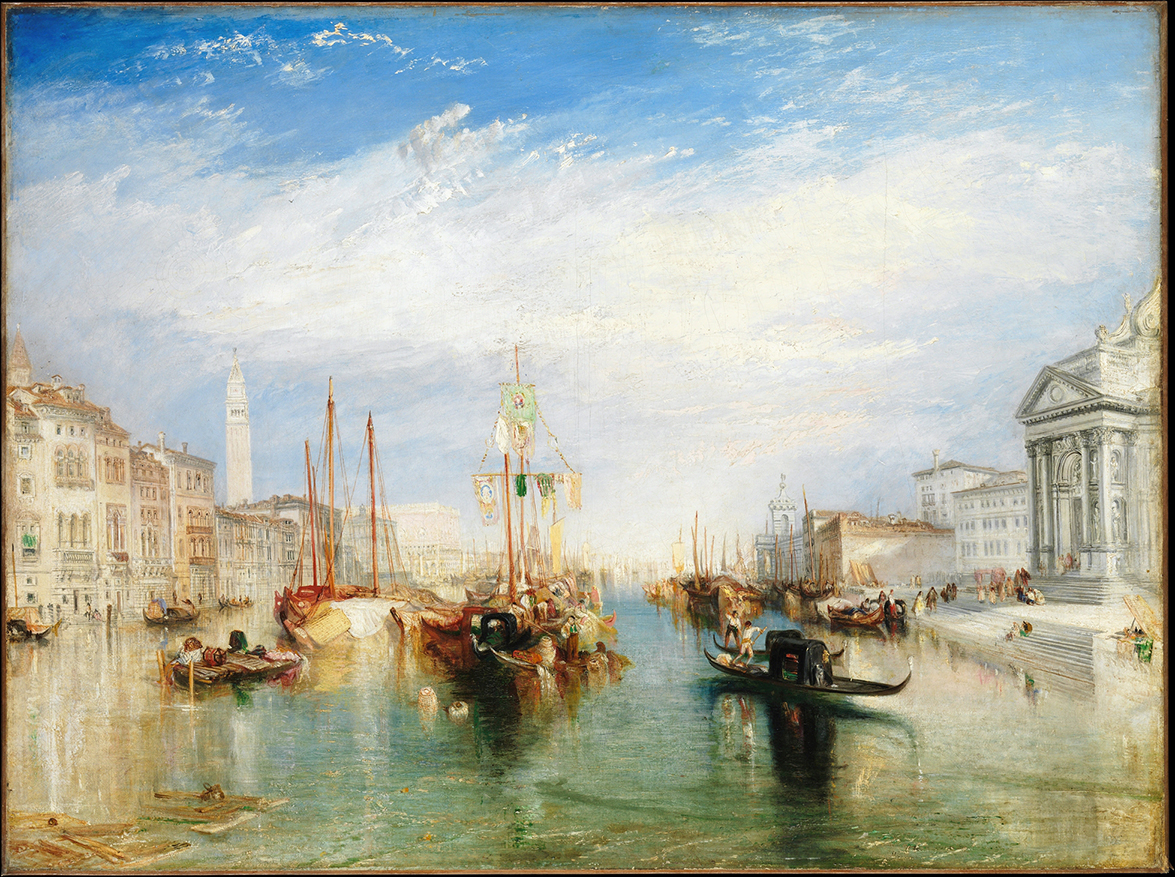
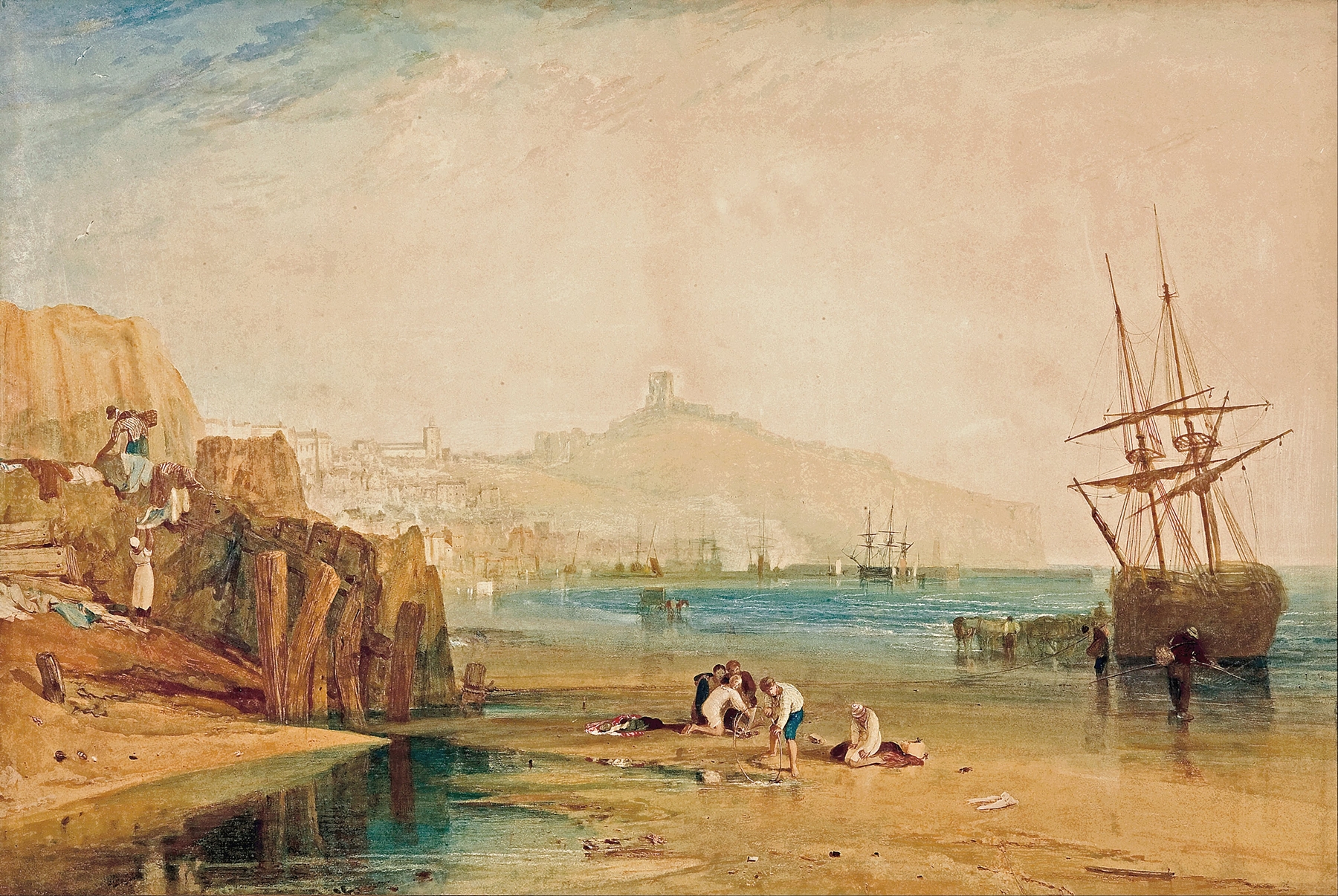
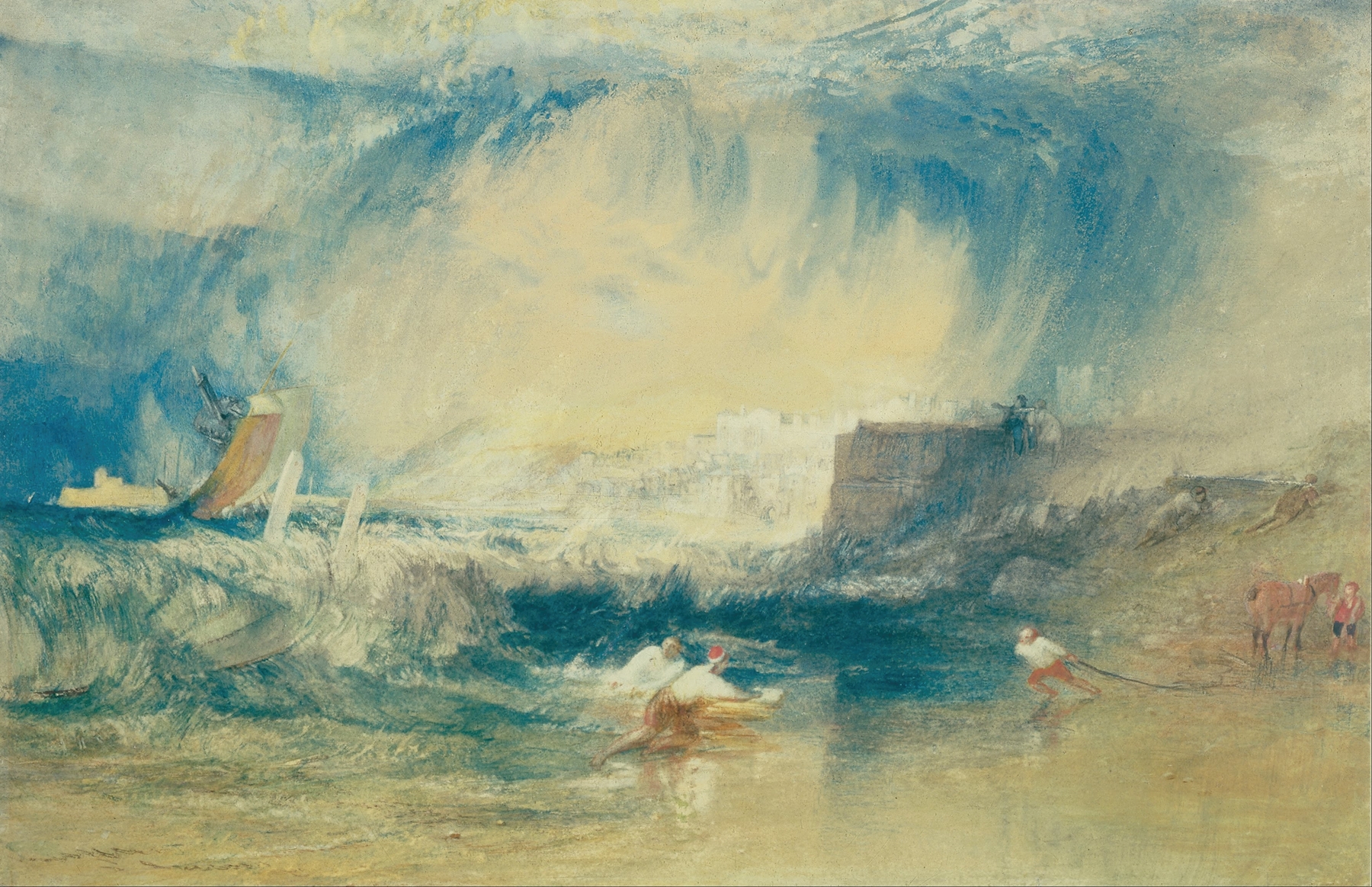
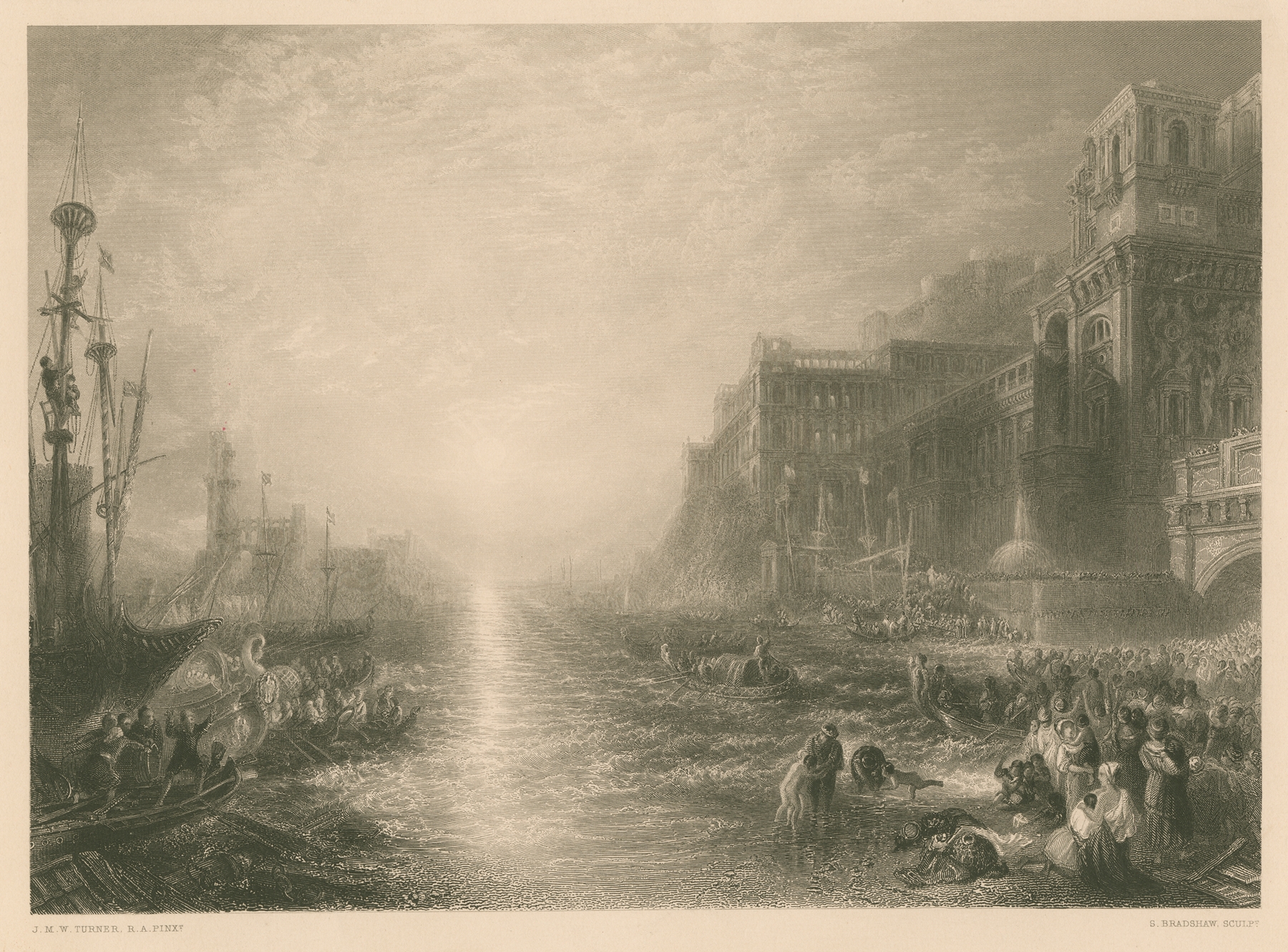
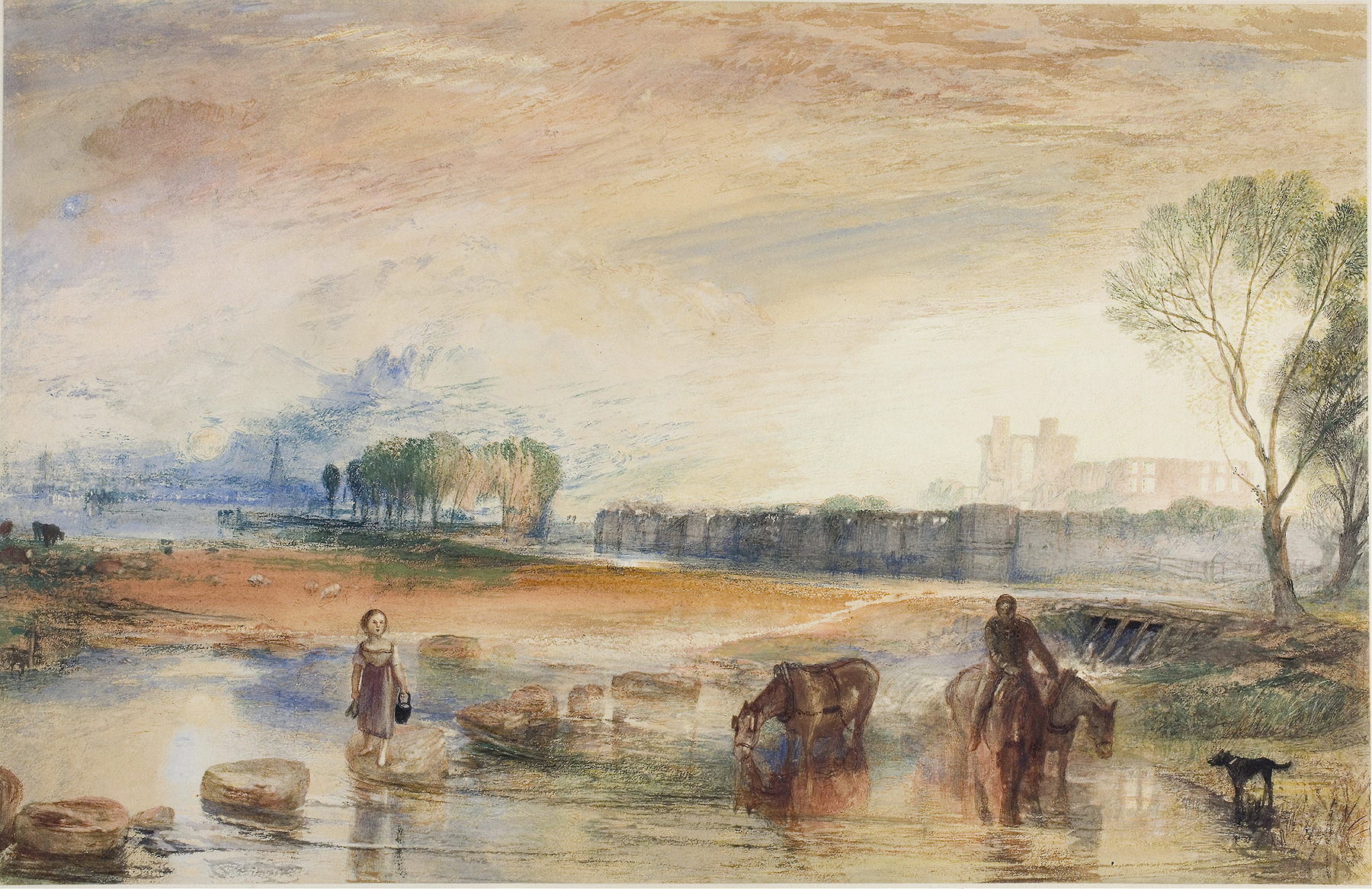
“Under the brush, chaos becomes grace.” In the interplay of color, the essence of nature unfurls, revealing the sublime beauty that lies between day and night. Look to the horizon where fiery oranges and soft purples merge, creating a vivid tapestry that draws the eye. The tumultuous sky, swirling with energetic strokes, captures both the drama of a setting sun and the calm of an emerging moon. Notice how the turbulent brushwork hints at movement, as if the elements themselves are in conversation, while the lower portion presents tranquil waters reflecting these celestial transformations. Delve deeper into the contrast between warmth and coolness in this piece. The passionate hues of the sunset evoke a sense of fleeting time, while the tranquil blues and silvers of the moonrise introduce a lingering stillness. This juxtaposition not only represents the passage from light to dark but also mirrors the emotional tension of human experience, encapsulating moments of both chaos and serenity. Created during a period of personal and artistic evolution for its creator, this work emerged between 1822 and 1842, amidst Turner's exploration of light and atmosphere. Living in an era marked by industrial change and Romantic ideals, he sought to express the sublime qualities of nature, paving the way for future movements in art.