
Sunset on the East River — History & Facts
Could a single brushstroke hold eternity? In the embrace of twilight, chaos melds with serenity, creating a moment suspended in time. Look to the horizon, where the sun sinks slowly into the East River, casting a warm, ethereal glow across the water’s surface. The brushwork is both deliberate and spontaneous, capturing the river's gentle undulations and the dramatic clouds that swirl above. Notice how vibrant hues of orange and pink intermingle with deep blues and purples, inviting you to lose yourself in the visceral beauty of the scene.
Every stroke feels alive, a testament to the emotional weight carried within the chaos of nature. Beneath the surface, there’s a profound tension mirrored in the interplay of light and dark. The chaotic clouds seem to embody a storm just past, hinting at the turbulence of life itself, while the calm, reflective water serves as a counterbalance, inviting introspection. The contrast between vivid color and shadow suggests a fleeting moment, a reminder of life’s ephemeral beauty and the order that can emerge from chaos.
Each ripple whispers stories untold, capturing both the fragility and resilience of existence. In 1879, the artist found himself in a pivotal moment of his career, painting this masterpiece during a period of personal struggle and artistic exploration. Living in New York City, he was captivated by the changing landscapes and the dynamic interplay of light and color. The Impressionist movement was gaining momentum, influencing his approach and pushing him to redefine the traditional boundaries of landscape painting, ultimately shaping his lasting legacy in American art.
More Artworks by Henry Farrer
Browse all →
St. Paul’s Chapel, New York, from ‘Scenes of Old New York’
Henry Farrer

Evening, New York Harbor
Henry Farrer
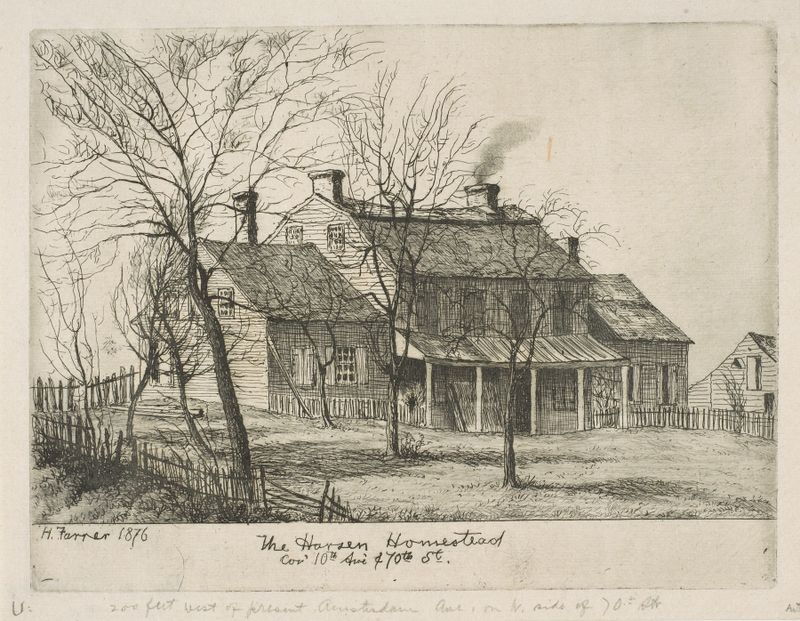
The Harsen Homestead, Corner of 10th Avenue and 70th Street, from ‘Scenes of Old New York’
Henry Farrer

Old House, Corner of Peck Slip and Water Street, from ‘Scenes of Old New York’
Henry Farrer
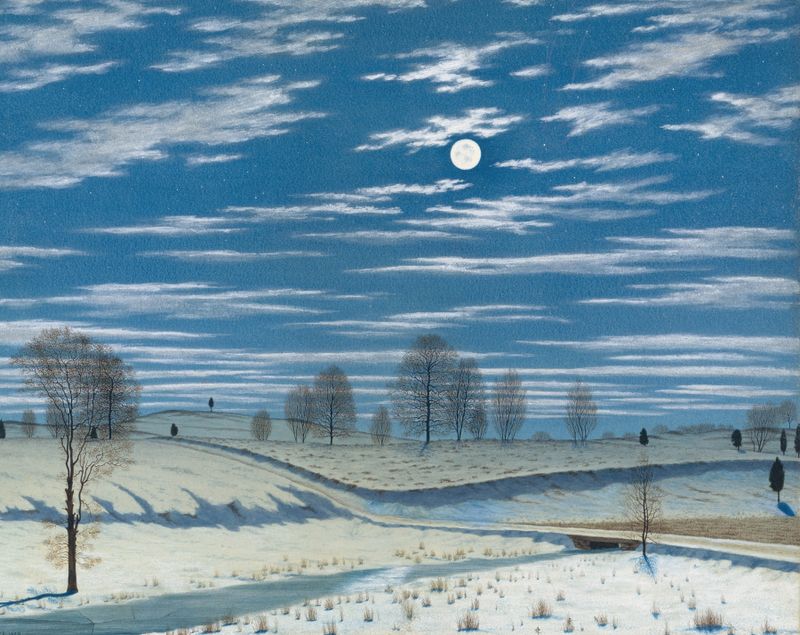
Winter Scene in Moonlight
Henry Farrer

A Powder Magazine in Central Park, from ‘Scenes of Old New York’.
Henry Farrer

The Old Revenue Office, Whitehall, from ‘Scenes of Old New York’
Henry Farrer
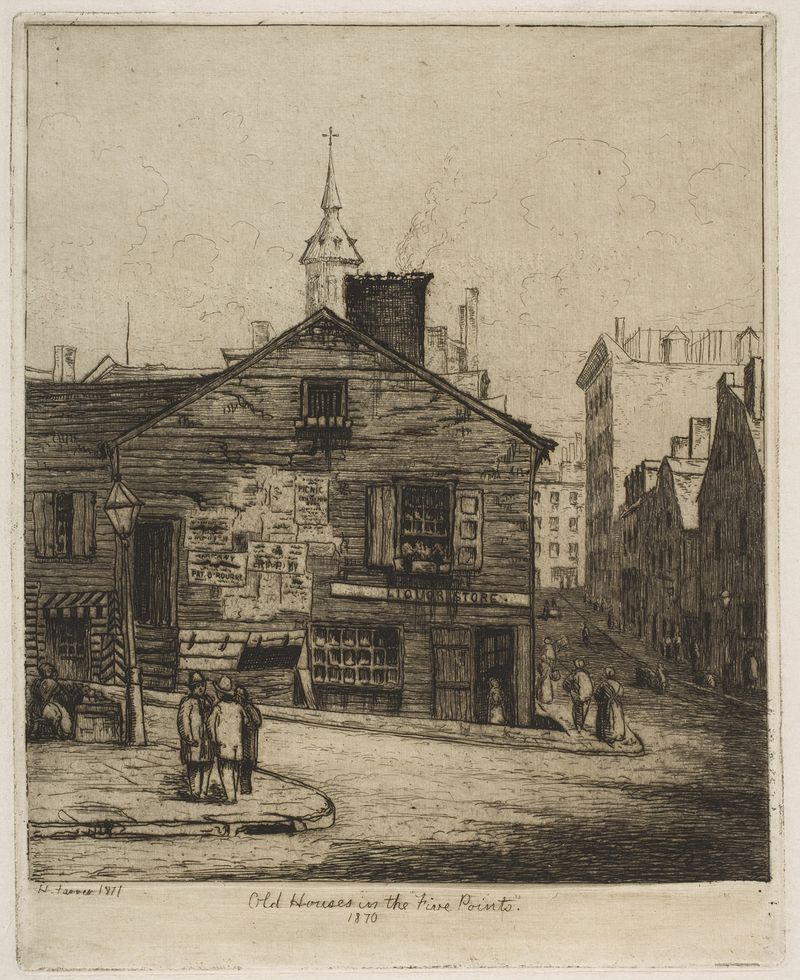
Old Houses in the ‘Five Points’, 1870, from ‘Scenes of Old New York’.
Henry Farrer

City and Sunset
Henry Farrer
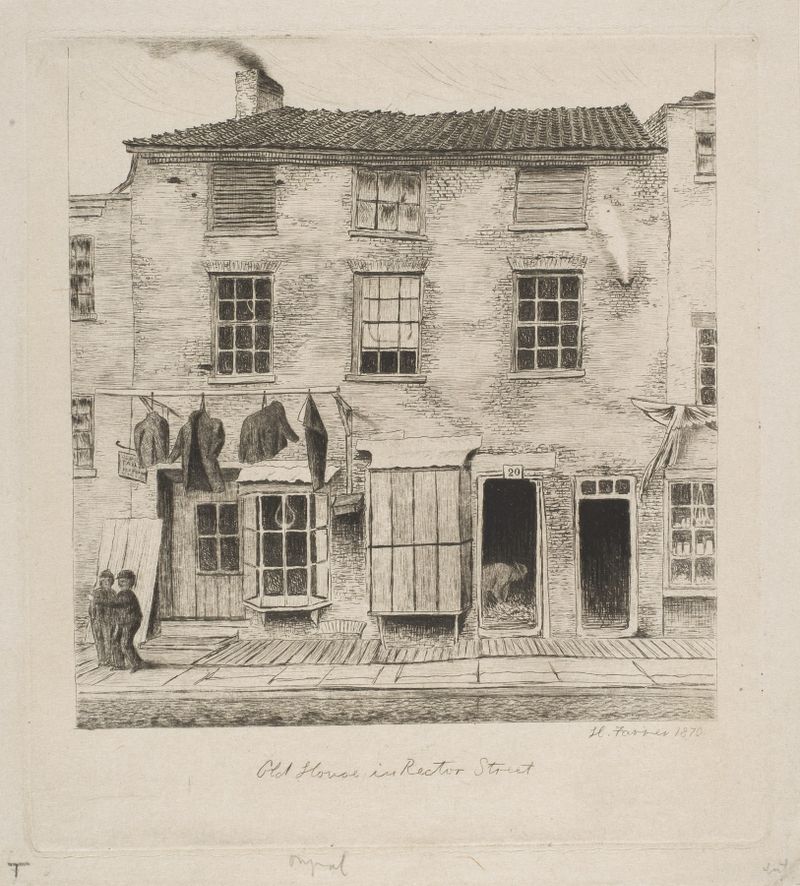
Old House in Rector Street, from ‘Scenes of Old New York’.
Henry Farrer





