Swans on a Lake — History & Facts
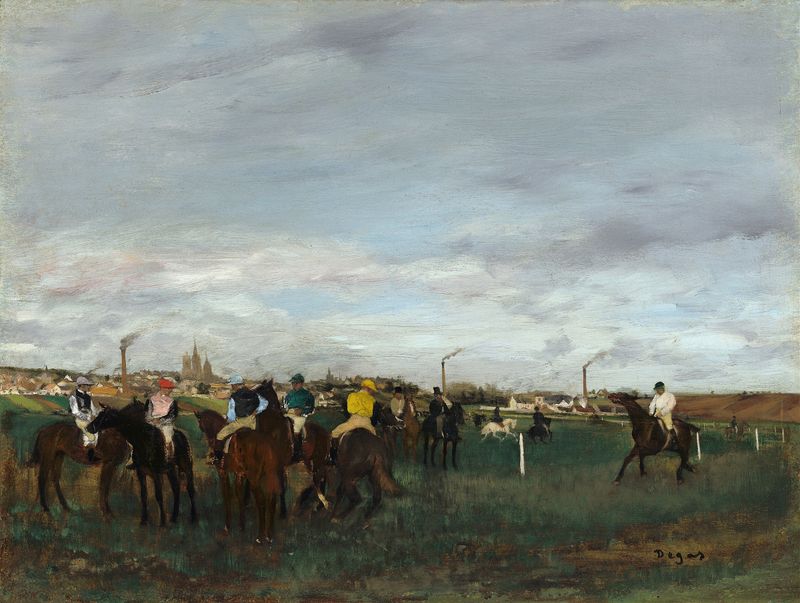
The delicate elegance of a swan, gliding upon still waters, often belies the fragility that underlies such grace. This juxtaposition of beauty and vulnerability resonates deeply within the realms of art and life alike. Look closely at the shimmering surface of the lake, where the reflection of swans dances in gentle ripples. The artist employs soft, muted tones that lend a dreamlike quality to the scene, while the rich greens and blues evoke a sense of tranquility.
Notice how the golden hues of the sunlight wrap around the swans, highlighting their pristine feathers, yet the overall palette suggests an underlying melancholy. Bartoszek’s meticulous brushwork captures the essence of both serenity and transience, inviting you to pause in contemplation. As you observe the painting, consider the emotional tension embedded in the interplay between the vibrant swans and the stillness of the lake. The swans symbolize grace and beauty, yet their quiet presence hints at the vulnerability of ephemeral moments.
The stillness of the water contrasts with the potential turbulence of life, alluding to the fragility of existence. This duality serves as a reminder that beauty, while captivating, often carries with it an unseen sorrow. In 1938, Bartoszek painted this piece during a tumultuous period leading up to World War II. Living in Poland, he experienced the societal shifts that foreshadowed upheaval and conflict.
Artists of the time were increasingly grappling with themes of uncertainty and fragility, mirroring the anxieties of a world on the brink of change. This work reflects not only his personal vision but also the broader artistic response to the fragility of life in a changing landscape.
More Artworks by Franciszek Bartoszek
Browse all →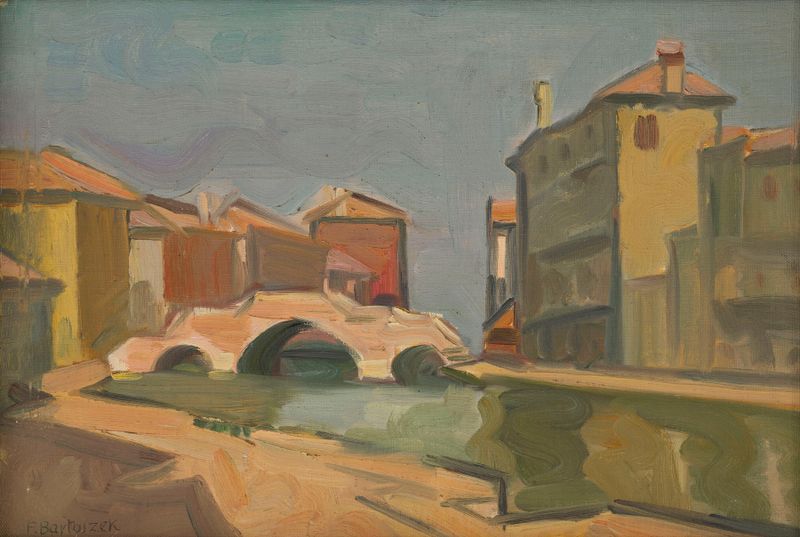
Venice
Franciszek Bartoszek

View of San Marco and Campanillo
Franciszek Bartoszek
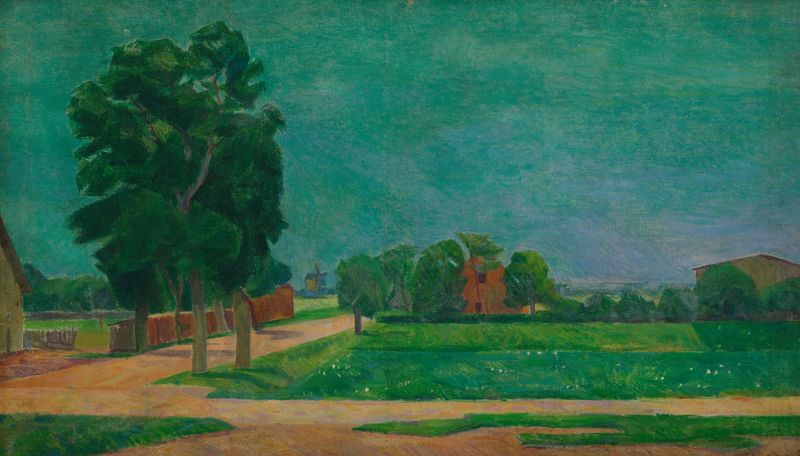
Landscape
Franciszek Bartoszek

Venice
Franciszek Bartoszek

Landscape with Pine Trees
Franciszek Bartoszek
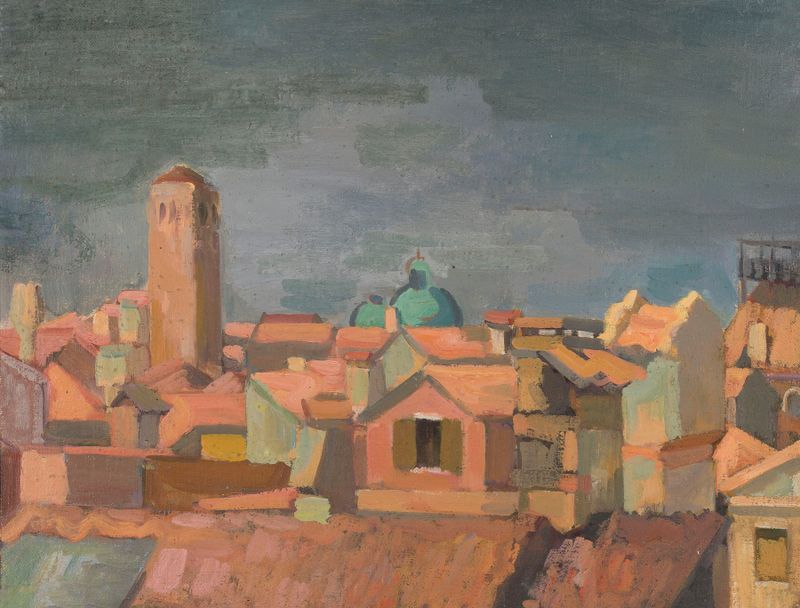
View of an Italian city
Franciszek Bartoszek
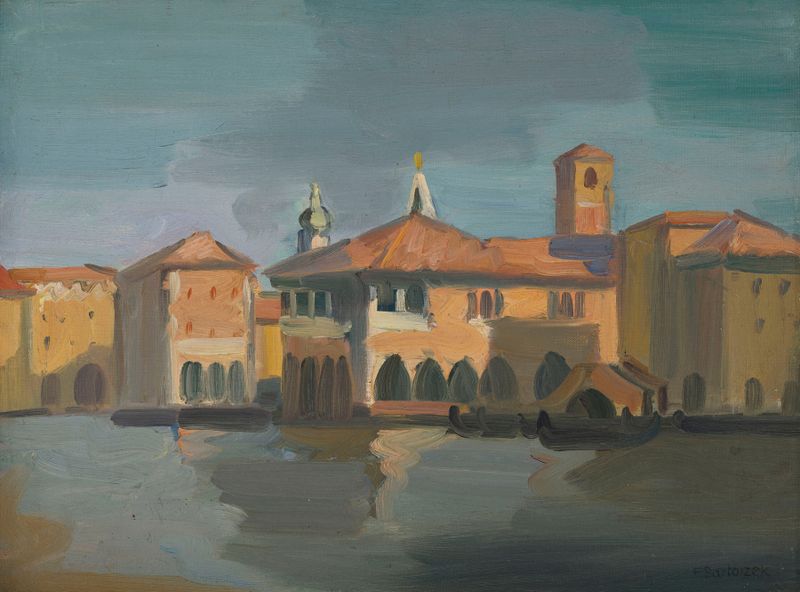
Venice II
Franciszek Bartoszek
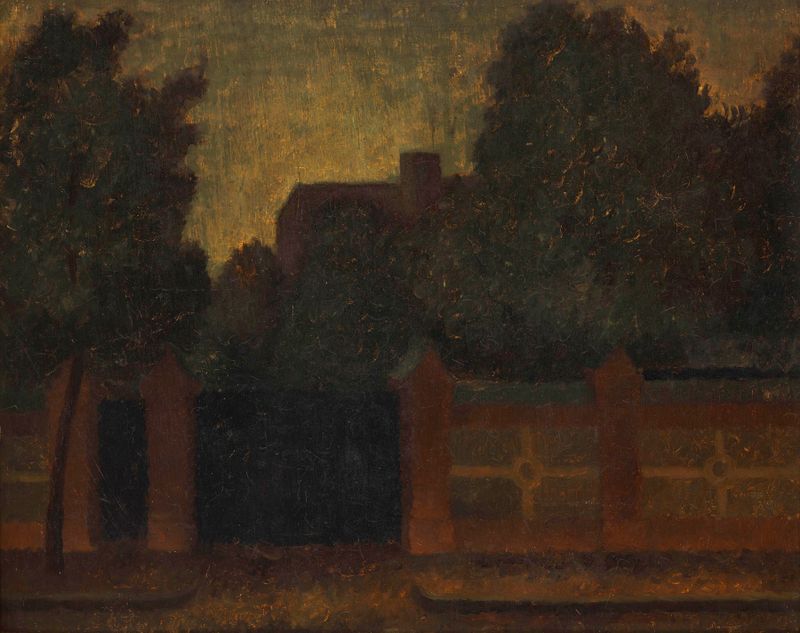
Landscape – Road behind a Fence
Franciszek Bartoszek

Venice (Canal)
Franciszek Bartoszek
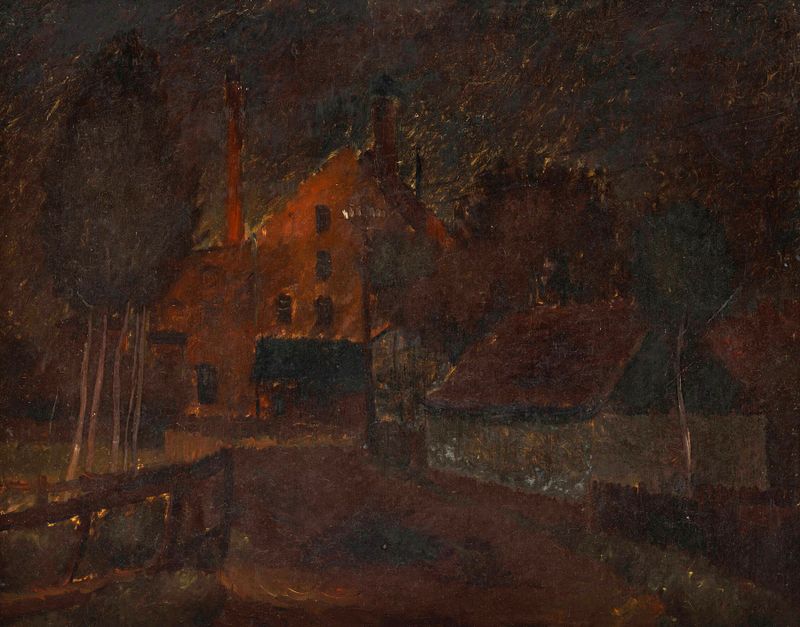
Brewery in Czarnków
Franciszek Bartoszek