
Venice II — History & Facts
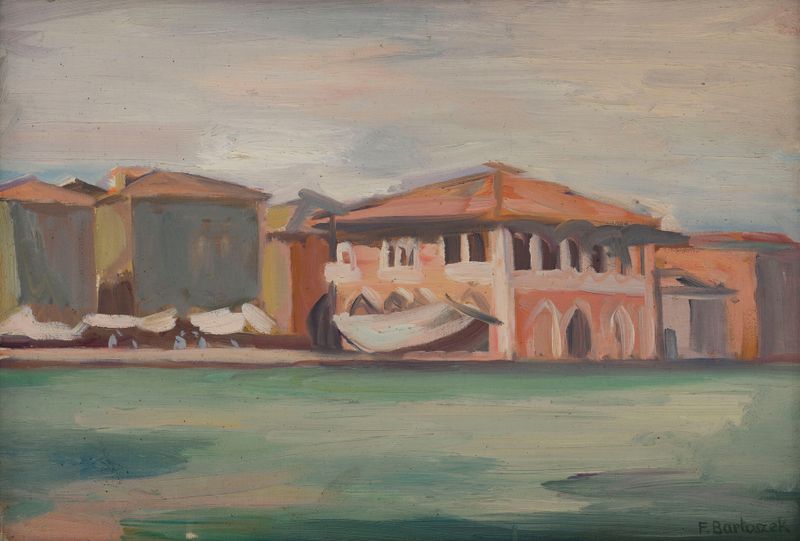
This poignant reflection resonates deeply within the layered depths of art, where ecstasy and sorrow often entwine, revealing the complexities of human experience. Look closely at the vivid blues and verdant greens that dominate the canvas, where the shimmering waterways of Venice pulse with life. The artist's deft brushwork creates an ethereal quality, inviting the eye to dance across the surface. Notice how light refracts through the intricate architecture, casting reflections that seem almost liquid, blurring the boundaries between reality and a dreamlike reverie.
Each stroke builds an atmosphere that feels both celebratory and melancholic, as if the beauty of the city itself holds secrets beneath its surface. Within this piece, hidden meanings emerge as the viewer contemplates the juxtaposition of vibrancy and stillness. The bustling canals, teeming with boats and figures, echo a sense of joy, yet there is an undercurrent of solitude among the revelry. This tension captures the paradox of ecstasy – the fleeting joy found in moments tinged with an awareness of transience.
The gilded tones glimmer with warmth, yet they also suggest the ephemeral nature of beauty, hinting at the pain that often accompanies such splendor. In 1937, Bartoszek painted this work during a period of intense personal and political upheaval in Europe. Living in Poland, he was navigating the complex world of modernist art while grappling with the looming threat of war. The vibrant portrayal of Venice not only reflects his fascination with the city's beauty but also serves as a poignant reminder of the fragility of joy in an era on the brink of chaos.
More Artworks by Franciszek Bartoszek
Browse all →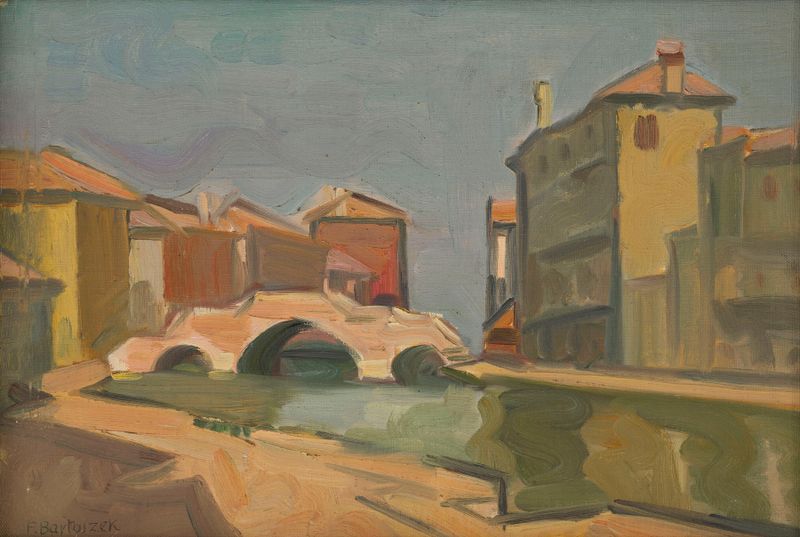
Venice
Franciszek Bartoszek

View of San Marco and Campanillo
Franciszek Bartoszek
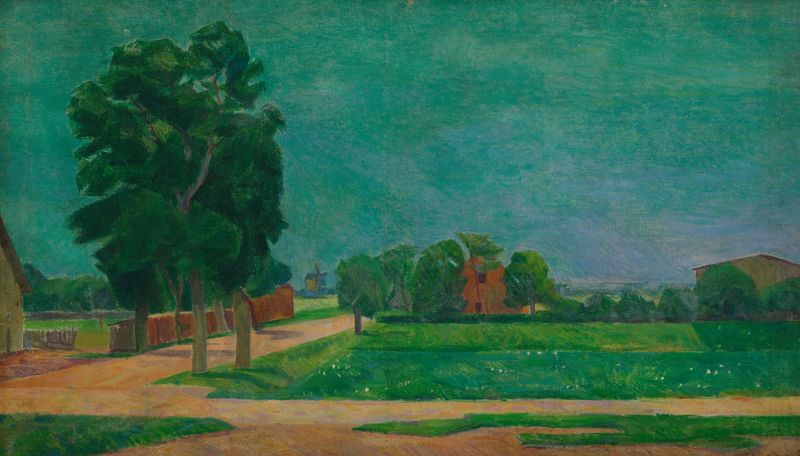
Landscape
Franciszek Bartoszek

Venice
Franciszek Bartoszek

Landscape with Pine Trees
Franciszek Bartoszek
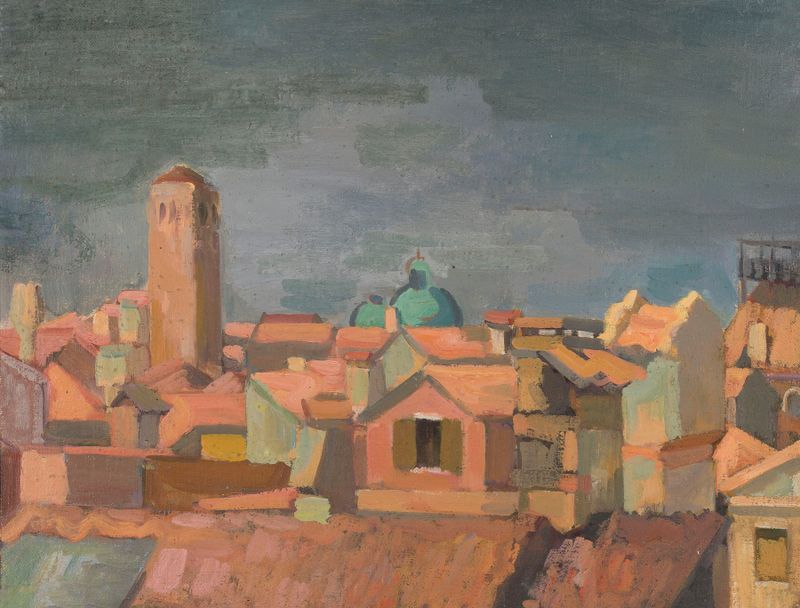
View of an Italian city
Franciszek Bartoszek
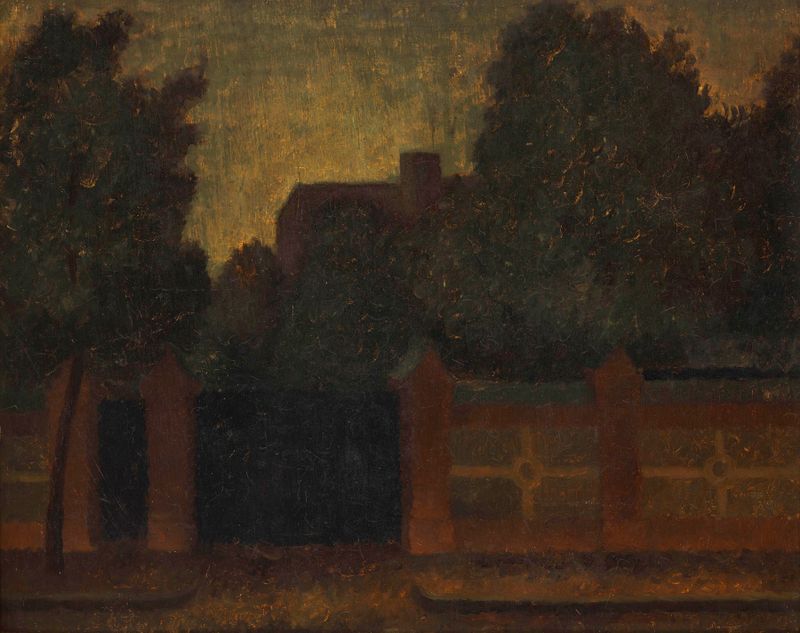
Landscape – Road behind a Fence
Franciszek Bartoszek

Venice (Canal)
Franciszek Bartoszek
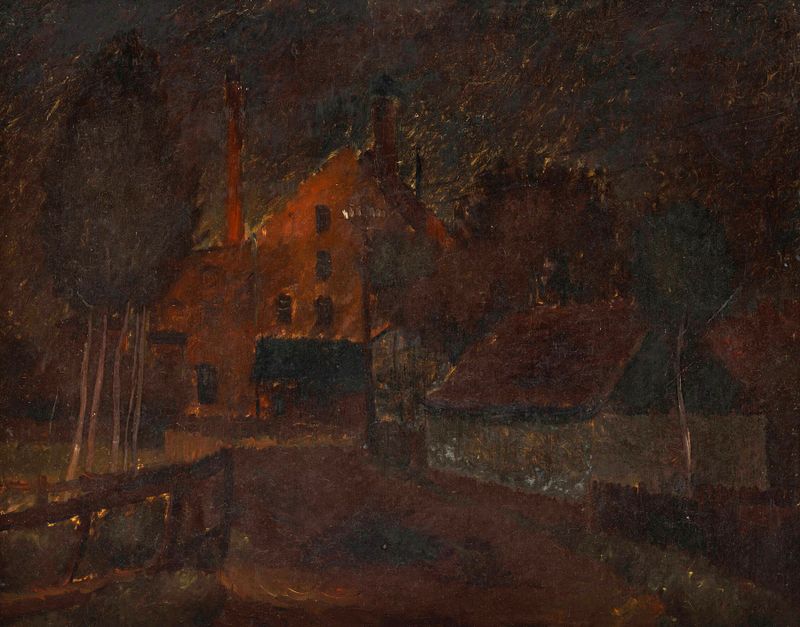
Brewery in Czarnków
Franciszek Bartoszek
Venice
Franciszek Bartoszek





