
t’ Huys te Loenersloot — History & Facts
Did the painter know this moment would outlive them? Within the stillness of t’ Huys te Loenersloot, a deep, unspoken grief lingers, capturing a slice of life that transcends time. Look to the left at the sturdy, weathered façade of the house, its brickwork telling tales of years gone by. Notice how the shadows embrace the structure as the waning light of dusk casts a gentle glow across the scene, emphasizing the quiet resilience of the building. The deliberate brushstrokes create a textured surface, inviting the viewer to feel the weight of history that rests upon its walls, while the surrounding landscape, lush yet unkempt, adds an air of melancholy. The painting evokes a sense of solitude and reminiscence.
The faded garden hints at forgotten joys and moments now lost, resonating with the viewer’s own memories of love and loss. The absence of human presence amplifies this feeling, allowing the house to stand as a poignant symbol of endurance, brimming with stories that echo the complexities of life—joy intertwined with sorrow, presence blended with absence. Roelant Roghman completed this piece in 1647, during a period when the Dutch Republic was flourishing in trade and culture. However, beneath this veneer of prosperity, a sense of personal and collective grief loomed, perhaps stemming from the effects of the Thirty Years' War.
Fundamentally, the work reflects not just the exterior of a house, but the emotional landscape of a society grappling with change, loss, and the passage of time.
More Artworks by Roelant Roghman
Browse all →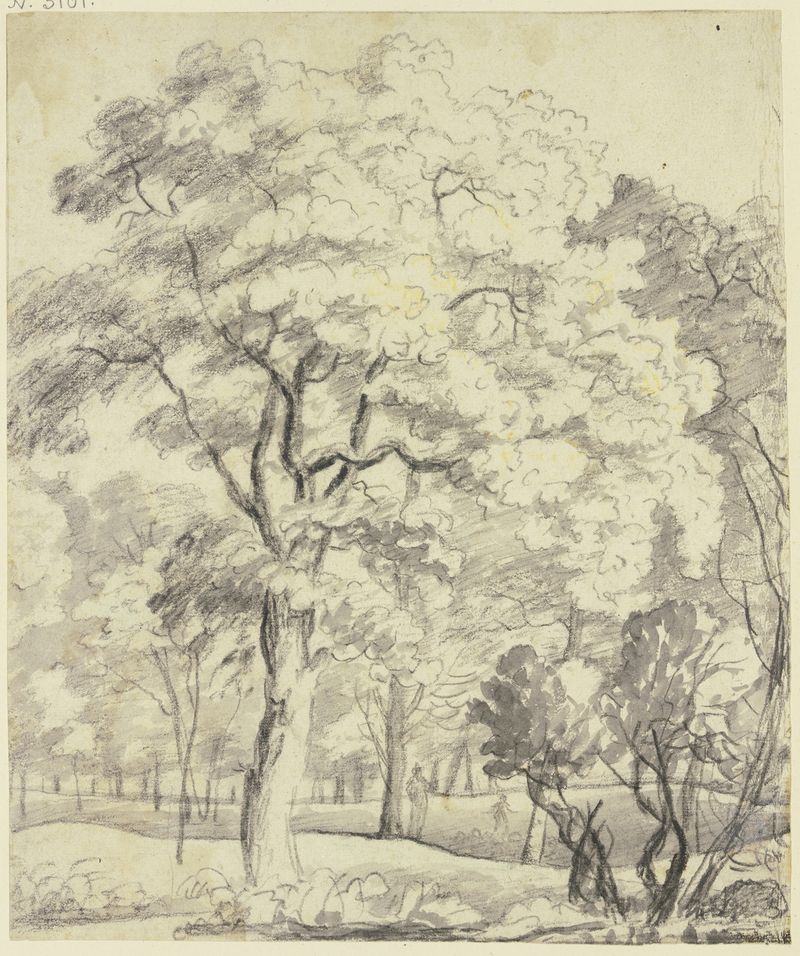
Waldpartie mit zwei Figuren
Roelant Roghman
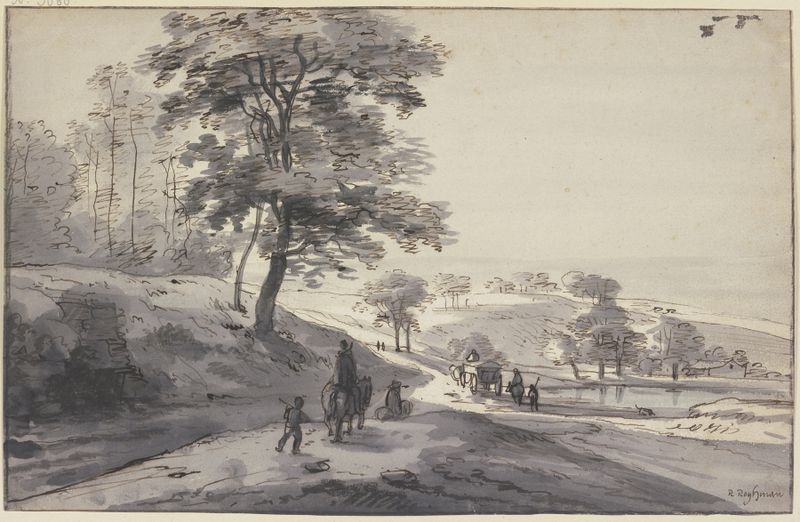
An einem Wasser vorbei über einen Hügel zieht sich ein mit einem Wagen, Reitern und Fußgängern belebter Weg
Roelant Roghman
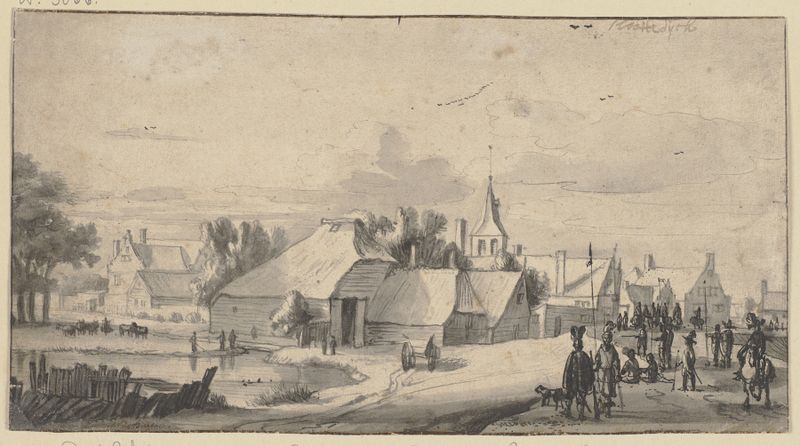
Das Dorf Sloterdyk zur Zeit des Durchzuges der Truppen des Prinzen Wilhelm II von Oranien im Jahre 1650
Roelant Roghman

Landschap met een reiswagen voor een boerderij
Roelant Roghman

The Ruin of Huis ‘t Sant at Katwijk aan Zee
Roelant Roghman
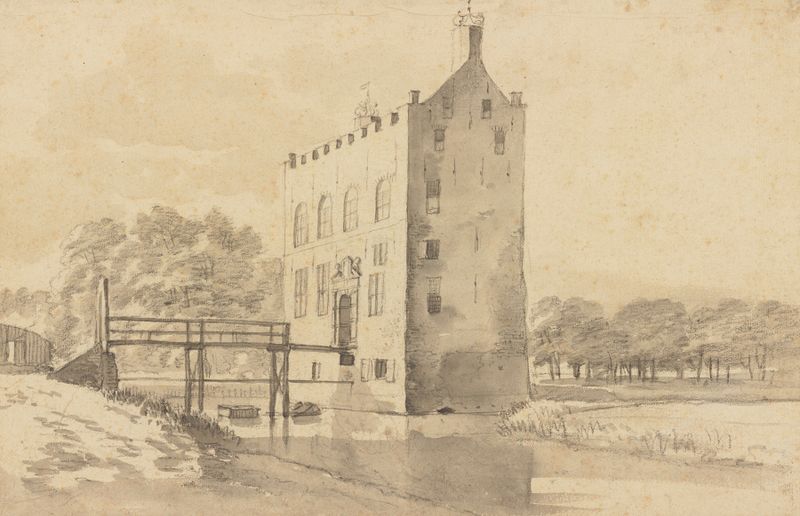
The Castle Giessenburg, near Gorinchem
Roelant Roghman
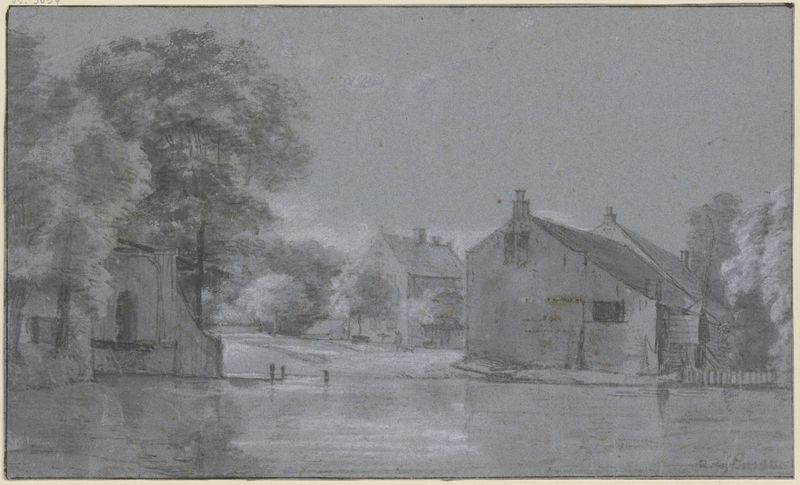
Ein Dorf mit Baumgruppen an einem Fluss
Roelant Roghman
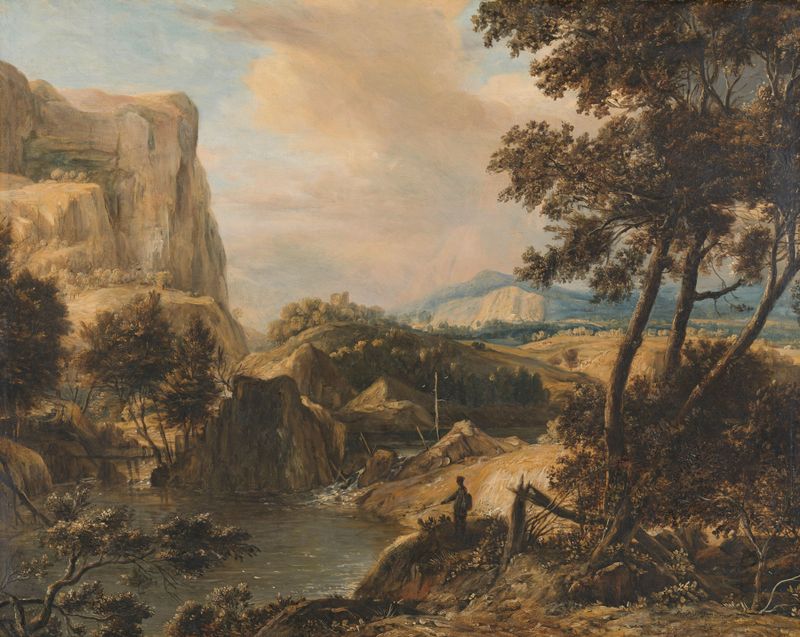
Mountainous landscape with fisherman
Roelant Roghman

Waldlandschaft mit Wasserfall
Roelant Roghman
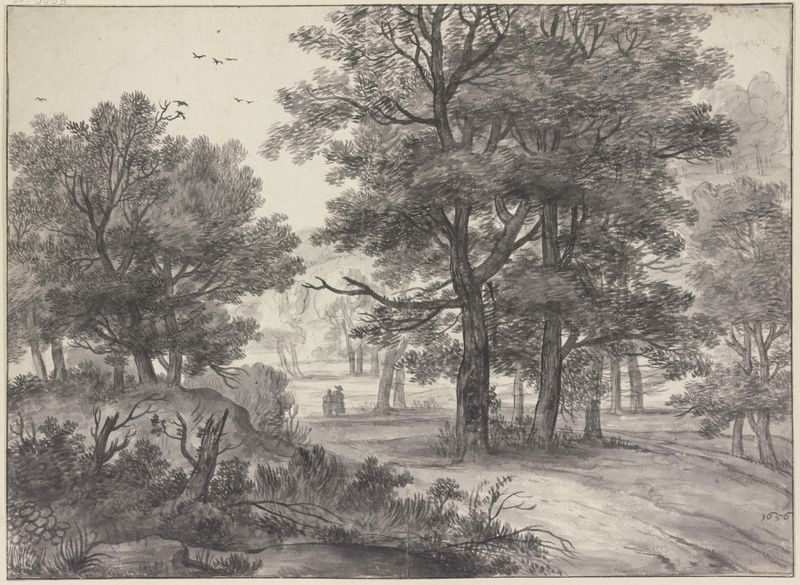
Waldpartie, auf dem Weg zwei Figuren, links oben mehrere Raben
Roelant Roghman
More Architecture Art
Browse all →
The statue of Liberty
Frédéric Auguste Bartholdi

View of Houses in Delft, Known as ‘The Little Street’
Johannes Vermeer

View of Houses in Delft, Known as ‘The Little Street’
Johannes Vermeer

The Cathedral in Rouen. The portal, Grey Weather
Claude Monet

The yellow house
Vincent van Gogh

The Church in Auvers-sur-Oise, View from the Chevet
Vincent van Gogh