Discover insights about this artwork
Tahitian Landscape — History & Facts
In Tahitian Landscape, Paul Gauguin uses vibrant colors to depict a lush tropical setting. The painting features a rich palette of greens and blues, capturing the essence of Tahiti's natural beauty. There are hints of figures in the background, possibly local inhabitants, blending harmoniously with the landscape.
The overall composition invites the viewer to immerse themselves in this serene environment. The painting is executed in oil on canvas, a medium that allows for the rich textures and colors that Gauguin is known for. The dimensions are approximately 80 x 60 cm, making it a medium-sized work that can be appreciated up close. The brushwork is expressive, with bold strokes that enhance the vibrancy of the colors.
Gauguin's characteristic style is evident in the way he simplifies forms and emphasizes color over detail. Paul Gauguin created Tahitian Landscape during his time in Tahiti, where he sought to escape European civilization and find inspiration in the island's culture. This painting reflects his fascination with the local environment and people, showcasing his unique approach to color and form. An interesting fact about this work is that it represents Gauguin's shift towards a more symbolic use of color, moving away from traditional representation.
This piece is a testament to his exploration of the relationship between nature and human experience.
More Artworks by Paul Gauguin
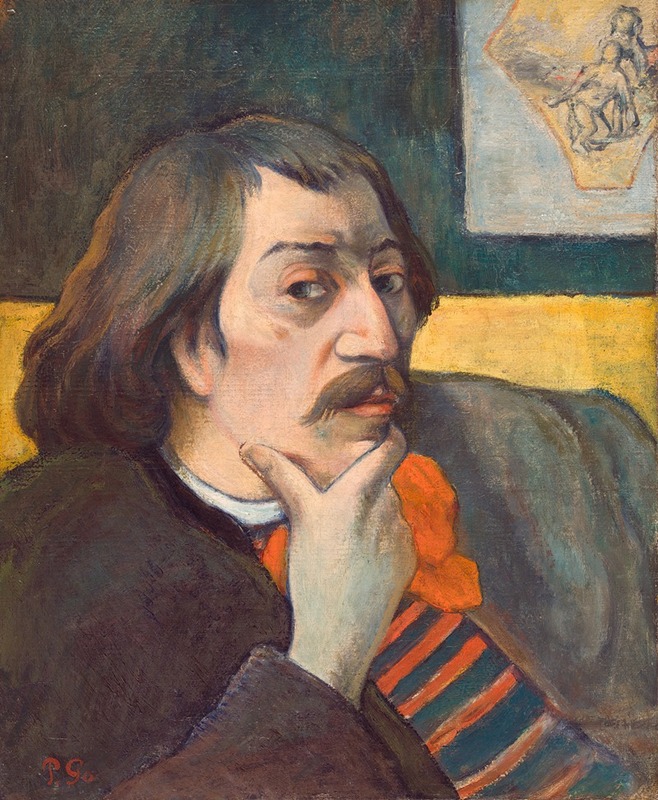
Self Portrait
Paul Gauguin
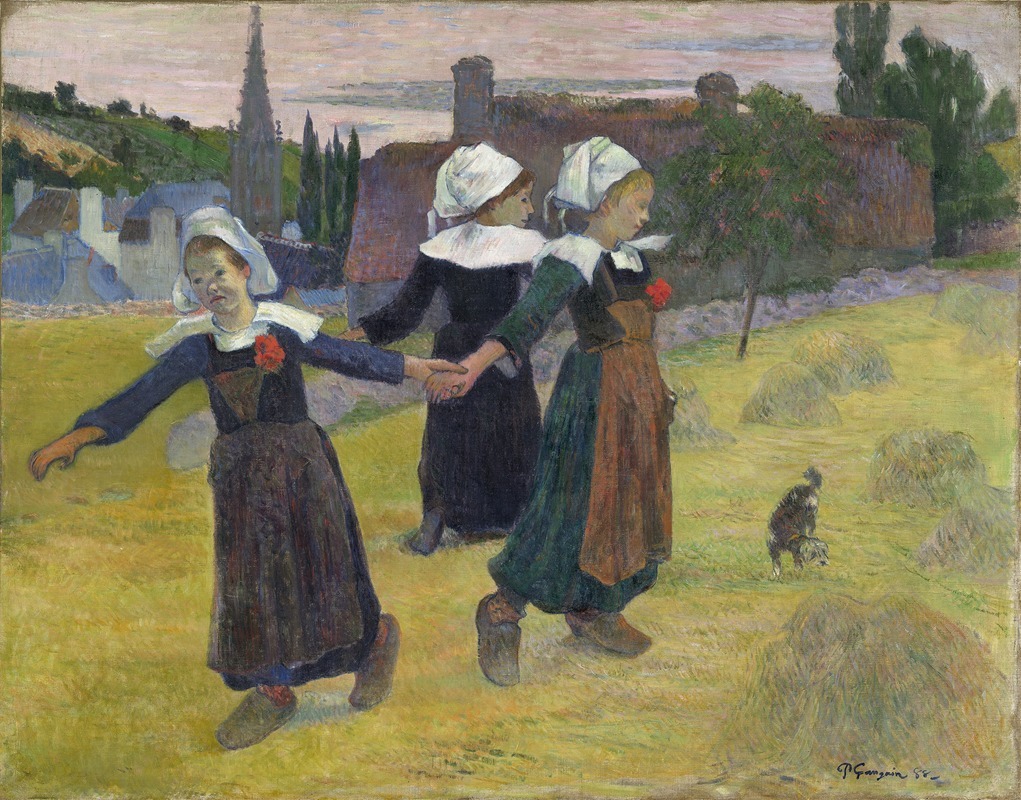
Breton Girls Dancing,Pont-Aven
Paul Gauguin
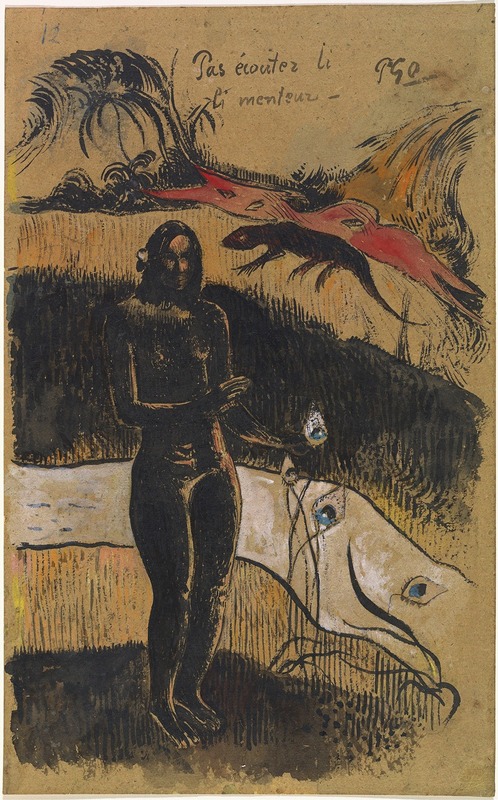
Nave Nave Fenua
Paul Gauguin
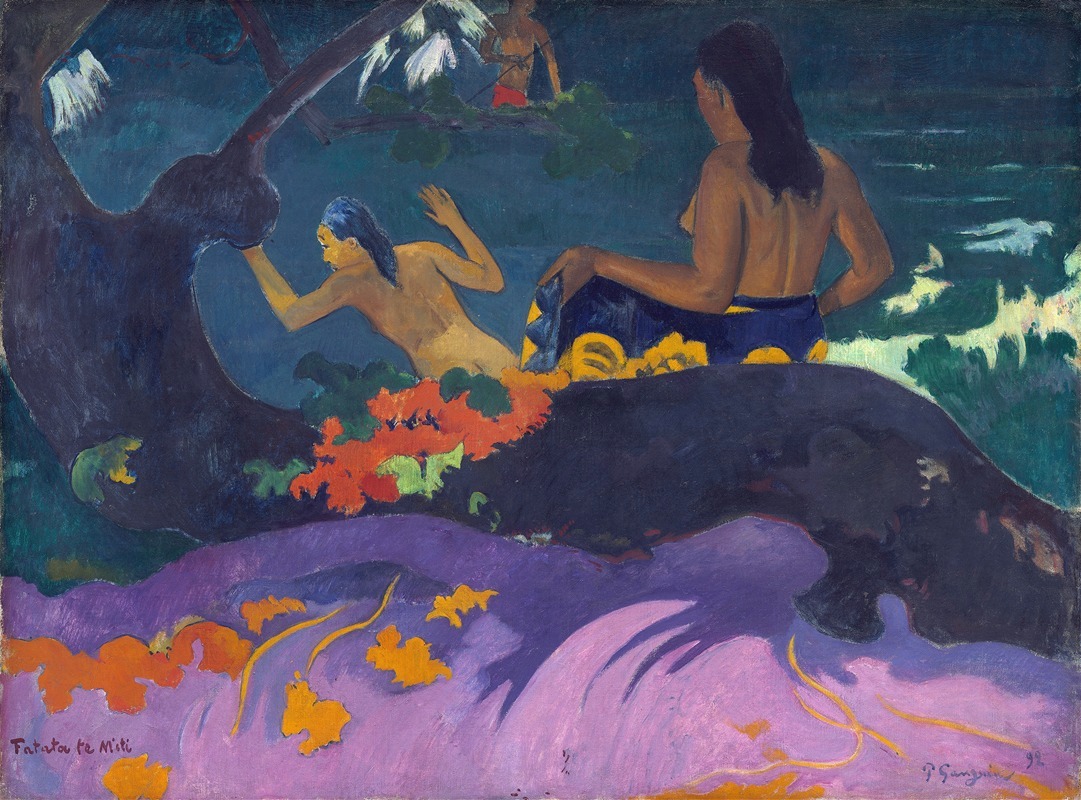
Fatata te Miti (By the Sea)
Paul Gauguin
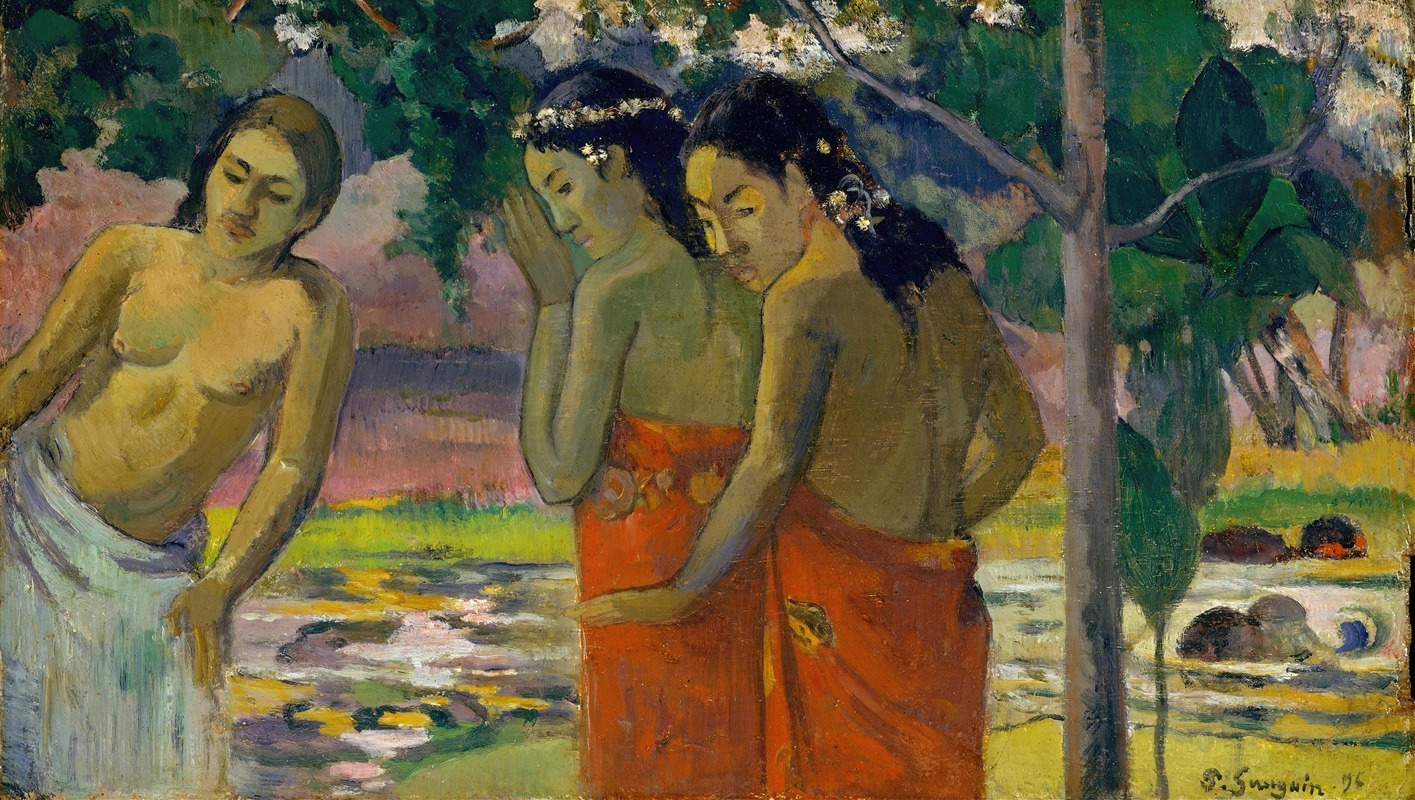
Three Tahitian Women
Paul Gauguin
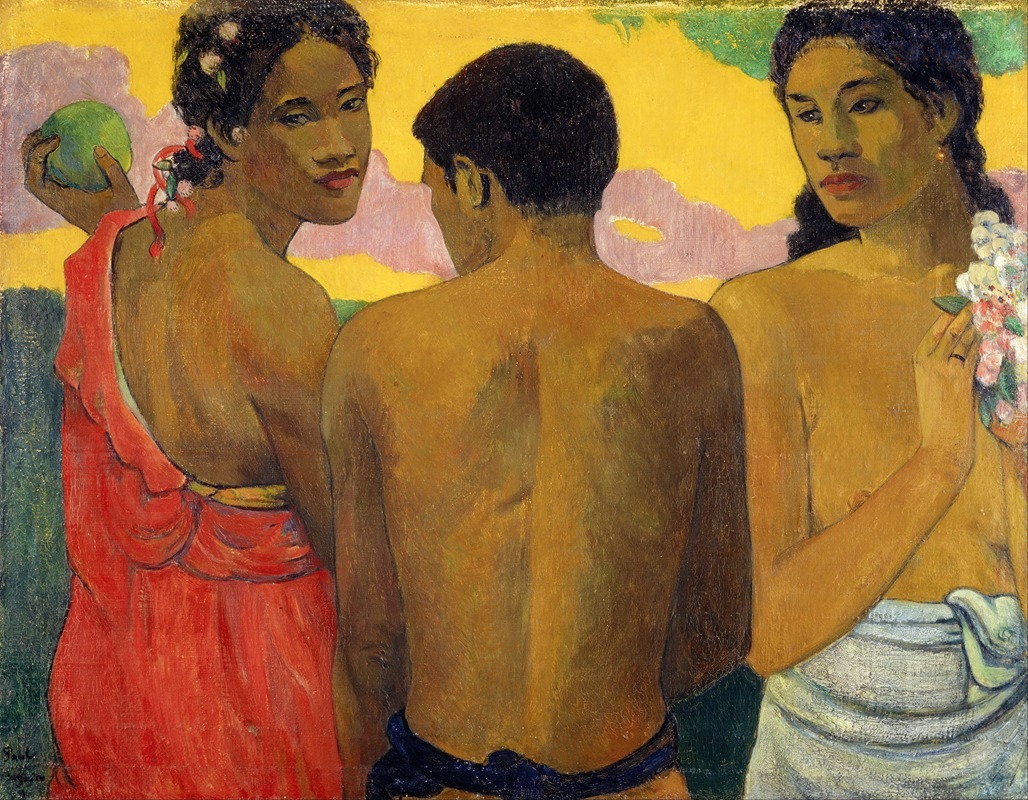
Three Tahitians
Paul Gauguin
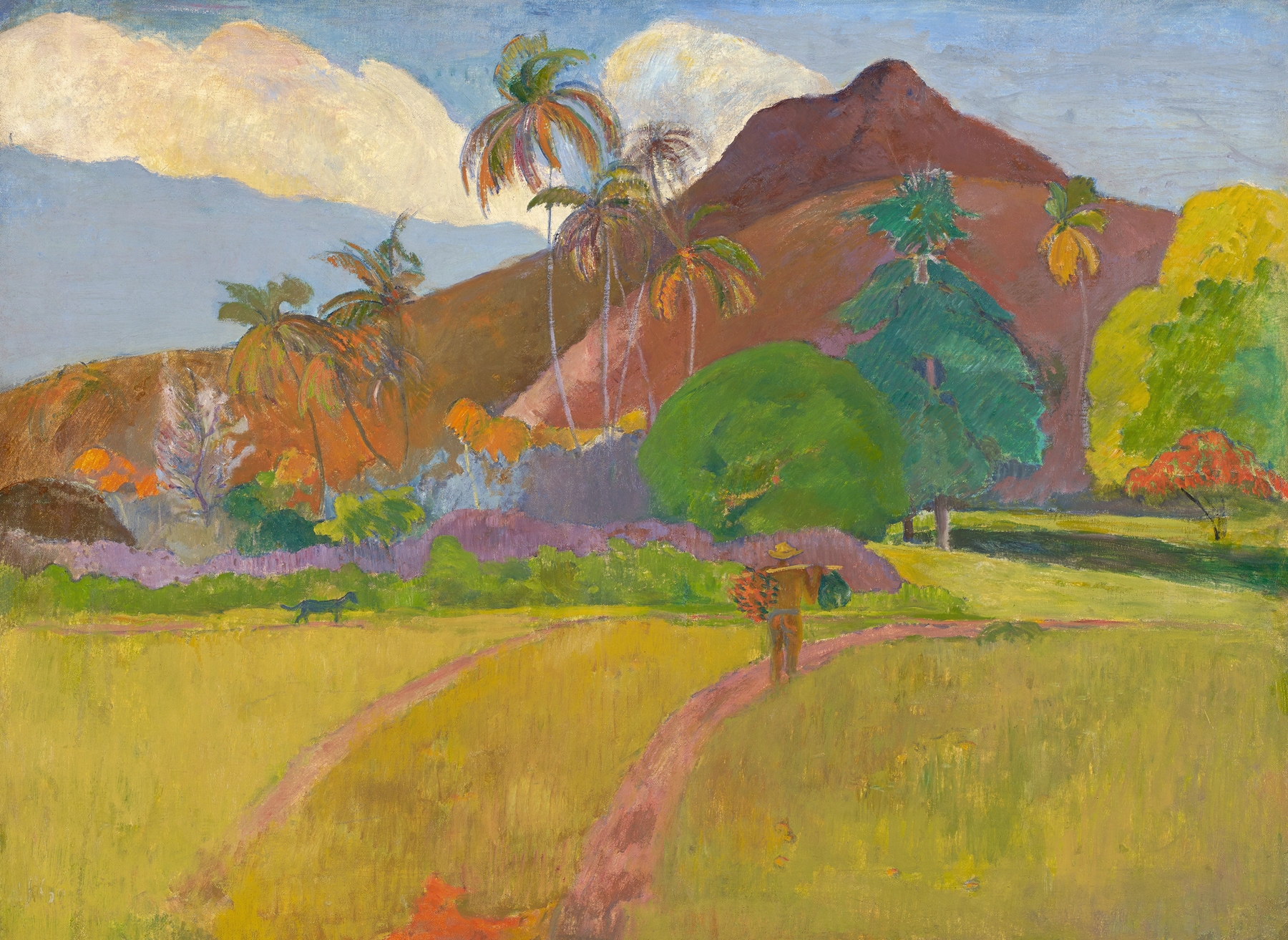
Tahitian Landscape
Paul Gauguin
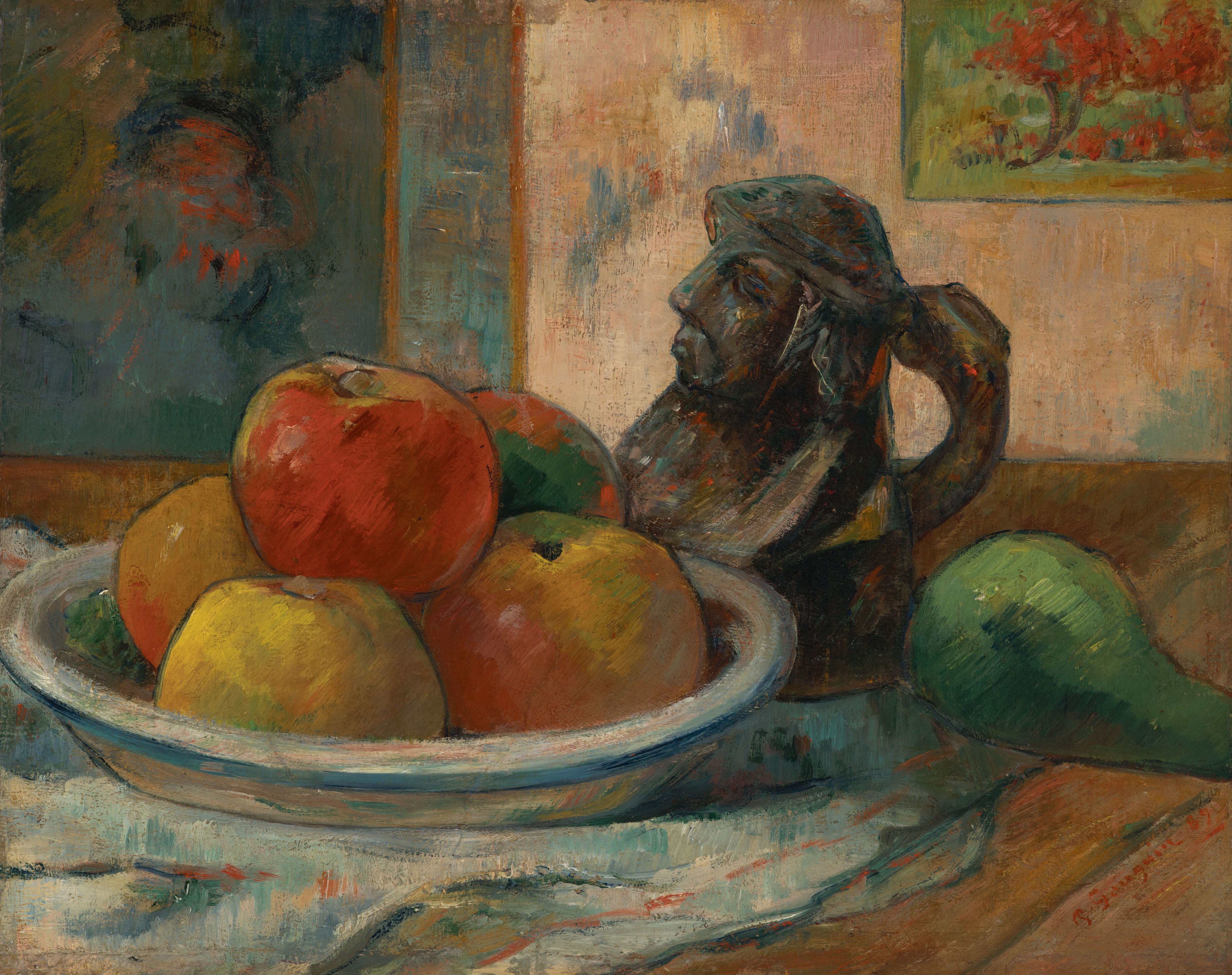
Still Life with Apples, a Pear, and a Ceramic Portrait Jug
Paul Gauguin
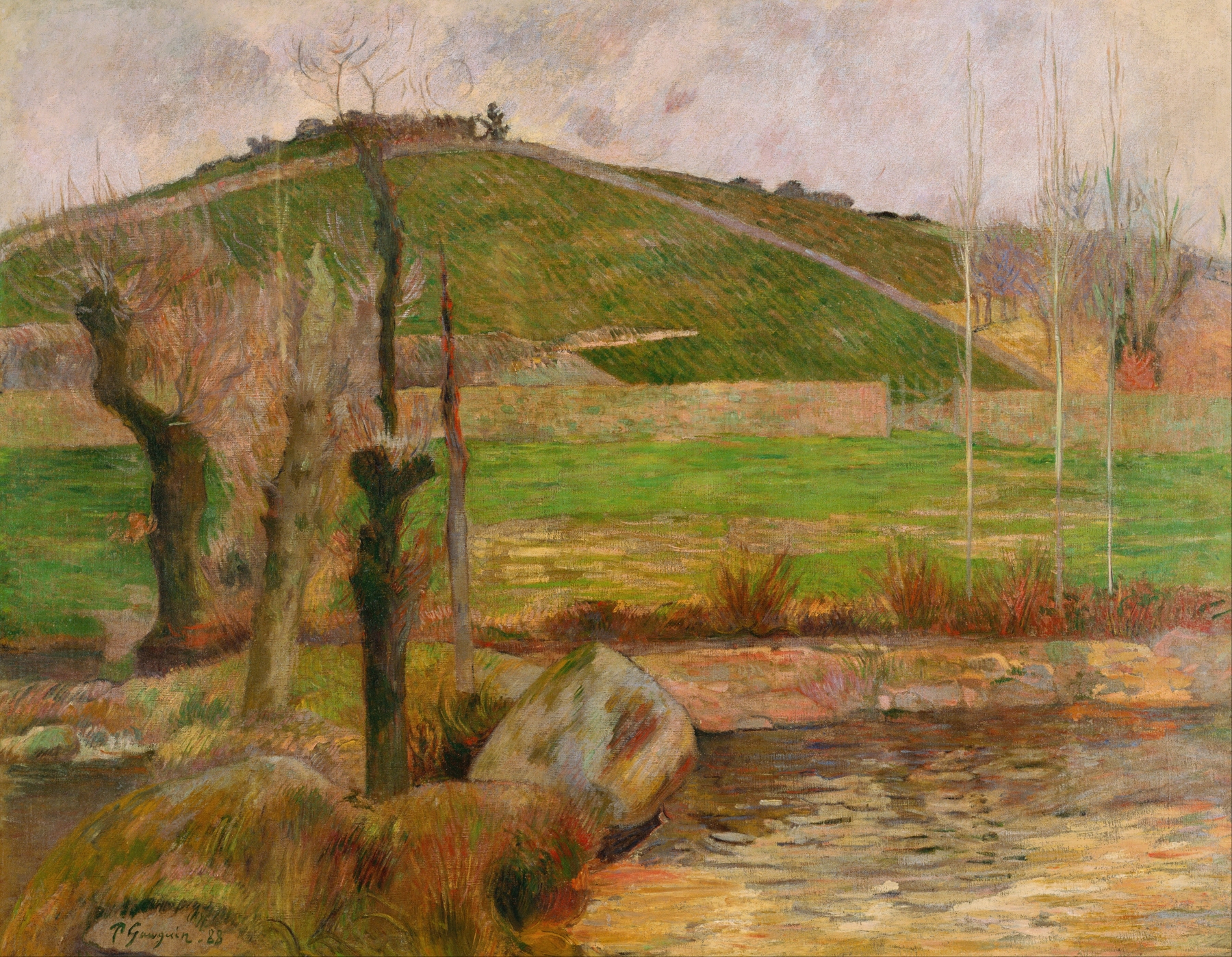
Landscape near Pont-Aven
Paul Gauguin

No te aha oe riri (Why Are You Angry?)
Paul Gauguin