
Taishobashi bridge — History & Facts
What secret hides in the quiet of the canvas? A dreamscape unfolds in the delicate strokes and muted tones that invite us to pause and reflect. Focus on the serene waters below the Taishobashi bridge, where soft ripples distort the world above. Notice how the gentle use of blues and greens creates a soothing ambiance, while the angular outlines of the bridge form a contrasting strength. The artist's technique of layering colors suggests depth, allowing the viewer’s gaze to wander as the light dances upon the water’s surface, creating a dialogue between movement and stillness. The bridge itself, a symbol of connection, stands resolutely, yet the surrounding environment evokes a sense of isolation.
The sparse trees lining the banks whisper of solitude, while the tranquil water reflects not just the sky but the hidden emotions of the scene. This interplay of barriers and openness hints at deeper narratives—perhaps of longing, separation, or the fleeting nature of dreams. Each element contributes to a feeling of contemplative quietude, as if the canvas holds the breath of unspoken thoughts. Created in 1947, during a time of post-war recovery in Japan, the artist painted this work reflecting a society grappling with change and introspection.
Akamatsu Rinsaku, influenced by the shifting dynamics of traditional and modern aesthetics, sought to capture the essence of tranquility amid chaos. His exploration of landscape and emotion resonates with viewers, grounding them in a moment of stillness that feels both personal and universal.
More Artworks by Akamatsu Rinsaku
Browse all →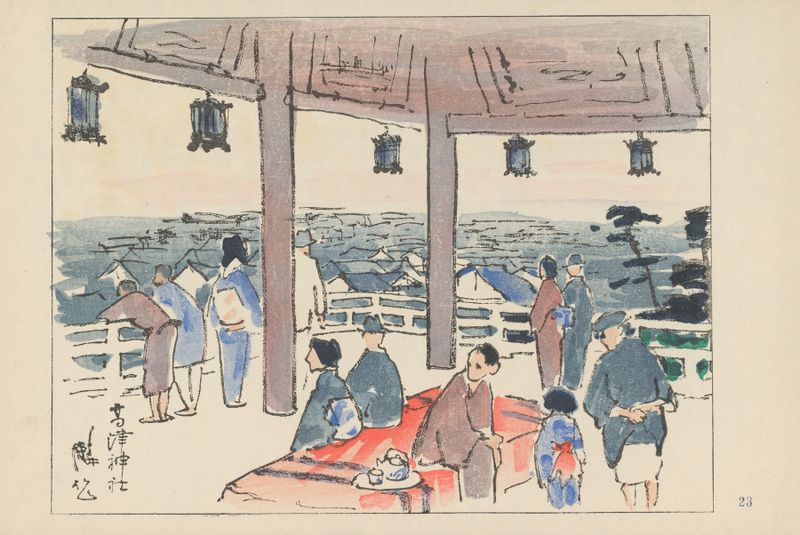
Kozu shrine dedicated to Nintoku Emperor
Akamatsu Rinsaku
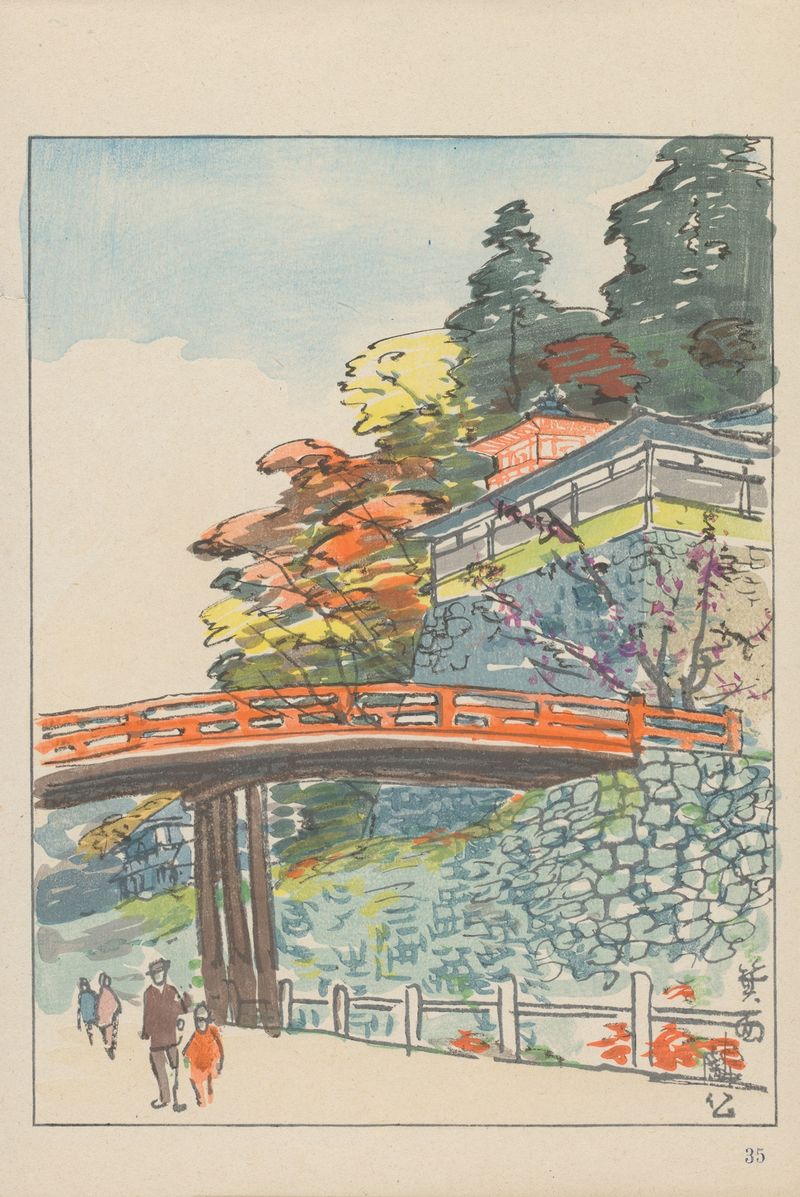
Minoo, National Park
Akamatsu Rinsaku
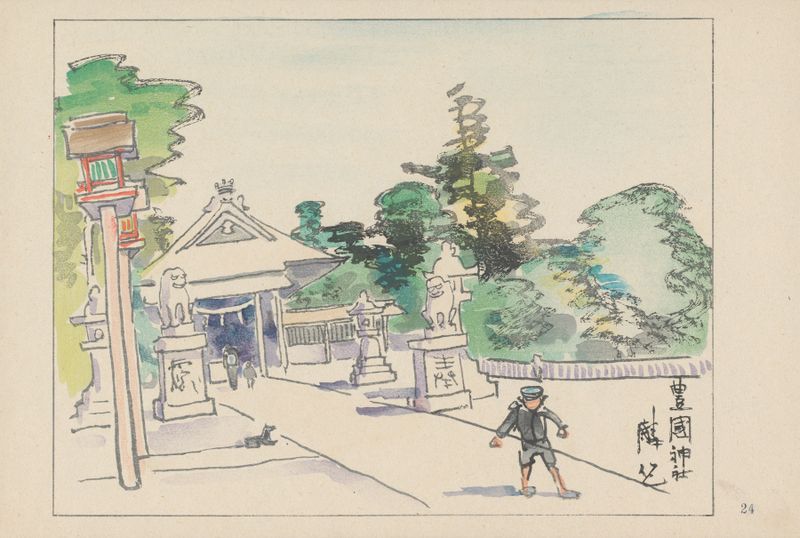
Toyokuni shrine dedicated to Toyotomi Hideyoshi
Akamatsu Rinsaku

Tsumura betsuin, the agency of Nishi-honganji
Akamatsu Rinsaku
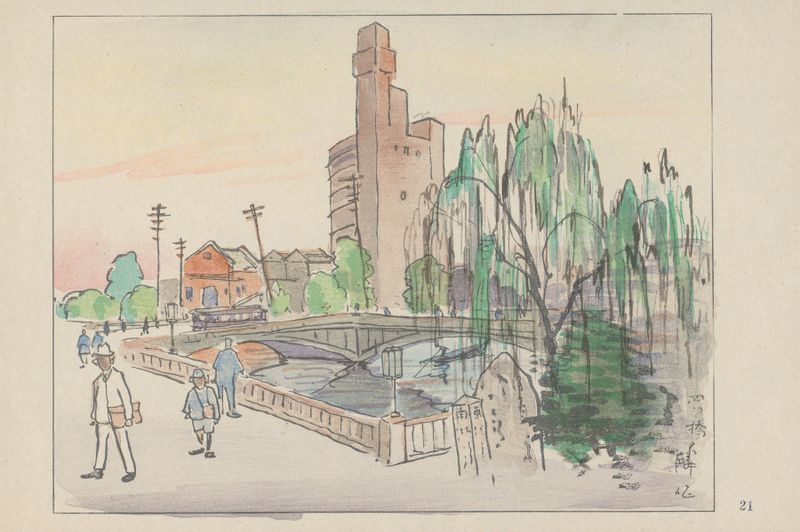
Yotsubashi, four joint bridges
Akamatsu Rinsaku
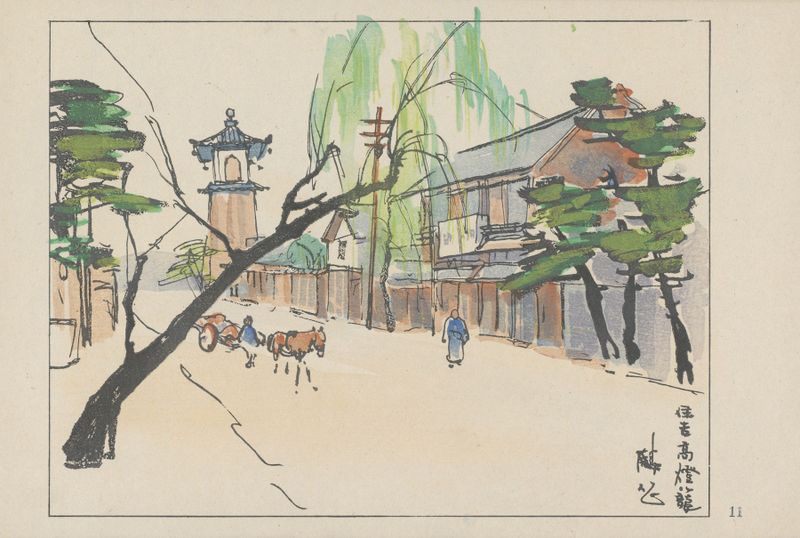
The high lanton at Sumiyoshi, a light house in older time
Akamatsu Rinsaku
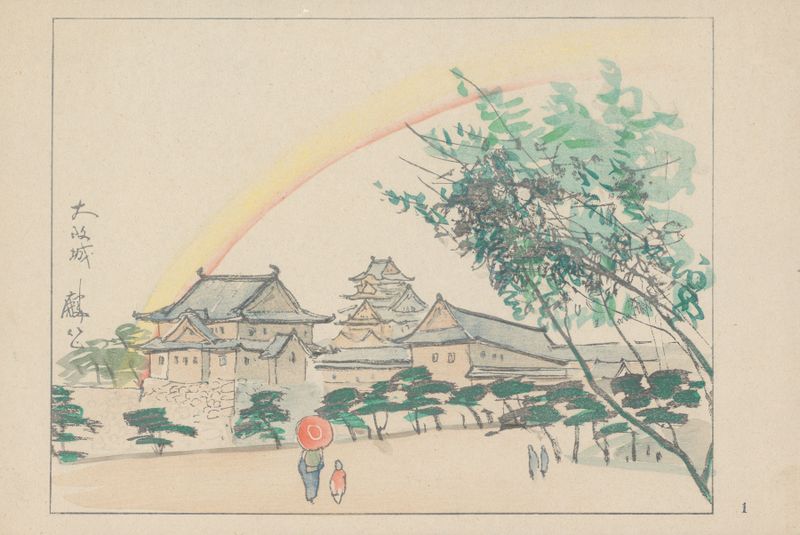
Osaka Castle, built by Toyotomi Hideyoshi in 1585 A.D
Akamatsu Rinsaku
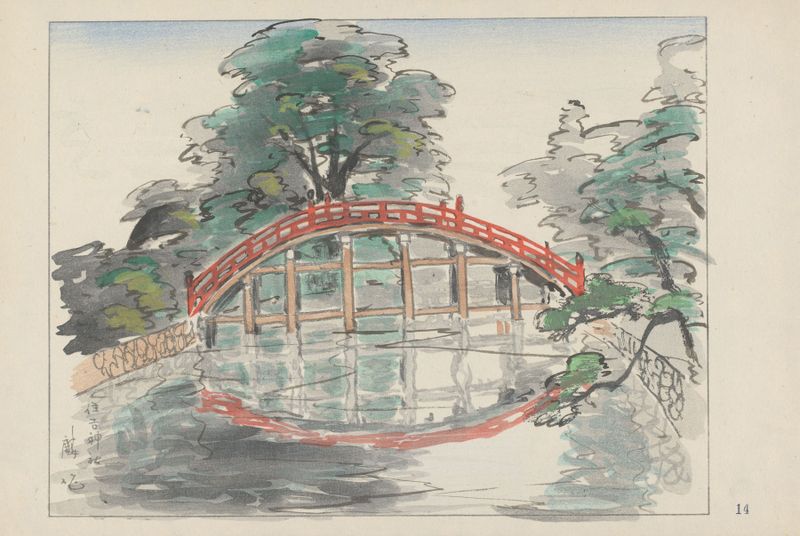
Sumiyoshi Shinto shrine
Akamatsu Rinsaku
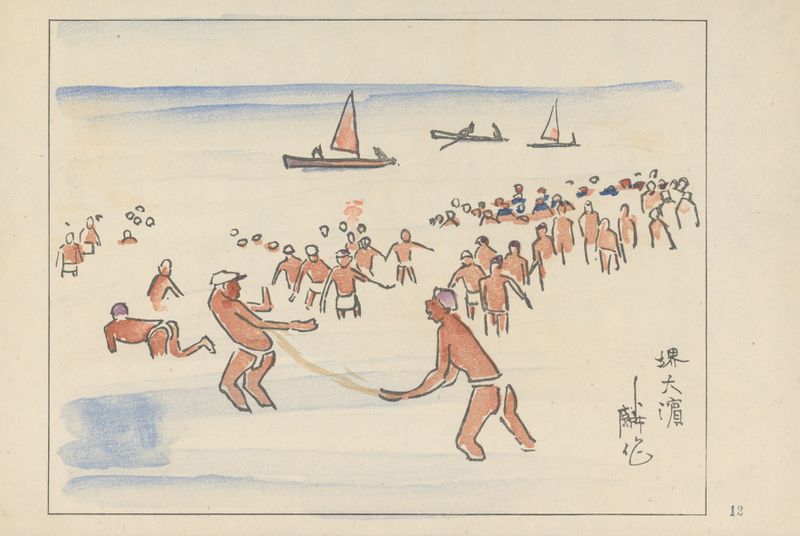
Sakai Ohama, swiming beach
Akamatsu Rinsaku

Kawaguchi, the estuary of Yodo river
Akamatsu Rinsaku





