
Tangiers — History & Facts
In Tangiers, Hercules Brabazon Brabazon captures a vibrant landscape filled with rich colors. The scene is alive with lush greenery and the warm hues of the sky. The painting features a variety of figures, possibly locals, engaging in daily activities.
The setting suggests a lively atmosphere typical of Tangiers. The painting is characterized by its use of oil on canvas, allowing for a rich texture and depth. Viewers can observe the artist's brushwork, which adds movement to the foliage and the sky. The colors are bright and varied, creating a sense of warmth and vibrancy.
This technique is typical of the Romantic style, emphasizing emotion and nature. Hercules Brabazon Brabazon was known for his landscapes, often inspired by his travels. This particular work reflects his fascination with the North African scenery. An interesting fact about Tangiers is that it showcases Brabazon's ability to blend realism with a romanticized view of the landscape.
His works often evoke a sense of place and time, making them significant in the study of 19th-century art.
More Artworks by Hercules Brabazon Brabazon

Portrait of a Woman
Hercules Brabazon Brabazon
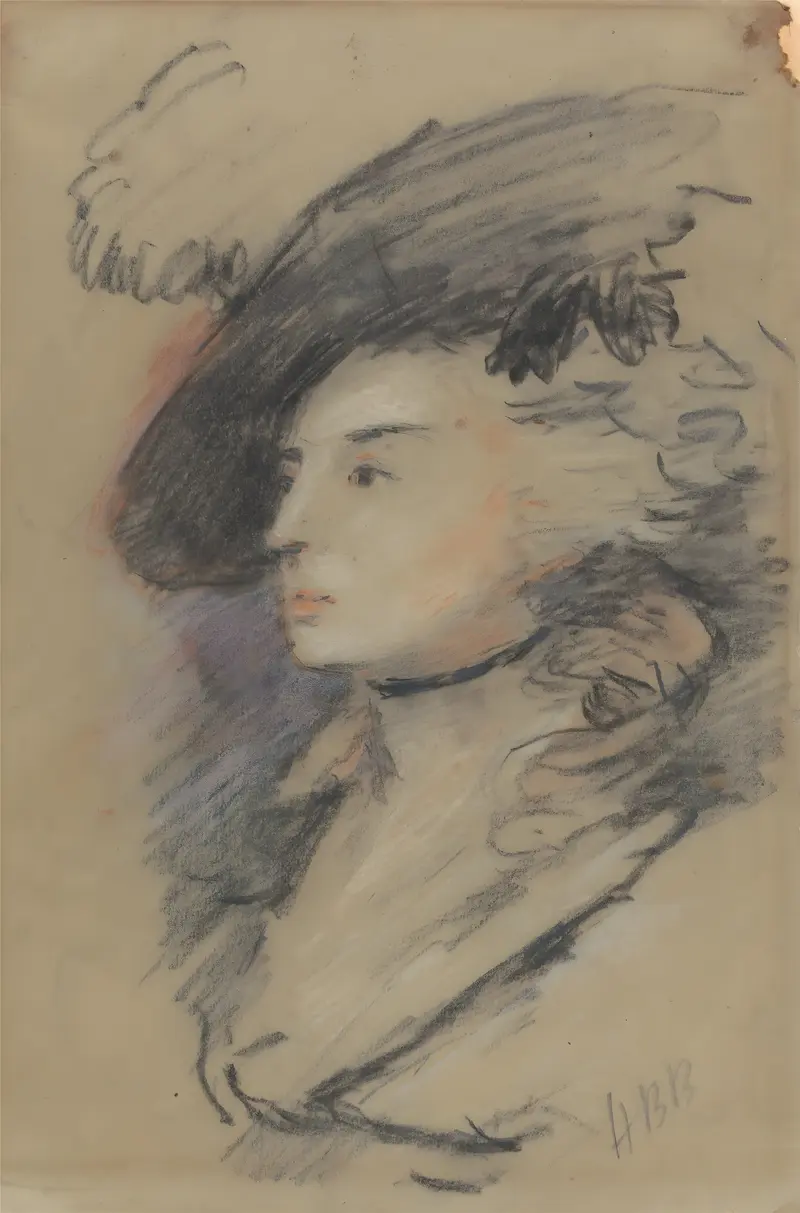
Mrs. Siddons
Hercules Brabazon Brabazon
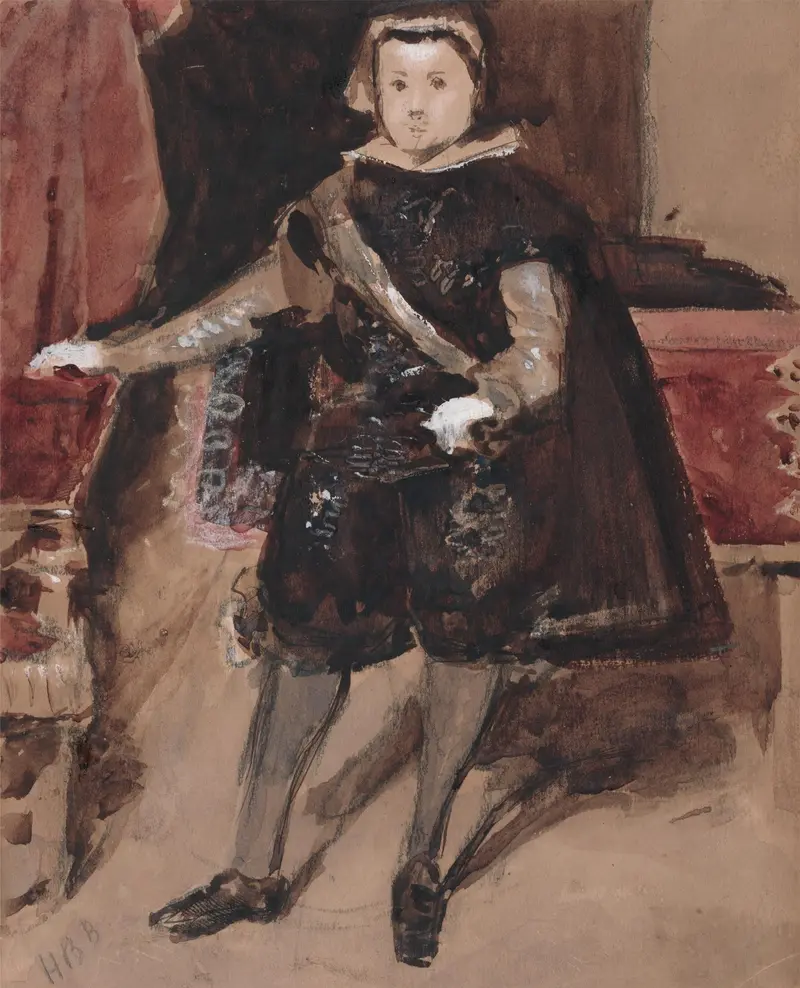
The Infant Balthasar Carlos
Hercules Brabazon Brabazon
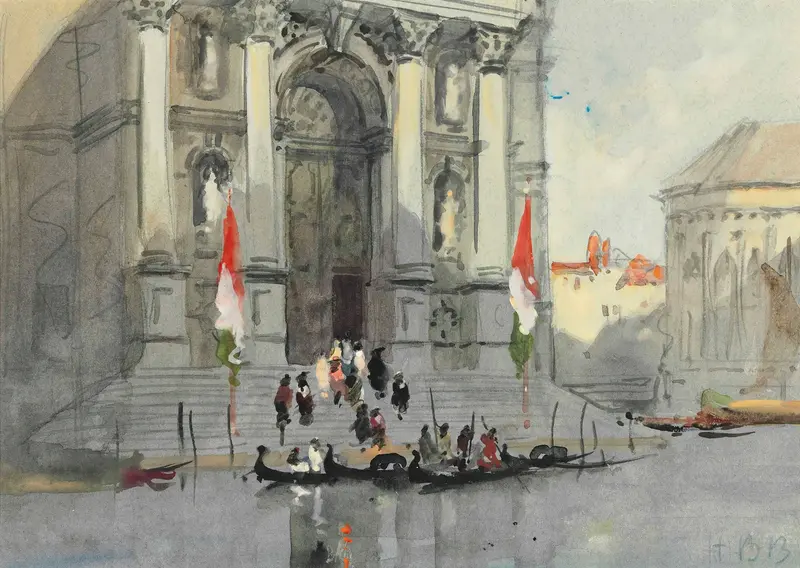
Santa Maria della Salute, Venice
Hercules Brabazon Brabazon
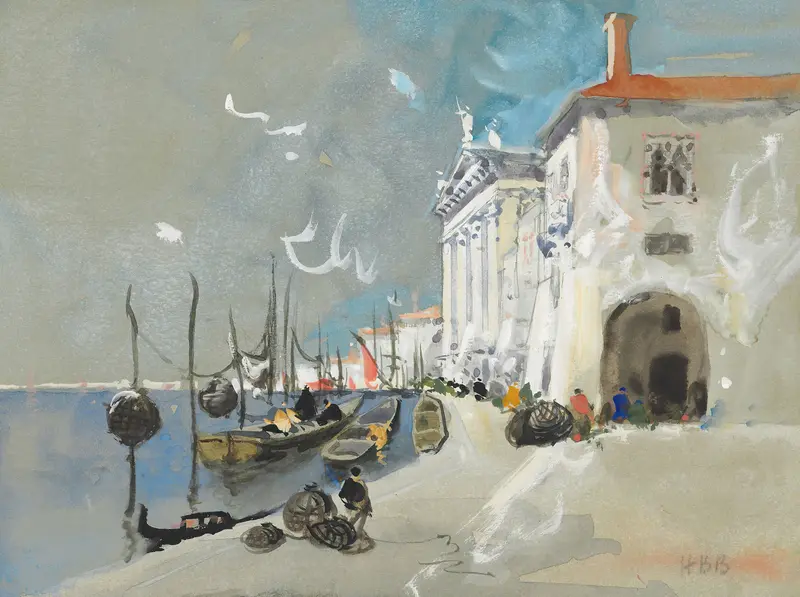
Fish baskets, Chioggia, south of Venice
Hercules Brabazon Brabazon
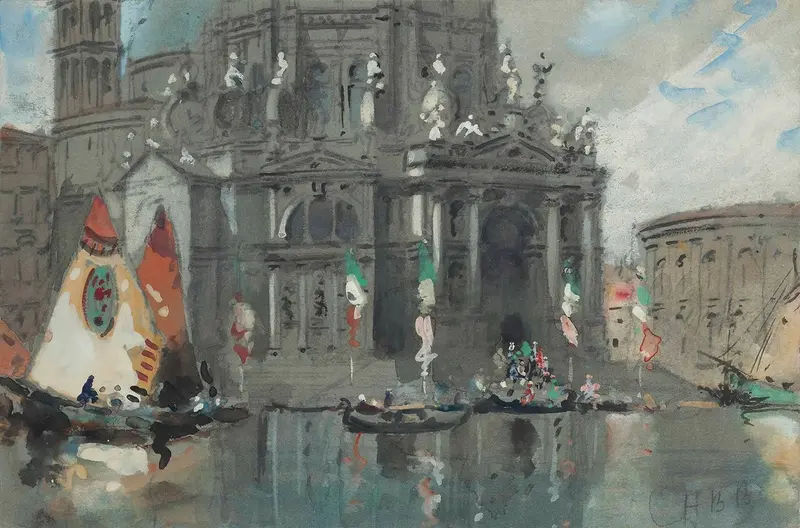
Santa Maria Della Salute, Venice
Hercules Brabazon Brabazon
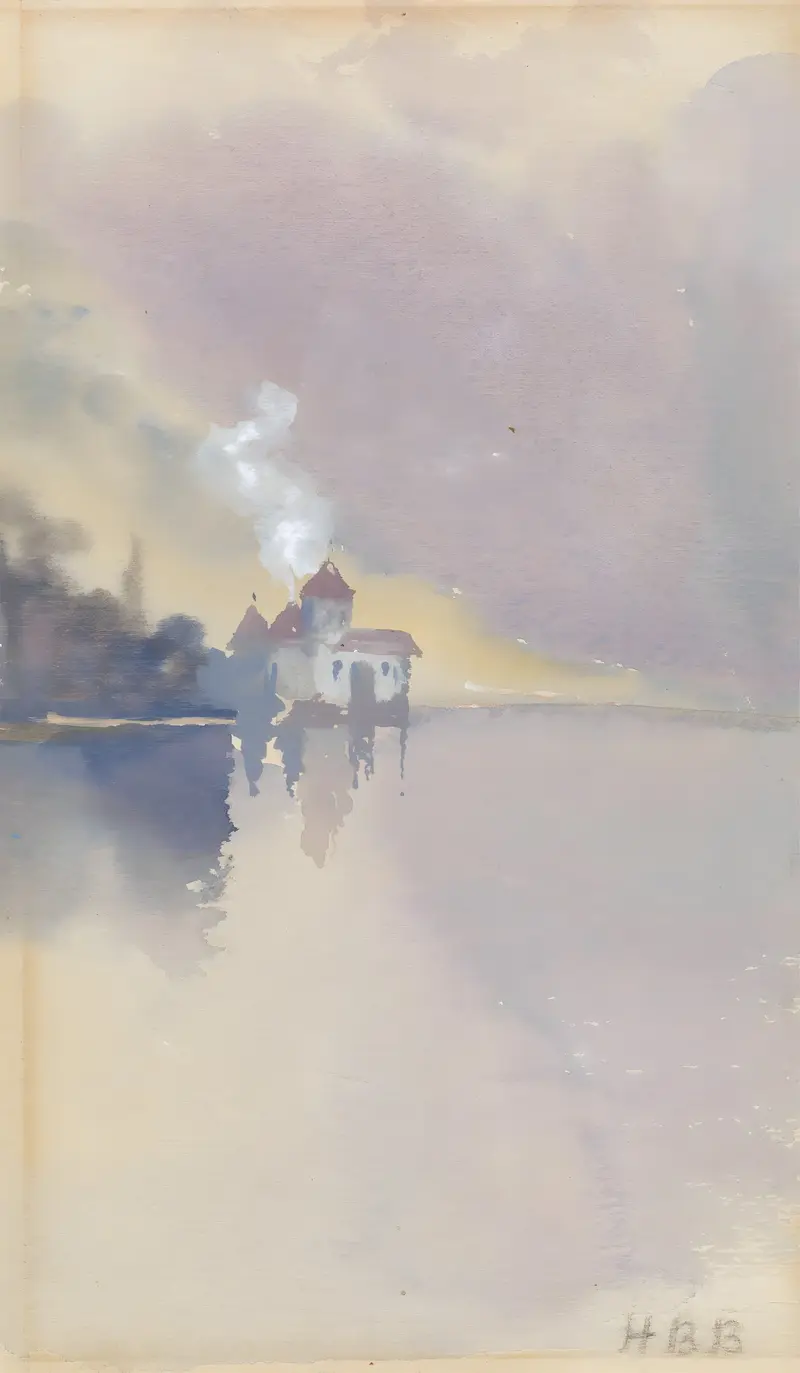
Château de Chillon
Hercules Brabazon Brabazon
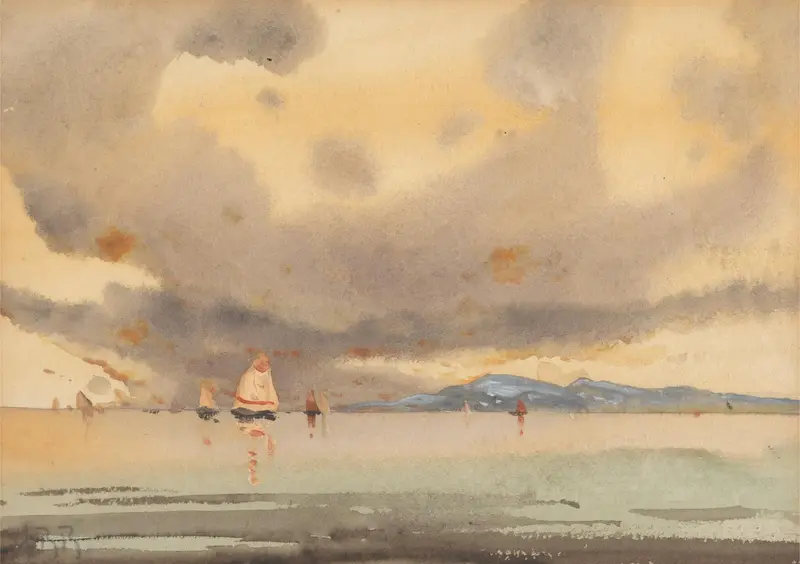
Euganian Hills from the Lagoon — Low Tide
Hercules Brabazon Brabazon
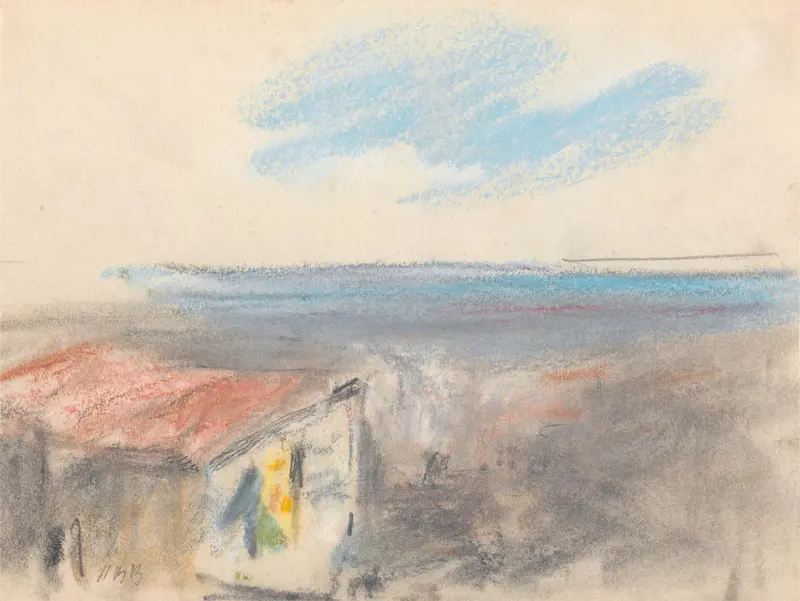
Landscape with Blue Cloud
Hercules Brabazon Brabazon
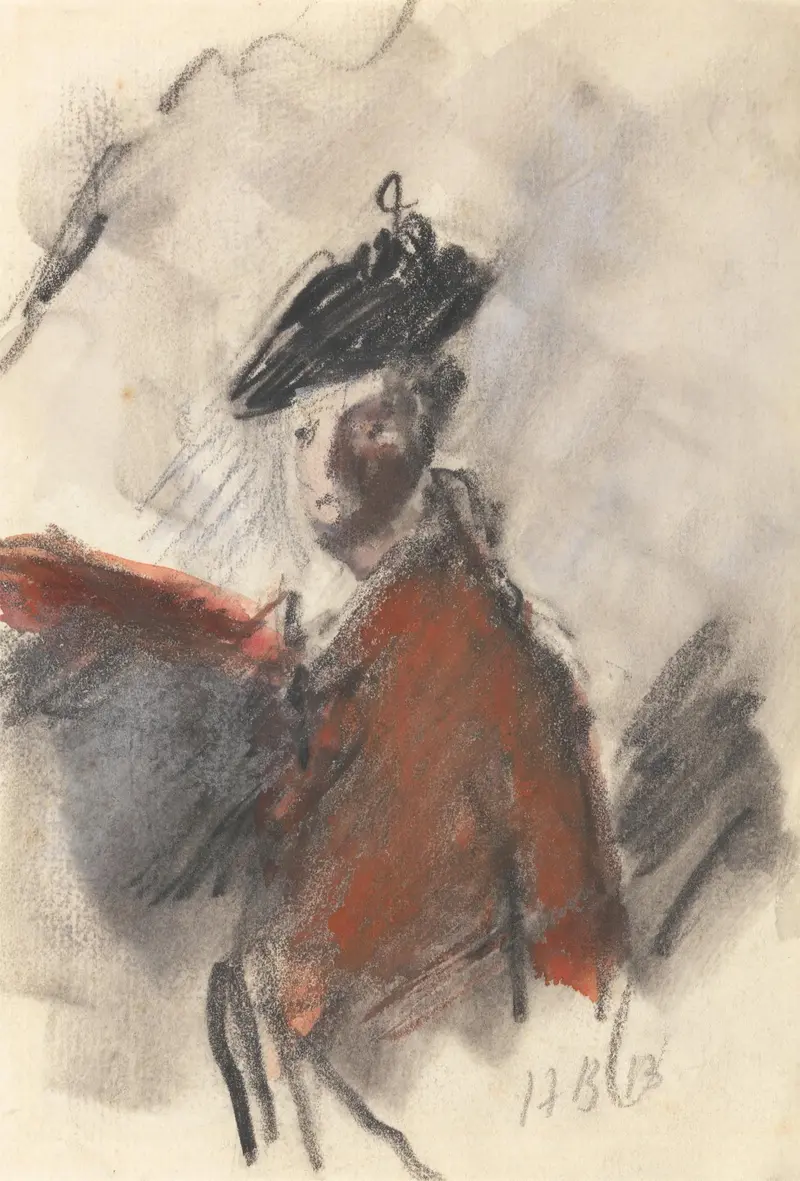
Study after Joshua Reynolds’s Portrait of Cornet Nehemiah Winter, 11th Dragoons
Hercules Brabazon Brabazon
More Landscape Art

The Starry Night
Vincent van Gogh

View of Delft
Johannes Vermeer

Water Lilies
Claude Monet

The Grand Canal, Venice, looking north-west from the Ca' Corner to the Ca' Contarini degli Scrigni, with the campanile of Santa Maria della Carità
Canaletto

Windsor Castle
Canaletto

The Grand Canal looking North-East from the Palazzo Dolfin-Manin to the Rialto Bridge
Canaletto