Tatra Mountains – view of Giewont — History & Facts
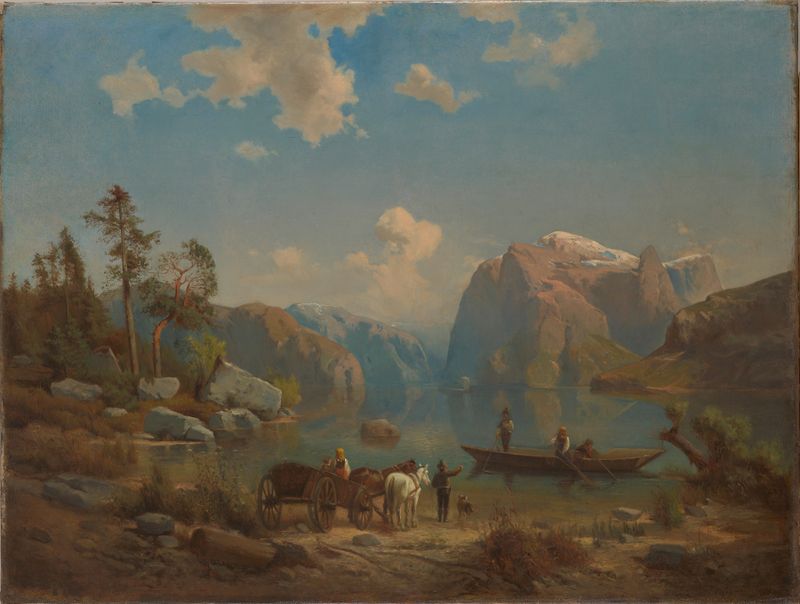
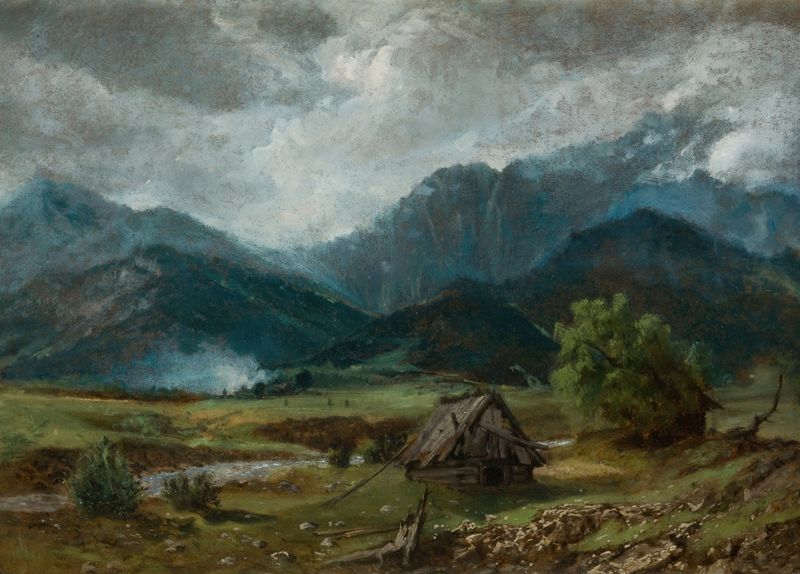
Is this a mirror — or a memory? The echo of the majestic Tatra Mountains reflects a deep sense of rebirth, inviting viewers to ponder the relationship between nature and human experience. Focus on the sweeping view of the landscape; your eyes should first be drawn to the imposing silhouette of Giewont rising majestically against the sky. The artist employs a muted palette of greens and browns, allowing the rocky outcrop to command attention through its stark contrast with the softer hues of the valley below. Notice how the light gently caresses the mountain peaks, imparting an ethereal glow that evokes both reverence and tranquility. Delve deeper into the work and you'll sense a palpable tension between strength and fragility.
The towering mountain, a symbol of permanence, stands sentinel over the fleeting elements of nature that surround it—trees swaying softly in the breeze, clouds drifting lazily above. This juxtaposition speaks to a cycle of rebirth; the landscape transforms with each season, yet the mountain remains steadfast, embodying the resilience of life amidst change. In the 1870s, the artist was immersed in Poland's burgeoning national identity and a renewed appreciation for its natural landscapes. Painting from his home in Kraków, Kotsis sought to capture not just the beauty of the Tatra Mountains but their profound significance in Polish culture.
This piece reflects the Romantic idealism of the time, a moment when artists began to explore the emotional connections between people and the environments they inhabit.