Tavern in New Boston, Vermont — History & Facts
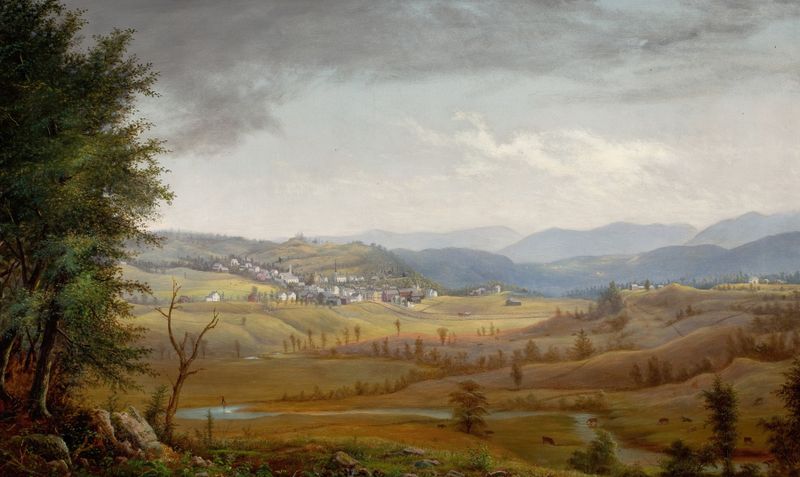
Did the painter know this moment would outlive them? The fleeting essence of life captured within the walls of a tavern, a sanctuary where stories intertwine and echoes of laughter linger in the air. Look to the center of the canvas, where the warm glow of candlelight dances, illuminating the faces filled with a mix of camaraderie and contemplation. Notice how the figures are arranged: clusters of patrons sharing animated conversations, their gestures animated yet intimate. The rich palette of earthy tones juxtaposed with vibrant highlights creates a sense of warmth, inviting viewers into this lively scene, while the soft brushstrokes evoke an atmosphere both vivid and nostalgic. In the shadows of this bustling tavern, emotional tensions arise.
The solitary figure at the corner, half-obscured, suggests isolation amid friendship, a poignant reminder that community can harbor solitude. Additionally, the contrast between the flickering warmth of the tavern and the cool, darkness outside hints at the transient nature of life and the illusion of safety found within these walls. Each detail, from the worn wooden tables to the rustic décor, speaks of history and the passage of time, suggesting that every gathering is both fleeting and eternal. James Hope created this work in 1855, during a period of artistic exploration in America as the burgeoning genre of American realism began to take shape.
Living in New York at the time, he was influenced by the Hudson River School and the growing appreciation for depictions of everyday life. Emerging from a backdrop of rapid industrialization, Tavern in New Boston, Vermont captures not just a moment in time for its subjects, but also reflects a collective experience in a nation grappling with its identity.