
Teignmouth, Devonshire — History & Facts
Where does light end, and longing begin? The shimmering interplay between sunlit water and shadowy coastlines dances in the viewer's mind, evoking a legacy that transcends time and tide. Focus on the luminous expanse of the sea, where Turner captures its undulating waves with swift, feathery brushstrokes. Notice how the horizon blends softly into the sky, a seamless transition of blues and golds that beckons the viewer to venture beyond the canvas. The distant silhouettes of ships and cliffs are mere whispers, hinting at stories untold, while the flickering light invites contemplation of nature's impermanence. The painting holds a tension between serenity and turmoil.
The warm hues of the sunset suggest an impending twilight, a bittersweet reflection on the passage of time. The scattered clouds above seem to echo this emotional dance, caught between the vibrancy of day and the encroaching shadows of night. Each element within the composition reveals a struggle between the ephemeral beauty of the moment and the weight of memory it leaves behind. In 1813, as Turner painted this scene in Teignmouth, he was at a pivotal point in his career, transitioning from traditional landscape to a more expressive and atmospheric style.
The world of art was experiencing shifts towards Romanticism, emphasizing emotion and the sublime. Turner, inspired by the raw beauty of the English coast, was beginning to establish his distinctive legacy, one that would influence generations and redefine the relationship between light and landscape.
More Artworks by Joseph Mallord William Turner
Browse all →
Dort or Dordrecht- The Dort Packet-Boat from Rotterdam Becalmed
Joseph Mallord William Turner
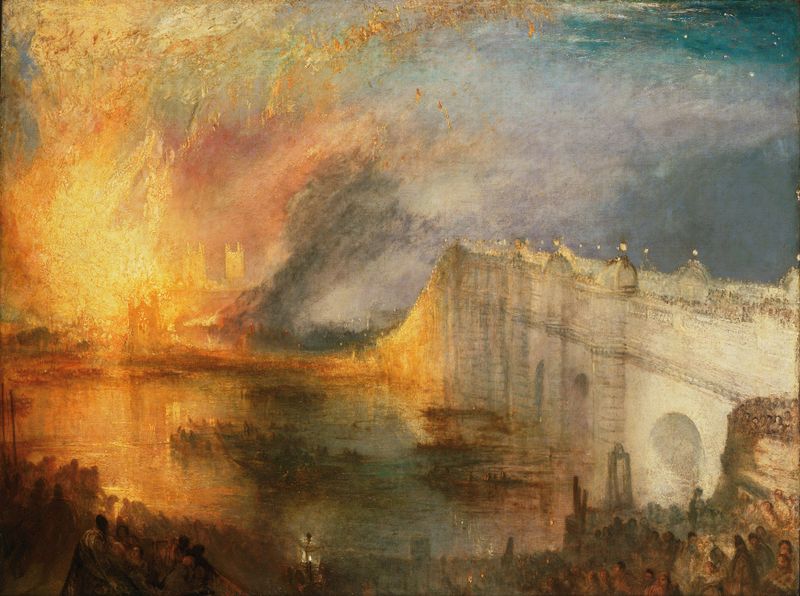
The Burning of the Houses of Lords and Commons, October 16, 1834
Joseph Mallord William Turner
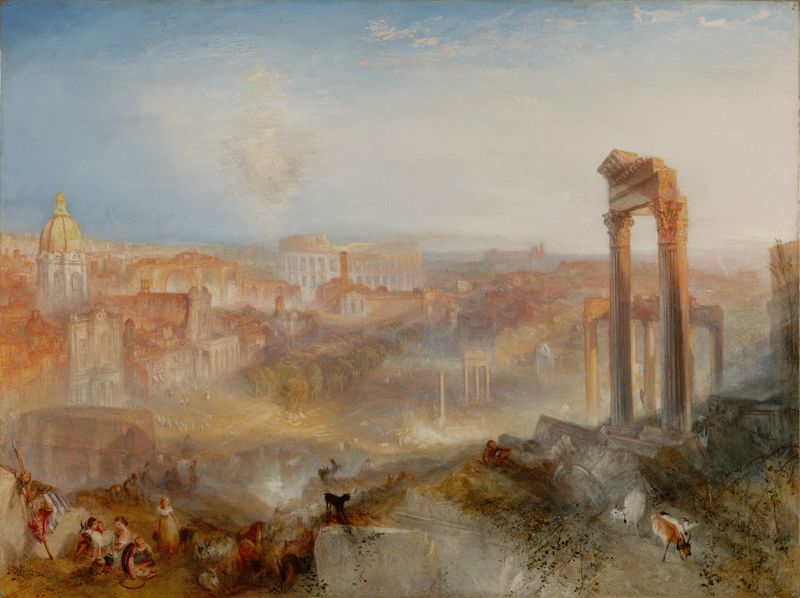
Modern Rome – Campo Vaccino
Joseph Mallord William Turner
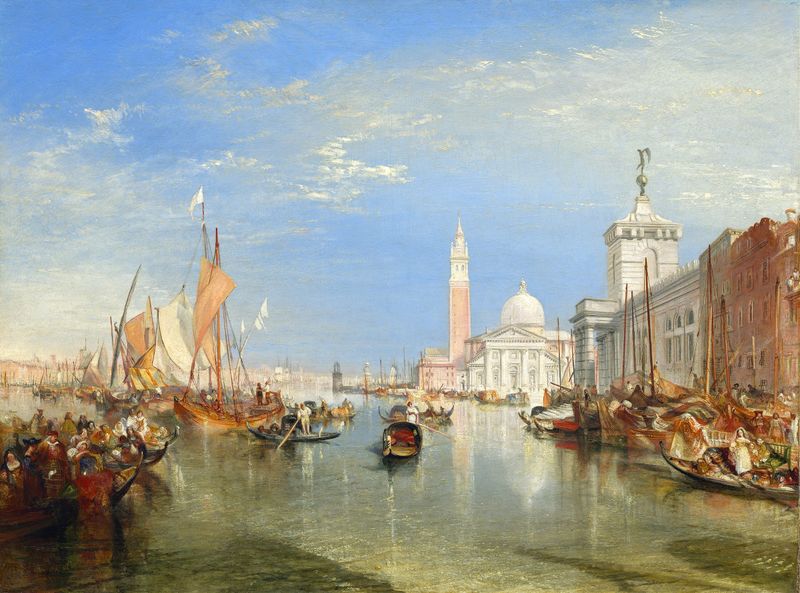
Venice – The Dogana and San Giorgio Maggiore
Joseph Mallord William Turner

The Burning of the Houses of Lords and Commons, 16 October 1834
Joseph Mallord William Turner
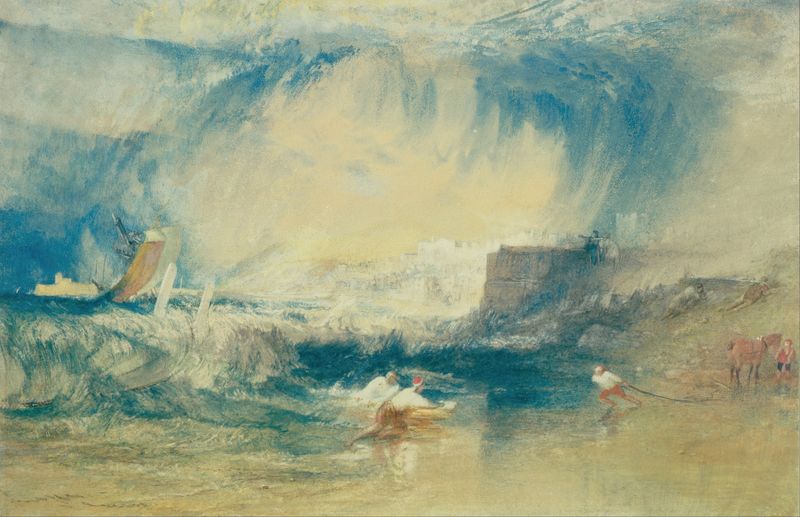
Lyme Regis, Dorsetshire, England
Joseph Mallord William Turner
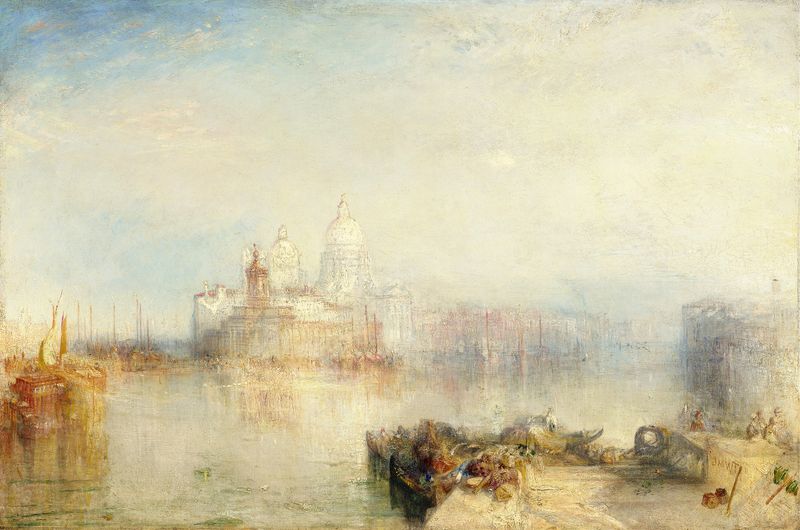
The Dogana and Santa Maria della Salute, Venice
Joseph Mallord William Turner
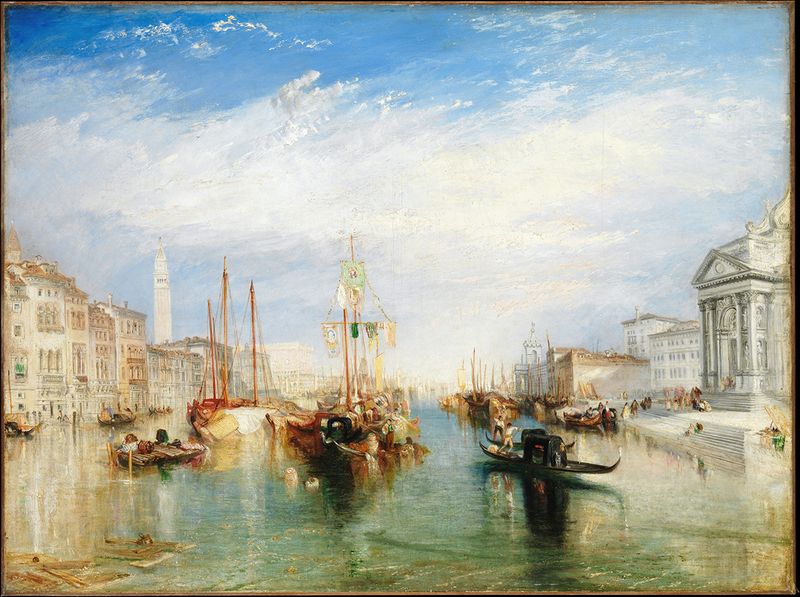
Venice, from the Porch of Madonna della Salute
Joseph Mallord William Turner
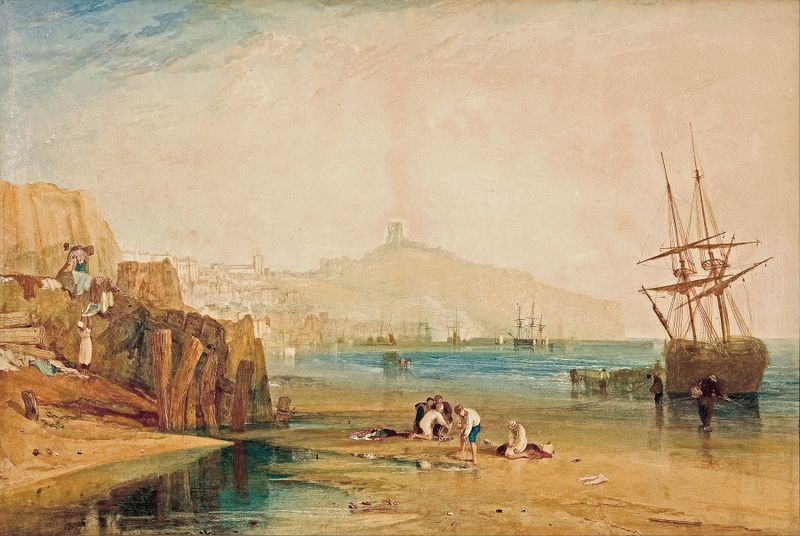
Scarborough town and castle; morning; boys catching crabs
Joseph Mallord William Turner
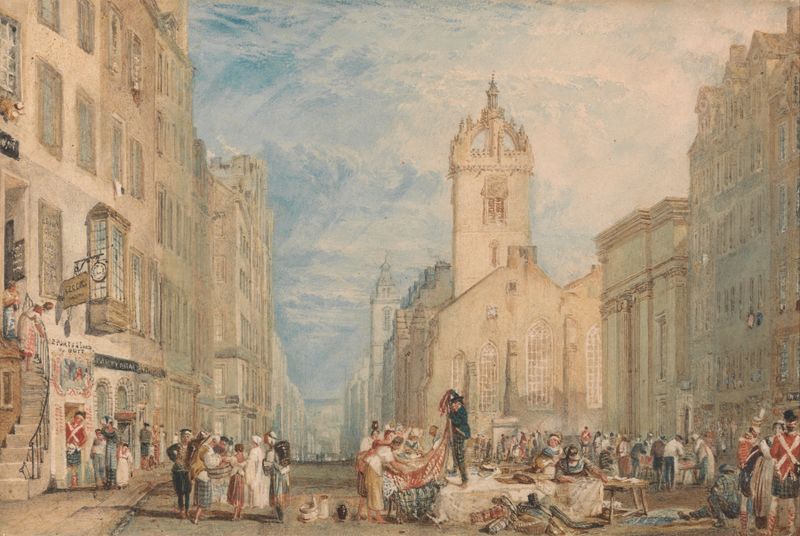
High Street, Edinburgh
Joseph Mallord William Turner




