
Temmangu shrine dedicated to Sugawara Michizane — History & Facts
Can paint confess what words never could? In the hushed reverence of this shrine, a story of betrayal and longing unfolds, whispering through the brushstrokes. Look closely at the intricate details in the architecture of the shrine, where the elegant wooden beams creak softly under the weight of history. The vibrant crimson and deep emerald hues invite the eye to explore a world filled with significance, each color reflecting the sacred nature of the space. Notice how the light filters through the delicate foliage, casting dappled shadows that dance upon the ground, echoing the transient beauty of life and loss. Here, the contrasts are palpable; the serenity of the shrine stands in stark opposition to the turmoil of human emotions.
The delicate blossoms framing the entrance, symbols of purity and renewal, juxtapose the weight of betrayal that lingers in the air. Each brushstroke carries the burden of a hidden narrative, where the beauty of the moment belies an undercurrent of sorrow—a testament to unfulfilled loyalty and the bittersweet memories of past connections. In 1947, Akamatsu Rinsaku created this work during a period of post-war introspection and renewal in Japan. The country was striving to rebuild itself, both physically and spiritually, while artists explored themes of tradition and change.
The shrine, dedicated to Sugawara Michizane, a figure of both reverence and exile, resonates with this duality, reflecting a time when the echoes of betrayal and resilience were deeply intertwined in the cultural consciousness.
More Artworks by Akamatsu Rinsaku
Browse all →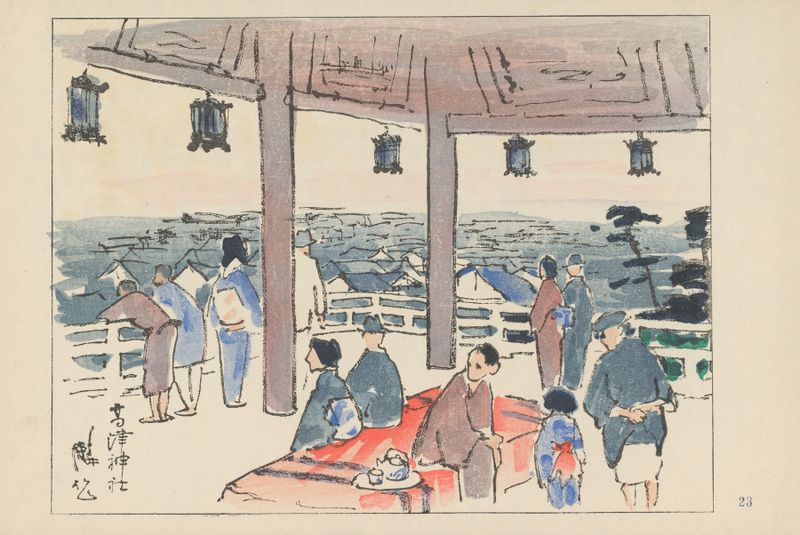
Kozu shrine dedicated to Nintoku Emperor
Akamatsu Rinsaku
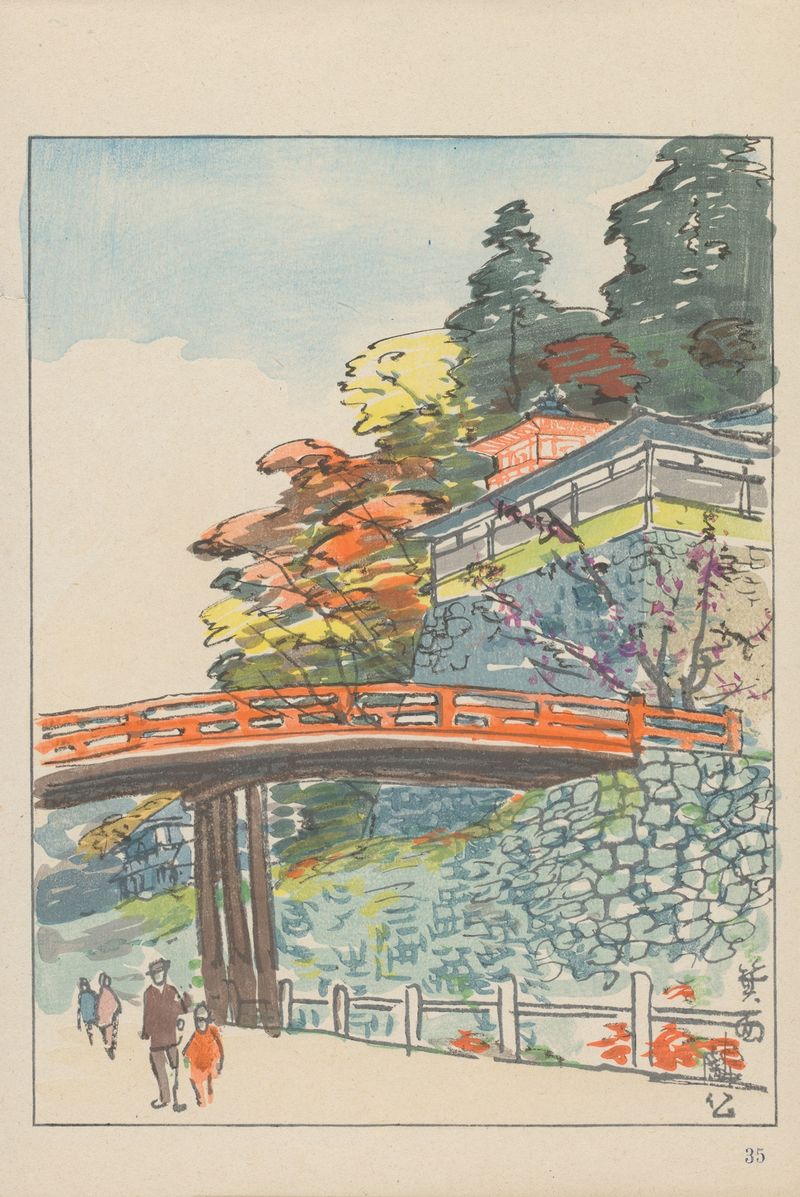
Minoo, National Park
Akamatsu Rinsaku
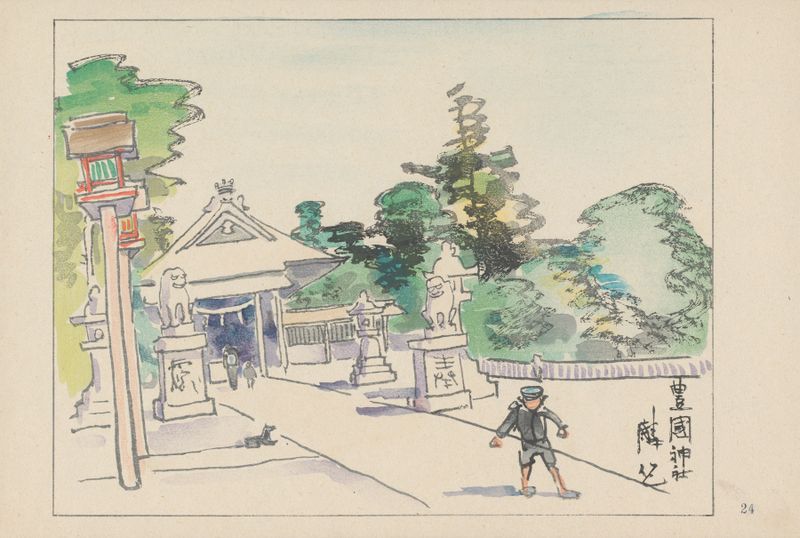
Toyokuni shrine dedicated to Toyotomi Hideyoshi
Akamatsu Rinsaku

Tsumura betsuin, the agency of Nishi-honganji
Akamatsu Rinsaku
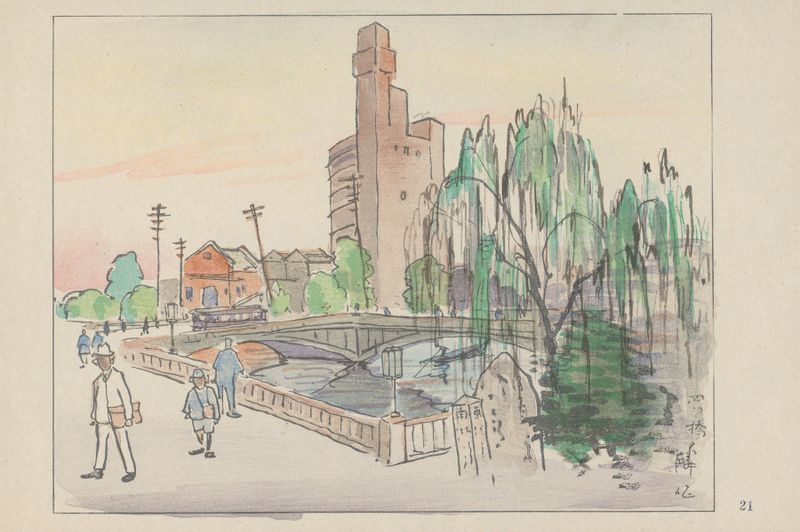
Yotsubashi, four joint bridges
Akamatsu Rinsaku
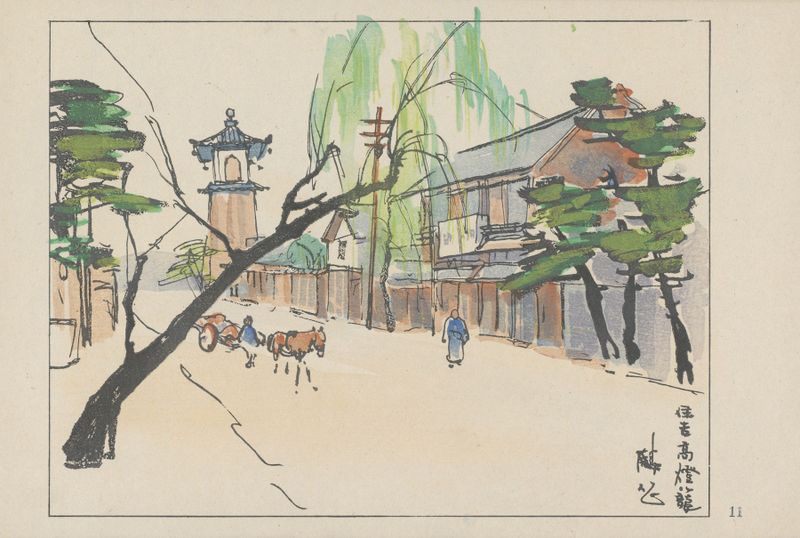
The high lanton at Sumiyoshi, a light house in older time
Akamatsu Rinsaku
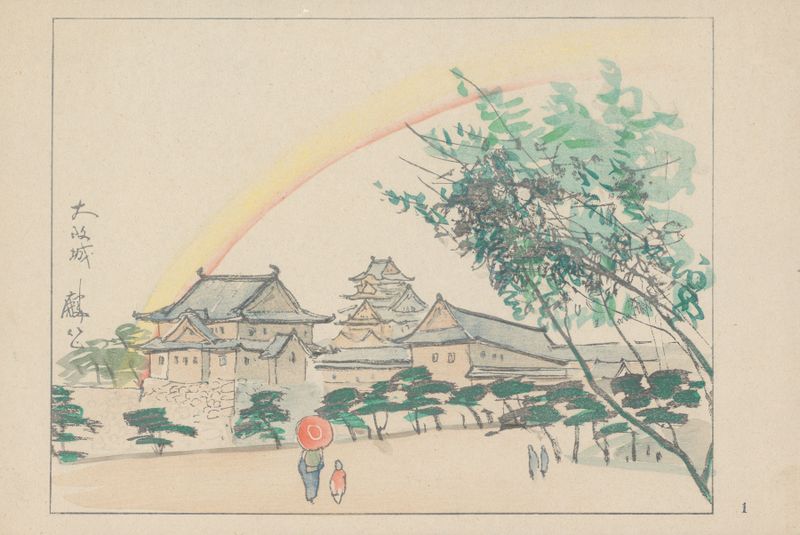
Osaka Castle, built by Toyotomi Hideyoshi in 1585 A.D
Akamatsu Rinsaku
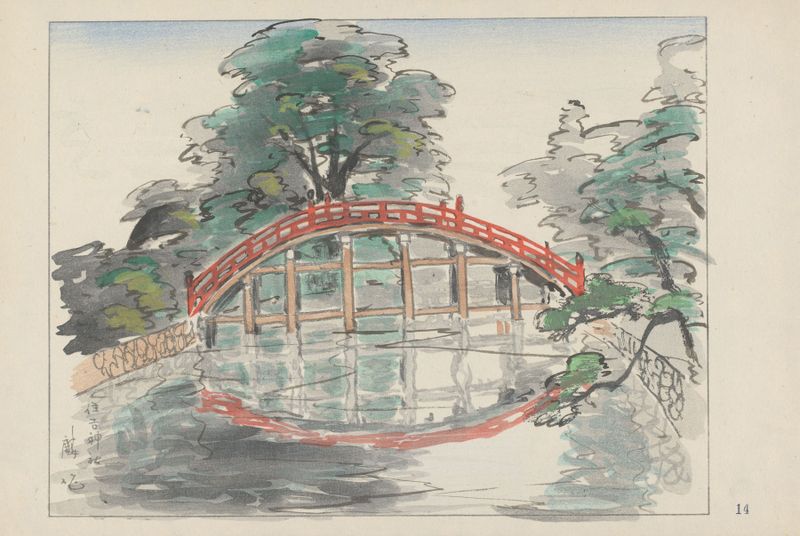
Sumiyoshi Shinto shrine
Akamatsu Rinsaku
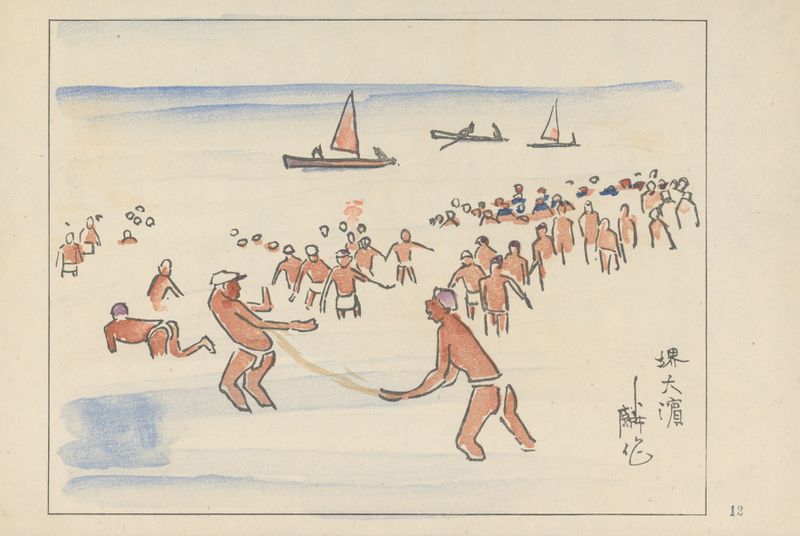
Sakai Ohama, swiming beach
Akamatsu Rinsaku

Kawaguchi, the estuary of Yodo river
Akamatsu Rinsaku
More Architecture Art
Browse all →
The statue of Liberty
Frédéric Auguste Bartholdi

View of Houses in Delft, Known as ‘The Little Street’
Johannes Vermeer

View of Houses in Delft, Known as ‘The Little Street’
Johannes Vermeer

The Cathedral in Rouen. The portal, Grey Weather
Claude Monet

The yellow house
Vincent van Gogh

The Church in Auvers-sur-Oise, View from the Chevet
Vincent van Gogh