
Temple. From the journey to Egypt — History & Facts
Can beauty exist without sorrow? The vivid colors and serene composition suggest a harmony that belies the deeper undertones of longing and loss inherent in the journey of the Holy Family. Look to the left at the radiant golds and deep blues that sweep across the canvas, framing the temple. The artist employs a rich palette, allowing the vibrancy of the colors to evoke both an otherworldly beauty and a profound emotional depth. Notice how the delicate brushwork captures the interplay of light and shadow; it spills softly across the figures, highlighting their expressions of hope and trepidation, while the vastness of the background amplifies their solitude in the vast landscape. The juxtaposition of the temple's architectural magnificence against the fragile figures of Mary, Joseph, and the infant Jesus encapsulates the tension between earthly grandeur and the vulnerability of their mission.
The presence of the temple signifies divine promise and protection, yet it is overshadowed by the uncertain journey ahead, hinting at the trials they must endure. Each color choice serves as a visual metaphor — the warm tones of the figures contrast with the cooler, shadowy hues surrounding them, emphasizing the struggle between safety and the inevitable challenges of their path. In 1903, Jan Ciągliński painted this piece while living in France, a time when artists were exploring new ways to express spirituality and emotion through color. Influenced by the Post-Impressionist movement, he sought to capture the profound narrative of the Holy Family, responding to a growing interest in religious themes amidst modernity.
His work reflects both the personal and collective yearning for faith and solace in an ever-changing world.
More Artworks by Jan Ciągliński
Browse all →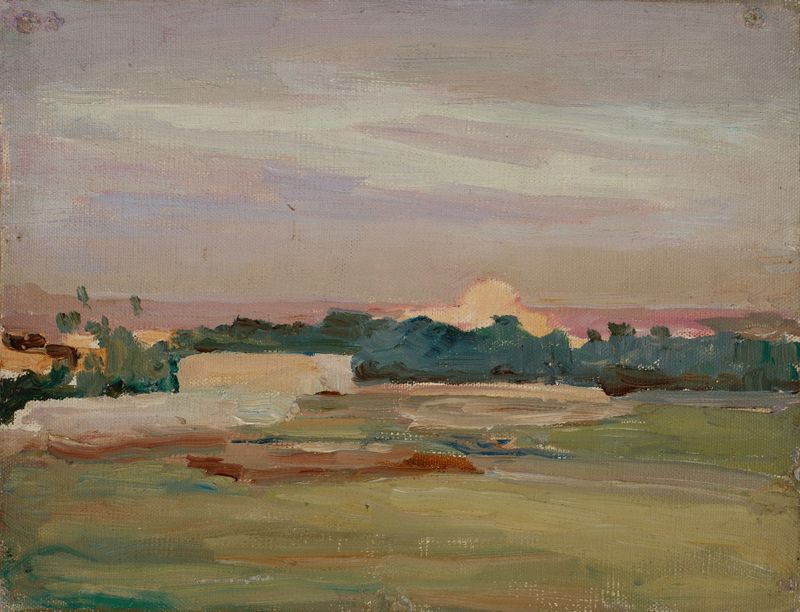
The Sirocco
Jan Ciągliński
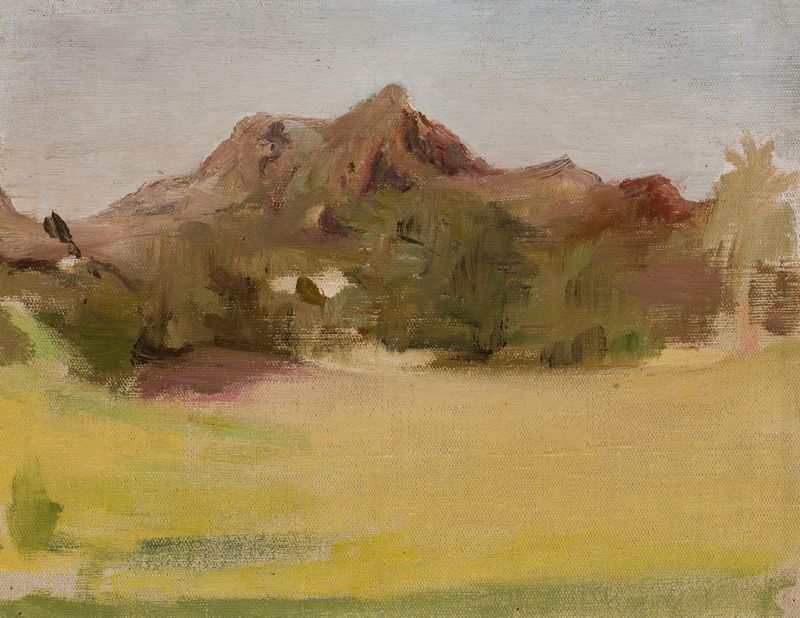
Mountain landscape. From the journey to India
Jan Ciągliński
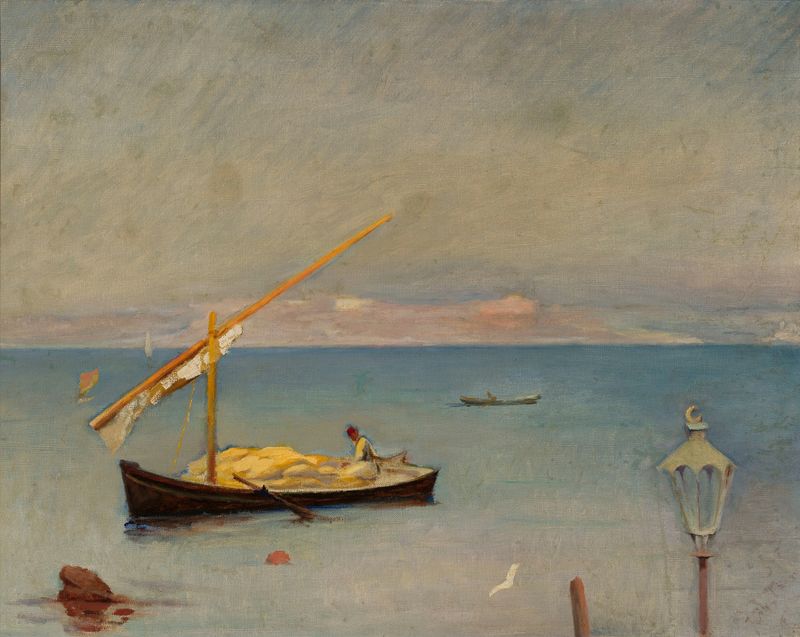
At Bosporus
Jan Ciągliński
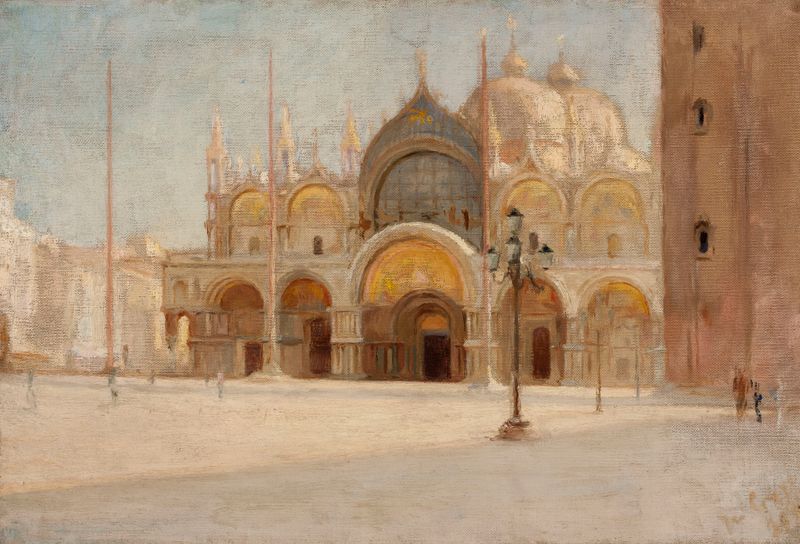
St Mark’s Square in Venice
Jan Ciągliński
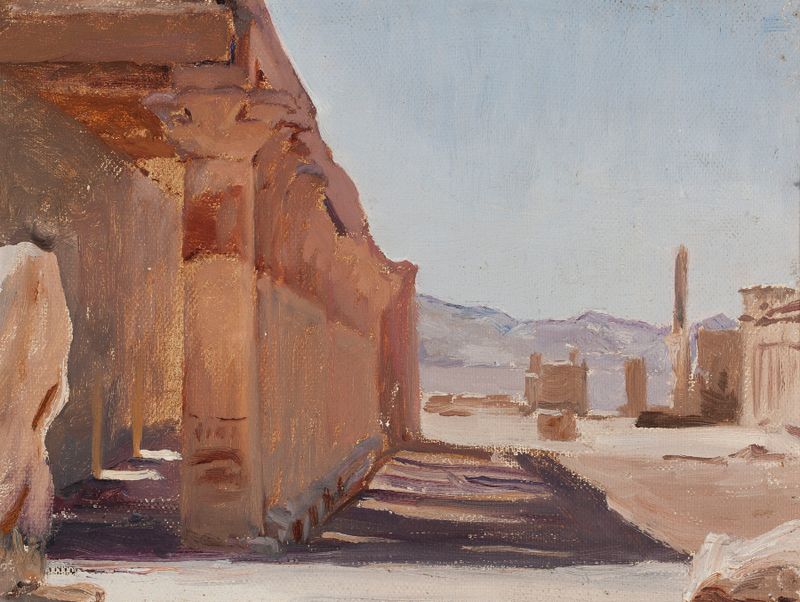
Temple. From the journey to Egypt
Jan Ciągliński
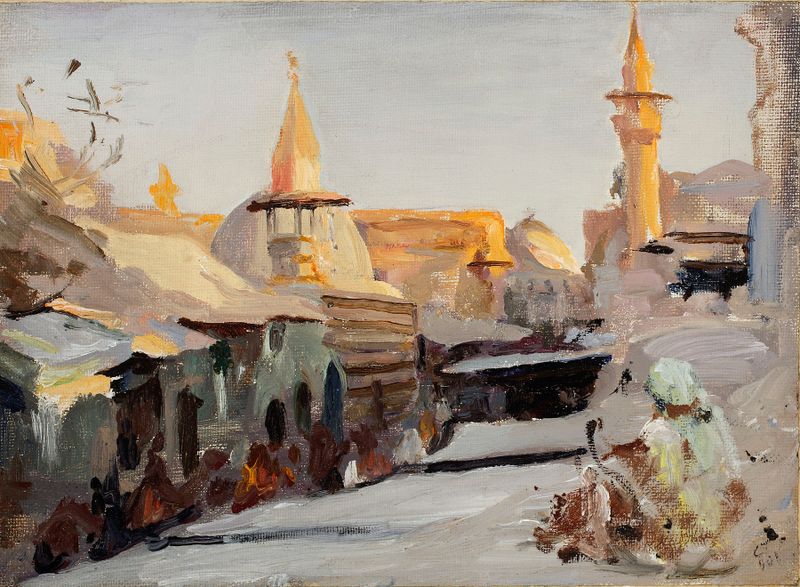
Street in Damascus. From the journey to Palestine
Jan Ciągliński
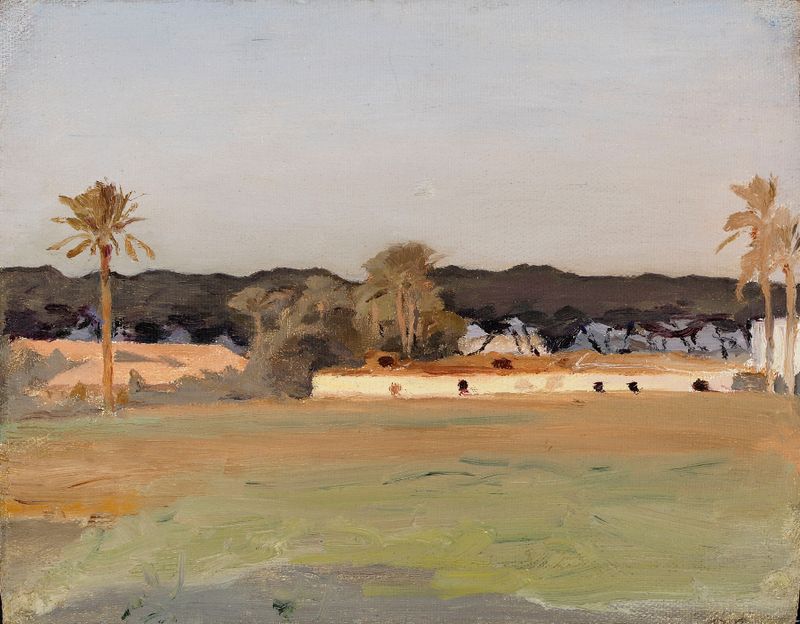
Evening. From the journey to Egypt
Jan Ciągliński
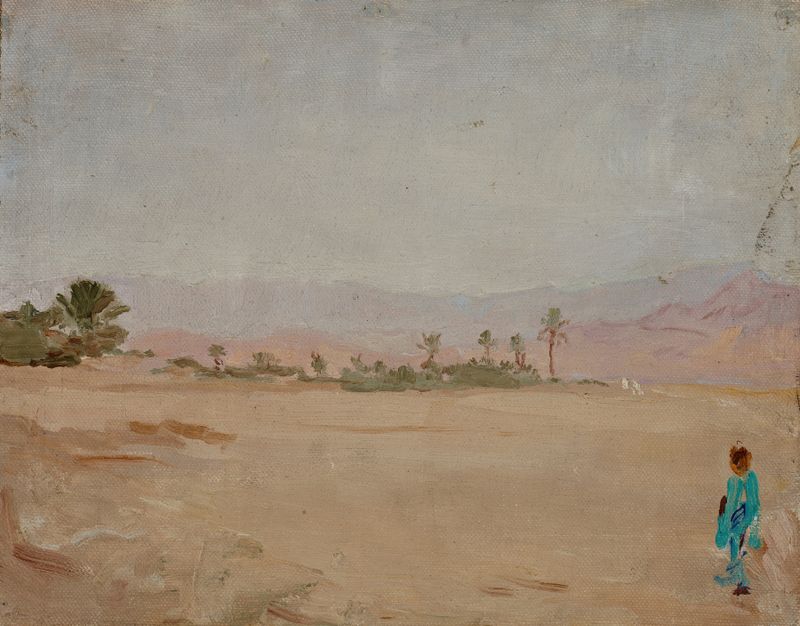
Sahara (Desert)
Jan Ciągliński
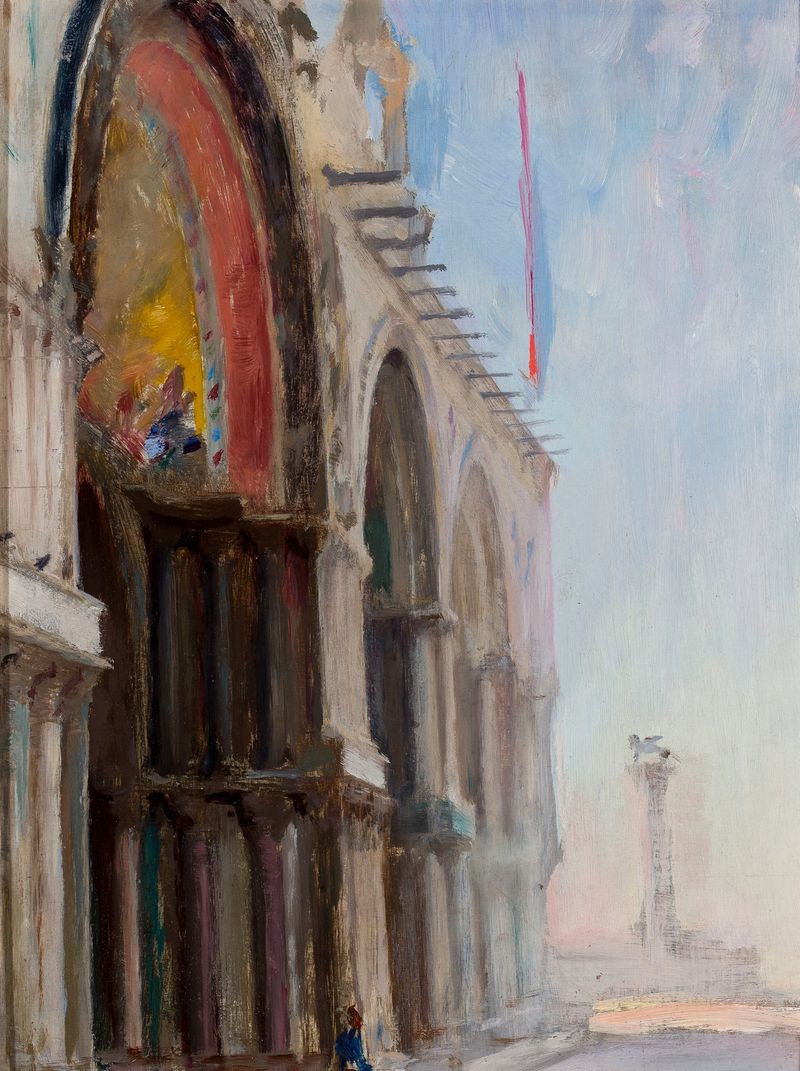
Venice – San Marco. From the journey to Italy
Jan Ciągliński
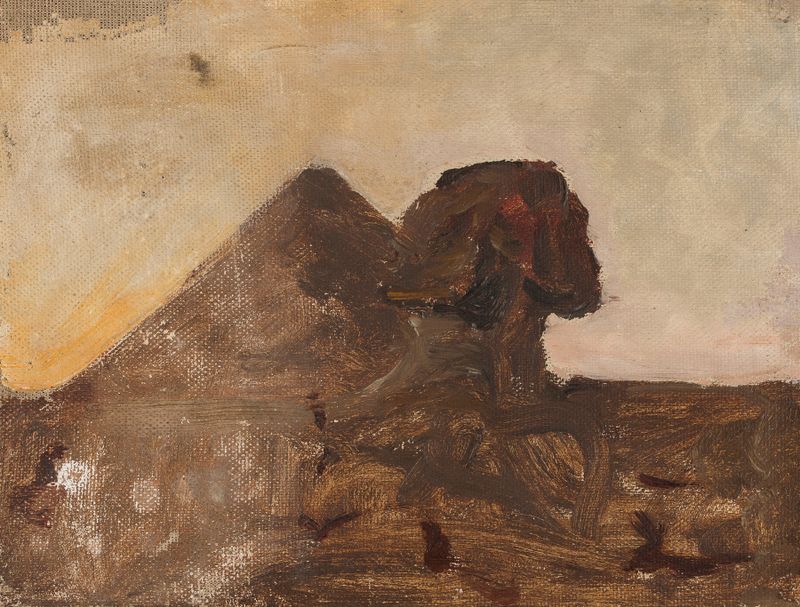
Evening in the desert – Sphinx and pyramid. From the journey to Egypt
Jan Ciągliński
More Religious Art
Browse all →
The Return of the Prodigal Son
Rembrandt van Rijn

The Garden of Earthly Delights
El Bosco

Count Orgaz’ funeral
El Greco

The Hundred Guilder Print: the central piece with Christ preaching, the plate arched
Rembrandt van Rijn

The Descent from the Cross
Rogier van der Weyden

The return of the prodigal son
Rembrandt van Rijn