
Temple of Jove in Athens. From the journey to Greece — History & Facts
In the quiet of an ancient temple, the echoes of history carry whispers of betrayal, where dreams of grandeur meet the stark reality of decay. It is the very tension between the vibrant hues of the landscape and the muted shadows of the ruins that captures the viewer’s attention and stirs the soul. Focus on the horizon where the temple stands, its grand columns reaching towards the sky, bathed in the warm glow of a fading sun. The rich greens of the surrounding foliage contrast beautifully with the deep ochres of the stone, drawing your eye upwards.
Notice how the play of light caresses the architecture, highlighting intricate details while casting long shadows that hint at stories untold. The careful brushwork evokes a sense of nostalgia, as if inviting you to step into a moment suspended in time. Yet, beneath this picturesque scene lies an undercurrent of emotional tension. The ancient ruins symbolize the passage of time and the inevitable erosion of human ambition, suggesting a betrayal of ideals once held dear.
The serene landscape, while alluring, betrays the viewer's expectations of eternal beauty. Additionally, the juxtaposition of the enduring natural world against the fleeting remnants of human achievement invites contemplation on the fragility of civilization itself. In 1905, Jan Ciągliński painted this piece during a period marked by artistic exploration and the intertwining of nostalgic themes. Captivated by the allure of Greece, he sought to capture its timeless beauty while reflecting on the contrasts inherent in its legacy.
At this time, the art world was grappling with the balance between realism and the emerging modernist movements, setting the stage for Ciągliński's poignant expression of both admiration and reflection.
More Artworks by Jan Ciągliński
Browse all →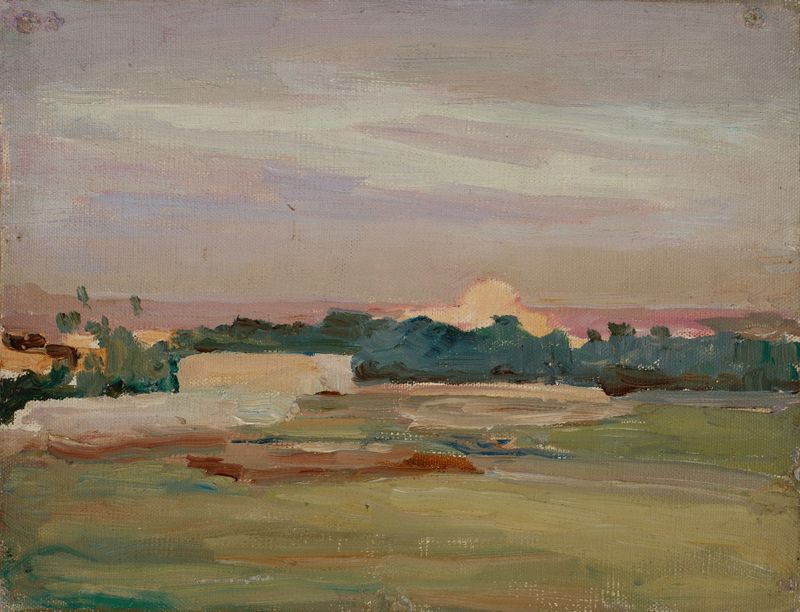
The Sirocco
Jan Ciągliński
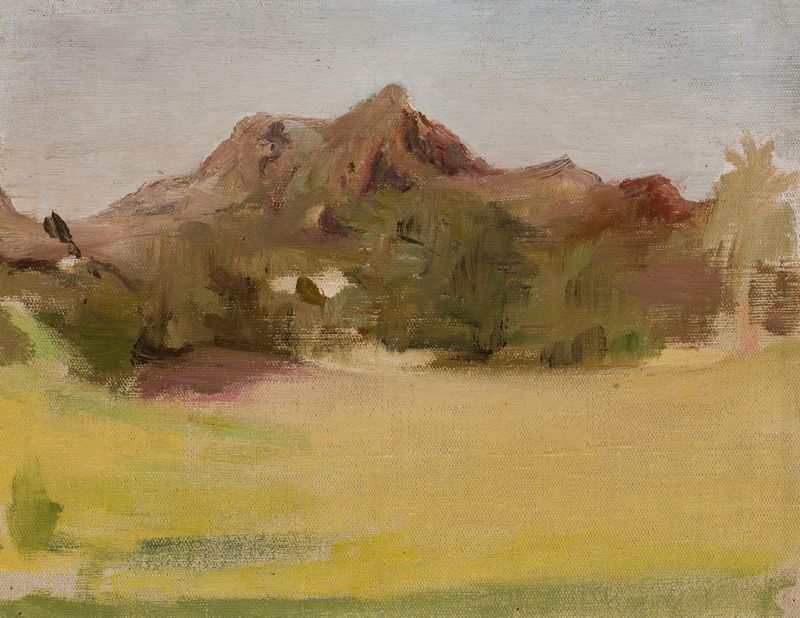
Mountain landscape. From the journey to India
Jan Ciągliński
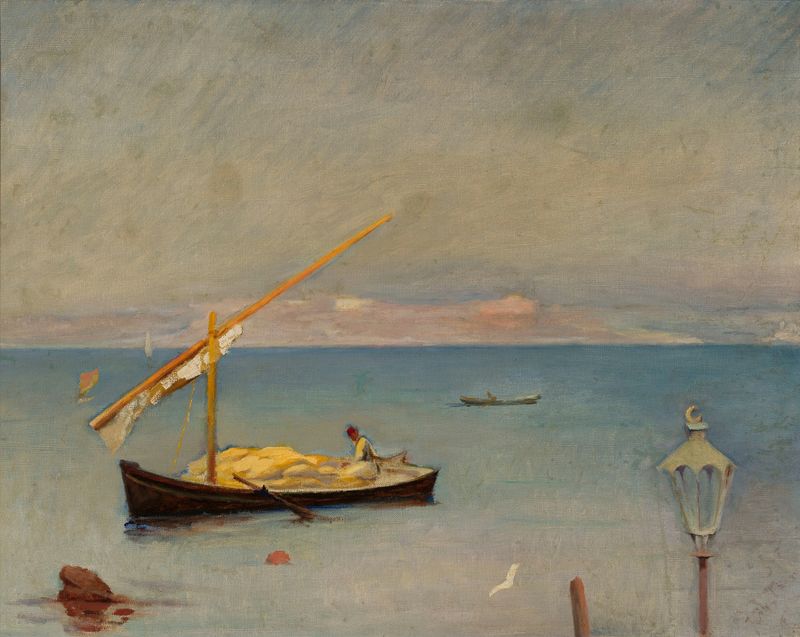
At Bosporus
Jan Ciągliński
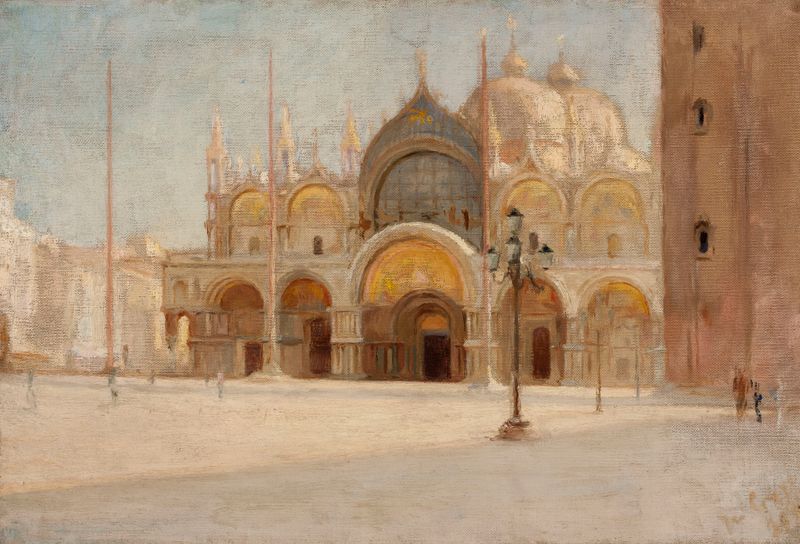
St Mark’s Square in Venice
Jan Ciągliński
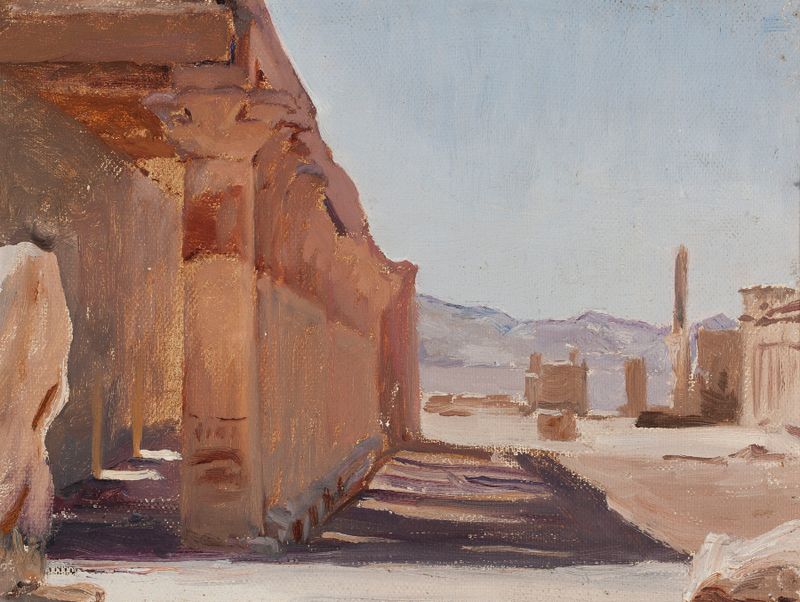
Temple. From the journey to Egypt
Jan Ciągliński
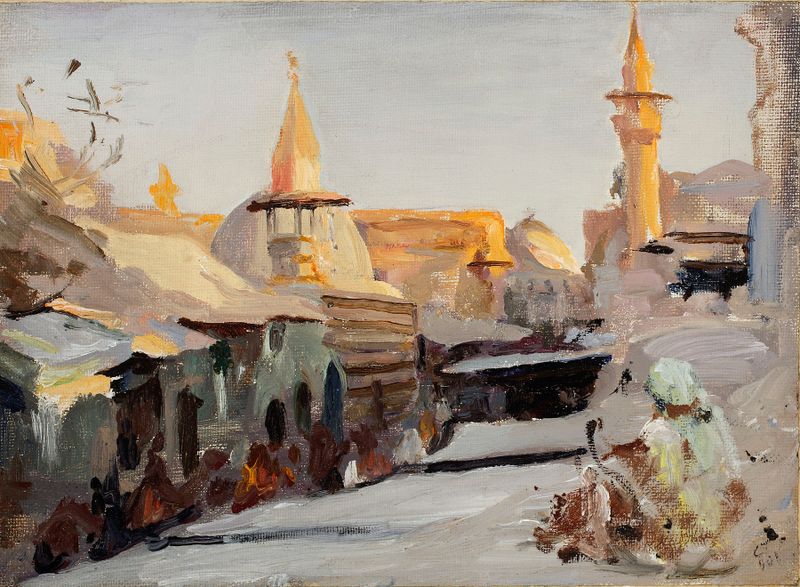
Street in Damascus. From the journey to Palestine
Jan Ciągliński
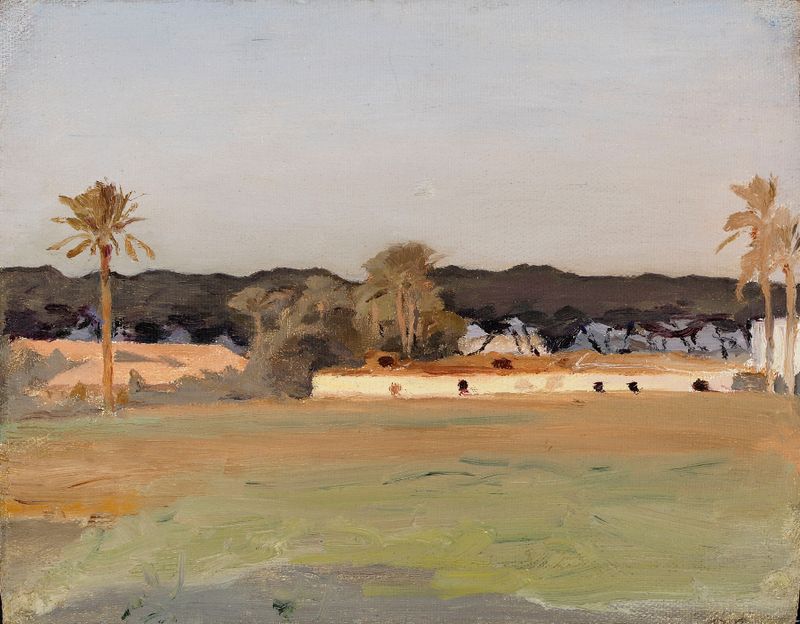
Evening. From the journey to Egypt
Jan Ciągliński
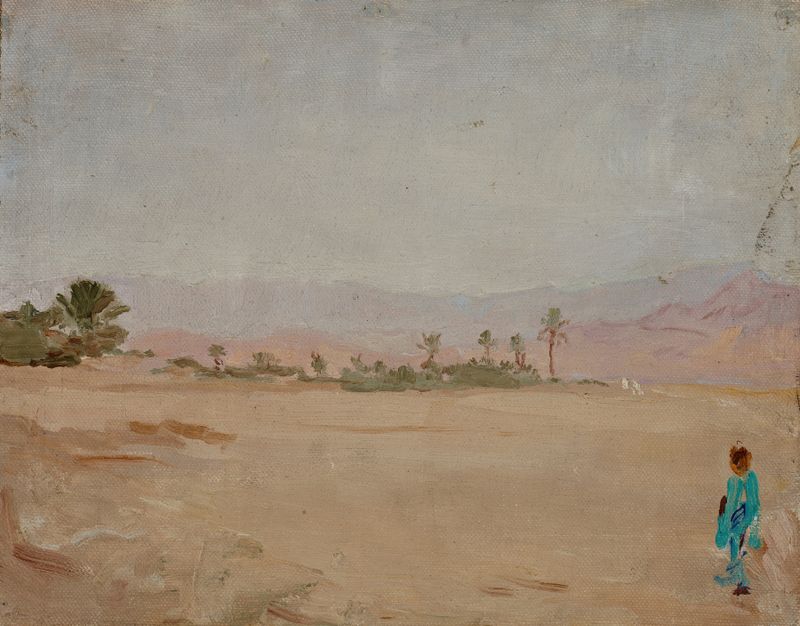
Sahara (Desert)
Jan Ciągliński
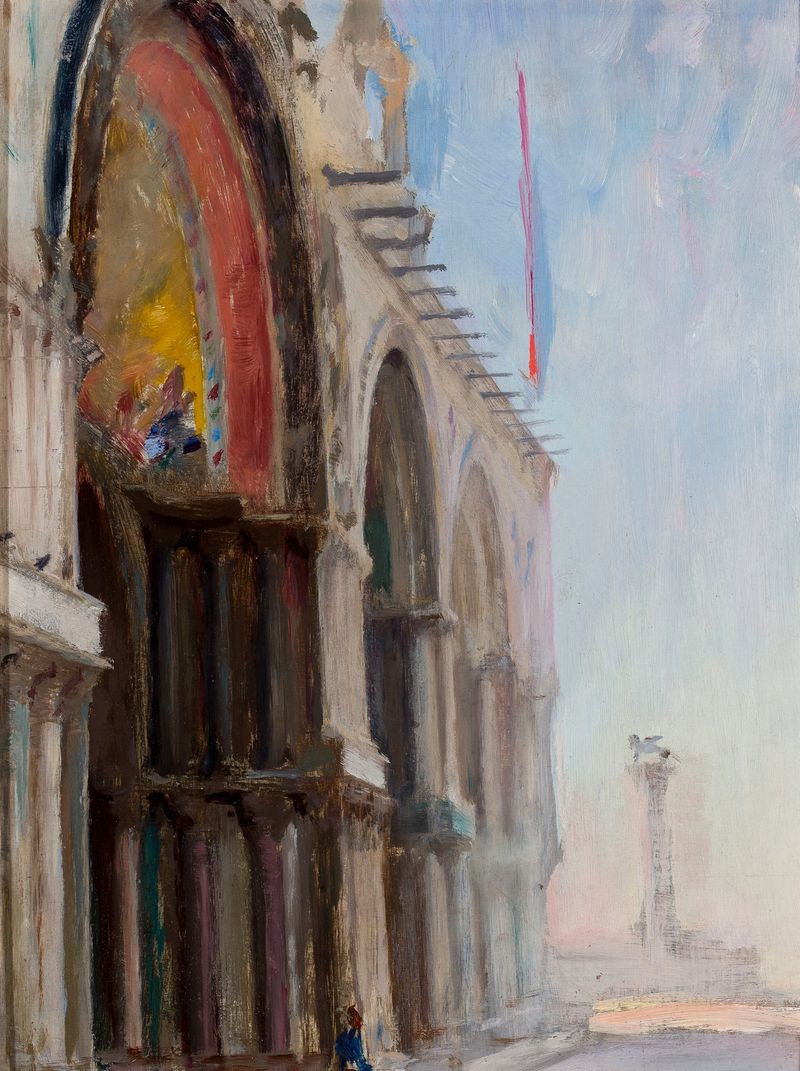
Venice – San Marco. From the journey to Italy
Jan Ciągliński
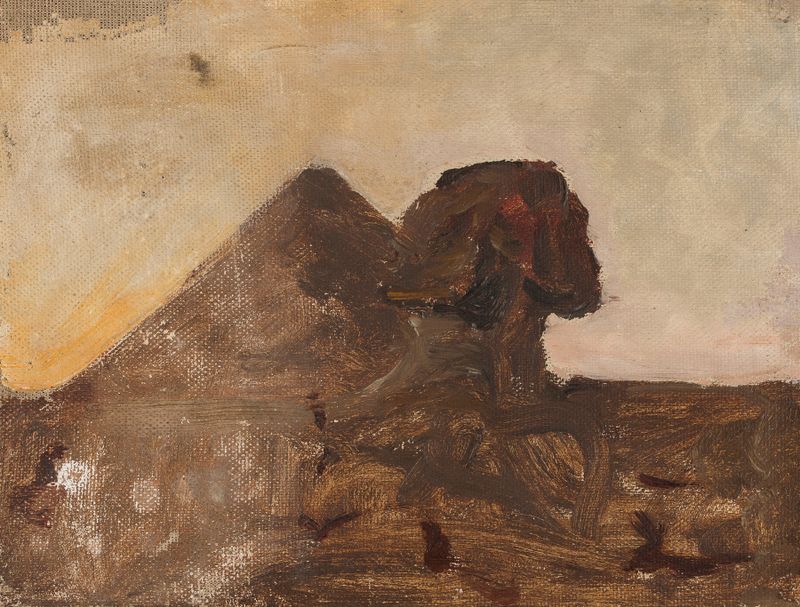
Evening in the desert – Sphinx and pyramid. From the journey to Egypt
Jan Ciągliński
More Architecture Art
Browse all →
The statue of Liberty
Frédéric Auguste Bartholdi

View of Houses in Delft, Known as ‘The Little Street’
Johannes Vermeer

View of Houses in Delft, Known as ‘The Little Street’
Johannes Vermeer

The Cathedral in Rouen. The portal, Grey Weather
Claude Monet

The yellow house
Vincent van Gogh

The Church in Auvers-sur-Oise, View from the Chevet
Vincent van Gogh