
Tentation — History & Facts
The first thing to catch the eye in Tentation is the poised, almost suspended moment: a woman in a loose, flowing dress, her hand outstretched toward a pale apple, her gaze fixed and contemplative. The composition draws us into the hush before a decision, the air thick with anticipation. The artist, Eugène Grasset, uses the sinuous lines and flattened colors of Art Nouveau to heighten the sense of enchantment, letting the dark sweep of her hair echo the curling branches behind her.
The apple, luminous against the cool blue-green leaves, becomes both object and symbol—its weight in her palm invites the viewer to wonder at its meaning. Created in 1897, this decorative panel was published in Paris by G. de Malherbe, at a time when such works adorned the interiors of homes and public spaces eager to embrace the new style. The late nineteenth century saw a flowering of decorative arts in France, with artists like Grasset bridging fine art and design, infusing everyday objects with the grace of myth and allegory.
The Bibliothèque nationale de France now holds this piece, a reminder of a moment when art sought to make beauty a part of daily life. Every detail—the stylized foliage, the careful balance of color—invites us to linger, to imagine the world just beyond the frame.
More Artworks by Eugène Grasset

Samuel Eviradnus 237 Maison de Victor Hugo
Eugène Grasset
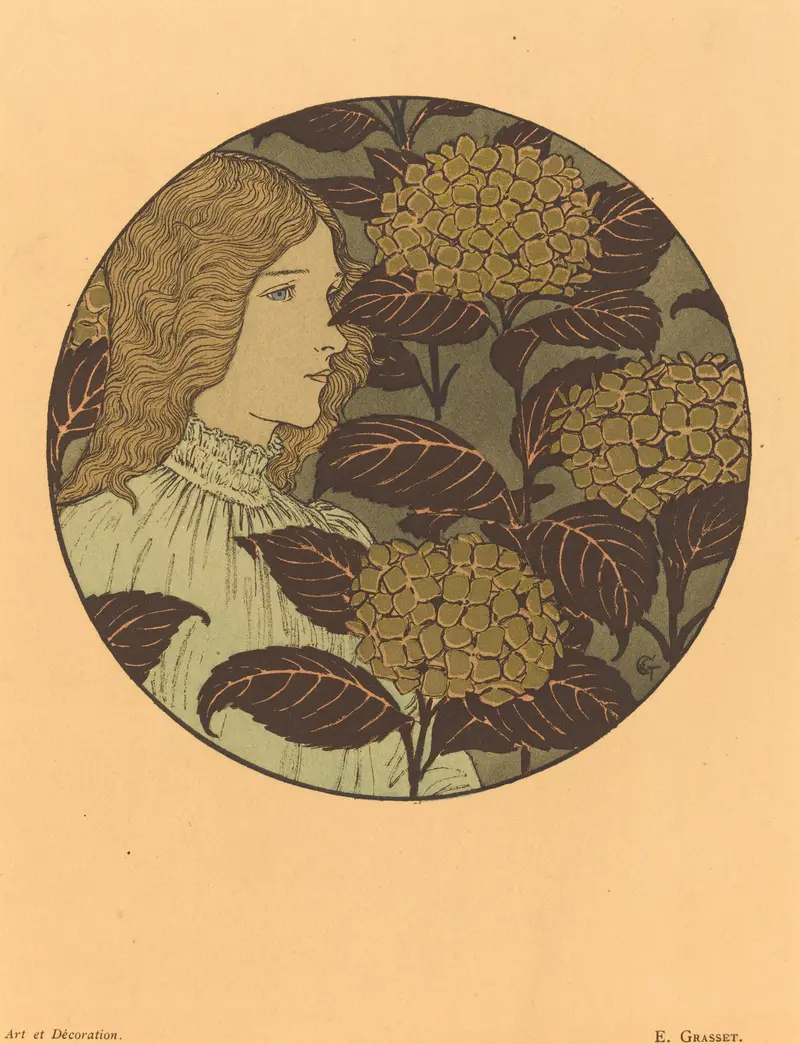
Portrait of a Girl (Roundel)
Eugène Grasset
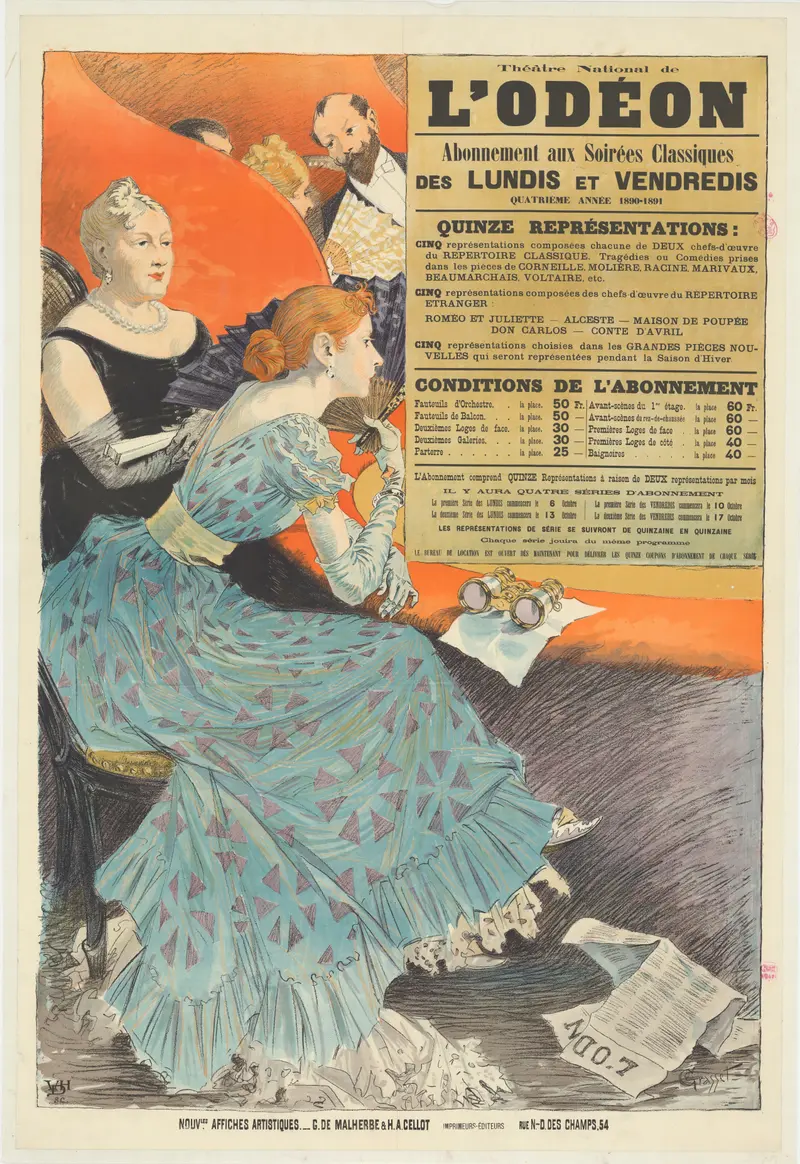
Théâtre National de l'Odéon
Eugène Grasset
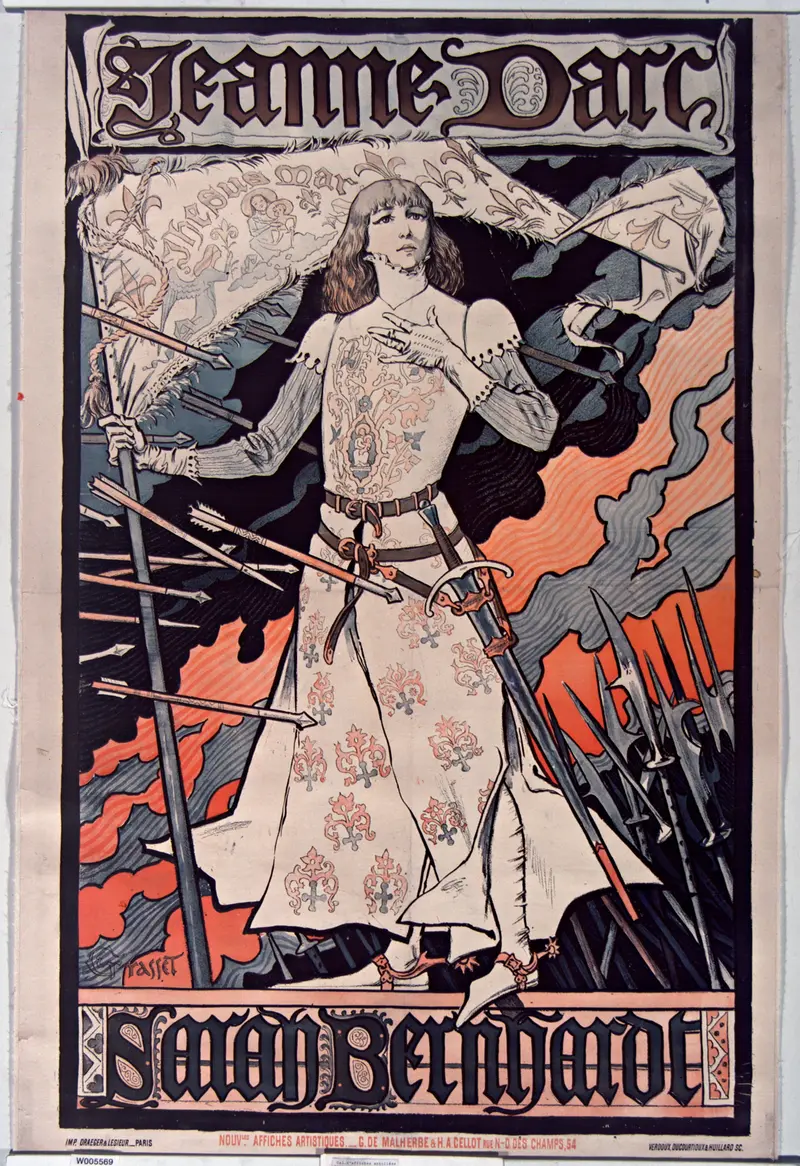
Jeanne d'Arc – Sarah Bernhardt
Eugène Grasset

Mark Twain's Joan of Arc
Eugène Grasset
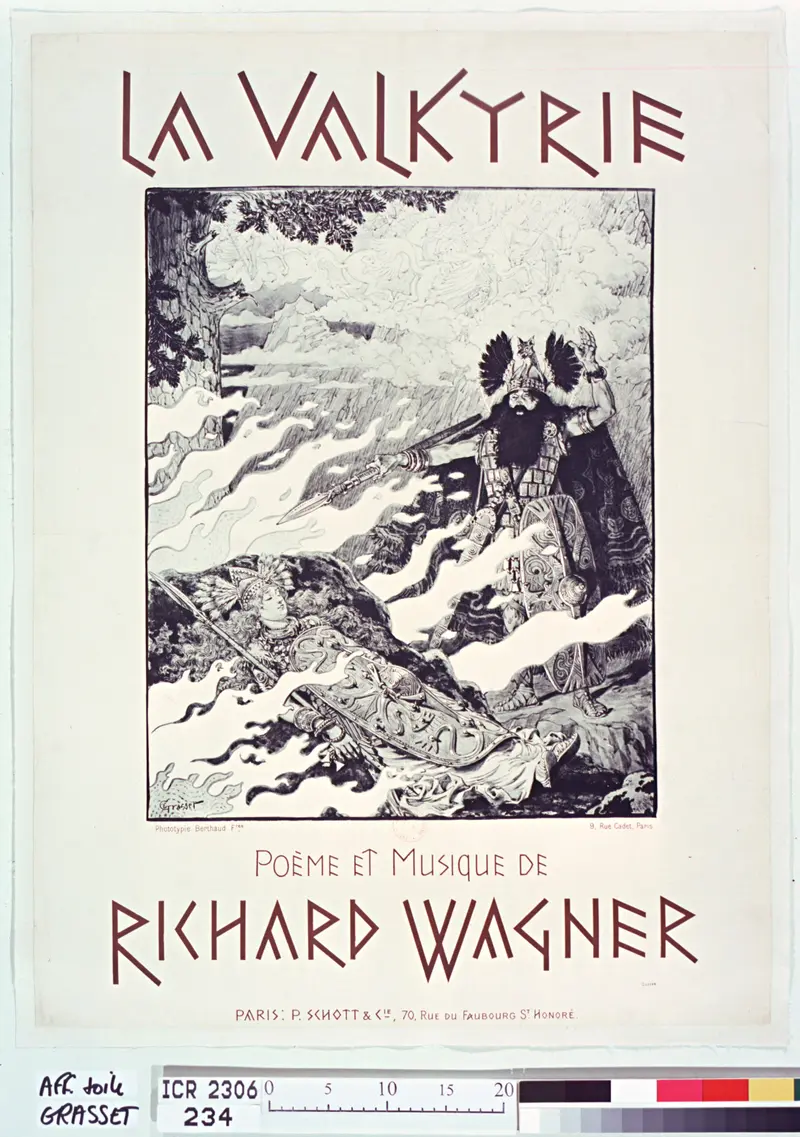
La Walkyrie
Eugène Grasset
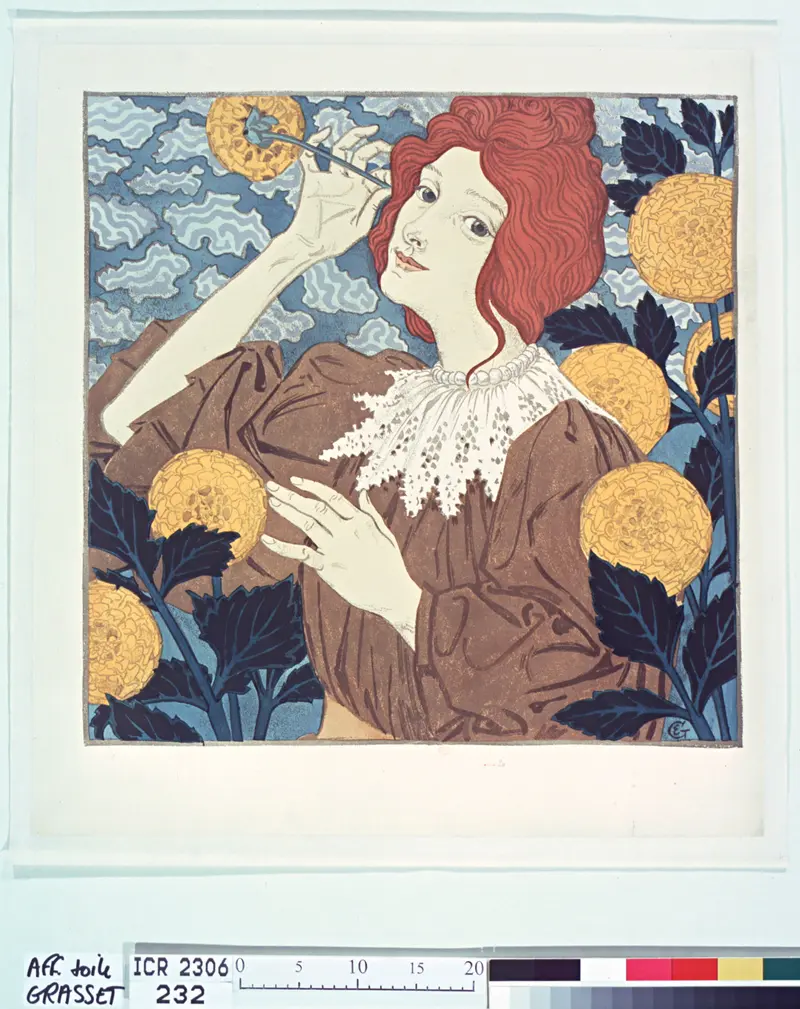
Coquetterie
Eugène Grasset
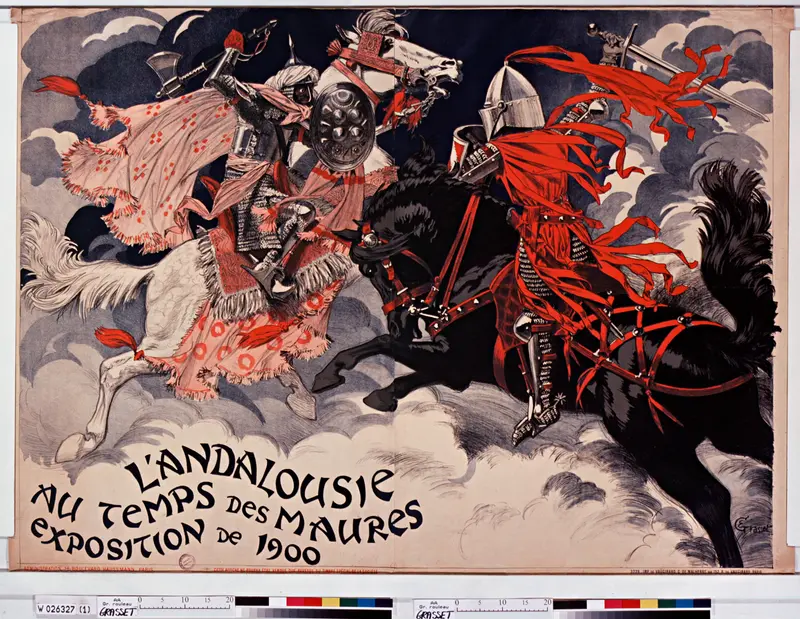
L'Andalousie au temps des Maures
Eugène Grasset
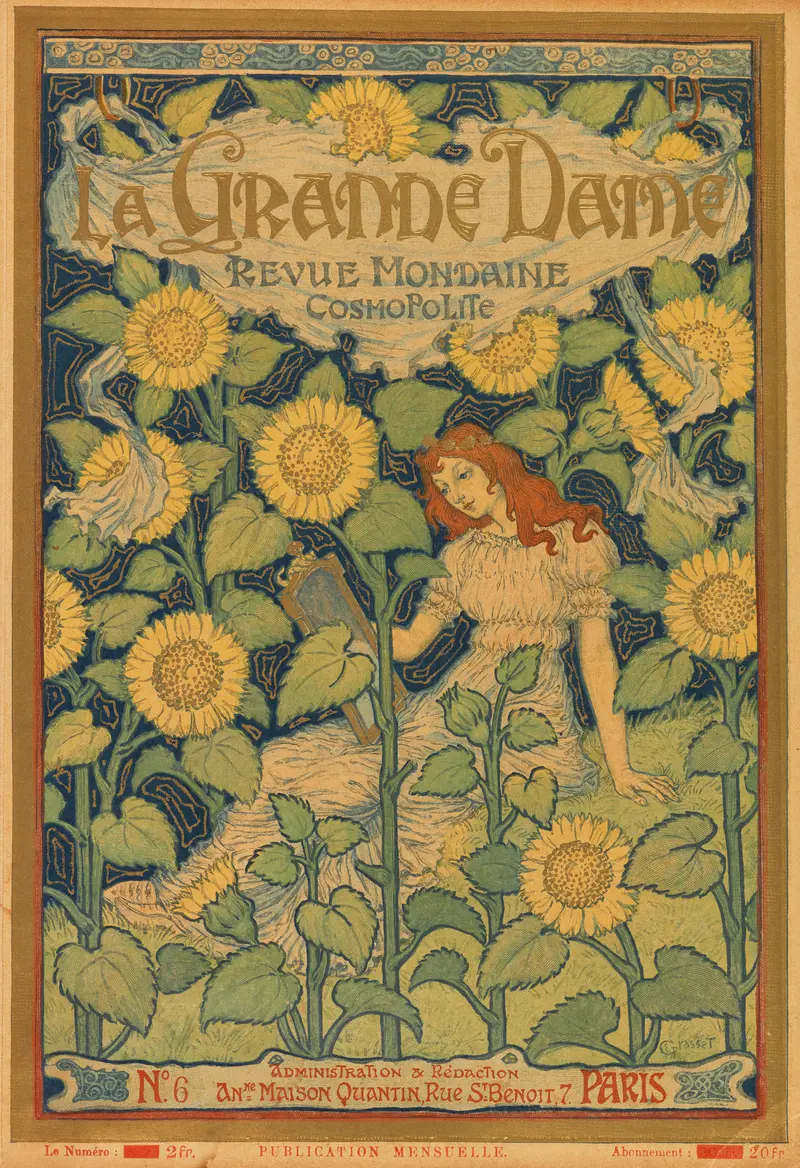
La Grande Dame
Eugène Grasset
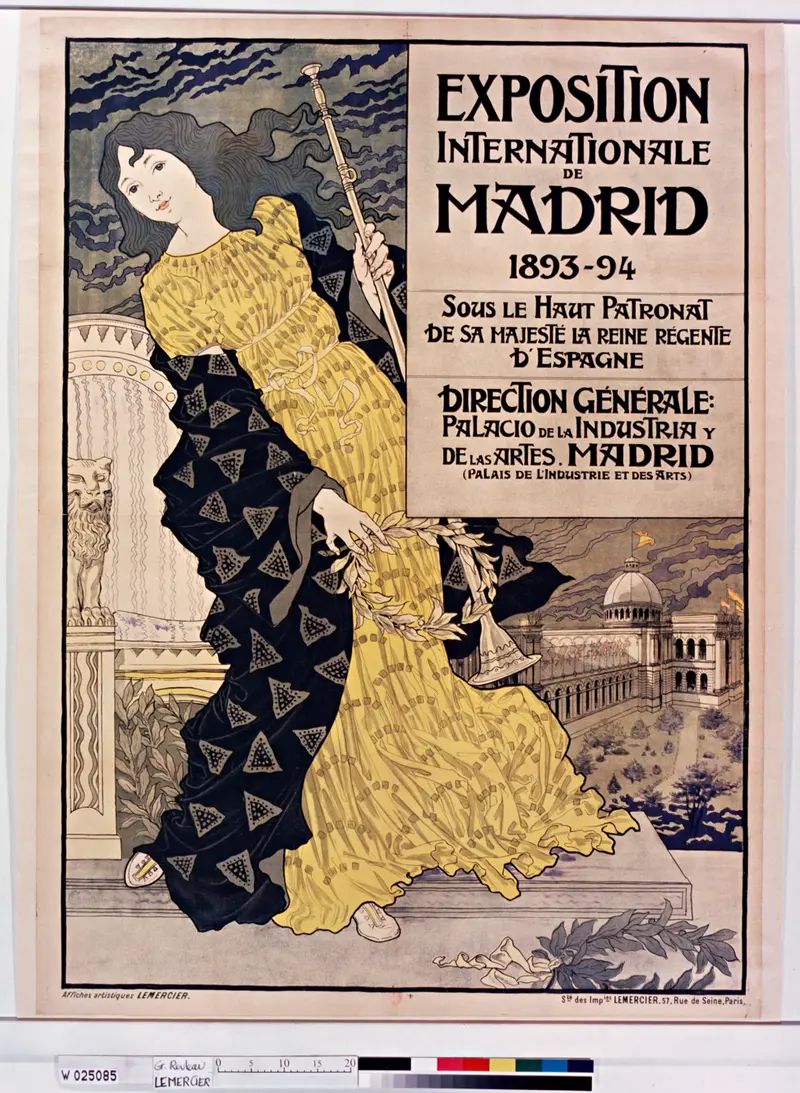
Exposition Internationale de Madrid 1893
Eugène Grasset



