
Terrasse De Meudon — History & Facts
Is this a mirror — or a memory? In Terrasse De Meudon, vibrant colors blend in a dance of light and shadow, hinting at a rebirth that transcends mere representation. Look to the left at the lush greenery cascading down the terrace, each brushstroke layered meticulously, creating a sense of life and vibrancy. The horizon glimmers under the soft embrace of sunlight, inviting the viewer's gaze across the landscape. Notice how the bold hues of blue and green interweave, breathing vitality into the scene, while the delicate flecks of paint evoke the gentle rustle of leaves in the breeze.
The composition, marked by a playful juxtaposition of shapes and colors, draws you in, inviting contemplation of the wider world beyond. Hidden within this idyllic setting are emotional tensions that mirror the complexities of renewal. The bright colors might suggest optimism, yet the empty terrace hints at absence and longing. In the interplay of light and shadow, we find a delicate balance between presence and the transient nature of life — a reminder that rebirth often emerges from quiet solitude and reflection.
Each detail, from the dappled sunlight to the fading path, underscores the artist's exploration of the ephemeral. At the time of painting Terrasse De Meudon in 1899, Signac was living in France, deeply immersed in the pointillist technique that he had helped to pioneer. The art world was shifting, moving towards modernism, and Signac sought to capture not just the visual but also the emotional essence of his surroundings. His travels and studies were influencing his work, imbuing it with a sense of both personal and artistic transformation.
More Artworks by Paul Signac
Browse all →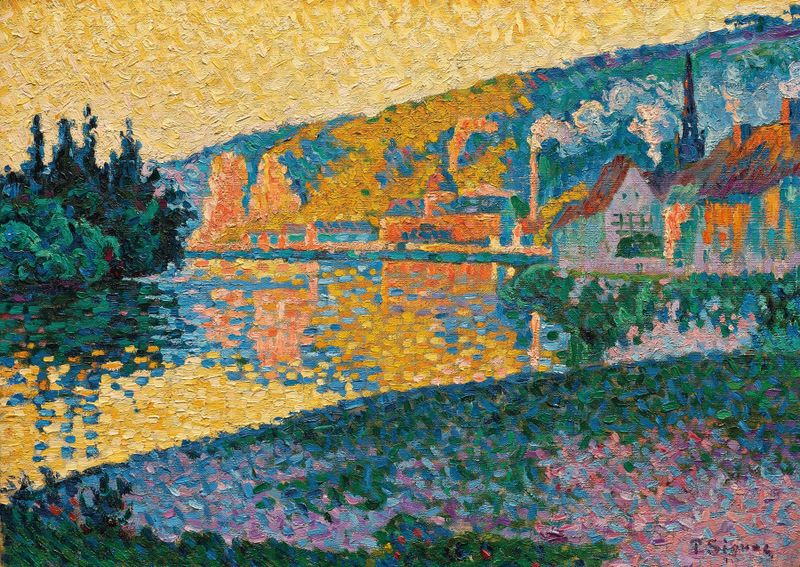
Les Andelys. Soleil couchant
Paul Signac
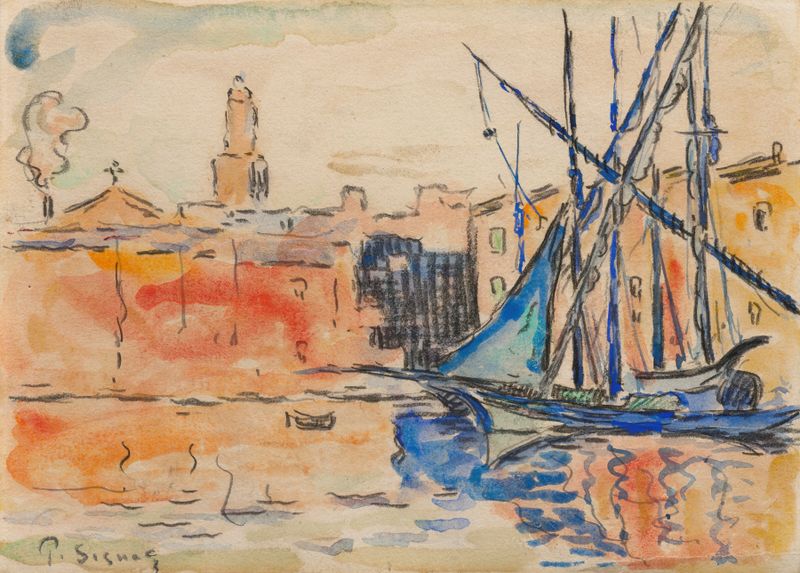
Saint-Tropez, le port
Paul Signac
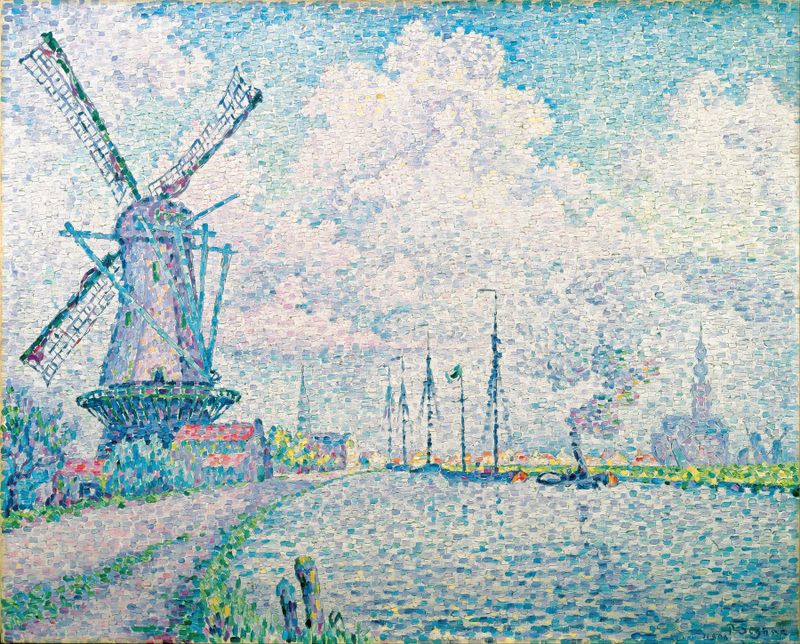
Canal of Overschie
Paul Signac
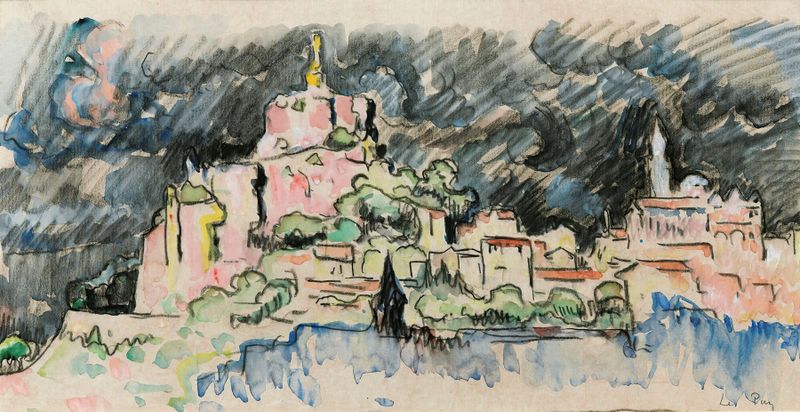
Le Puy-En-Velay, Ciel D’orage
Paul Signac
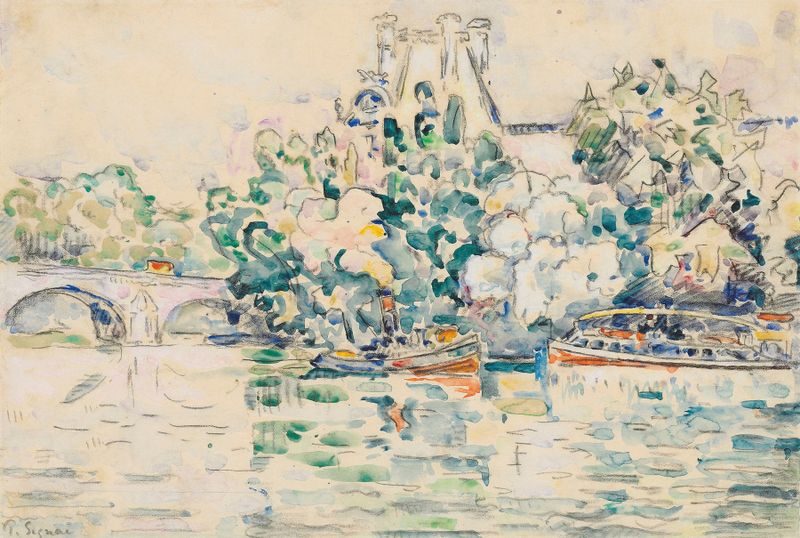
Paris, La Seine au Pont-Royal
Paul Signac
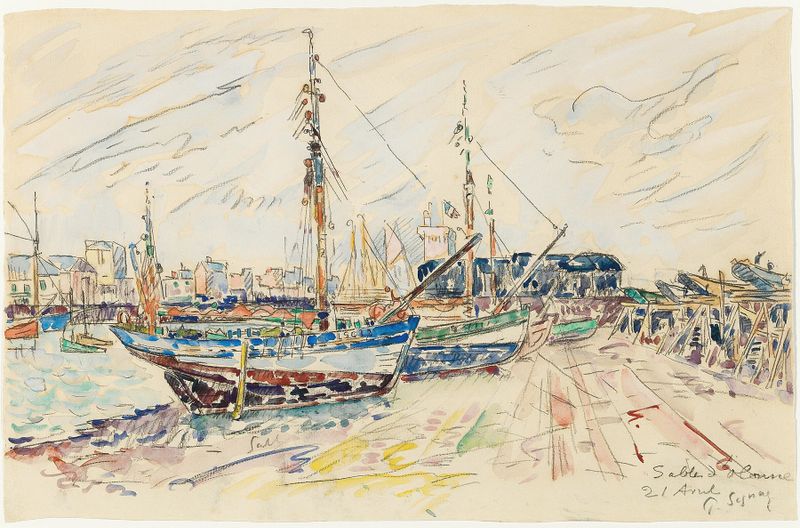
Sables d’Olonne
Paul Signac
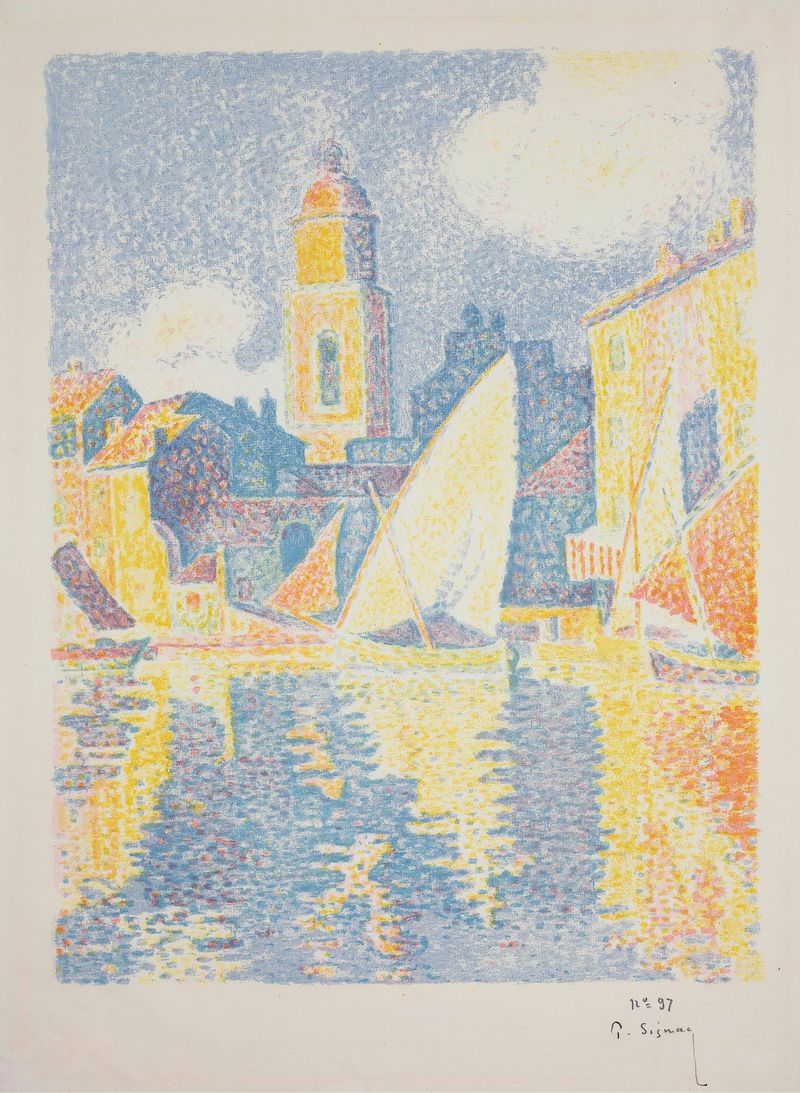
The Port of St. Tropez
Paul Signac
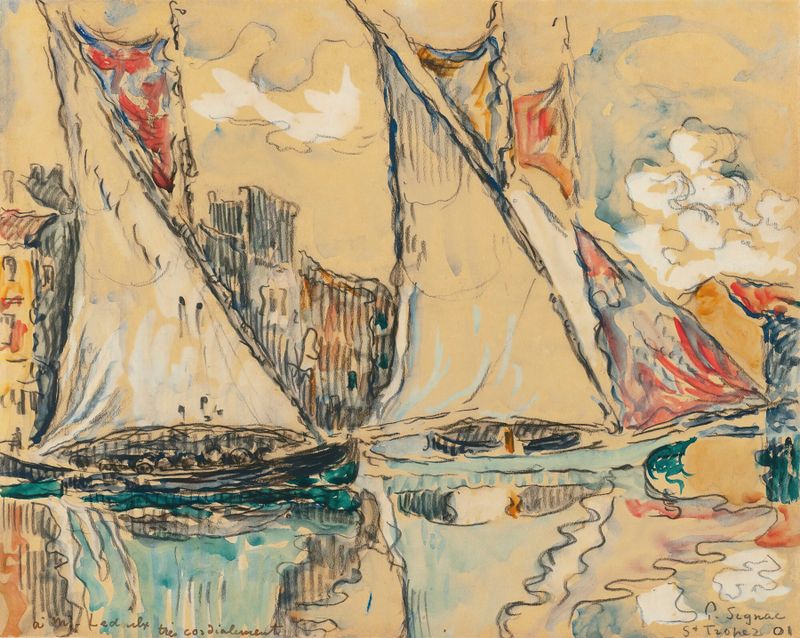
Saint-Tropez, Voiles Au Sec
Paul Signac
Antibes
Paul Signac

Saint-Tropez
Paul Signac





