
Tête d’enfant — History & Facts
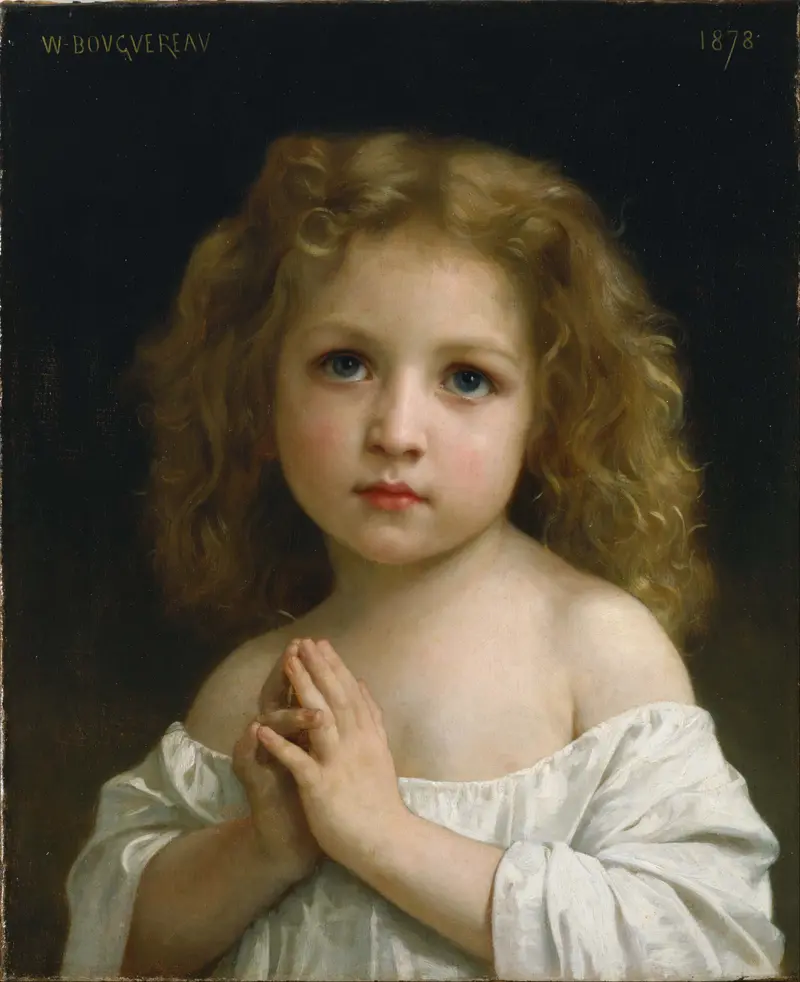
In Tête d’enfant, William Bouguereau presents a charming portrait of a young child. The painting features soft, warm colors that enhance the innocence of the figure. The child's expression is serene and thoughtful, capturing a moment of quiet reflection.
The background is softly blurred, drawing attention to the child's face and delicate features. Bouguereau's technique is characterized by smooth brushwork and a keen attention to detail. The use of light and shadow creates a lifelike quality, making the child appear almost three-dimensional. The artist employs a rich palette, with subtle variations in skin tones that add depth to the portrait.
This work exemplifies the Academic style, which emphasizes realism and technical skill. William Bouguereau was a prominent French painter known for his realistic genre scenes and portraits. Tête d’enfant reflects his dedication to capturing the beauty of childhood and the human experience. An interesting fact about this work is that it showcases Bouguereau's ability to convey emotion through facial expressions, a hallmark of his artistic style.
This painting remains a testament to the artist's legacy in the realm of Academic art.
More Artworks by William Bouguereau

A Study For The Secret
William Bouguereau
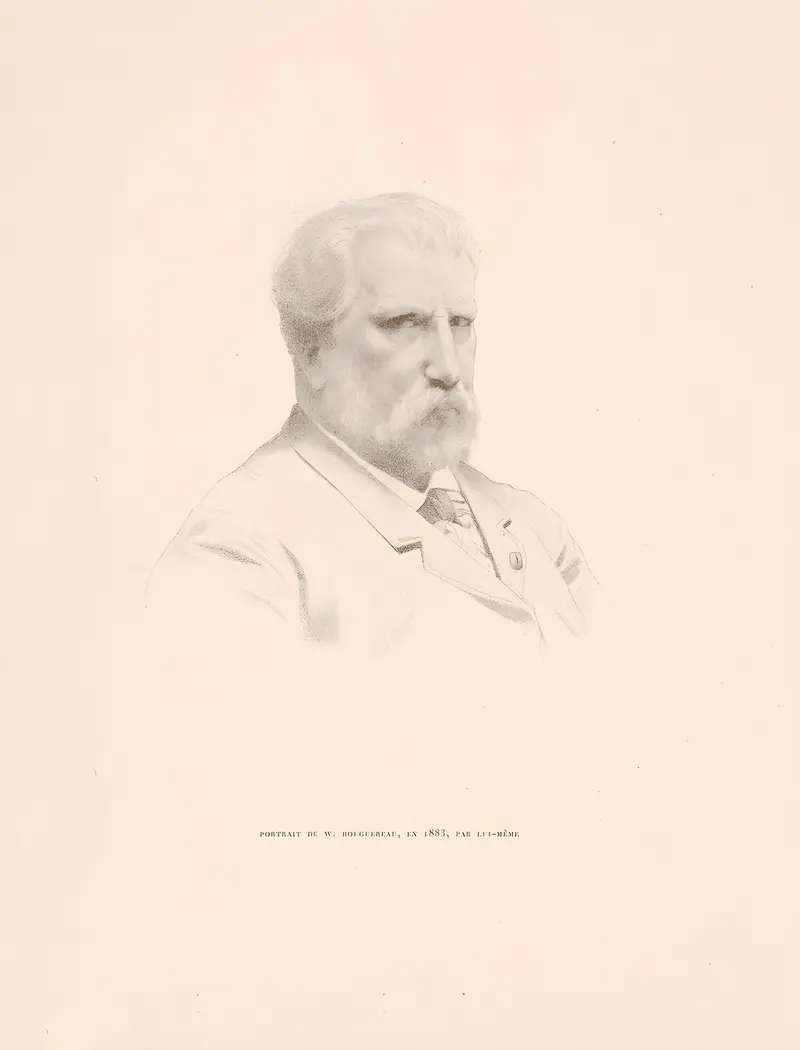
Portrait de W. Bouguereau, en l899
William Bouguereau
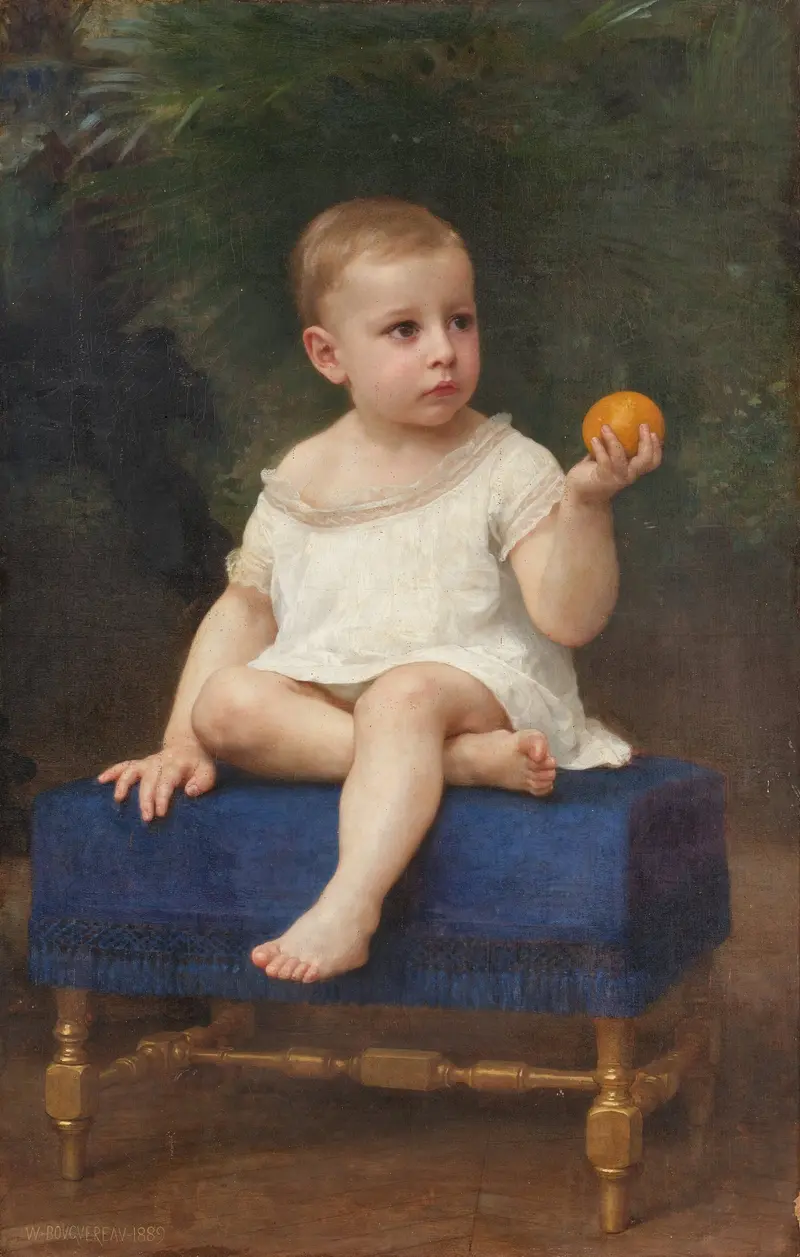
Portrait of a Child of Madame Porter
William Bouguereau
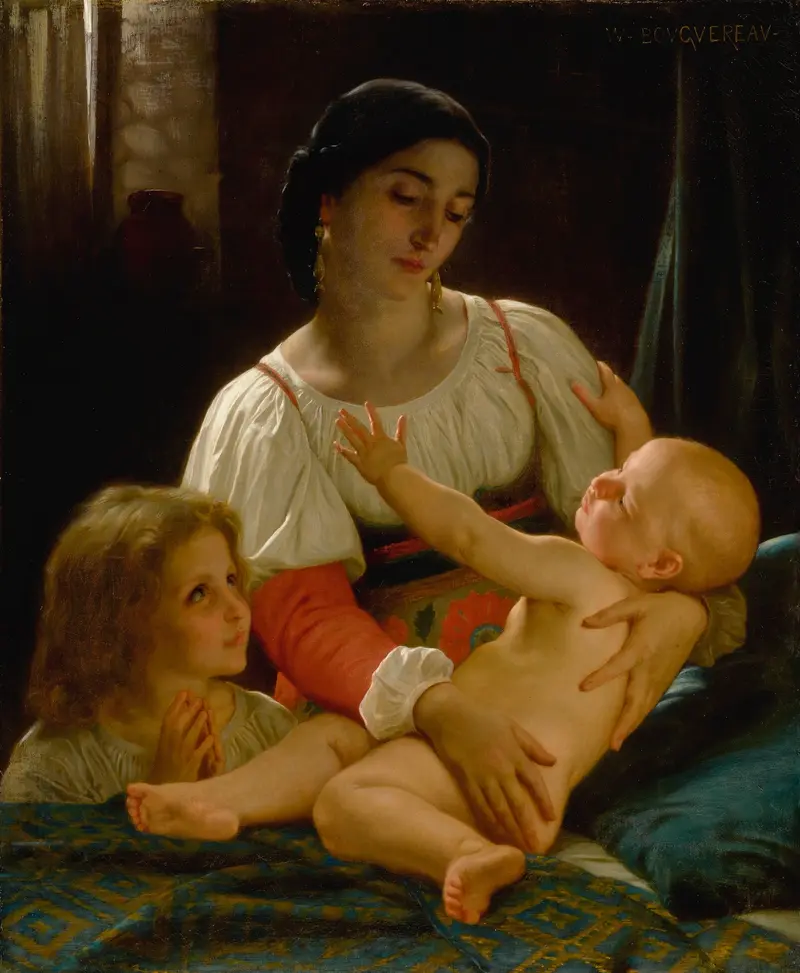
Le Réveil
William Bouguereau
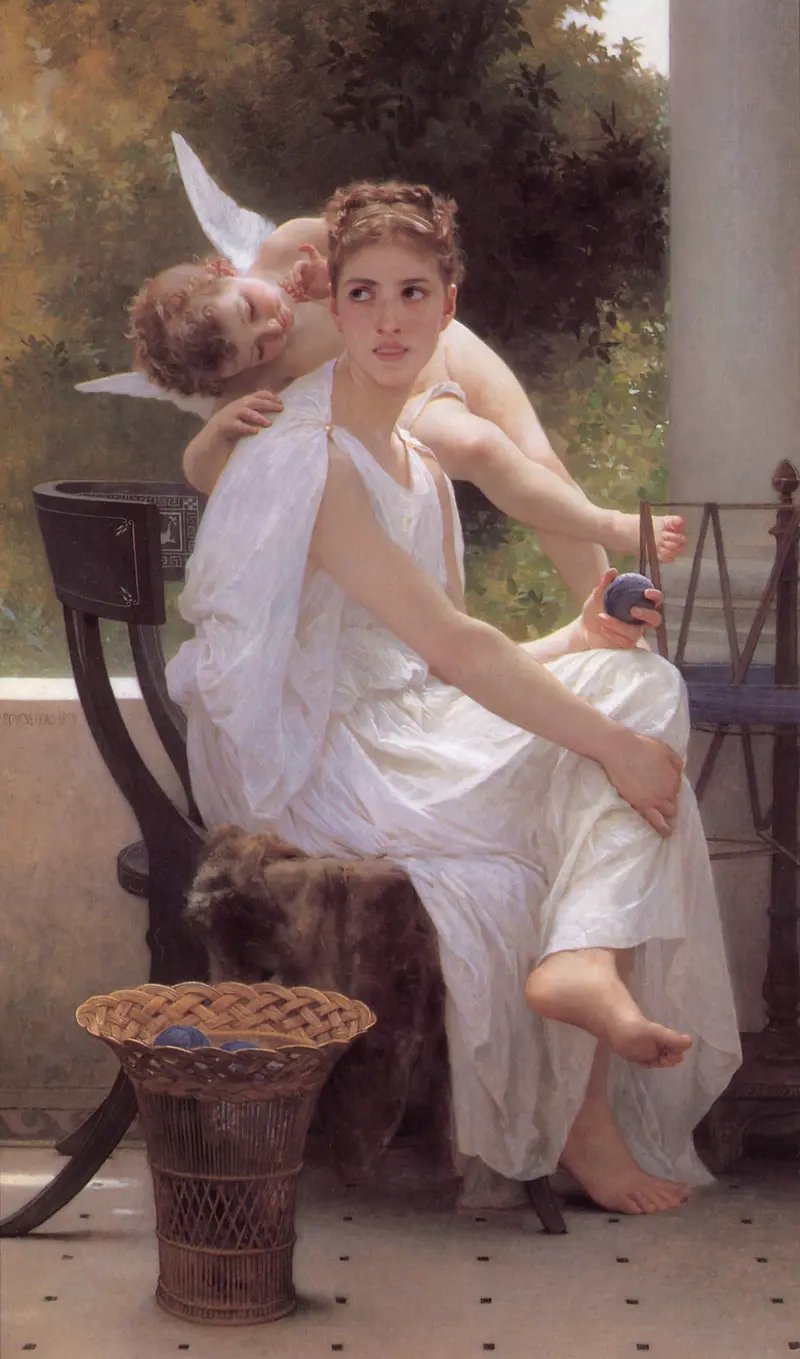
Le travail interrompu
William Bouguereau
Little Girl
William Bouguereau
Portrait of Céline Geneviève
William Bouguereau

Bohémienne Au Tambour De Basque
William Bouguereau
Portrait Study of Gabrielle Drunzer
William Bouguereau
Arion on a Sea Horse
William Bouguereau





