
Thaw — History & Facts
When did color learn to lie? The quiet tones of blue and grey embrace the canvas, whispering secrets of a serene thaw, inviting the viewer into a world that feels both elusive and profound. Look to the left at the gentle transition of ice melting into water, where soft hues blend seamlessly—each brushstroke a testament to the artist's mastery of atmosphere. Notice how the light filters through the delicate layers of ice, casting reflections that shimmer like silver. The overall composition is balanced, with the horizon line drawing the eye towards the distant landscape, luring you deeper into this moment of tranquility. Within this peaceful scene lies a profound contrast—the struggle of winter yielding to the awakening of spring.
The remnants of frost cling stubbornly, representing life's reluctance to let go of the past, while the vibrant water symbolizes renewal and the promise of growth. Each element holds significance; the stillness of the scene contrasts with the dynamic, slow motion of nature's transition, evoking an emotional resonance that speaks to the cyclical nature of existence. Created between 1877 and 1880, the artist painted this work during a time of personal exploration and artistic evolution while living in Hungary. The late 19th century saw a growing interest in capturing the nuances of nature and emotion, reflecting broader changes in European art that embraced impressionism and realism.
Mednyánszky, influenced by these currents, sought to convey the beauty and ephemeral quality of his surroundings, resulting in a piece that encapsulates the very essence of serenity amidst transformation.
More Artworks by Ladislav Mednyánszky
Browse all →
Winter Landscape
Ladislav Mednyánszky
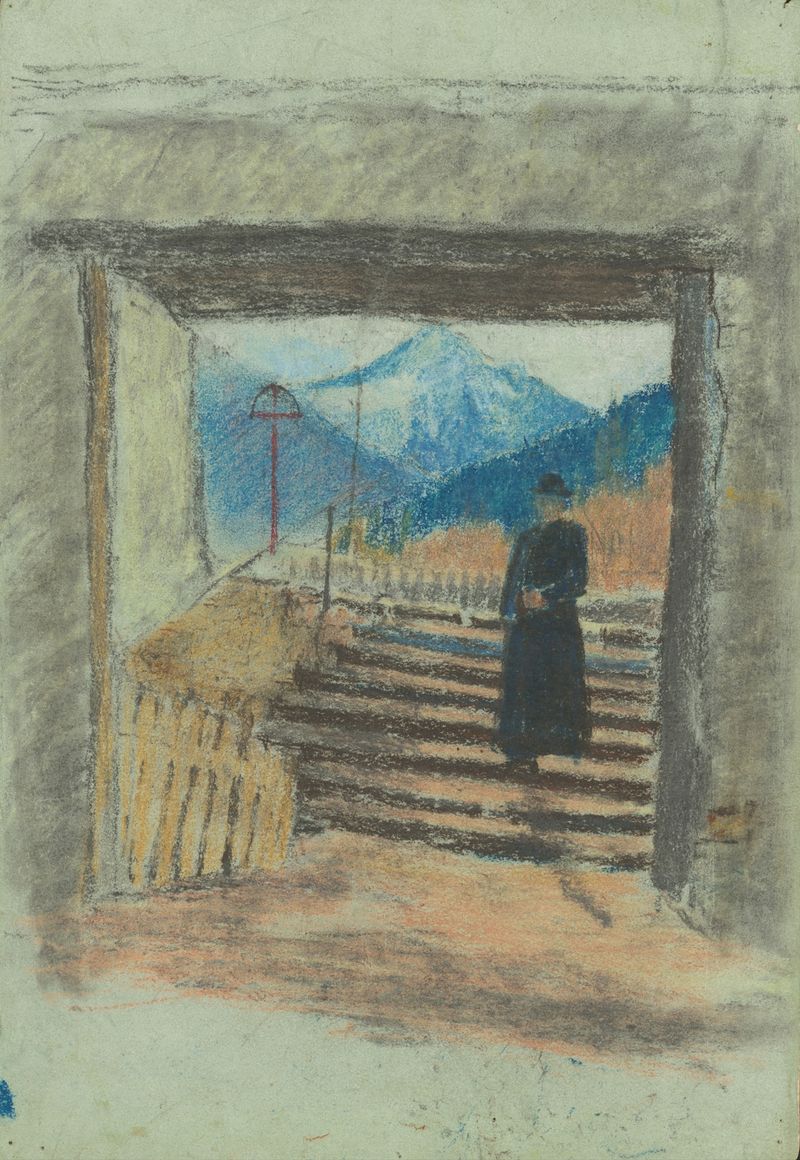
Out of Cemetery
Ladislav Mednyánszky

Lomnický Peak
Ladislav Mednyánszky

Nad riekou
Ladislav Mednyánszky
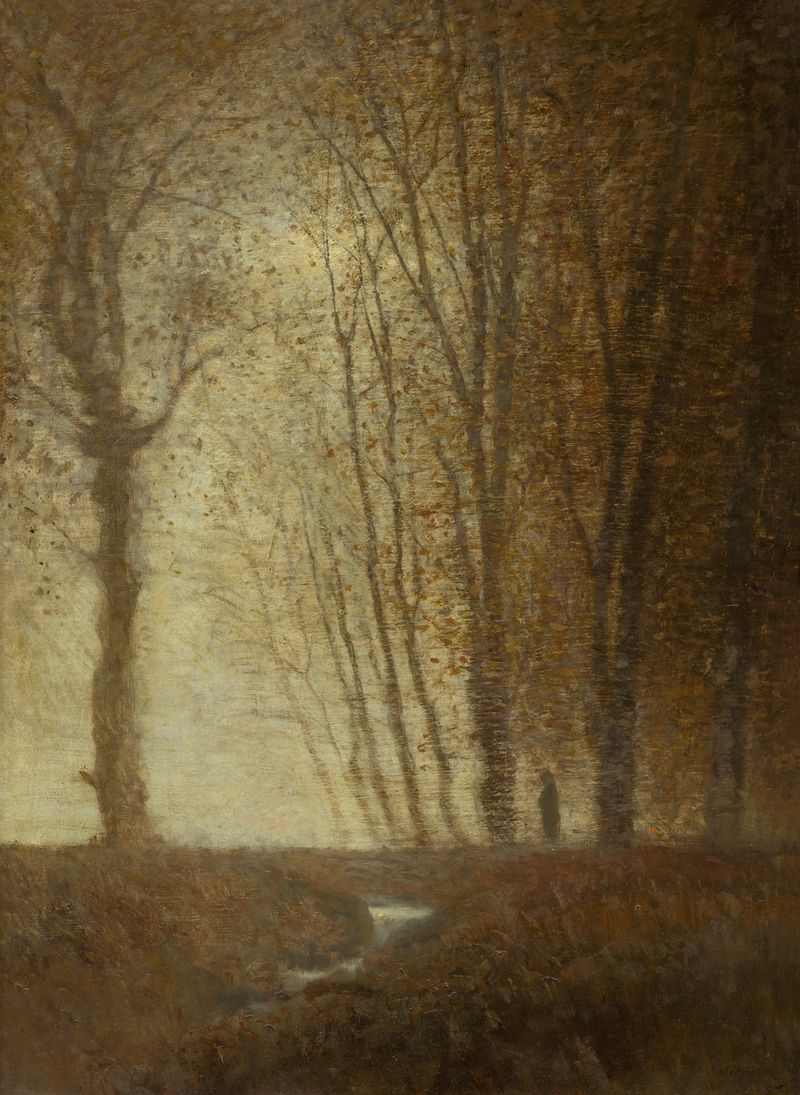
Edge of the Forest in the Moonlight
Ladislav Mednyánszky

View of the Ruins of Súľov
Ladislav Mednyánszky

Landscape with a Lake
Ladislav Mednyánszky
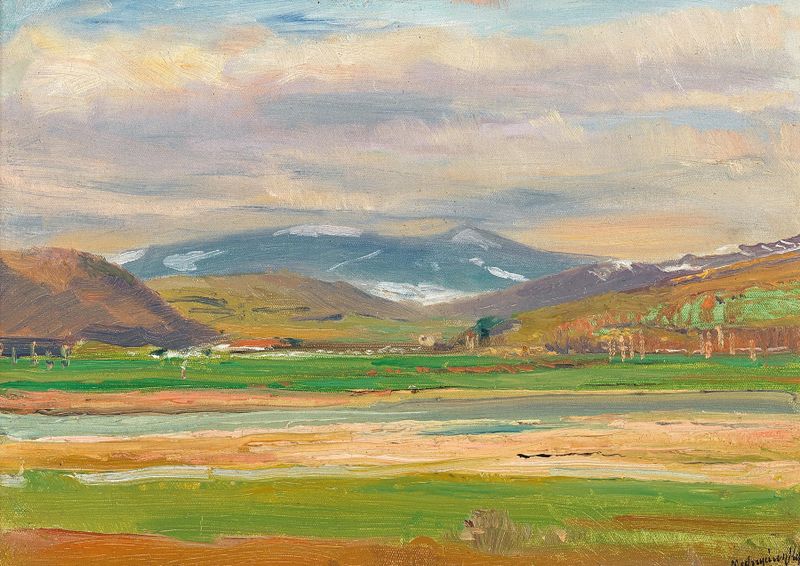
A Spring Landscape at the Foot of the Tatras
Ladislav Mednyánszky

A Wintry Forest
Ladislav Mednyánszky
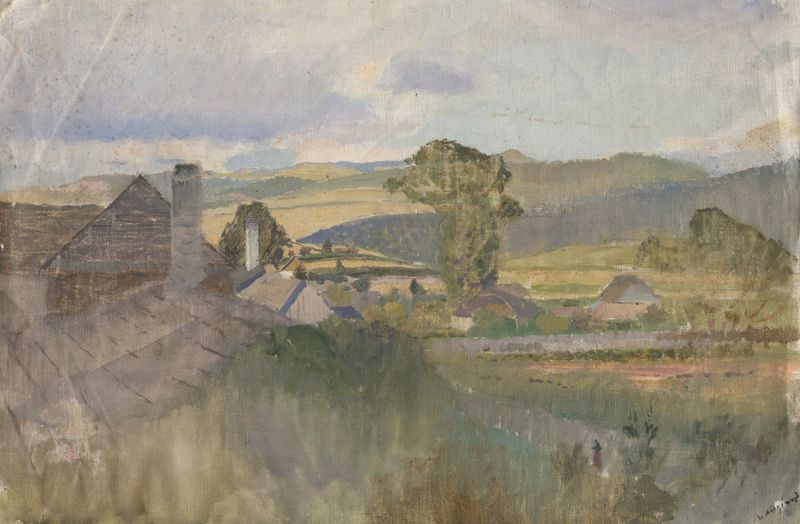
Village below the Tatras
Ladislav Mednyánszky





