Discover insights about this artwork
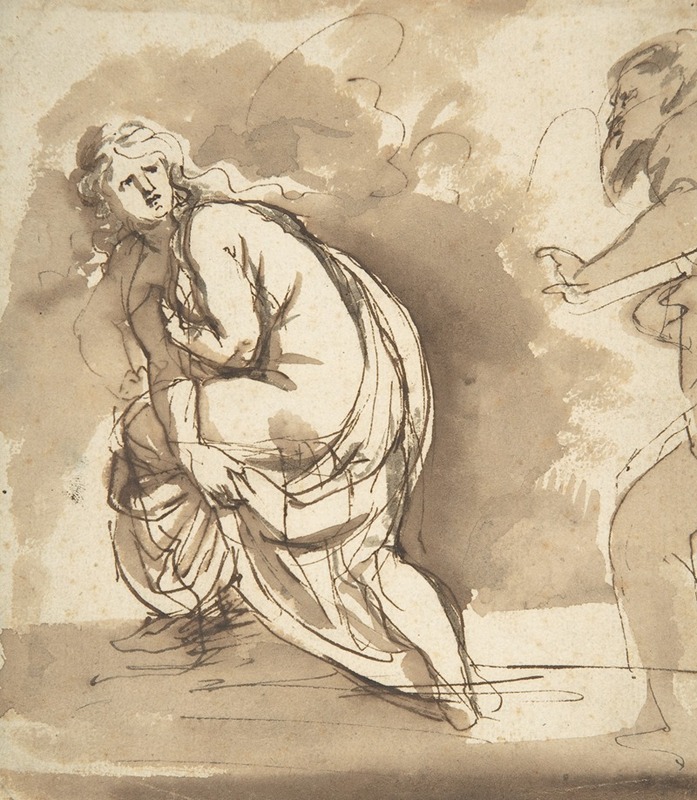
The Abduction of Europa — History & Facts
In The Abduction of Europa, Rembrandt van Rijn presents a dynamic scene filled with rich colors. The painting features Europa, a beautiful woman, being taken away by Zeus in the form of a bull. The background is a lush landscape, enhancing the drama of the moment.
The use of light and shadow adds depth to the figures and setting. The painting is created using oil on canvas, a common medium for Rembrandt. The dimensions are approximately 130 x 180 cm, making it a sizable work. The artist employs a dramatic composition, with the figures arranged in a way that draws the viewer's eye to the central action.
The brushwork is characteristic of the Dutch Golden Age, showcasing both detail and movement. Rembrandt van Rijn painted this work around 1632, during a time when he was exploring themes of mythology and human emotion. An interesting fact about this painting is that it reflects the artist's interest in classical stories, which was a popular theme in the art of his time. The abduction of Europa is a well-known myth that has inspired many artists throughout history.
This piece stands out for its emotional intensity and masterful use of light.
More Artworks by Rembrandt van Rijn
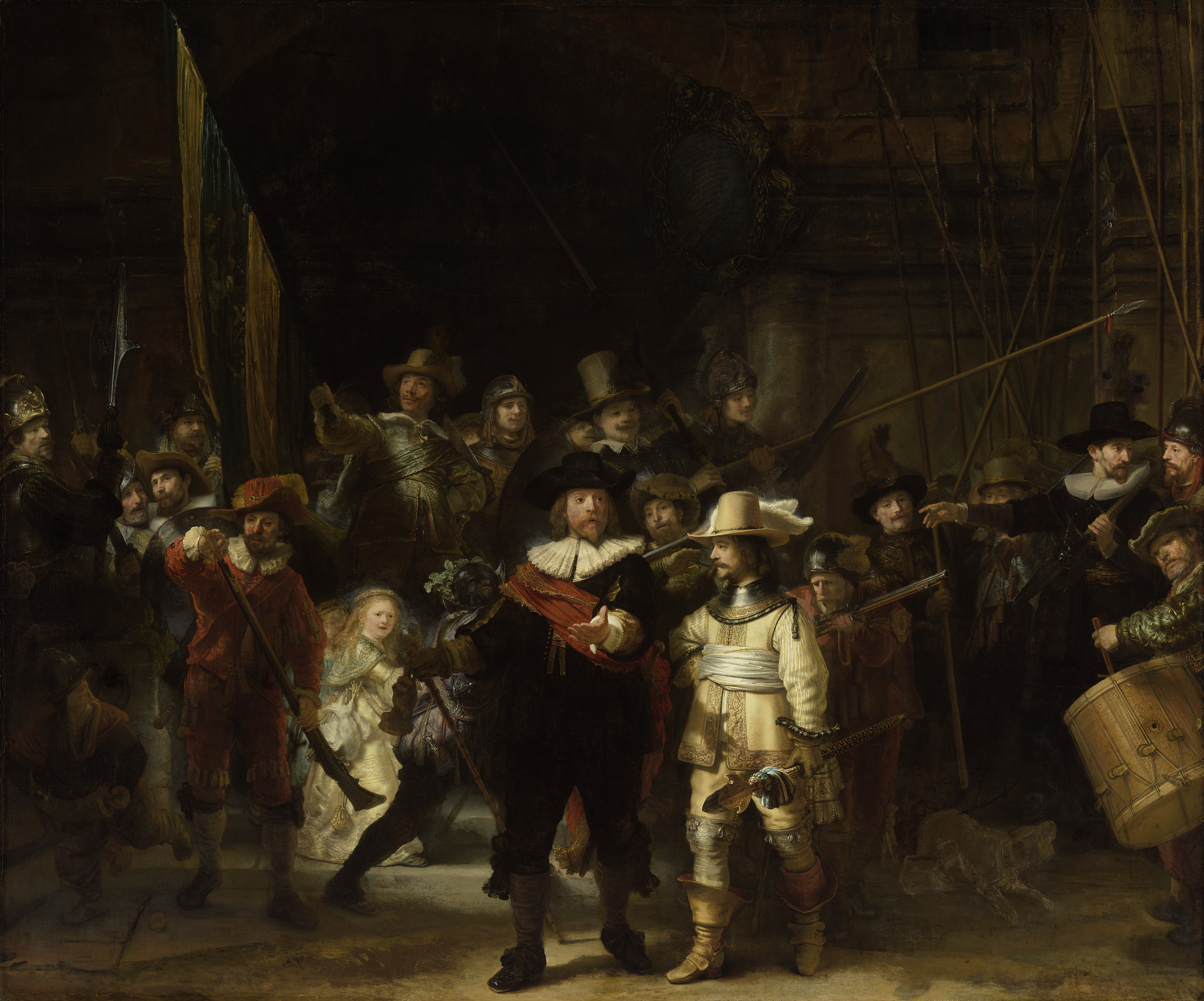
The Night Watch Militia Company of District II under the Command of Captain Frans Banninck Cocq
Rembrandt van Rijn
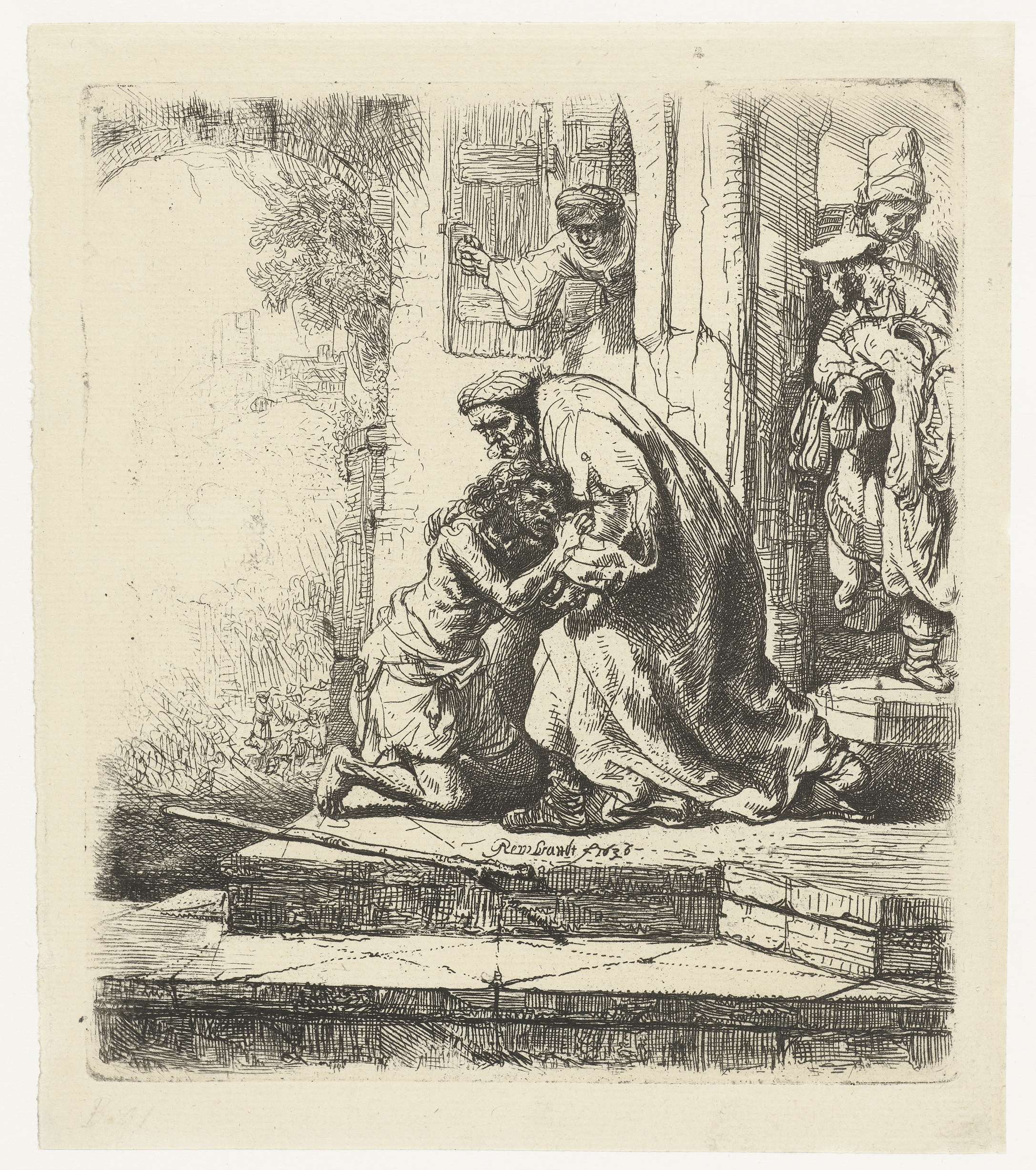
The Return of the Prodigal Son
Rembrandt van Rijn
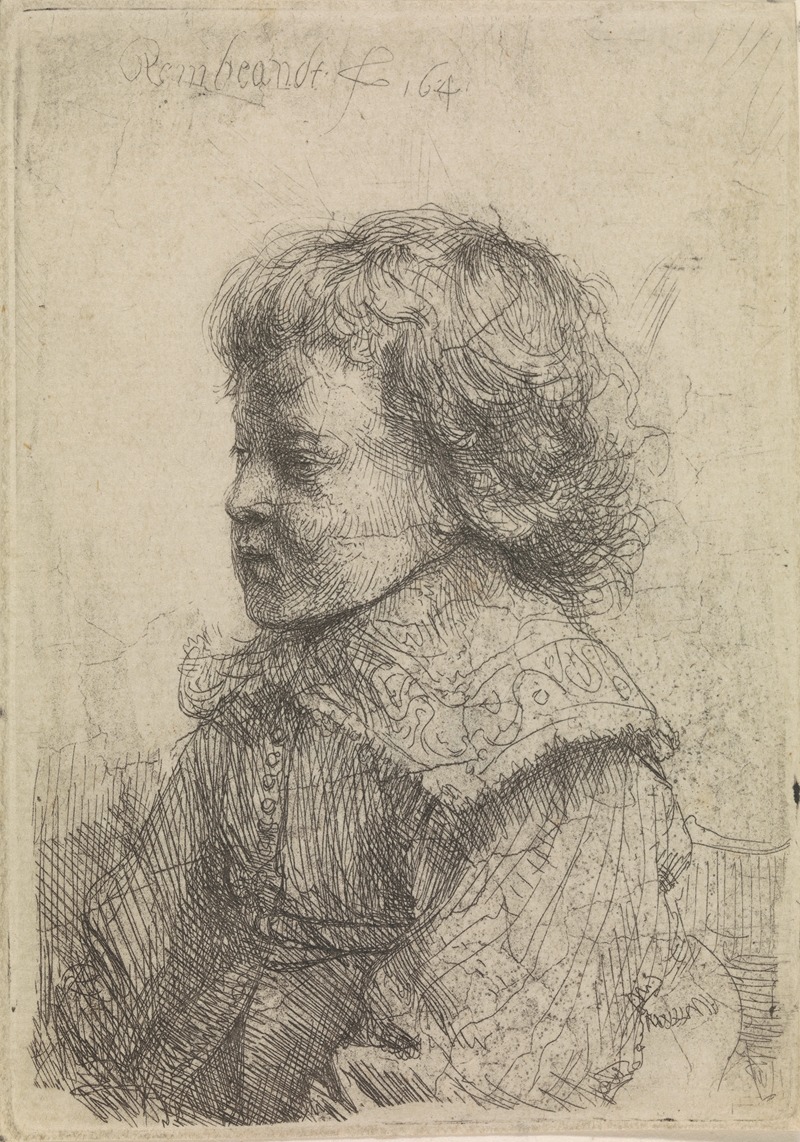
Portrait of a boy in profile
Rembrandt van Rijn
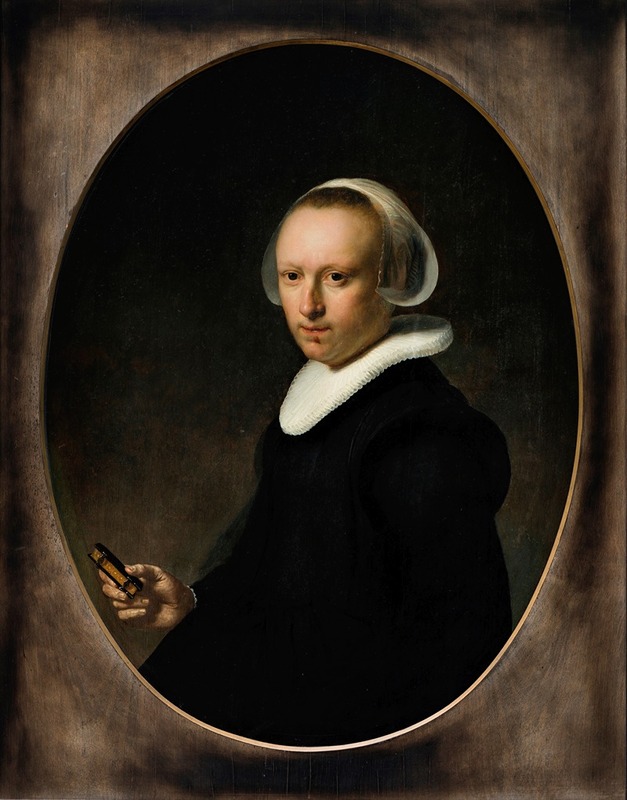
Portrait of a 39-year-old Woman
Rembrandt van Rijn
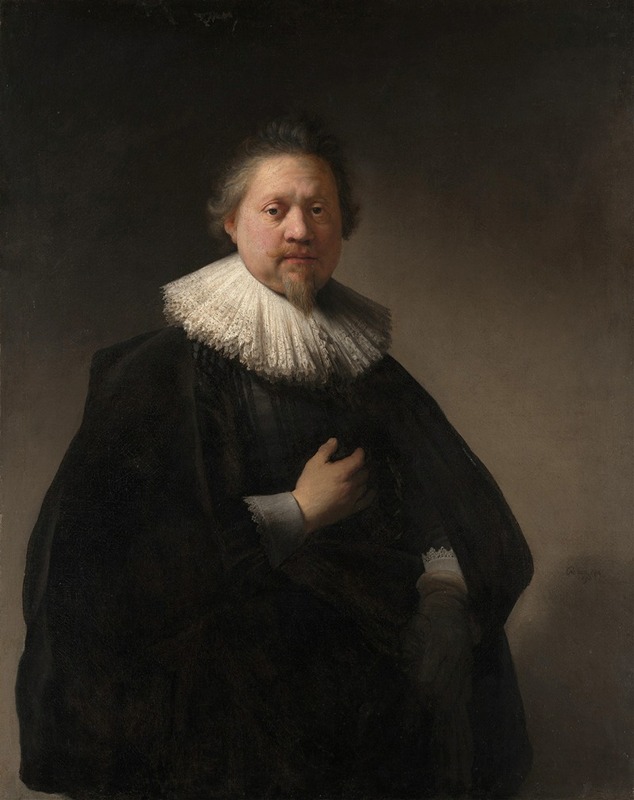
Portrait of a Man
Rembrandt van Rijn
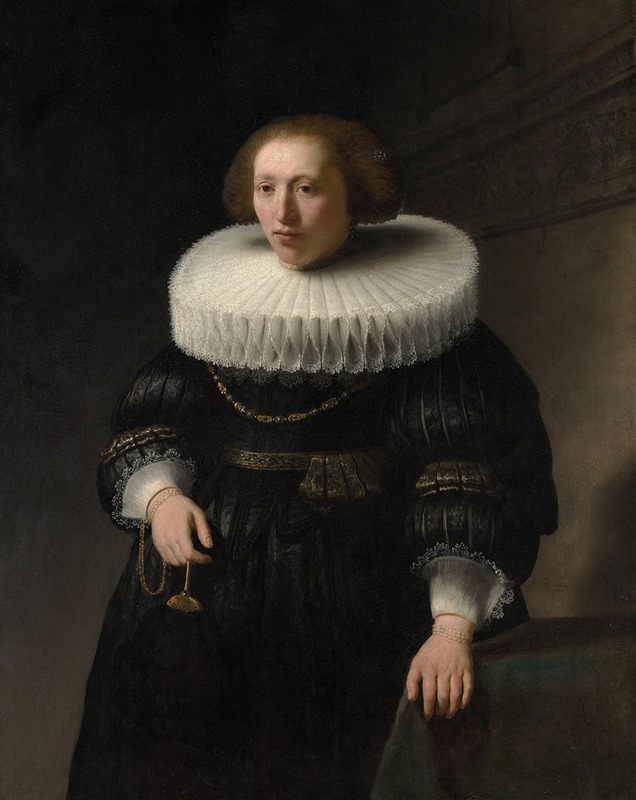
Portrait of a Woman
Rembrandt van Rijn
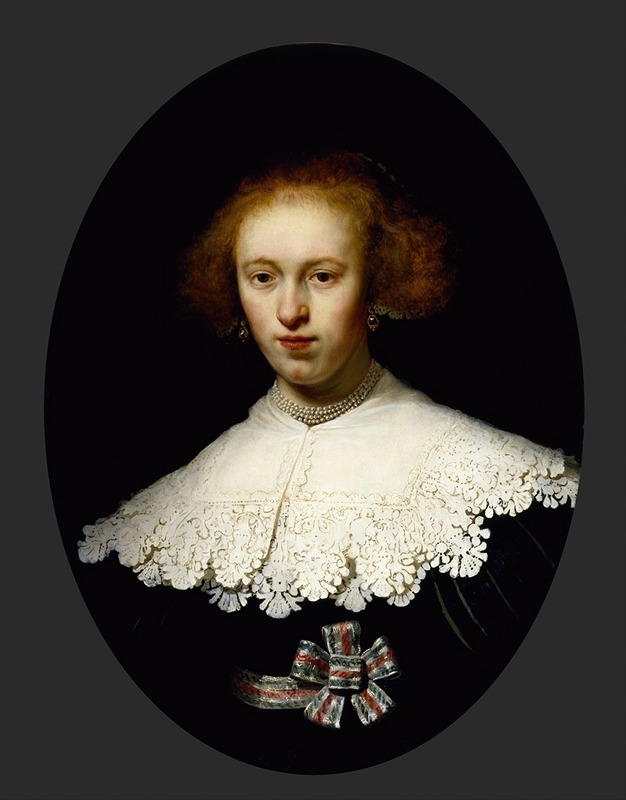
Portrait of a Young Woman
Rembrandt van Rijn
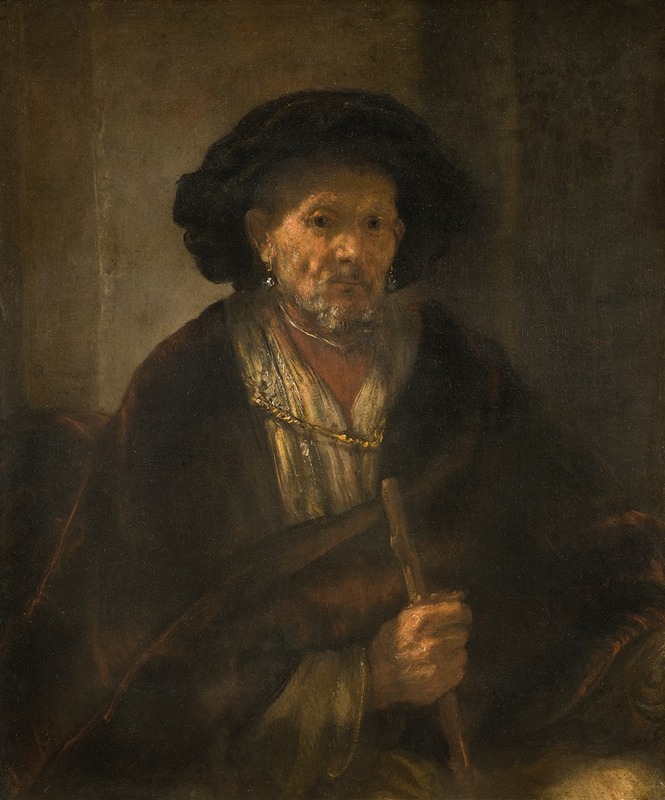
Portrait of an Old Man
Rembrandt van Rijn
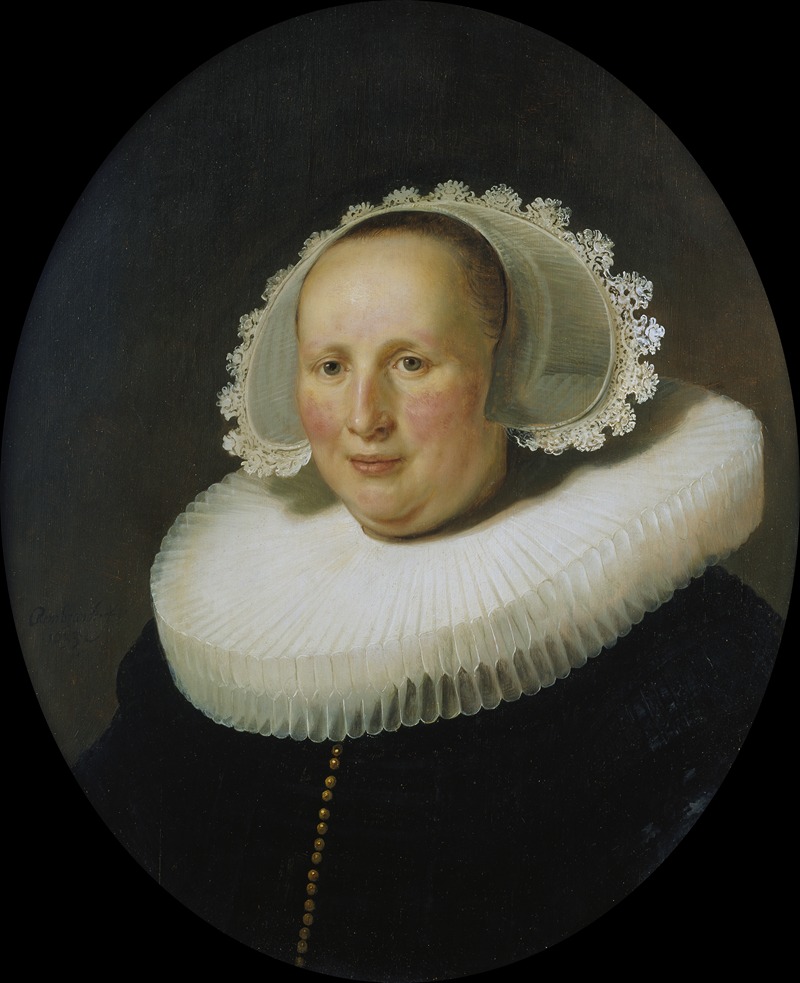
Portrait of Maertgen van Bilderbeecq
Rembrandt van Rijn
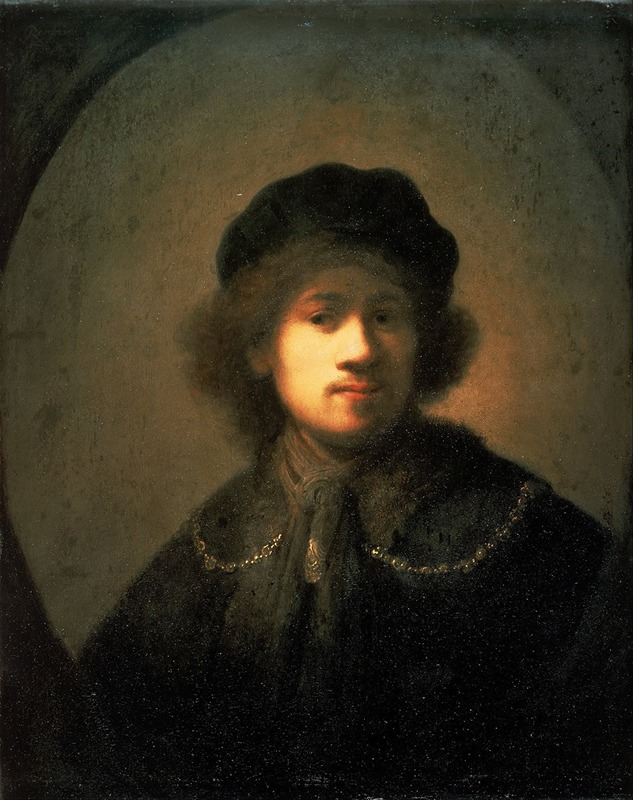
Portrait of the Artist as a Young Man
Rembrandt van Rijn