Discover insights about this artwork
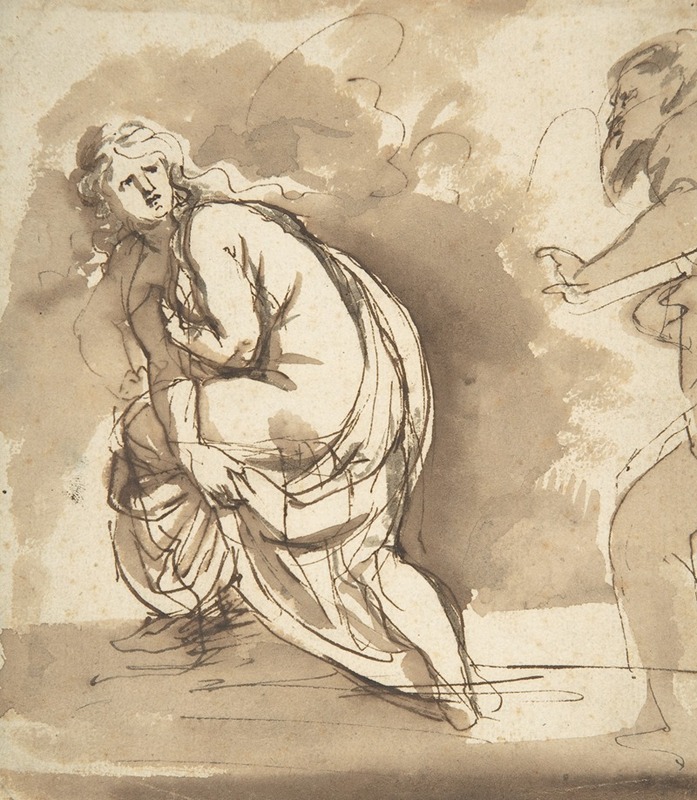
The Abduction of Ganymede — History & Facts
In The Abduction of Ganymede, Rembrandt van Rijn presents a vibrant scene filled with rich colors. The painting features Ganymede, a young boy, being taken by Zeus in the form of an eagle. The figures are dynamic, with a strong sense of movement and emotion.
The background is a dramatic sky, adding to the intensity of the moment. The painting is executed in oil on canvas, a common medium for Rembrandt. The use of light and shadow is particularly notable, showcasing the artist's mastery of chiaroscuro. The colors are deep and saturated, enhancing the emotional impact of the scene.
Viewers can observe the intricate details in the figures' expressions and the textures of their clothing. Rembrandt van Rijn painted this work during the Dutch Golden Age, a period marked by great artistic achievement. This painting illustrates a mythological theme, which was popular among artists of the time. An interesting fact is that Ganymede was often associated with beauty and youth, making him a fitting subject for Rembrandt's exploration of human emotion.
The work reflects the artist's ability to blend classical themes with his unique style.
More Artworks by Rembrandt van Rijn
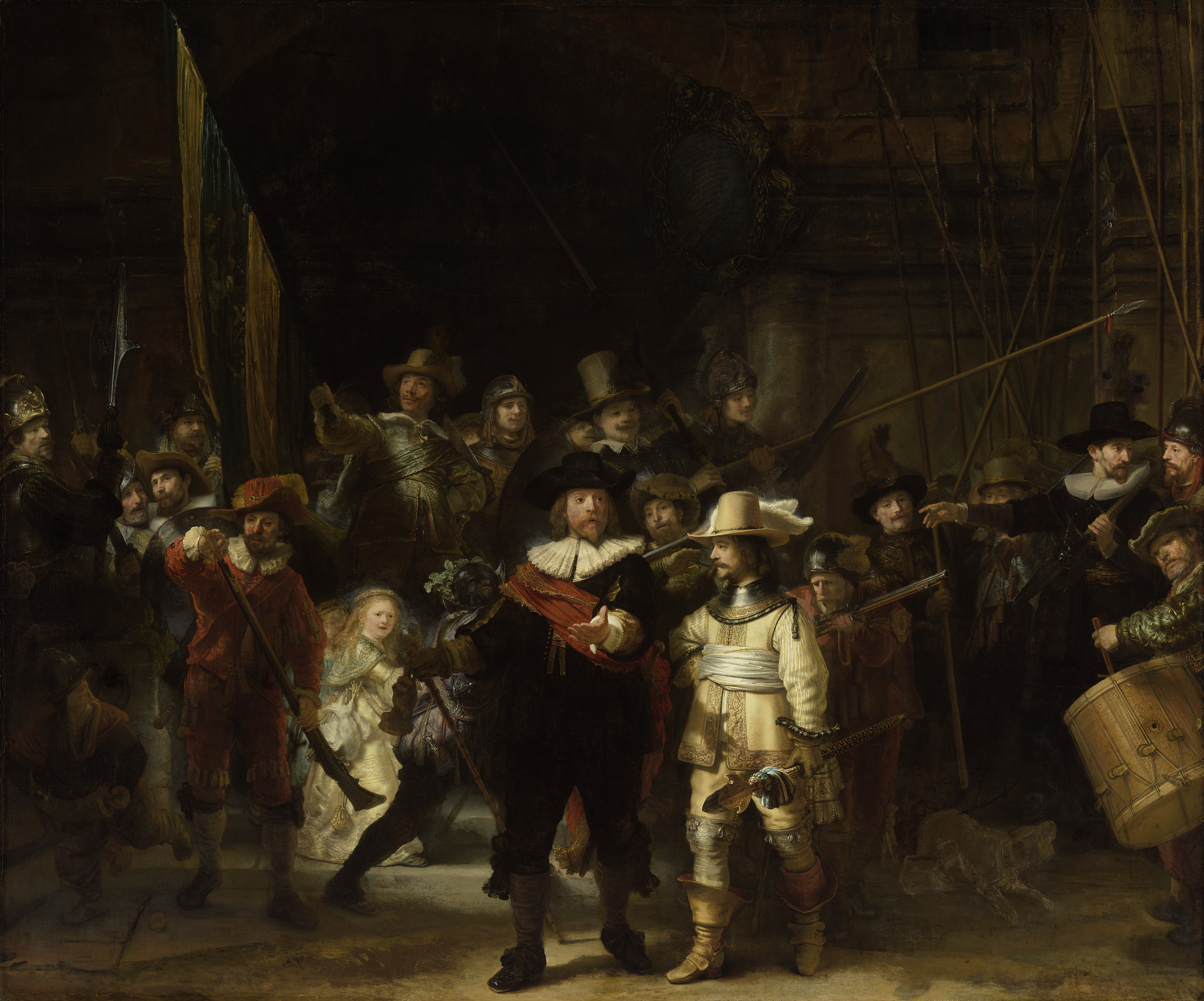
The Night Watch Militia Company of District II under the Command of Captain Frans Banninck Cocq
Rembrandt van Rijn
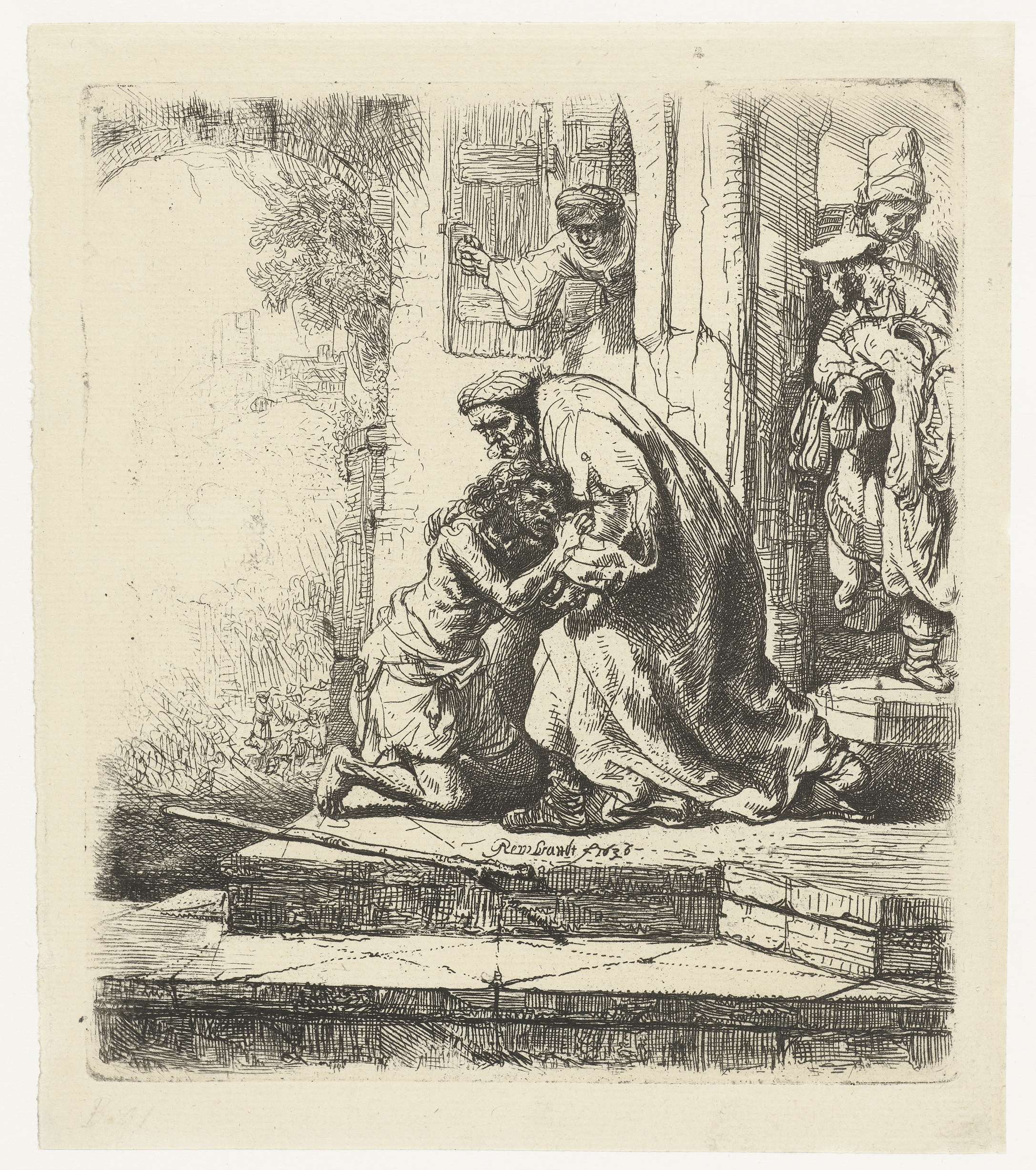
The Return of the Prodigal Son
Rembrandt van Rijn
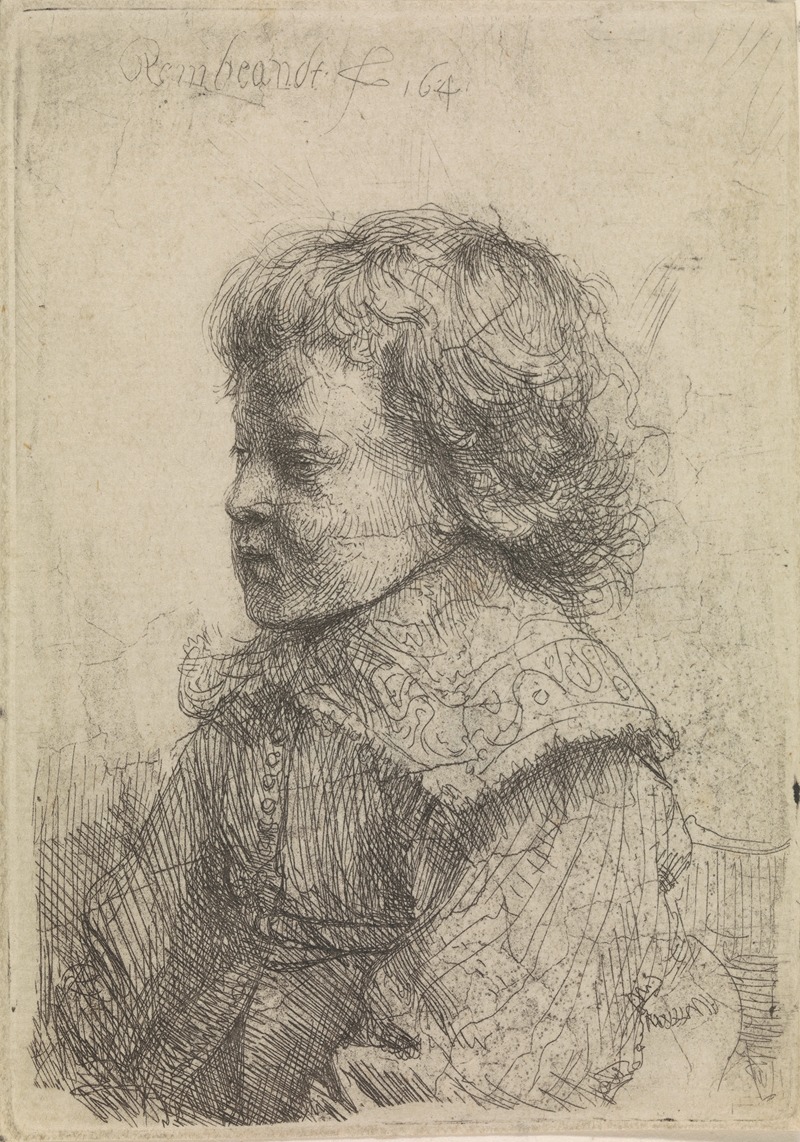
Portrait of a boy in profile
Rembrandt van Rijn
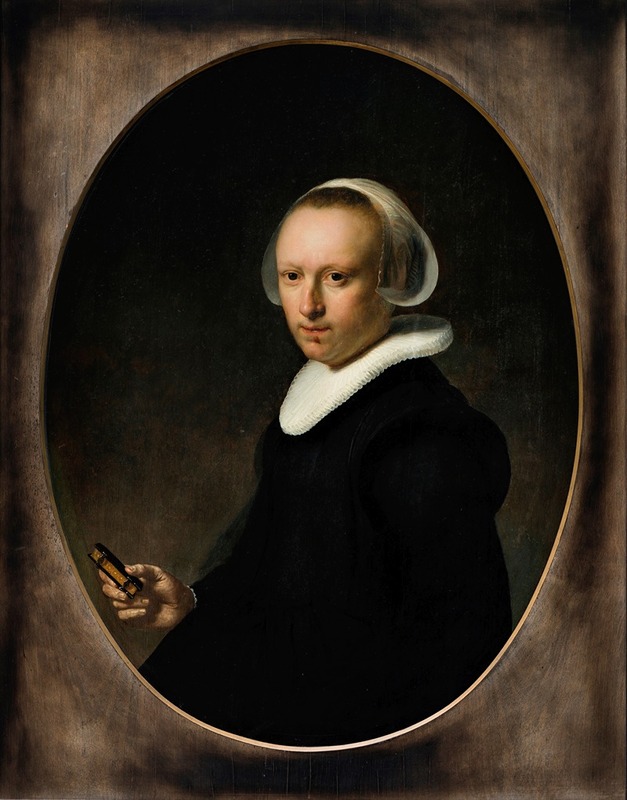
Portrait of a 39-year-old Woman
Rembrandt van Rijn
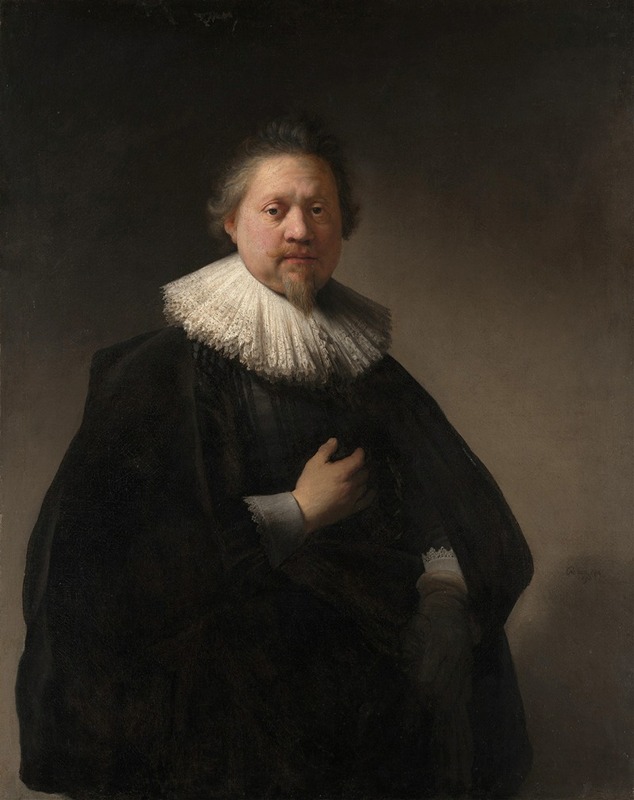
Portrait of a Man
Rembrandt van Rijn
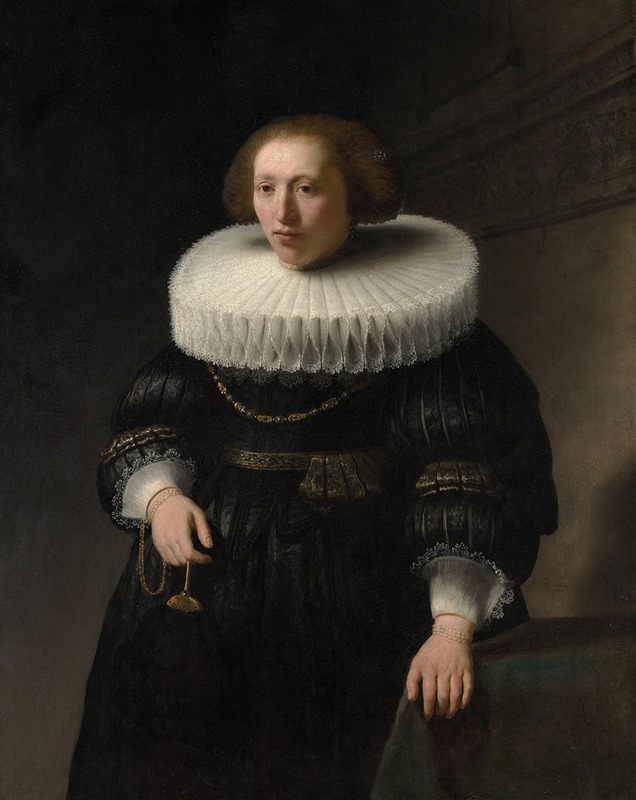
Portrait of a Woman
Rembrandt van Rijn
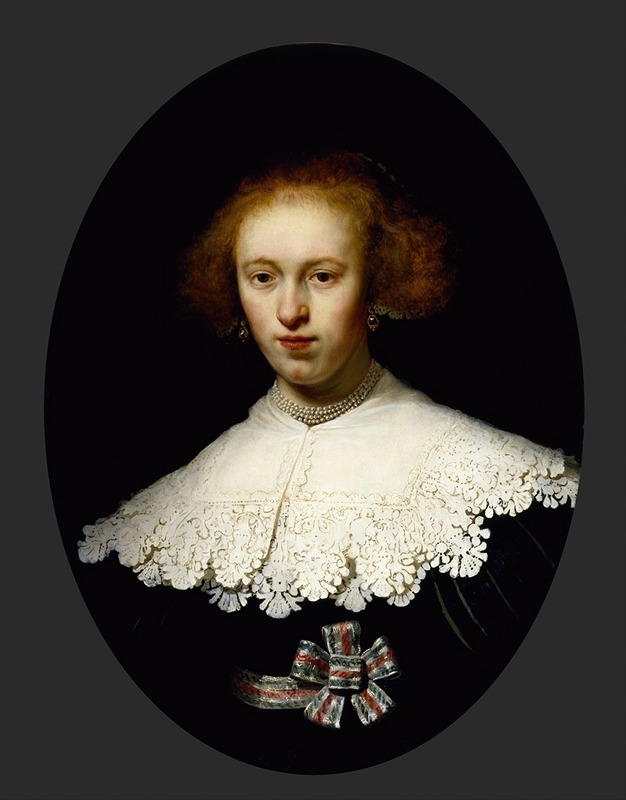
Portrait of a Young Woman
Rembrandt van Rijn
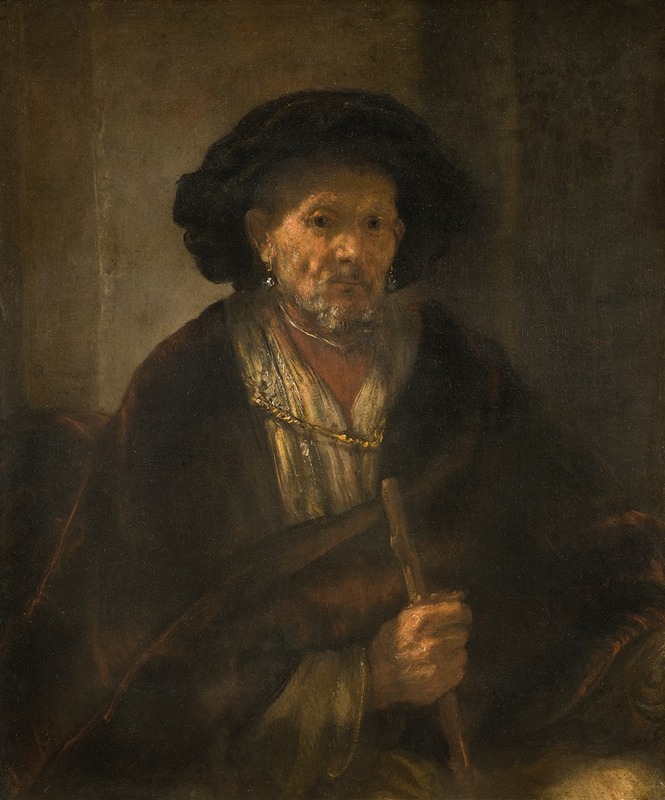
Portrait of an Old Man
Rembrandt van Rijn
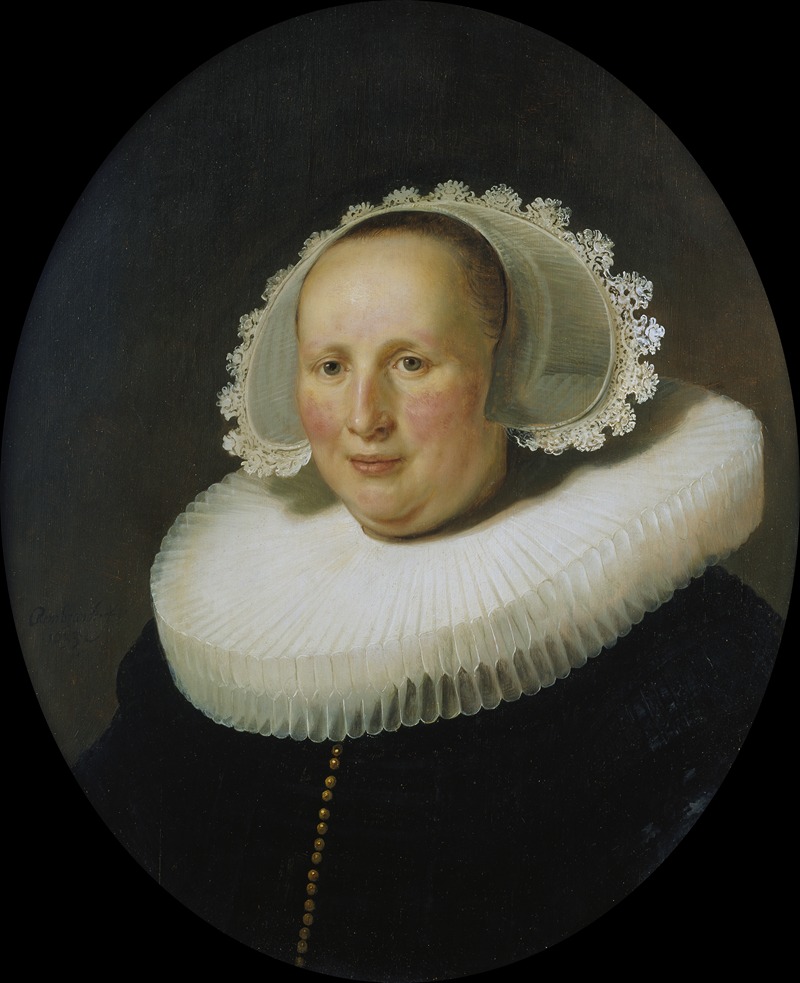
Portrait of Maertgen van Bilderbeecq
Rembrandt van Rijn
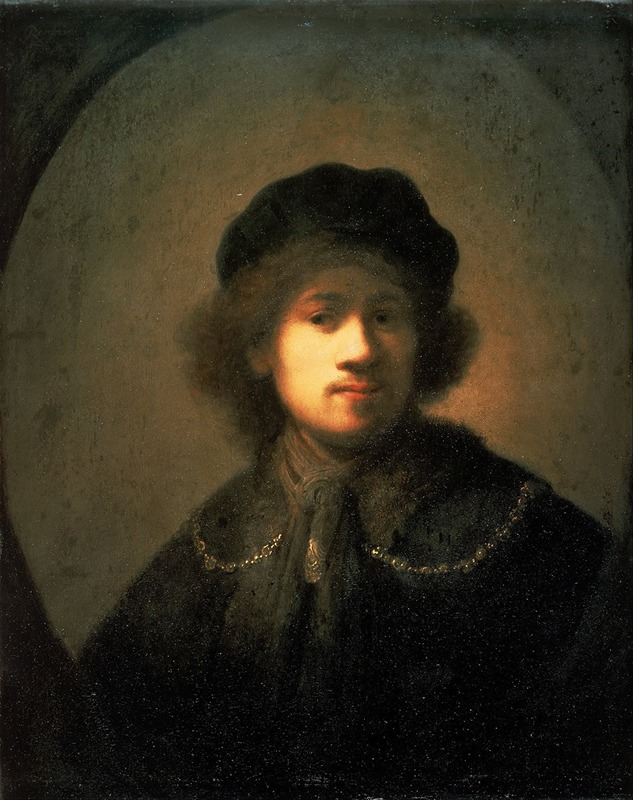
Portrait of the Artist as a Young Man
Rembrandt van Rijn