Discover insights about this artwork
The Abduction of Proserpina — History & Facts
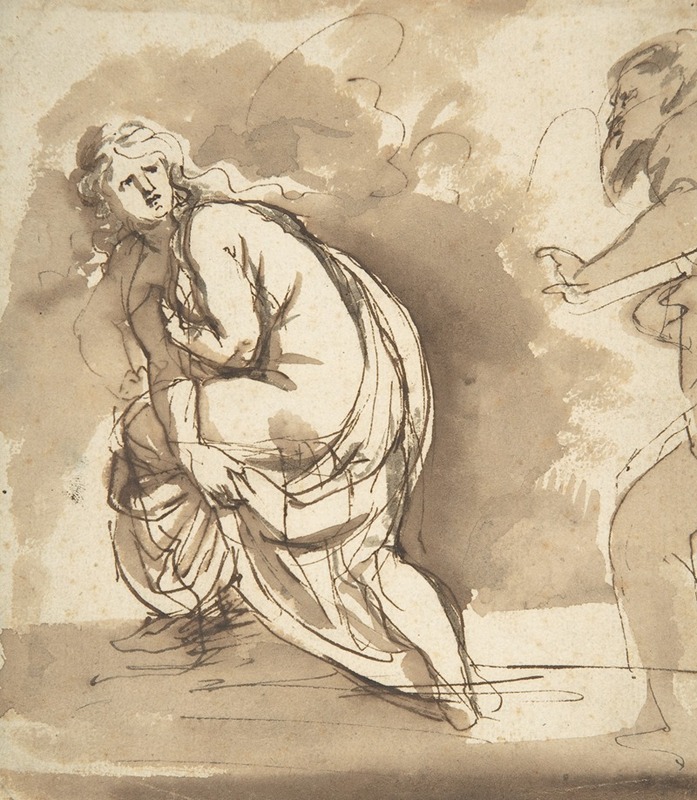
In The Abduction of Proserpina, Rembrandt van Rijn presents a vivid scene filled with dynamic movement and rich colors. The figures are depicted with dramatic expressions, capturing the tension of the moment. Proserpina, the central figure, is shown in a state of distress as she is being taken away.
The background features a lush, dark landscape that enhances the emotional intensity of the scene. The painting is executed in oil on canvas, a common medium for Rembrandt during the Dutch Golden Age. The use of chiaroscuro is prominent, highlighting the figures against the darker background. Viewers can observe the intricate details in the clothing and the textures of the skin, showcasing Rembrandt's skill in capturing human emotion.
The composition draws the eye towards the central action, creating a sense of urgency. Rembrandt van Rijn was known for his ability to convey complex narratives through his art. This work, created in the c. 1630s, reflects his interest in mythology and dramatic storytelling.
An interesting fact about this painting is that it demonstrates Rembrandt's early exploration of light and shadow, which would become a hallmark of his later works. It is currently housed in the Rijksmuseum, a fitting location for such a significant piece.
More Artworks by Rembrandt van Rijn
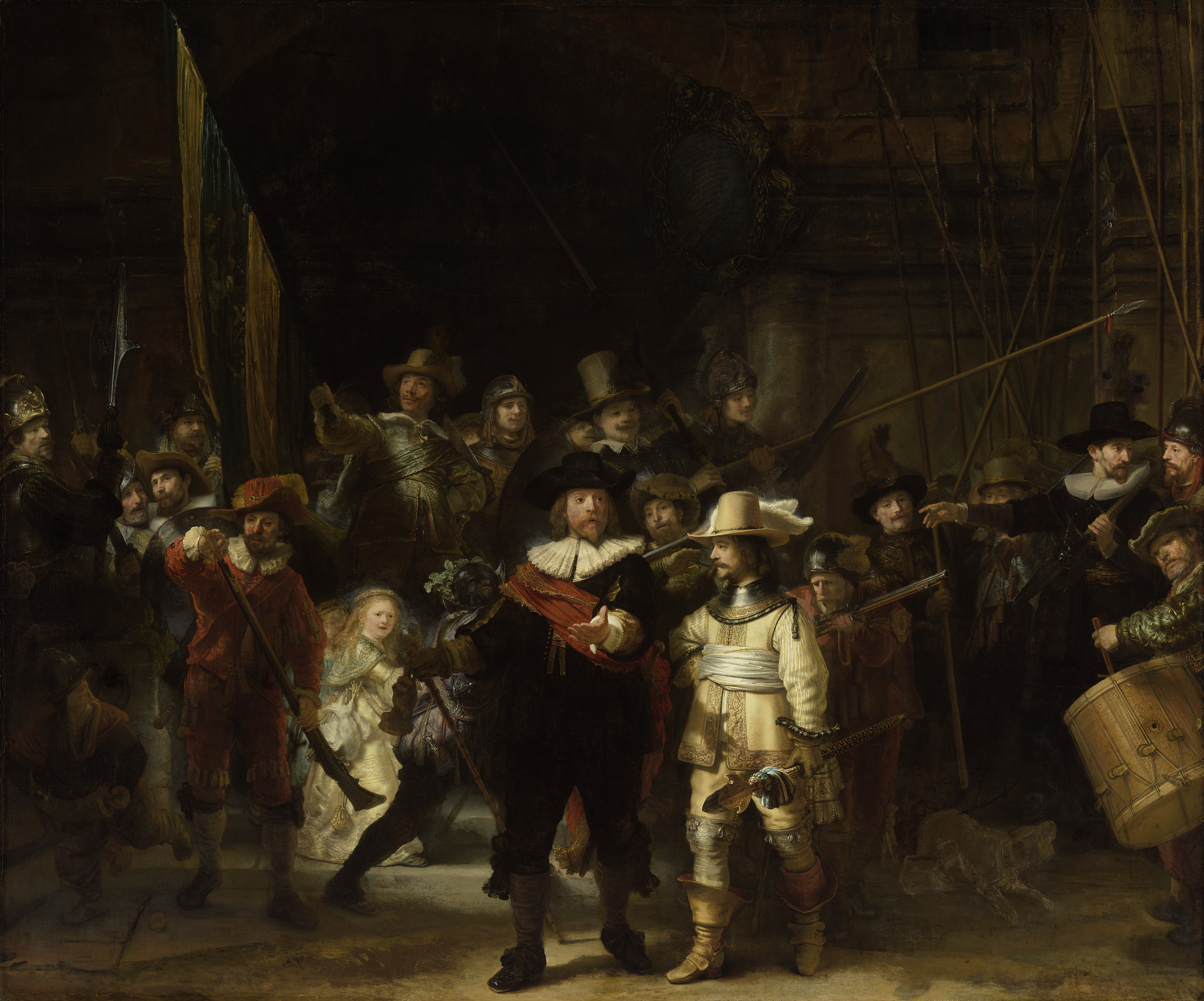
The Night Watch Militia Company of District II under the Command of Captain Frans Banninck Cocq
Rembrandt van Rijn
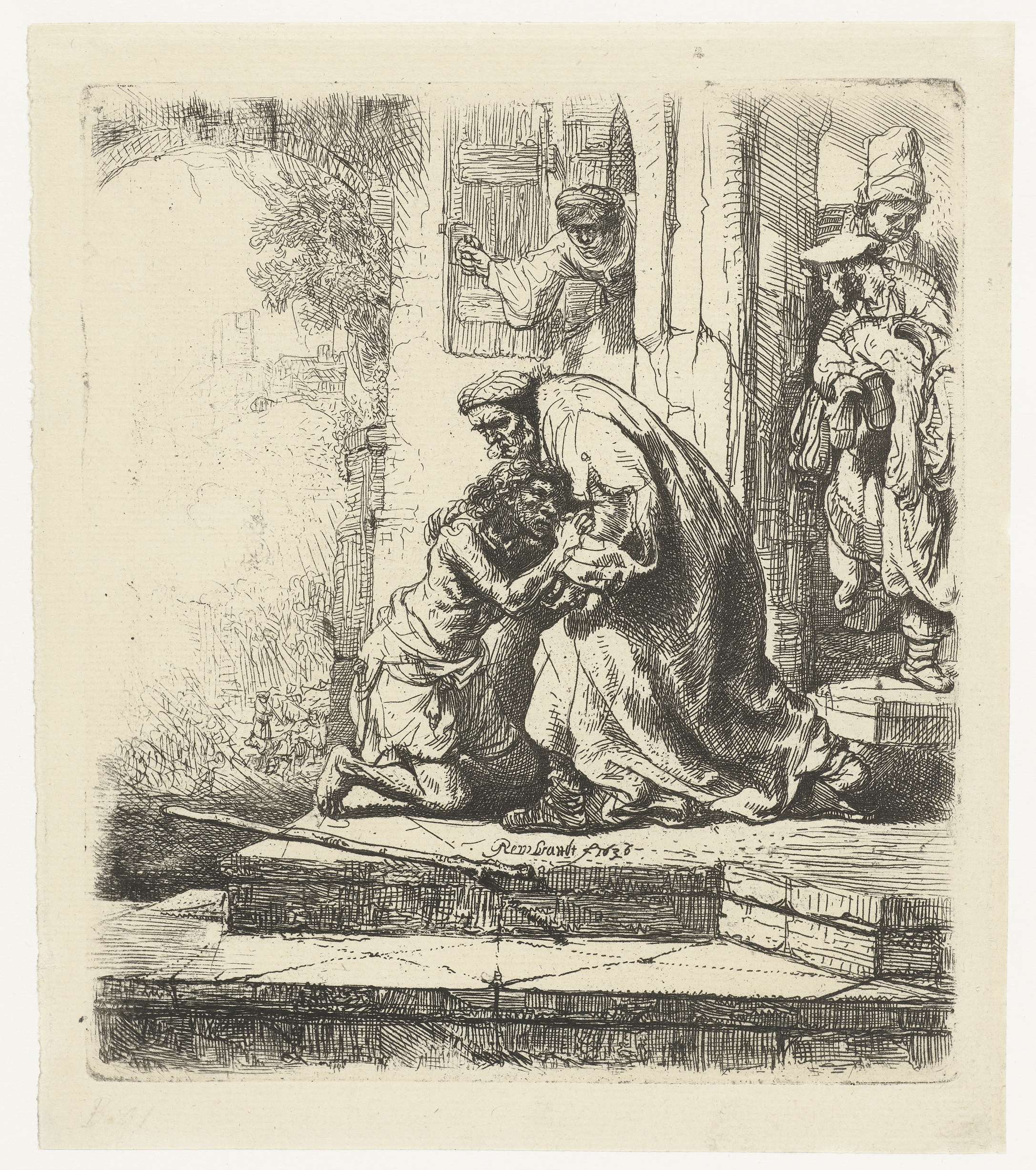
The Return of the Prodigal Son
Rembrandt van Rijn
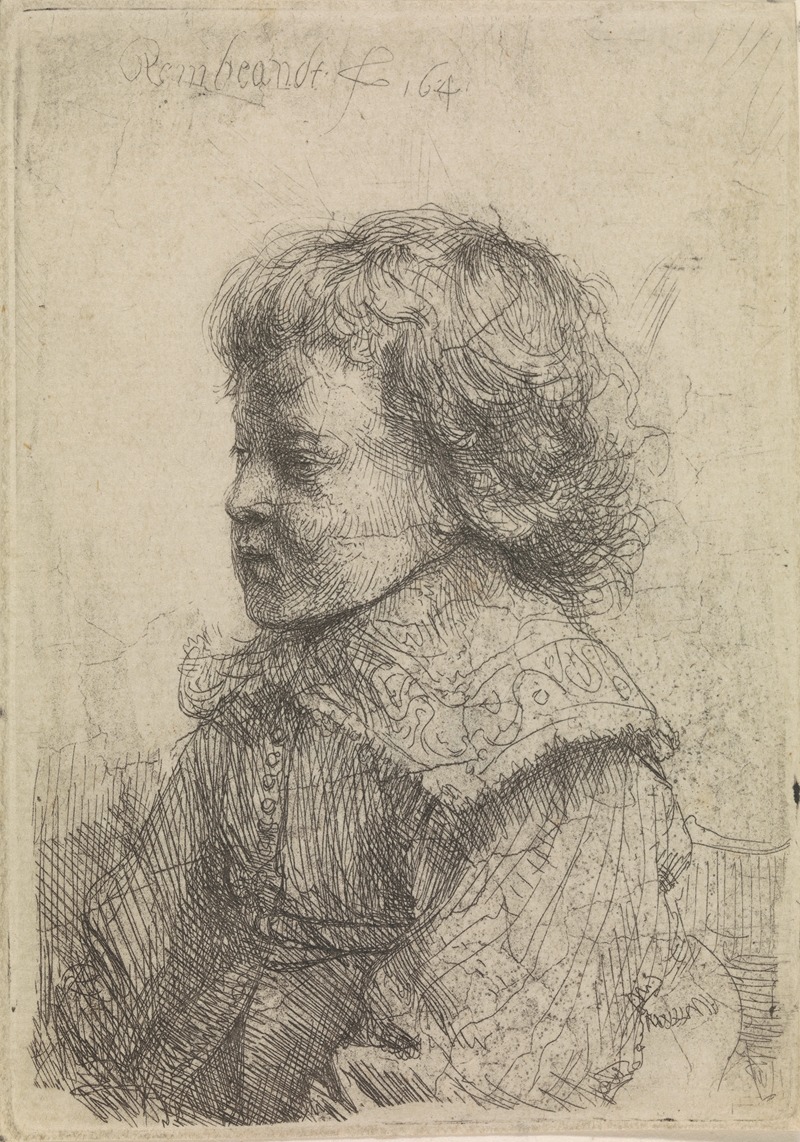
Portrait of a boy in profile
Rembrandt van Rijn
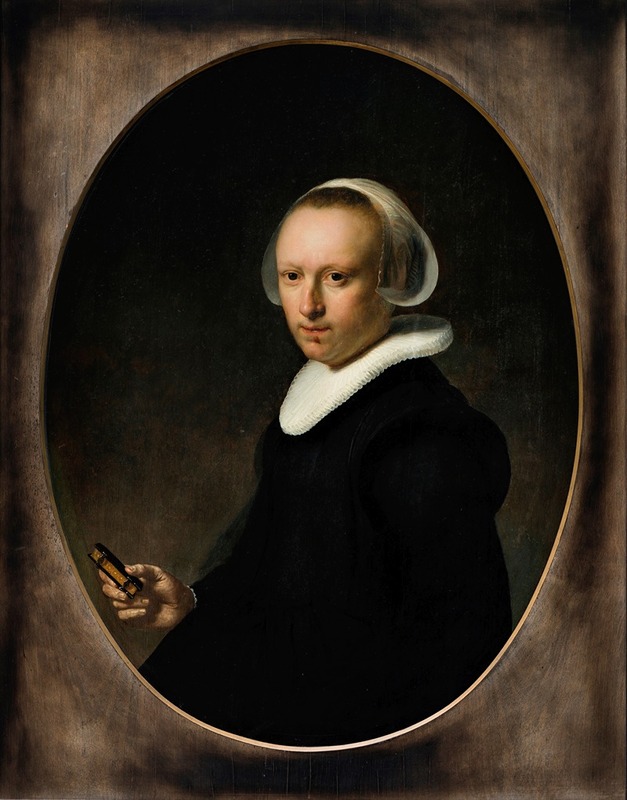
Portrait of a 39-year-old Woman
Rembrandt van Rijn
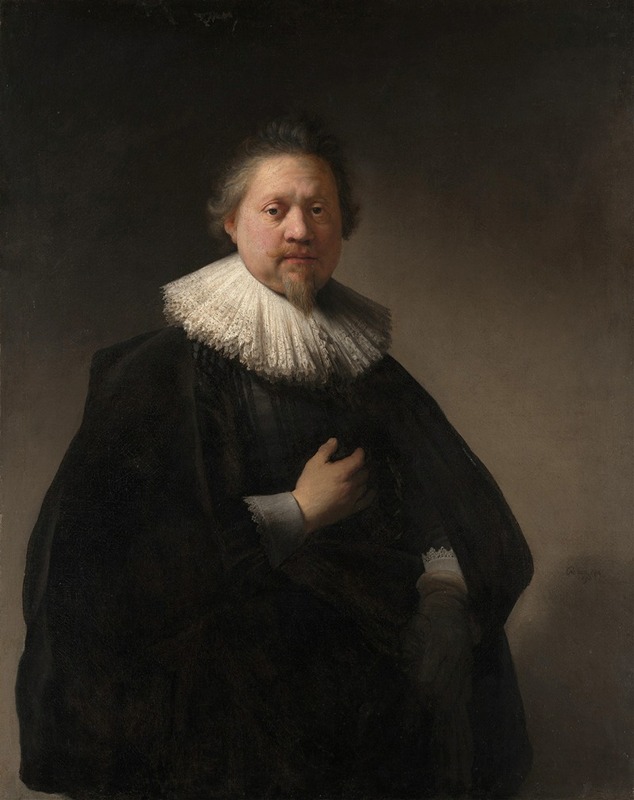
Portrait of a Man
Rembrandt van Rijn
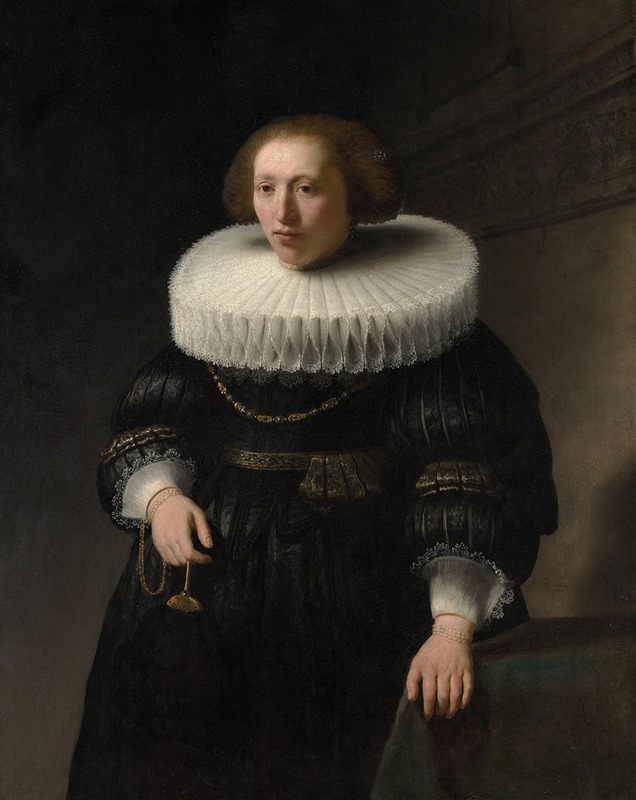
Portrait of a Woman
Rembrandt van Rijn
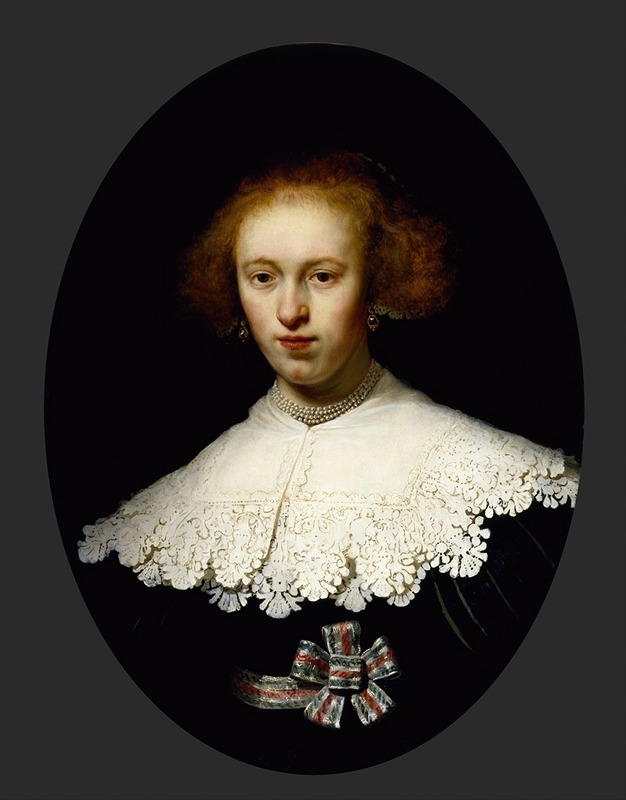
Portrait of a Young Woman
Rembrandt van Rijn
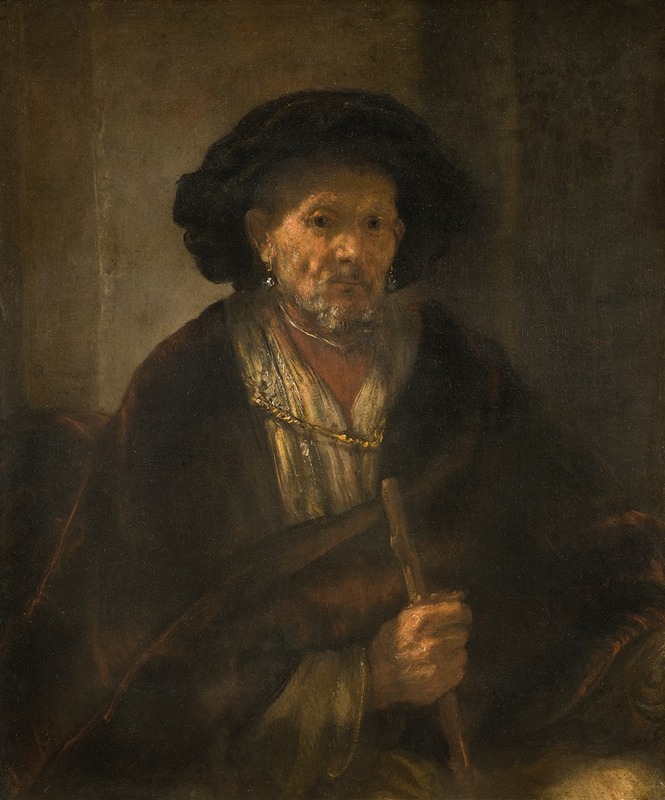
Portrait of an Old Man
Rembrandt van Rijn
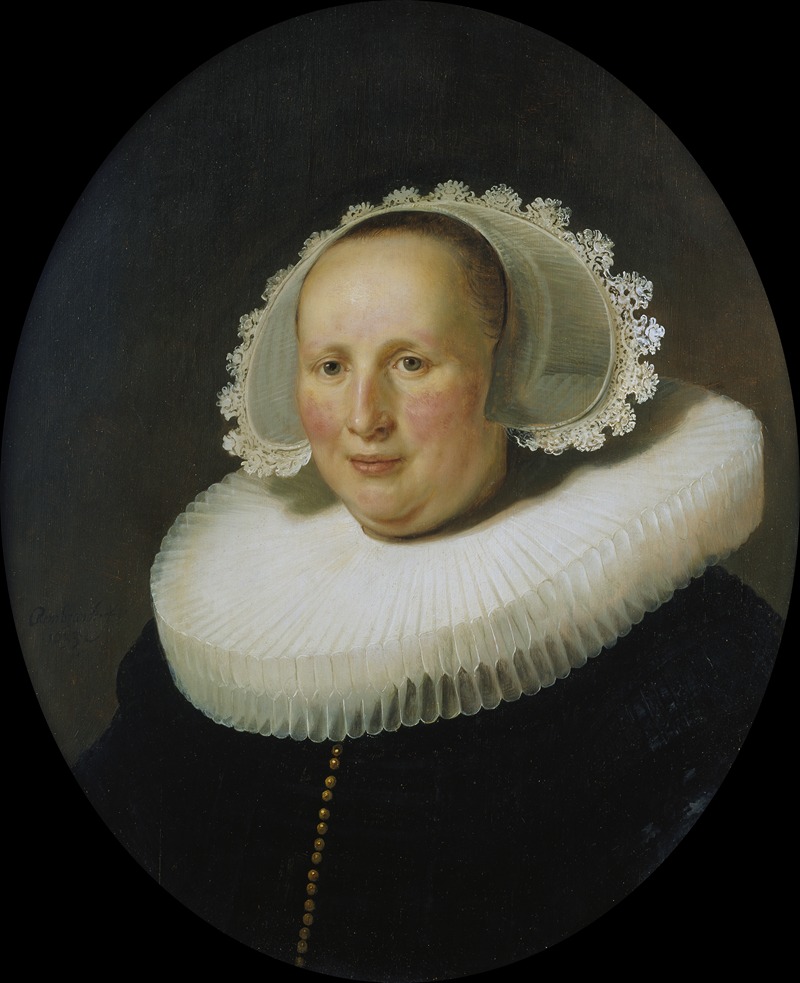
Portrait of Maertgen van Bilderbeecq
Rembrandt van Rijn
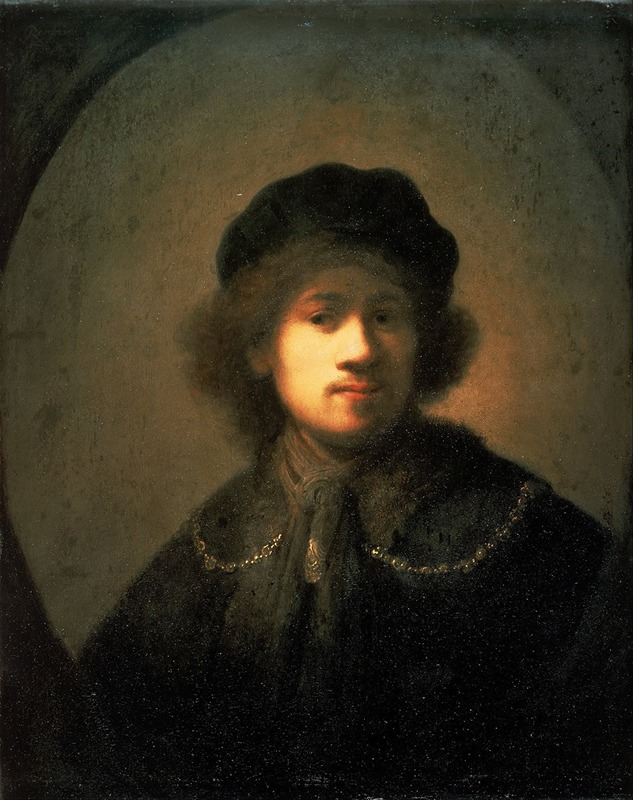
Portrait of the Artist as a Young Man
Rembrandt van Rijn