
The adoration of the shepherds: a night piece — History & Facts
In the dim light of a humble stable, the air hums with reverence. A group of shepherds huddles around a newborn, their faces a tapestry of awe and quiet grief. The flickering candlelight casts long shadows, accentuating the delicate features of the infant, while the surrounding figures lean in, their expressions a blend of wonder and sorrow, as if each breath of the child is both a miracle and a reminder of fragility. Look to the right at the shepherd in the foreground, whose outstretched hand reaches toward the infant.
Notice how the play of light illuminates his weathered face, bringing forth the lines of his toil and age. The muted palette of browns and golds enhances the intimacy of the moment, drawing the viewer into a sacred space where divinity meets humanity. Rembrandt's masterful use of chiaroscuro heightens the emotional depth, enveloping the figures in a warm yet somber glow. Amidst the joy of newfound life lies a subtle undercurrent of grief.
The expressions of the shepherds suggest a collective yearning, perhaps reflecting their awareness of the trials that await this fragile child. The interplay of light and shadow not only highlights the physical presence of the figures but also evokes the weight of their burdens—their hopes intertwined with the inevitability of loss, underscoring the fragile nature of existence. In 1657, Rembrandt painted this piece during a period marked by both personal and artistic challenges. He had recently faced the death of his beloved son, and the world around him was filled with tumult, leading to a deeper exploration of themes like loss and redemption in his work.
It was a time when the artist was both celebrated and critiqued, yet he remained steadfast in his pursuit of emotional truth, as vividly illustrated in this poignant tableau.
More Artworks by Rembrandt van Rijn
Browse all →
The Night Watch Militia Company of District II under the Command of Captain Frans Banninck Cocq
Rembrandt van Rijn

The Return of the Prodigal Son
Rembrandt van Rijn

The Hundred Guilder Print: the figures leaning on the wall in the centre left
Rembrandt van Rijn

The Hundred Guilder Print: the central piece with Christ preaching, the plate arched
Rembrandt van Rijn

Isaac and Rebecca, Known as ‘The Jewish Bride’
Rembrandt van Rijn
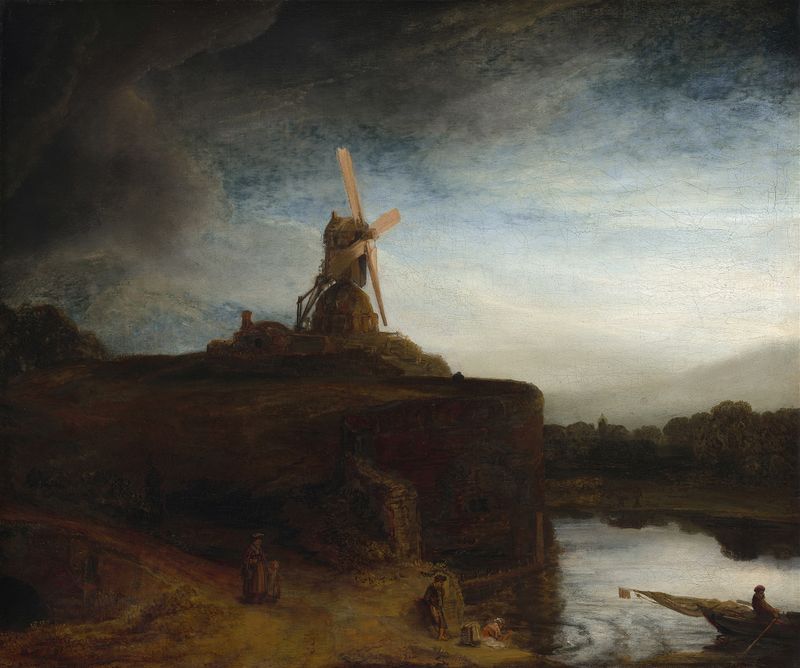
The Mill
Rembrandt van Rijn

The Sampling Officials of the Amsterdam Drapers’ Guild, Known as ‘The Syndics’
Rembrandt van Rijn

The return of the prodigal son
Rembrandt van Rijn
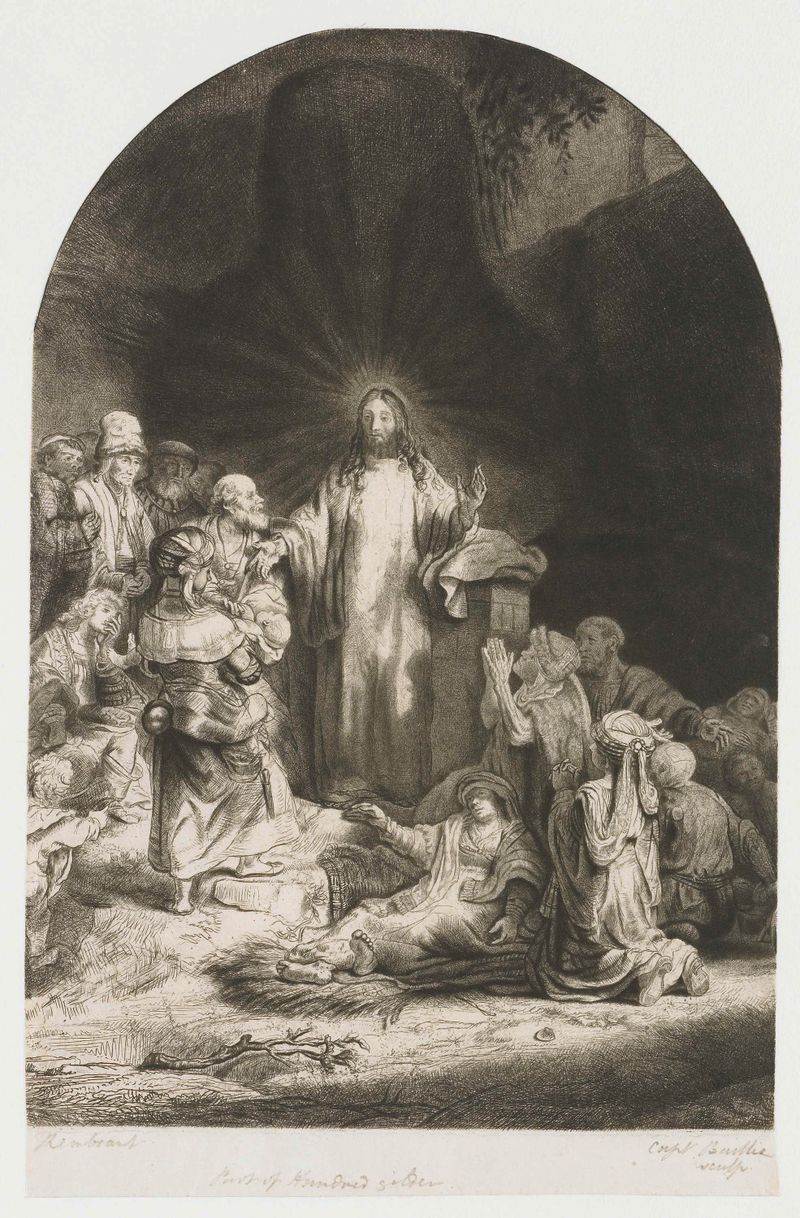
The Hundred Guilder Print: the central piece with Christ preaching, the plate arched
Rembrandt van Rijn

The Hundred Guilder Print: the man seen on the back in the lower left corner
Rembrandt van Rijn
More Religious Art
Browse all →The Return of the Prodigal Son
Rembrandt van Rijn

The Garden of Earthly Delights
El Bosco

Count Orgaz’ funeral
El Greco
The Hundred Guilder Print: the central piece with Christ preaching, the plate arched
Rembrandt van Rijn

The Descent from the Cross
Rogier van der Weyden
The return of the prodigal son
Rembrandt van Rijn