
The adoration of the shepherds: a night piece — History & Facts
In the stillness of the night, a humble stable reverberates with the hushed awe of its visitors. The shepherds, weary from their long journey, gather around the newly born child, their faces illuminated by a soft, divine light that seems to radiate from the infant himself. Shadows intertwine with the glow, creating a delicate dance that heightens the sacred atmosphere; the night is alive with both reverence and anticipation. Look to the center of the composition, where the radiant light bathes the infant in a golden hue, drawing your gaze instinctively.
Notice how the shadows enfold the figures around him, casting the shepherds in a near-mystical silhouette that evokes a sense of anonymity and universality. The contrast between light and dark showcases Rembrandt's mastery of chiaroscuro, emphasizing the emotional weight of the scene, where joy and humility intertwine in a quiet embrace. Within this gathering, the shepherds' expressions reveal layers of wonder, disbelief, and profound devotion, capturing the essence of their raw humanity. Pay attention to the outstretched hand of one shepherd, reaching towards the child; it symbolizes a surrender to the divine.
The presence of the animals, quietly observing the scene, further deepens the narrative, suggesting an intrinsic connection between all living beings in this moment of grace. Rembrandt painted this piece around 1657 during a time when his personal life was marked by both success and turmoil. Living in Amsterdam, he was at the forefront of the Dutch Golden Age, yet he faced financial challenges and personal losses. This tension in his life influenced the poignant, intimate quality of the work, which speaks not just to the biblical narrative but to the broader themes of faith and redemption that resonate through the ages.
More Artworks by Rembrandt van Rijn
Browse all →
The Night Watch Militia Company of District II under the Command of Captain Frans Banninck Cocq
Rembrandt van Rijn

The Return of the Prodigal Son
Rembrandt van Rijn

The Hundred Guilder Print: the figures leaning on the wall in the centre left
Rembrandt van Rijn

The Hundred Guilder Print: the central piece with Christ preaching, the plate arched
Rembrandt van Rijn

Isaac and Rebecca, Known as ‘The Jewish Bride’
Rembrandt van Rijn
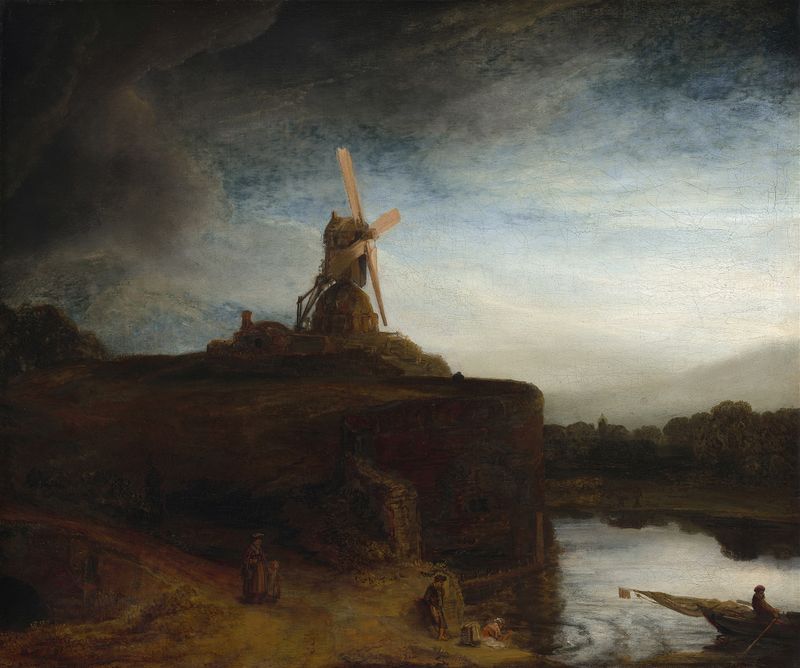
The Mill
Rembrandt van Rijn

The Sampling Officials of the Amsterdam Drapers’ Guild, Known as ‘The Syndics’
Rembrandt van Rijn

The return of the prodigal son
Rembrandt van Rijn
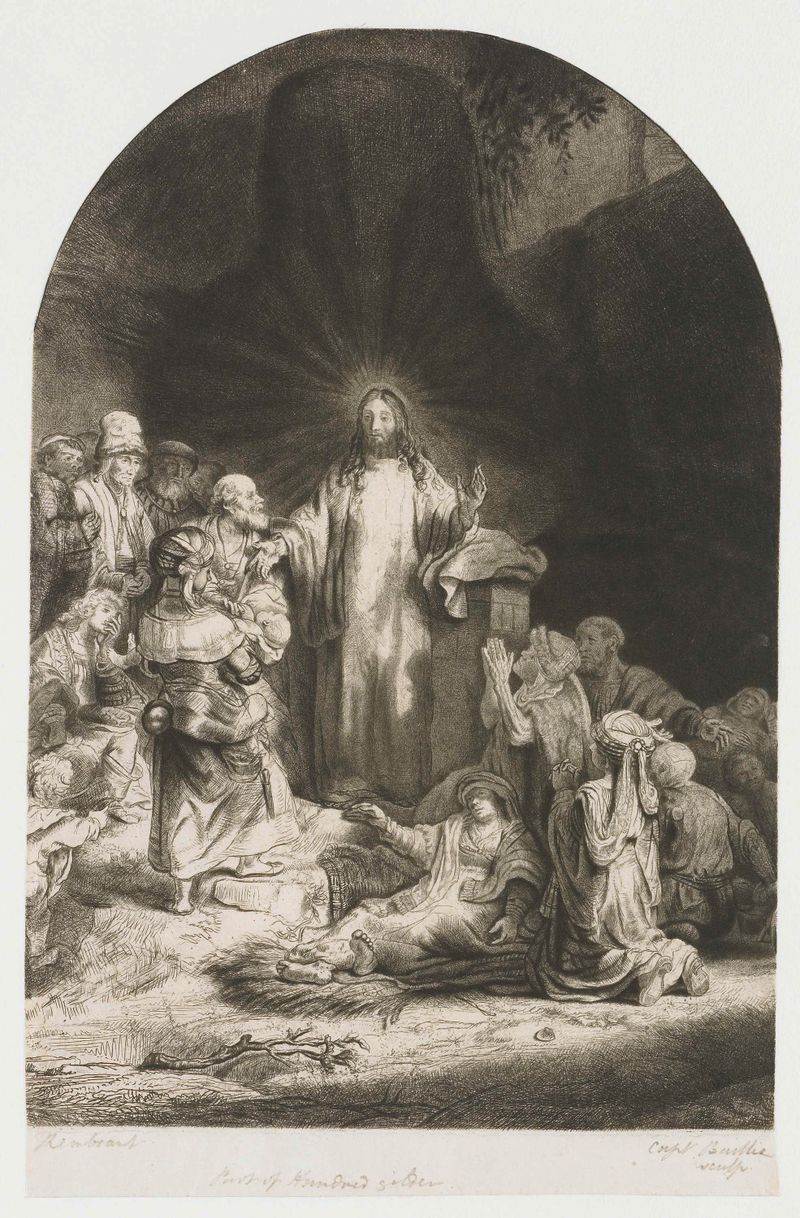
The Hundred Guilder Print: the central piece with Christ preaching, the plate arched
Rembrandt van Rijn

The Hundred Guilder Print: the man seen on the back in the lower left corner
Rembrandt van Rijn
More Religious Art
Browse all →The Return of the Prodigal Son
Rembrandt van Rijn

The Garden of Earthly Delights
El Bosco

Count Orgaz’ funeral
El Greco
The Hundred Guilder Print: the central piece with Christ preaching, the plate arched
Rembrandt van Rijn

The Descent from the Cross
Rogier van der Weyden
The return of the prodigal son
Rembrandt van Rijn