
The adoration of the shepherds: a night piece — History & Facts
In the stillness of a moonlit night, a humble barn breathes life into the sacred moment. Shepherds, weary yet reverent, gather around the newborn child, their faces illuminated by a soft, warm glow. The air is thick with awe, as the flickering flames of a nearby fire cast dancing shadows, framing a tableau of devotion and wonder. Look to the center, where the child lies cradled in a simple manger, the embodiment of purity against the rich, dark tones of the surrounding figures.
Notice how Rembrandt uses light to draw the eye, spotlighting the child while the shepherds are shrouded in deeper shadows, creating a profound contrast. The textures of their garments—rough wool and coarse linen—speak to their humble origins, while the delicate strokes defining the infant reveal a tender fragility that feels almost divine. The interplay of light and shadow conveys a sense of revelation and personal transformation. The shepherds’ faces, a study in emotional depth, reflect a spectrum of feelings—wonder, joy, and an unspoken recognition of the significance of this moment.
In the background, the stillness of the night sky suggests a world that is on the brink of awakening, hinting at the revolutionary impact this humble birth will have on humanity. Created during the artist’s later years, this piece embodies a deep reflection on faith and the human condition. Painted in the late 19th century, Rembrandt revisited this theme of light as a metaphor for divine presence in an era marked by social upheaval and artistic revolution. At a time when his reputation had waned, he sought to express the profound significance of simple subjects, reminding viewers of the power of humility and devotion in a rapidly changing world.
More Artworks by Rembrandt van Rijn
Browse all →
The Night Watch Militia Company of District II under the Command of Captain Frans Banninck Cocq
Rembrandt van Rijn

The Return of the Prodigal Son
Rembrandt van Rijn

The Hundred Guilder Print: the figures leaning on the wall in the centre left
Rembrandt van Rijn

The Hundred Guilder Print: the central piece with Christ preaching, the plate arched
Rembrandt van Rijn

Isaac and Rebecca, Known as ‘The Jewish Bride’
Rembrandt van Rijn
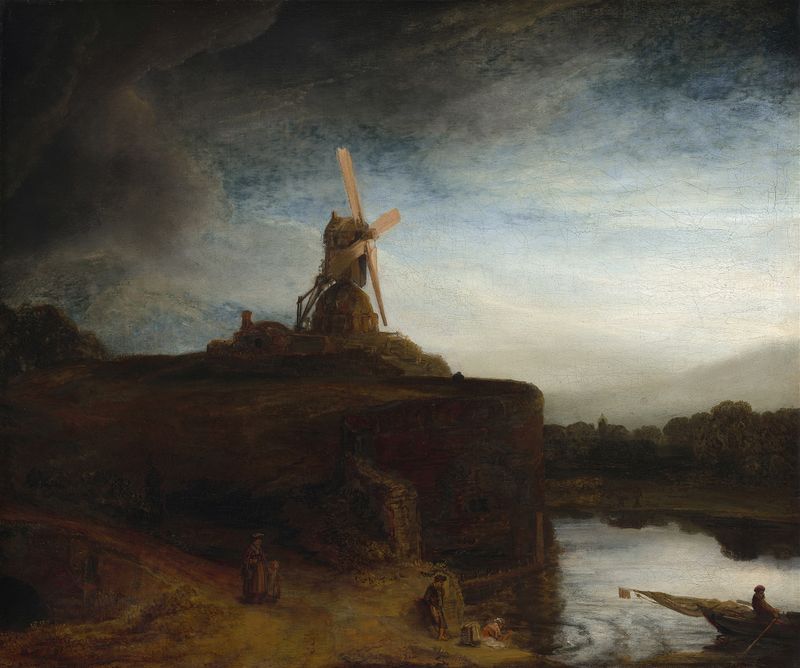
The Mill
Rembrandt van Rijn

The Sampling Officials of the Amsterdam Drapers’ Guild, Known as ‘The Syndics’
Rembrandt van Rijn

The return of the prodigal son
Rembrandt van Rijn
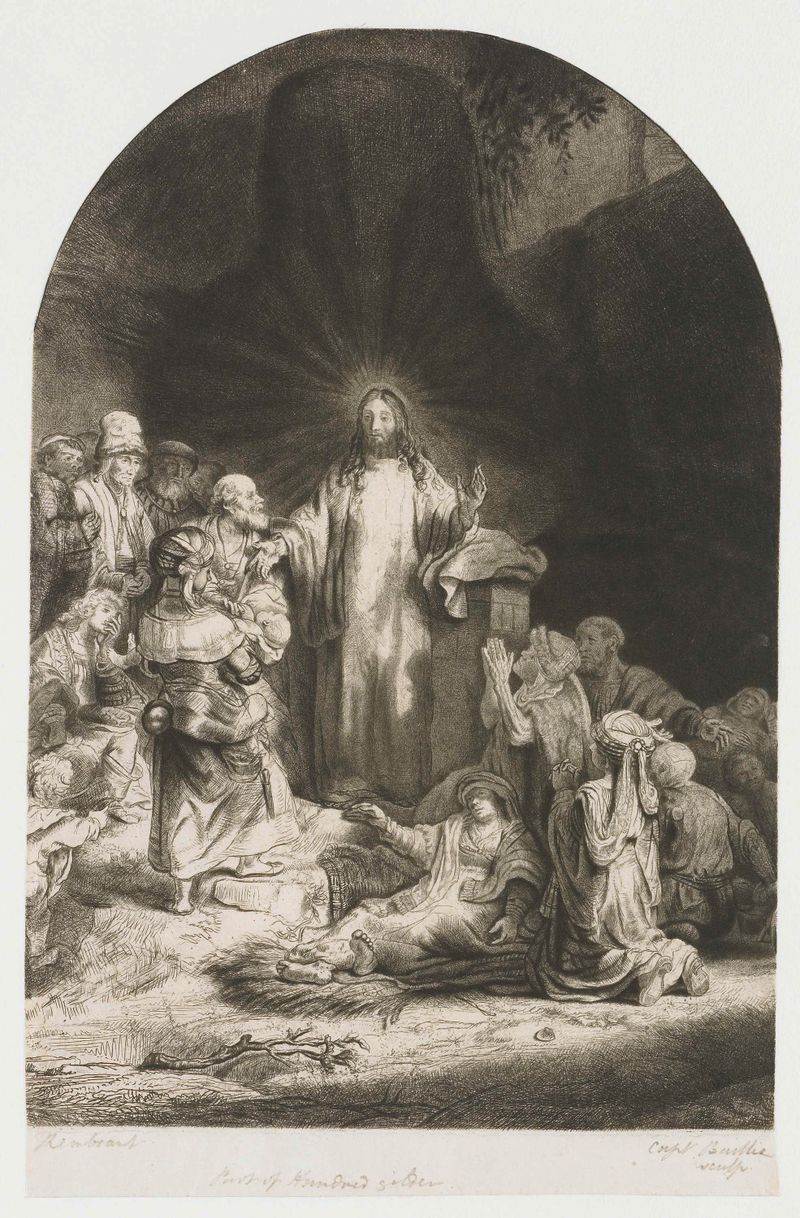
The Hundred Guilder Print: the central piece with Christ preaching, the plate arched
Rembrandt van Rijn

The Hundred Guilder Print: the man seen on the back in the lower left corner
Rembrandt van Rijn
More Religious Art
Browse all →The Return of the Prodigal Son
Rembrandt van Rijn

The Garden of Earthly Delights
El Bosco

Count Orgaz’ funeral
El Greco
The Hundred Guilder Print: the central piece with Christ preaching, the plate arched
Rembrandt van Rijn

The Descent from the Cross
Rogier van der Weyden
The return of the prodigal son
Rembrandt van Rijn