
The adoration of the shepherds: with the lamp — History & Facts
In the dim glow of a flickering lamp, a hushed reverence blankets the humble stable. A group of shepherds, faces illuminated with awe, surround the newborn Christ, their hands outstretched in tender adoration. The air is thick with emotion—an ineffable blend of gratitude and wonder—as the light dances upon their rugged features and spills softly over the hay-strewn floor. Focus on the central figure of the Christ child, cradled in a woman's arms.
Notice how the warm light from the lamp bathes his serene face, casting gentle shadows that highlight the contours of infantile innocence. To the right, the shepherds' expressions tell a story of transformation; their rough, work-worn hands juxtaposed against the fragility of divine grace. This masterful interplay of light and shadow reveals not only physical forms but also the spiritual weight of the moment, the stillness contrasting with the movement of their gestures. Delve deeper into the emotional currents flowing through the painting.
The juxtaposition of the coarse woolen garments of the shepherds and the delicate purity of the child speaks to the profound connection between the earthly and the divine. The juxtaposition of the flickering light creates a sense of transient beauty, representing the fleeting moments of revelation that define human experience—the recognition of the miraculous in the mundane. In 1654, Rembrandt was at a pivotal moment in his career, grappling with personal loss and the changing tides of the art world. Painted in Amsterdam, The adoration of the shepherds: with the lamp reflects both his mastery of chiaroscuro and his deepening exploration of human emotion.
Surrounded by the influences of Baroque art, he sought to capture the intimate moments that reveal the greater truths of existence, connecting the sacred and the ordinary.
More Artworks by Rembrandt van Rijn
Browse all →
The Night Watch Militia Company of District II under the Command of Captain Frans Banninck Cocq
Rembrandt van Rijn

The Return of the Prodigal Son
Rembrandt van Rijn

The Hundred Guilder Print: the figures leaning on the wall in the centre left
Rembrandt van Rijn

The Hundred Guilder Print: the central piece with Christ preaching, the plate arched
Rembrandt van Rijn

Isaac and Rebecca, Known as ‘The Jewish Bride’
Rembrandt van Rijn
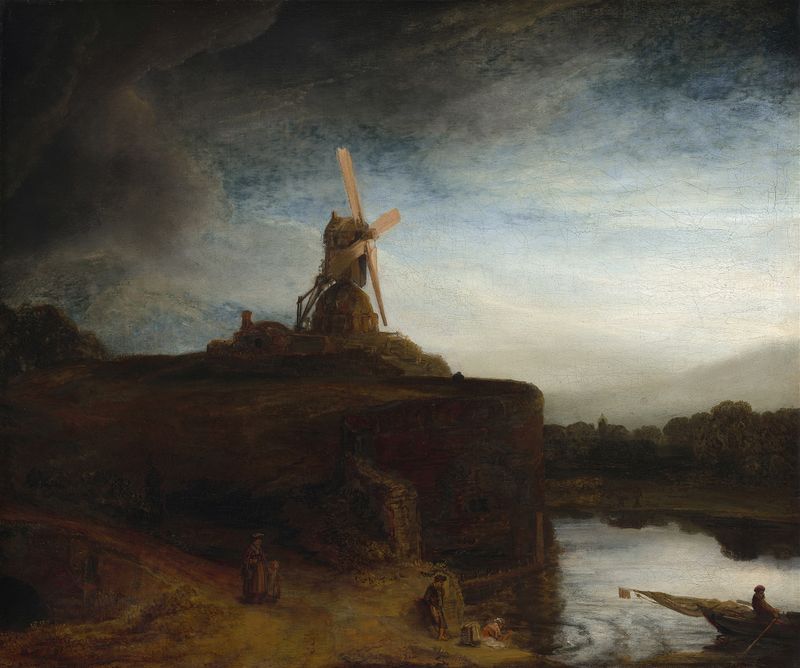
The Mill
Rembrandt van Rijn

The Sampling Officials of the Amsterdam Drapers’ Guild, Known as ‘The Syndics’
Rembrandt van Rijn

The return of the prodigal son
Rembrandt van Rijn
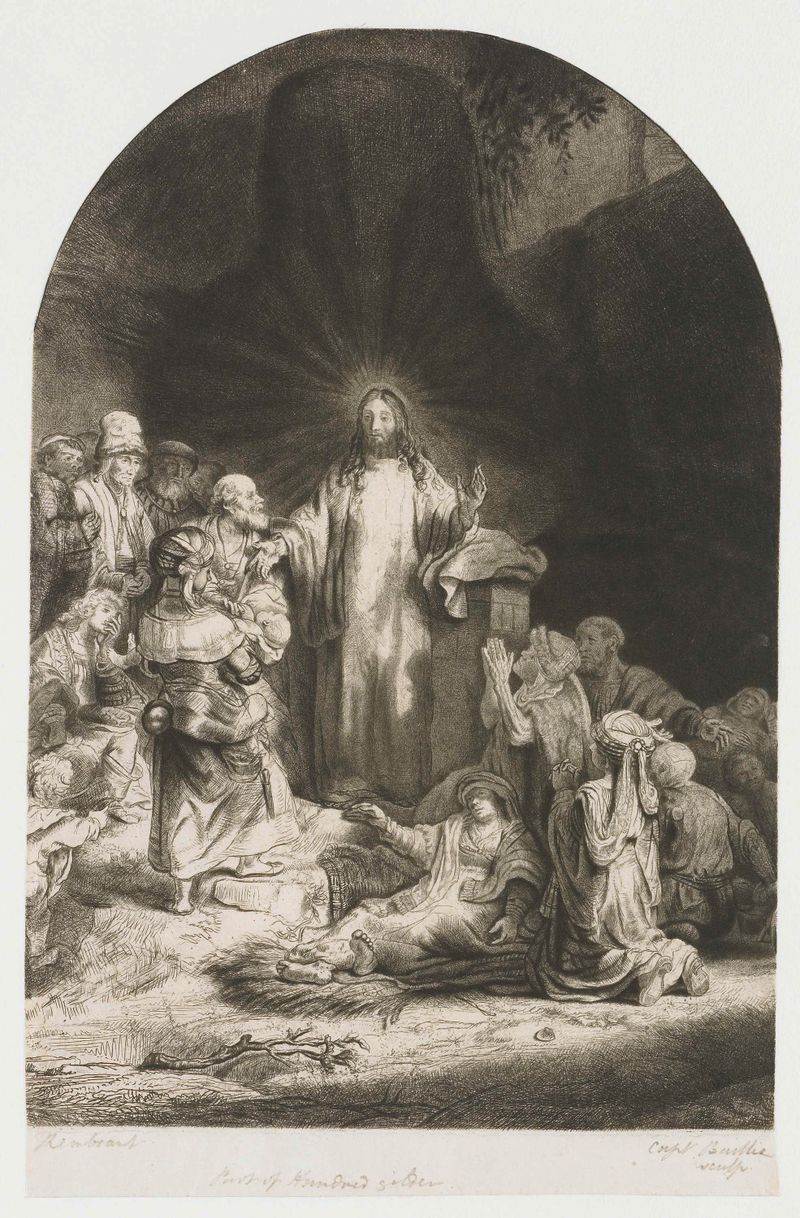
The Hundred Guilder Print: the central piece with Christ preaching, the plate arched
Rembrandt van Rijn

The Hundred Guilder Print: the man seen on the back in the lower left corner
Rembrandt van Rijn
More Religious Art
Browse all →The Return of the Prodigal Son
Rembrandt van Rijn

The Garden of Earthly Delights
El Bosco

Count Orgaz’ funeral
El Greco
The Hundred Guilder Print: the central piece with Christ preaching, the plate arched
Rembrandt van Rijn

The Descent from the Cross
Rogier van der Weyden
The return of the prodigal son
Rembrandt van Rijn