
The adoration of the shepherds: with the lamp — History & Facts
In the dim glow of a humble stable, shepherds gather, their worn faces etched with awe and reverence. A single lamp flickers, casting fleeting shadows that dance across the rough-hewn walls. At the center, a newborn child lies swaddled in cloth, illuminating the chaos of emotions that swirl around him—wonder, fear, serenity; an intersection of the divine and the mundane. Look to the right at the figures drawn close, their postures revealing a mixture of admiration and uncertainty.
Notice how the light spills from the lamp, highlighting the delicate features of the infant while casting the shepherds into semi-darkness, emphasizing their roles as humble witnesses to a miraculous event. The composition pulls the eye inward, as the warm, earthy tones of browns and ochres create a tactile sense of intimacy and immediacy, almost inviting the viewer to step into the scene. Hidden within this tranquil moment is a profound tension—the juxtaposition of chaos and calm. The shepherds, weathered from their rugged lives, stand against a backdrop of miraculous grace.
The soft glow of the lamp not only symbolizes illumination and knowledge but also underscores the fragile nature of this extraordinary encounter, evoking thoughts on the turbulence of faith and the simplicity of belief in a world often shadowed by doubt. Around 1654, the artist created this work during a period of personal and artistic turmoil, grappling with financial difficulties and loss. Living in Amsterdam, Rembrandt found himself deeply engaged in the exploration of human emotion, reveling in the chiaroscuro technique that defined his later works. As the Baroque movement blossomed, his focus on profound narratives and intimate scenes established a path that would influence generations to come.
More Artworks by Rembrandt van Rijn
Browse all →
The Night Watch Militia Company of District II under the Command of Captain Frans Banninck Cocq
Rembrandt van Rijn

The Return of the Prodigal Son
Rembrandt van Rijn

The Hundred Guilder Print: the figures leaning on the wall in the centre left
Rembrandt van Rijn

The Hundred Guilder Print: the central piece with Christ preaching, the plate arched
Rembrandt van Rijn

Isaac and Rebecca, Known as ‘The Jewish Bride’
Rembrandt van Rijn
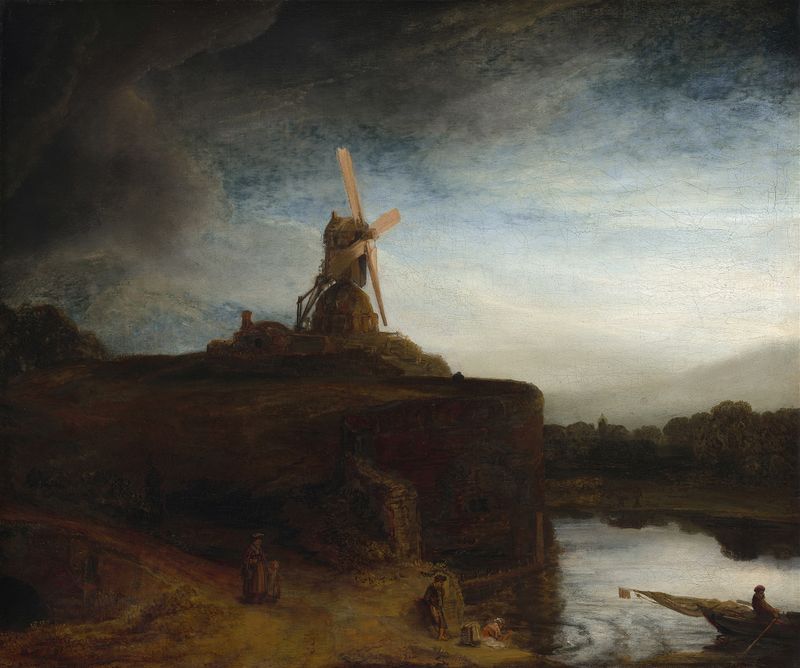
The Mill
Rembrandt van Rijn

The Sampling Officials of the Amsterdam Drapers’ Guild, Known as ‘The Syndics’
Rembrandt van Rijn

The return of the prodigal son
Rembrandt van Rijn
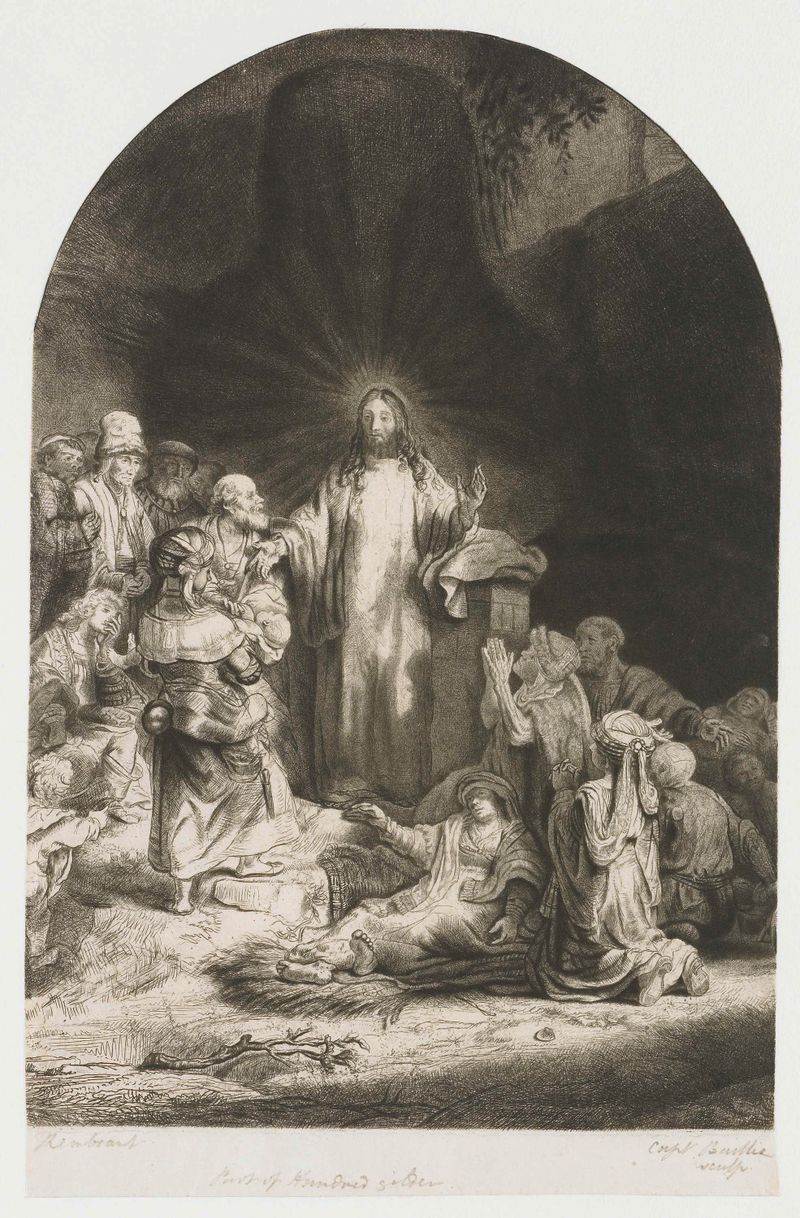
The Hundred Guilder Print: the central piece with Christ preaching, the plate arched
Rembrandt van Rijn

The Hundred Guilder Print: the man seen on the back in the lower left corner
Rembrandt van Rijn
More Religious Art
Browse all →The Return of the Prodigal Son
Rembrandt van Rijn

The Garden of Earthly Delights
El Bosco

Count Orgaz’ funeral
El Greco
The Hundred Guilder Print: the central piece with Christ preaching, the plate arched
Rembrandt van Rijn

The Descent from the Cross
Rogier van der Weyden
The return of the prodigal son
Rembrandt van Rijn