
The Alco; Young, Carrier Dog of the Indians — History & Facts
In The Alco; Young, Carrier Dog of the Indians, the viewer sees a young dog, depicted with a lively expression and alert posture. The colors are warm, with earthy tones dominating the background, suggesting a natural setting. The dog is shown in a dynamic pose, emphasizing its role as a carrier for Native Americans.
This portrayal highlights the bond between the animal and its human companions. The painting is executed in oil on canvas, a medium that allows for rich color and texture. The artist uses detailed brushwork to capture the dog's fur and the surrounding environment. The dimensions are approximately 60 x 80 cm, making it a medium-sized work that invites close inspection.
The composition balances the figure of the dog with the simplicity of the background, drawing attention to its significance. Charles Hamilton Smith was known for his interest in natural history and animals, often depicting them in their natural habitats. The Alco reflects his fascination with the relationship between humans and animals, particularly in the context of Native American culture. An interesting fact about this work is that it serves as a historical document, illustrating the importance of carrier dogs in Indigenous communities.
Smith's attention to detail and realism captures the essence of the dog’s role in these societies.
More Artworks by Charles Hamilton Smith

Marengo, Bonaparte’s Arab
Charles Hamilton Smith
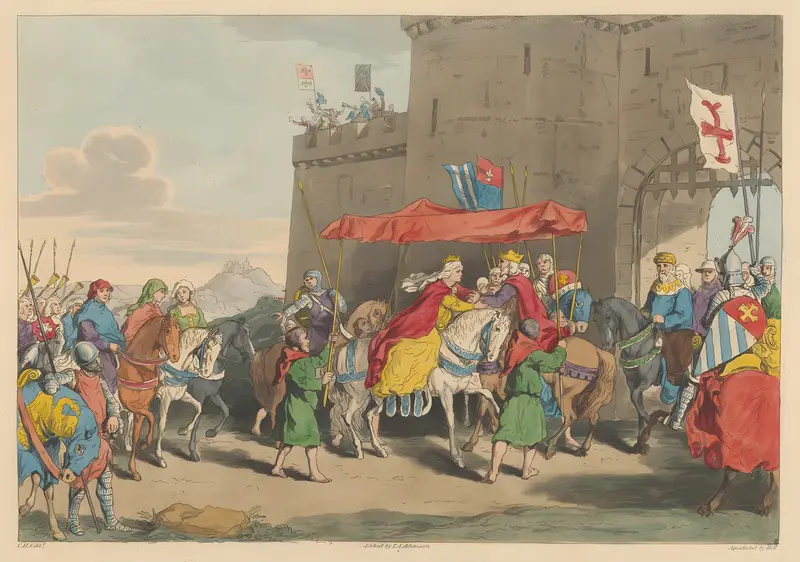
Costume of the Reign of King Henry III
Charles Hamilton Smith
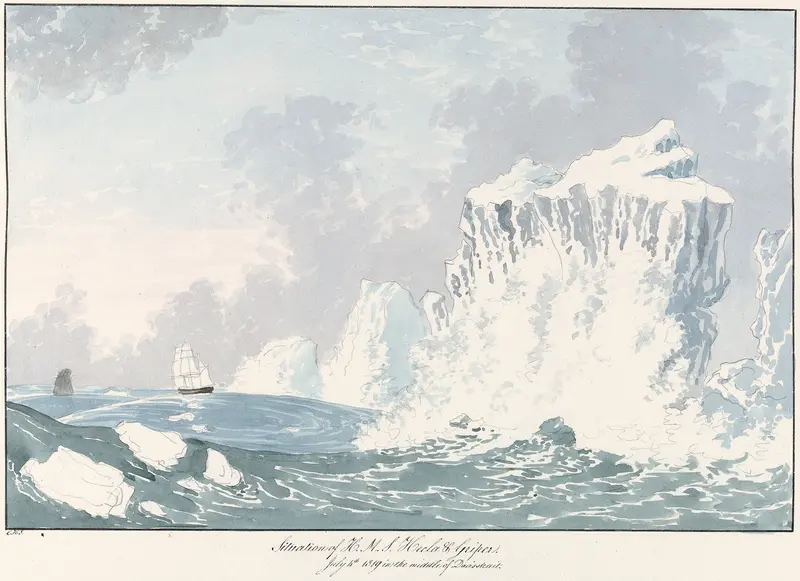
Situation of H.M.S. Hecla & Griper
Charles Hamilton Smith
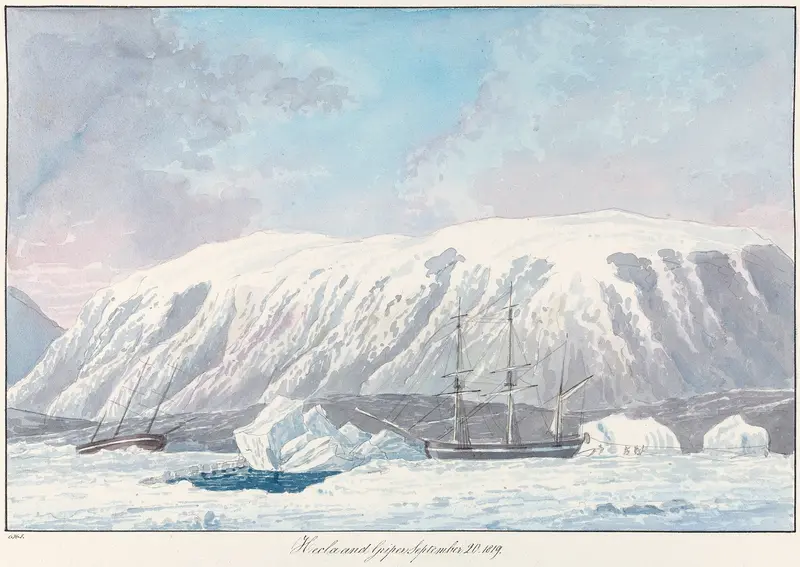
Hecla and Griper
Charles Hamilton Smith
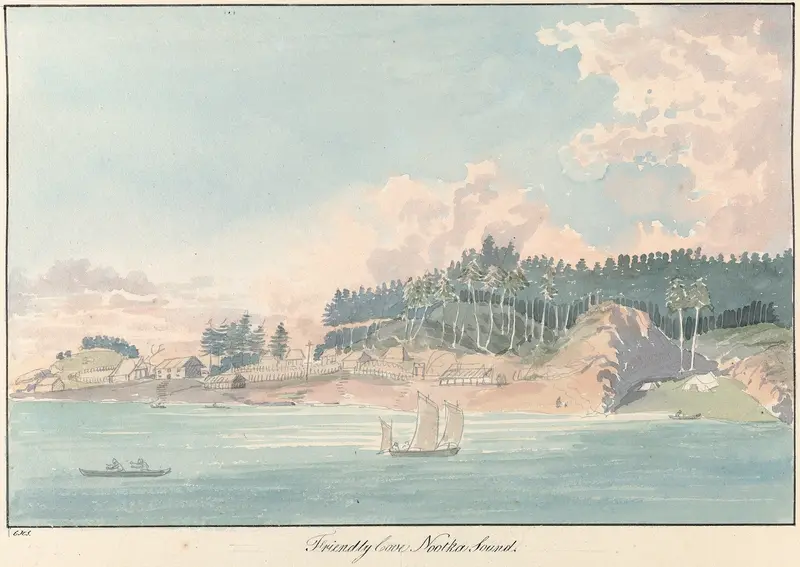
Friendly Cove, Nootka Sound
Charles Hamilton Smith
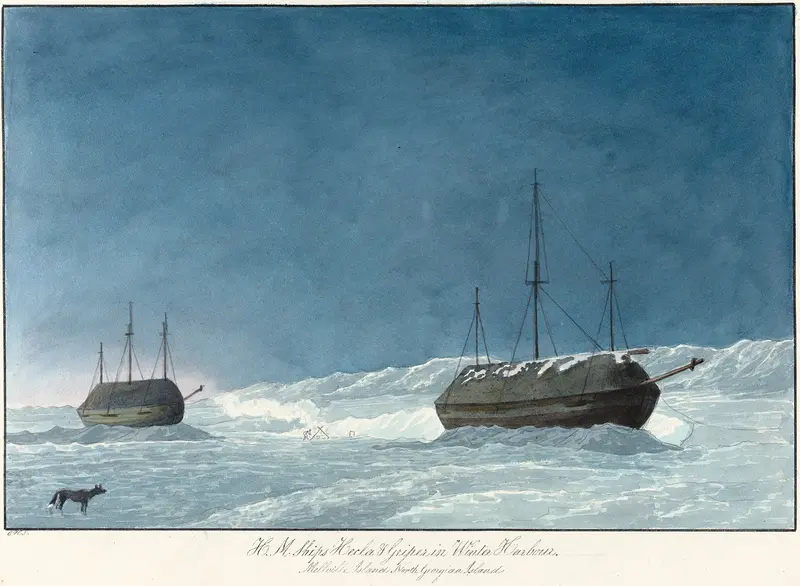
H. M. Ships Hecla and Griper in Winter Harbour
Charles Hamilton Smith
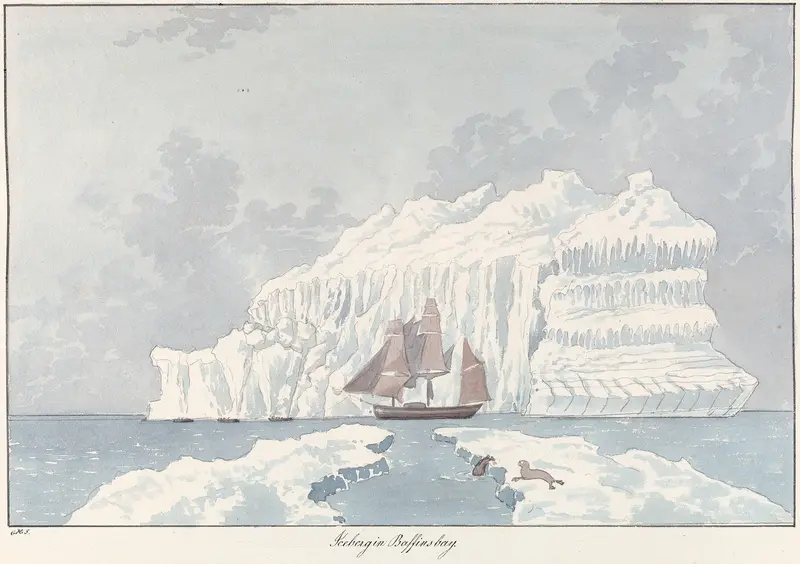
Iceberg in Baffin’s Bay
Charles Hamilton Smith
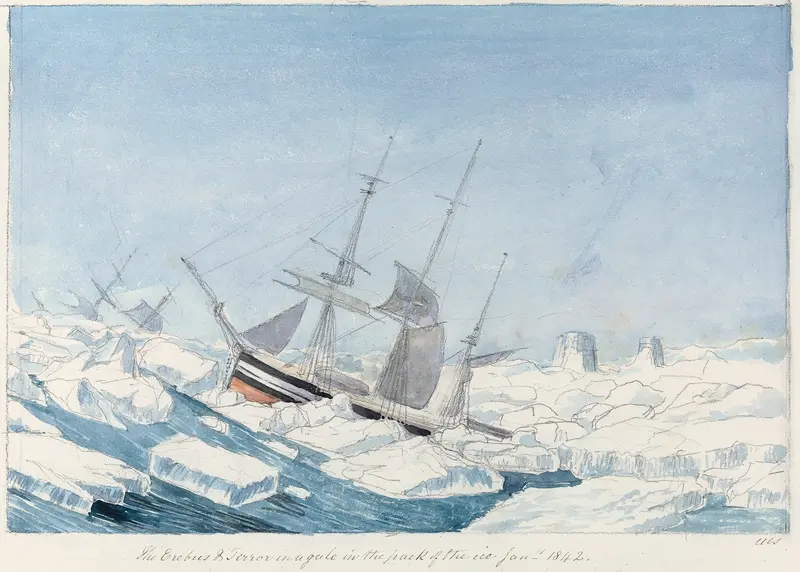
The Erebus & Terror in a Gale in the Pack of the Ice
Charles Hamilton Smith
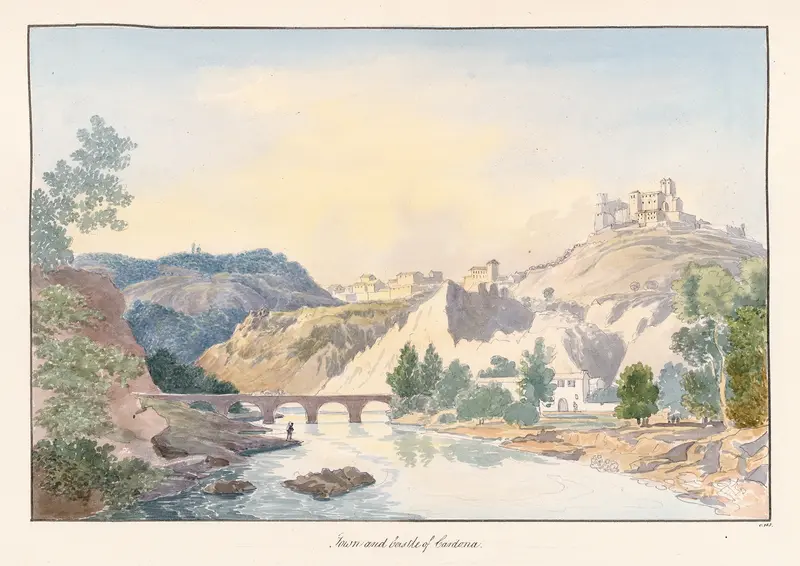
Town and Castle of Cardona
Charles Hamilton Smith
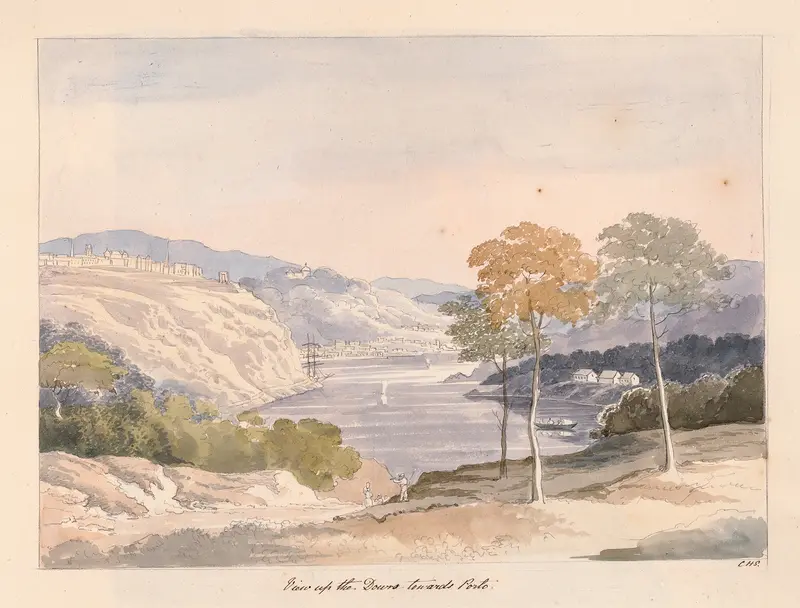
View of the Douro towards Porto
Charles Hamilton Smith





