
The angel appearing to the shepherds — History & Facts
Who listens when art speaks of silence? In Rembrandt's The angel appearing to the shepherds, we encounter a moment suspended in time, where memory and divine revelation intertwine beneath the soft glow of celestial light. Look to the left, where the shepherds huddle together, their expressions a tapestry of awe and disbelief. The angel, radiant and ethereal, stands against a darkened backdrop, her luminescence casting a gentle illumination on the figures below. Each brushstroke captures the texture of their garments, contrasting the coarse wool with the softness of divine presence, while the palette of deep browns and muted golds enhances the solemnity of the scene. The emotional tension lies in the juxtaposition of the earthly and the heavenly—the shepherds, humble and weary, are suddenly graced with the extraordinary.
Notice how their hands are raised, a gesture that speaks of both reverence and fear, highlighting the gravity of the moment. The angel’s serene expression stands in stark contrast, embodying hope and enlightenment amidst the uncertainty of the shepherds' pensive faces. This delicate interplay emphasizes the weight of revelation in quietude, urging the viewer to ponder the nature of faith and the echoes of divine memory. In 1634, Rembrandt was establishing himself in Amsterdam as a prominent figure in the art world, navigating the complexities of personal and financial challenges.
This period marked a shift towards greater emotional depth in his work, reflective of both his own life experiences and the broader Baroque movement. As he captured this sacred encounter, he invited the viewer to witness not just the event, but the profound silence that allows memory to thrive.
More Artworks by Rembrandt van Rijn
Browse all →
The Night Watch Militia Company of District II under the Command of Captain Frans Banninck Cocq
Rembrandt van Rijn

The Return of the Prodigal Son
Rembrandt van Rijn

The Hundred Guilder Print: the figures leaning on the wall in the centre left
Rembrandt van Rijn

The Hundred Guilder Print: the central piece with Christ preaching, the plate arched
Rembrandt van Rijn

Isaac and Rebecca, Known as ‘The Jewish Bride’
Rembrandt van Rijn
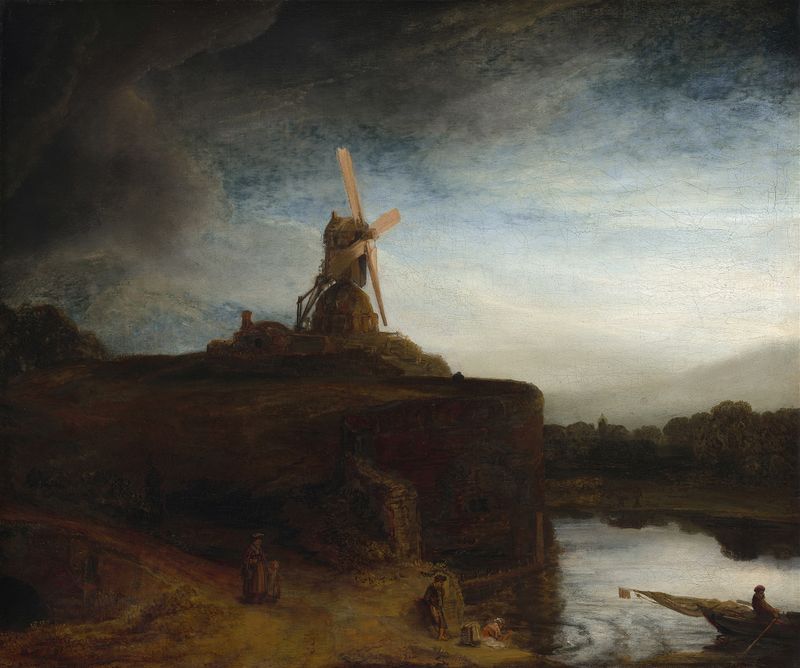
The Mill
Rembrandt van Rijn

The Sampling Officials of the Amsterdam Drapers’ Guild, Known as ‘The Syndics’
Rembrandt van Rijn

The return of the prodigal son
Rembrandt van Rijn
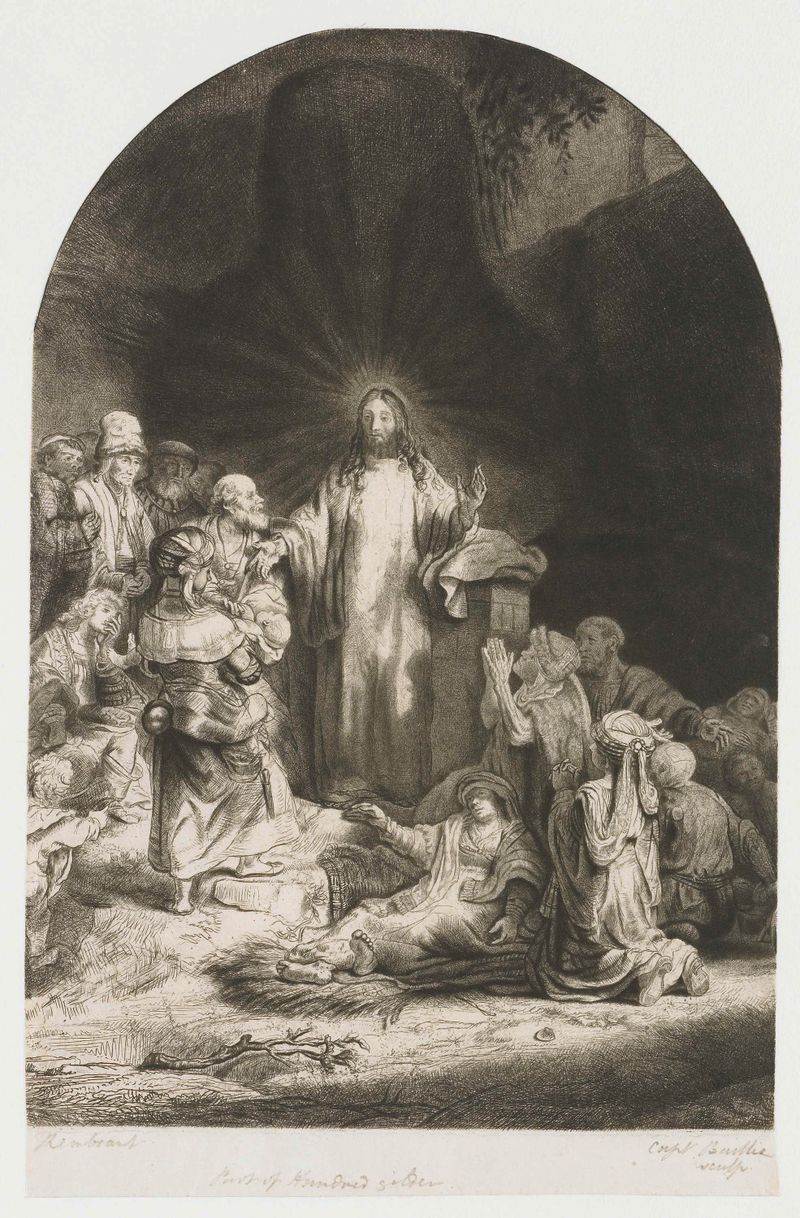
The Hundred Guilder Print: the central piece with Christ preaching, the plate arched
Rembrandt van Rijn

The Hundred Guilder Print: the man seen on the back in the lower left corner
Rembrandt van Rijn
More Religious Art
Browse all →The Return of the Prodigal Son
Rembrandt van Rijn

The Garden of Earthly Delights
El Bosco

Count Orgaz’ funeral
El Greco
The Hundred Guilder Print: the central piece with Christ preaching, the plate arched
Rembrandt van Rijn

The Descent from the Cross
Rogier van der Weyden
The return of the prodigal son
Rembrandt van Rijn