
The angel appearing to the shepherds — History & Facts
What secret hides in the quiet of the canvas? In Rembrandt's The Angel Appearing to the Shepherds, the ethereal meets the earthly, revealing a moment suspended between the mundane and the miraculous. Look to the left, where the white robe of the angel radiates against the darker hues of the night, illuminating the astonished faces of the shepherds. Their expressions, a mix of awe and fear, draw you into their world — each line etched with the weight of an extraordinary revelation. The masterful chiaroscuro at play—soft shadows contrasted by bursts of divine light—guides the eye and evokes an emotional depth that feels almost tangible.
Notice how the warm glow on the shepherds' skin invites you to share in this intimate encounter, making their moment of wonder universal. Within this scene lies a profound duality: the humble shepherds, representing the common man, are met by divine grace, suggesting that the miraculous can pierce even the most ordinary lives. The positioning of the angel above them creates a vertical dynamic, emphasizing the ascendance of the spiritual over the everyday. In the backdrop, the dark landscape hints at the unknown, juxtaposing the light of hope against the shadows of the night.
Each detail, from the gesture of the angel’s hand to the shepherds’ outstretched arms, speaks to the collective memory of humanity yearning for connection with the divine. In 1634, Rembrandt was establishing his reputation in Amsterdam amidst the Baroque movement's flourishing embrace of emotion and realism. This period marked a time of personal exploration for the artist, as he navigated the complexities of his life, both financially and artistically. As he captured this scene, the world was experiencing profound shifts, with the Protestant Reformation influencing a newfound spirituality that sought expression through art, inviting viewers into a deeply personal encounter with the sacred.
More Artworks by Rembrandt van Rijn
Browse all →
The Night Watch Militia Company of District II under the Command of Captain Frans Banninck Cocq
Rembrandt van Rijn

The Return of the Prodigal Son
Rembrandt van Rijn

The Hundred Guilder Print: the figures leaning on the wall in the centre left
Rembrandt van Rijn

The Hundred Guilder Print: the central piece with Christ preaching, the plate arched
Rembrandt van Rijn

Isaac and Rebecca, Known as ‘The Jewish Bride’
Rembrandt van Rijn
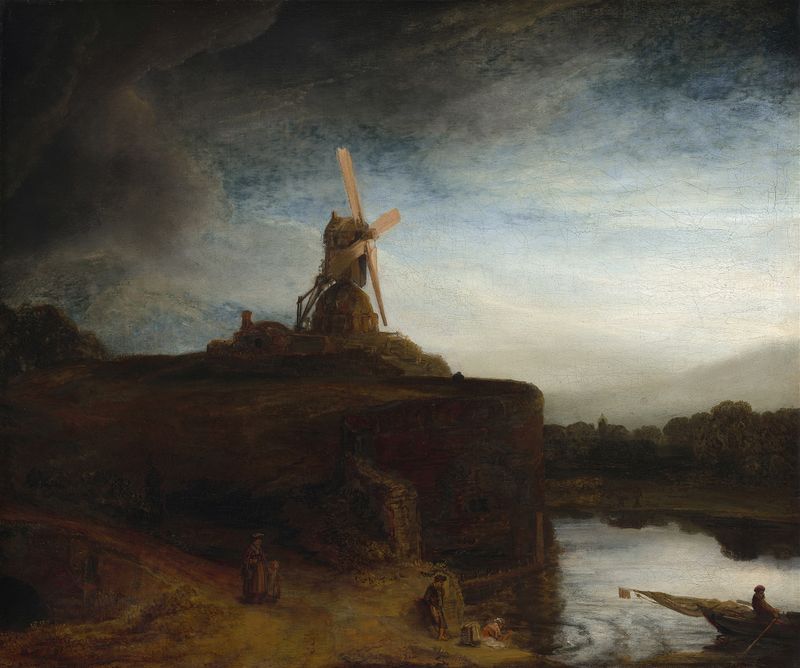
The Mill
Rembrandt van Rijn

The Sampling Officials of the Amsterdam Drapers’ Guild, Known as ‘The Syndics’
Rembrandt van Rijn

The return of the prodigal son
Rembrandt van Rijn
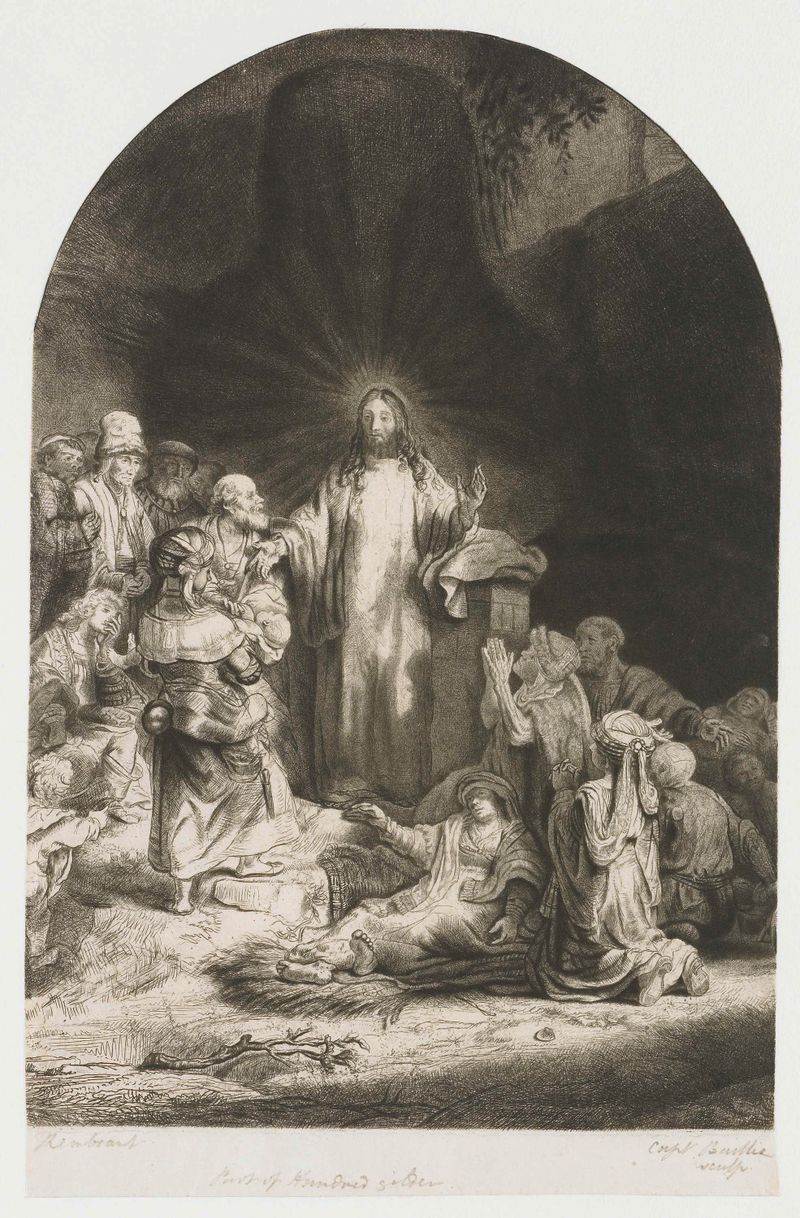
The Hundred Guilder Print: the central piece with Christ preaching, the plate arched
Rembrandt van Rijn

The Hundred Guilder Print: the man seen on the back in the lower left corner
Rembrandt van Rijn
More Religious Art
Browse all →The Return of the Prodigal Son
Rembrandt van Rijn

The Garden of Earthly Delights
El Bosco

Count Orgaz’ funeral
El Greco
The Hundred Guilder Print: the central piece with Christ preaching, the plate arched
Rembrandt van Rijn

The Descent from the Cross
Rogier van der Weyden
The return of the prodigal son
Rembrandt van Rijn