
The angel departing from the family of Tobias — History & Facts
In The Angel Departing from the Family of Tobias, this sentiment resonates deeply, inviting viewers to reflect on the complexities of love, loss, and divine intervention. As you gaze at the composition, focus on the central figure of Tobias, who stands with a mixture of awe and trepidation, framed by a warm, golden light. The angel's radiant presence contrasts sharply with the subdued palette of the surrounding figures, drawing your eye to the delicate interplay of shadow and illumination. Notice how the intricate folds of the angel's robe seem to glow and shimmer, evoking a sense of ethereal beauty while simultaneously hinting at the weight of the moment. Delve deeper into the subtle expressions of both Tobias and his father, who embodies a raw, vulnerable humanity.
Their hands, poised yet uncertain, convey a tension between hope and impending farewell. The juxtaposition of the angel's heavenly calm against the family's palpable anxiety captures the emotional turmoil that accompanies profound change, suggesting that divine blessings often arrive with profound sacrifices. Painted in 1641 during a period of personal and financial struggles for its creator, this work reflects Rembrandt's mastery in weaving narratives that blend the sacred with the intimate. Living in Amsterdam, he was at the forefront of the Dutch Golden Age, seeking to deepen the emotional resonance in his art while navigating a world increasingly captivated by reason and realism.
This piece exemplifies his ability to explore the human condition, marking a significant moment in both his career and art history.
More Artworks by Rembrandt van Rijn
Browse all →
The Night Watch Militia Company of District II under the Command of Captain Frans Banninck Cocq
Rembrandt van Rijn

The Return of the Prodigal Son
Rembrandt van Rijn

The Hundred Guilder Print: the figures leaning on the wall in the centre left
Rembrandt van Rijn

The Hundred Guilder Print: the central piece with Christ preaching, the plate arched
Rembrandt van Rijn

Isaac and Rebecca, Known as ‘The Jewish Bride’
Rembrandt van Rijn
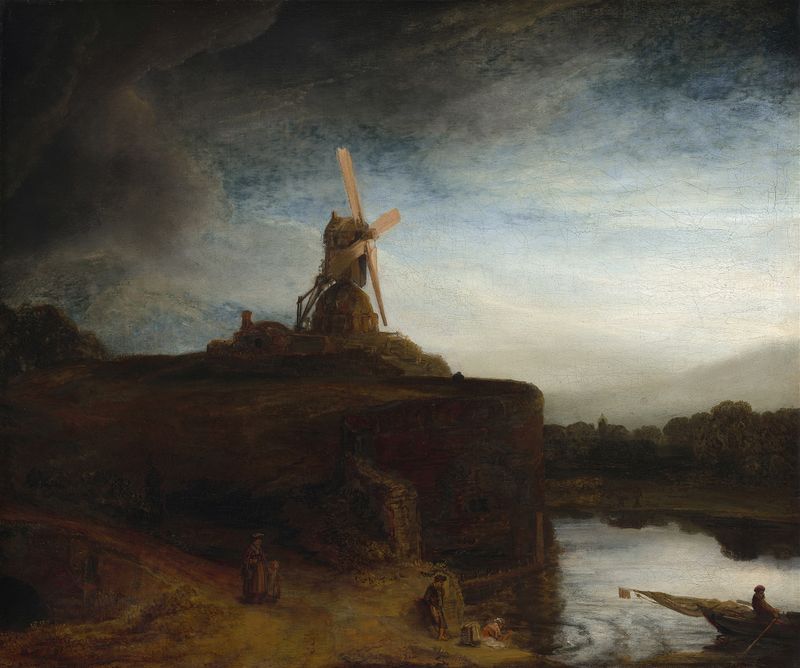
The Mill
Rembrandt van Rijn

The Sampling Officials of the Amsterdam Drapers’ Guild, Known as ‘The Syndics’
Rembrandt van Rijn

The return of the prodigal son
Rembrandt van Rijn
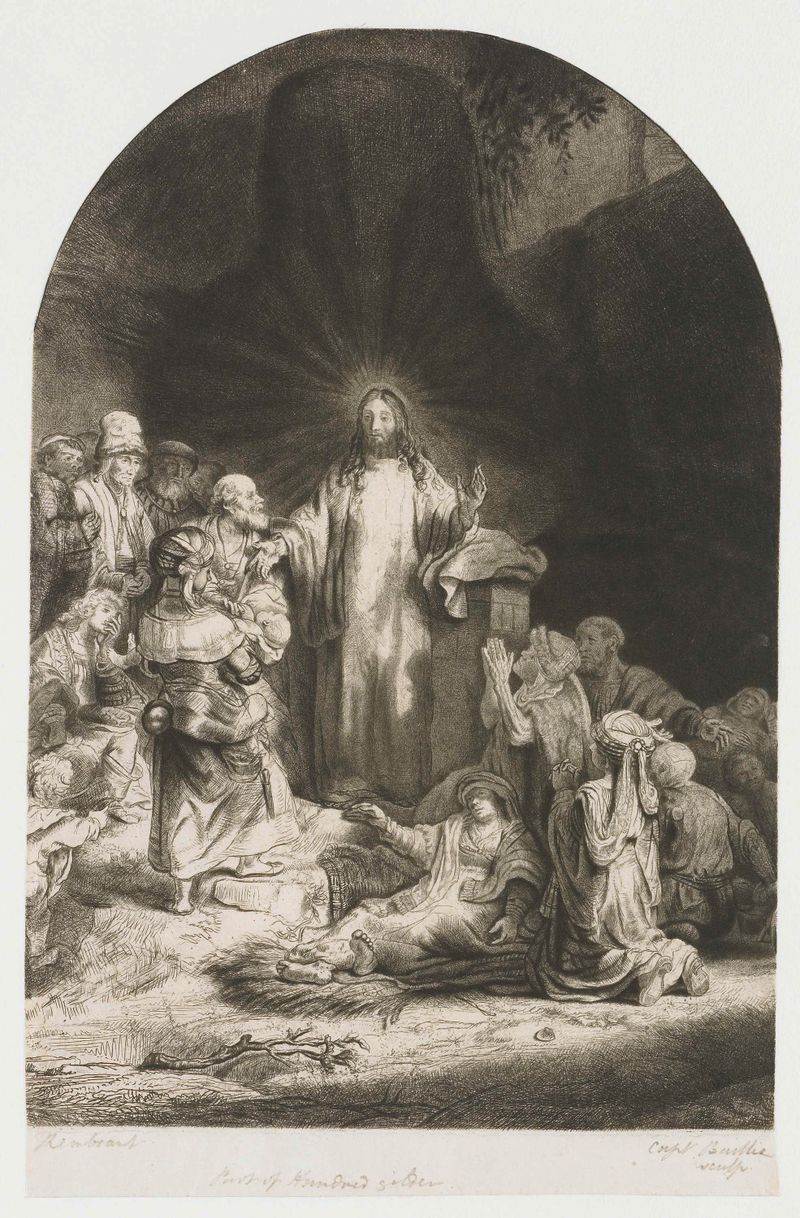
The Hundred Guilder Print: the central piece with Christ preaching, the plate arched
Rembrandt van Rijn

The Hundred Guilder Print: the man seen on the back in the lower left corner
Rembrandt van Rijn
More Religious Art
Browse all →The Return of the Prodigal Son
Rembrandt van Rijn

The Garden of Earthly Delights
El Bosco

Count Orgaz’ funeral
El Greco
The Hundred Guilder Print: the central piece with Christ preaching, the plate arched
Rembrandt van Rijn

The Descent from the Cross
Rogier van der Weyden
The return of the prodigal son
Rembrandt van Rijn