
The angel departing from the family of Tobias — History & Facts
In the stillness of a moment, we are beckoned to consider the void that often lies between what is seen and what is felt. This painting captures an intimate farewell, a whispered connection between the divine and the earthly, and the silent space left behind when a presence departs. Look to the center of the canvas, where Tobias stands, flanked by his parents, their expressions a tapestry of awe and reverence. Notice the delicate interplay of light and shadow, as soft beams illuminate the figures while the surrounding darkness envelops the moment in a sacred atmosphere.
Rembrandt’s masterful use of chiaroscuro not only highlights the angel’s serene countenance but also accentuates the hesitant hope etched into the faces of Tobias and his family. The tension between the angel's calm assurance and the family’s palpable anxiety draws the viewer into a deeper contemplation of faith and uncertainty. The rich, warm tones of their clothing contrast sharply with the angel’s ethereal glow, symbolizing the intersection of the divine and human realms. Each figure's posture and gaze convey a world of emotions, suggesting an impending solitude that resonates beyond the canvas, echoing the themes of guidance and separation. In 1641, Rembrandt was deeply engaged in exploring themes of spirituality and human experience amid the evolving Baroque movement.
Working in Amsterdam, he faced personal challenges, including financial difficulties and the recent loss of loved ones. This backdrop of turmoil prompted a profound introspection that infused his work with emotional depth, capturing the essence of the human condition in its rawest, most poignant form.
More Artworks by Rembrandt van Rijn
Browse all →
The Night Watch Militia Company of District II under the Command of Captain Frans Banninck Cocq
Rembrandt van Rijn

The Return of the Prodigal Son
Rembrandt van Rijn

The Hundred Guilder Print: the figures leaning on the wall in the centre left
Rembrandt van Rijn

The Hundred Guilder Print: the central piece with Christ preaching, the plate arched
Rembrandt van Rijn

Isaac and Rebecca, Known as ‘The Jewish Bride’
Rembrandt van Rijn
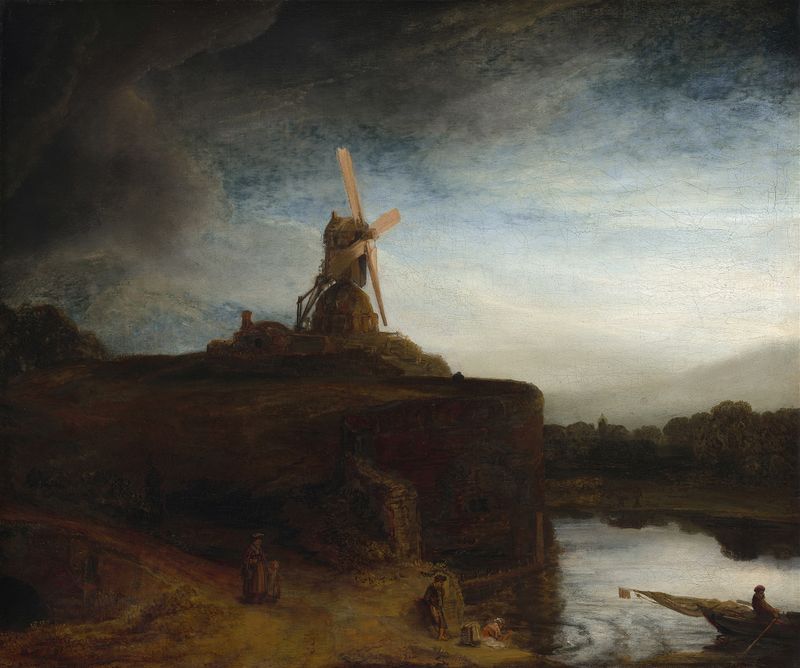
The Mill
Rembrandt van Rijn

The Sampling Officials of the Amsterdam Drapers’ Guild, Known as ‘The Syndics’
Rembrandt van Rijn

The return of the prodigal son
Rembrandt van Rijn
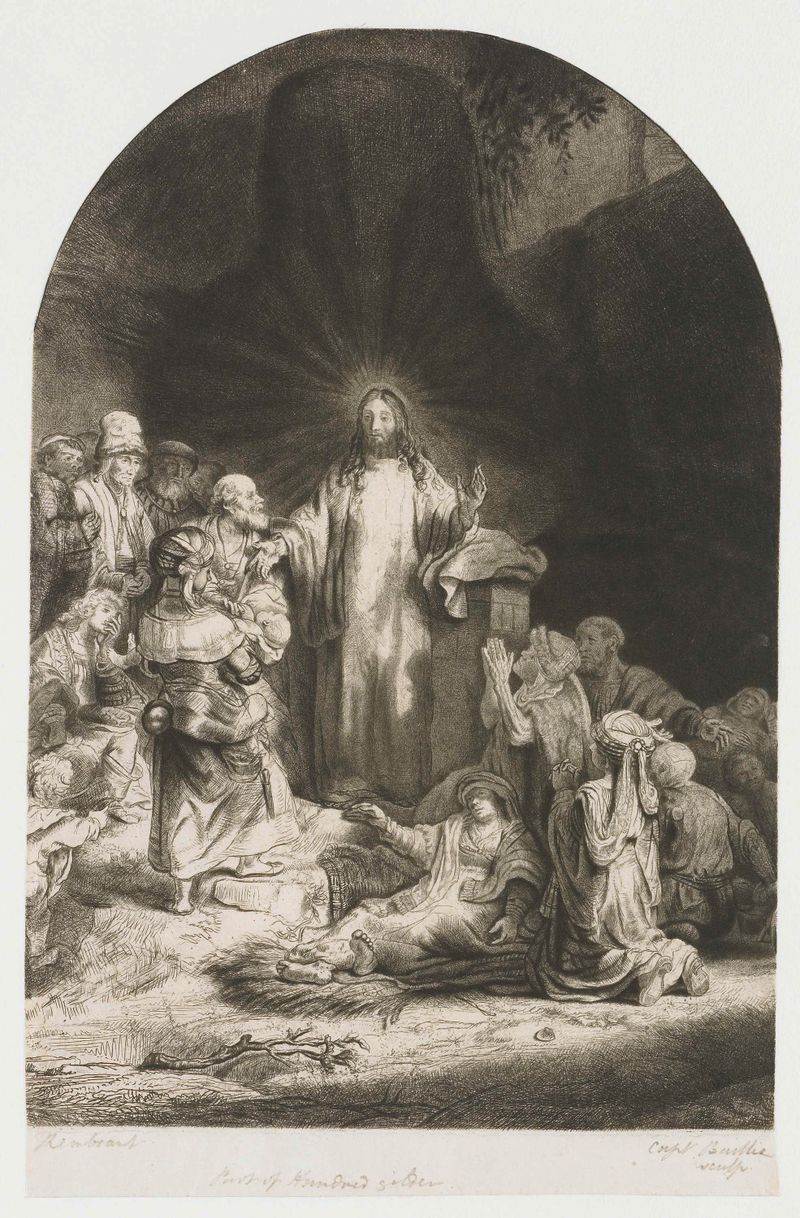
The Hundred Guilder Print: the central piece with Christ preaching, the plate arched
Rembrandt van Rijn

The Hundred Guilder Print: the man seen on the back in the lower left corner
Rembrandt van Rijn
More Religious Art
Browse all →The Return of the Prodigal Son
Rembrandt van Rijn

The Garden of Earthly Delights
El Bosco

Count Orgaz’ funeral
El Greco
The Hundred Guilder Print: the central piece with Christ preaching, the plate arched
Rembrandt van Rijn

The Descent from the Cross
Rogier van der Weyden
The return of the prodigal son
Rembrandt van Rijn