
The angel departing from the family of Tobias — History & Facts
Is this a mirror — or a memory? The gentle farewell of an angel, shimmering with celestial light, leaves a resonating ache that lingers in the heart. Look to the left where the figure of Tobias stands, caught in a moment of awe and uncertainty. The warm glow from the angel casts soft shadows upon the family’s faces, illuminating their expressions of reverence and longing. Notice how Rembrandt masterfully plays with light and darkness; the angel glows ethereally, while the muted tones of Tobias and his family evoke a sense of intimate humility.
The rich browns and golds envelop the scene, drawing us into their emotional world. Deeper connections emerge in the contrasts within the painting. The angel, a representation of divine providence, stands poised yet ephemeral, while Tobias's family embodies the weight of earthly existence. The subtle tension between joy and sorrow is palpable, suggesting a bittersweet departure from innocence and safety.
The longing in their gazes reflects a yearning for guidance amid the uncertainties of life, transforming the scene into a poignant meditation on faith and transition. In 1641, the artist created this work during a period of personal struggles and artistic evolution in Amsterdam. Rembrandt had faced financial difficulties, but it was also a time when he was refining his techniques, particularly his use of light and shadow. The piece was part of a series of biblical subjects that resonated with audiences, reflecting his grappling with themes of human emotion and the divine.
More Artworks by Rembrandt van Rijn
Browse all →
The Night Watch Militia Company of District II under the Command of Captain Frans Banninck Cocq
Rembrandt van Rijn

The Return of the Prodigal Son
Rembrandt van Rijn

The Hundred Guilder Print: the figures leaning on the wall in the centre left
Rembrandt van Rijn

The Hundred Guilder Print: the central piece with Christ preaching, the plate arched
Rembrandt van Rijn

Isaac and Rebecca, Known as ‘The Jewish Bride’
Rembrandt van Rijn
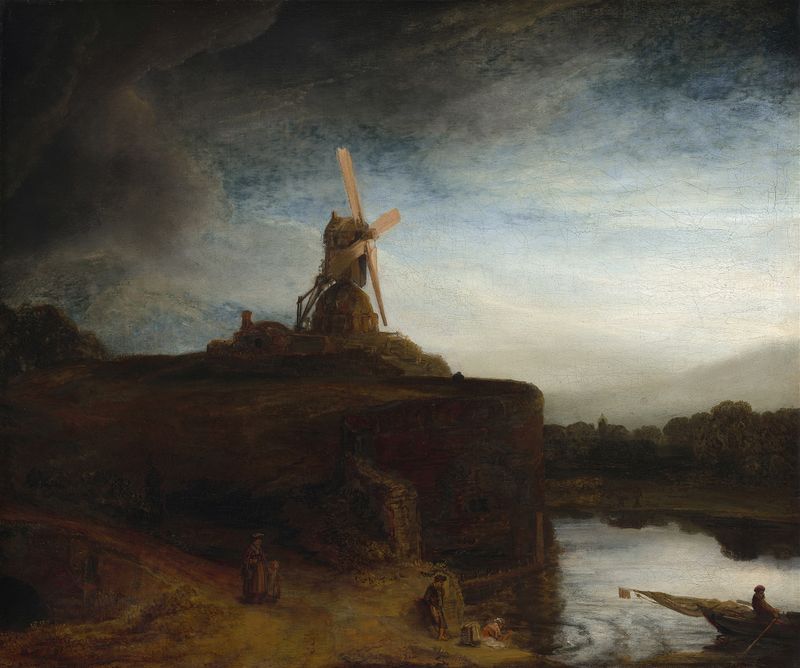
The Mill
Rembrandt van Rijn

The Sampling Officials of the Amsterdam Drapers’ Guild, Known as ‘The Syndics’
Rembrandt van Rijn

The return of the prodigal son
Rembrandt van Rijn
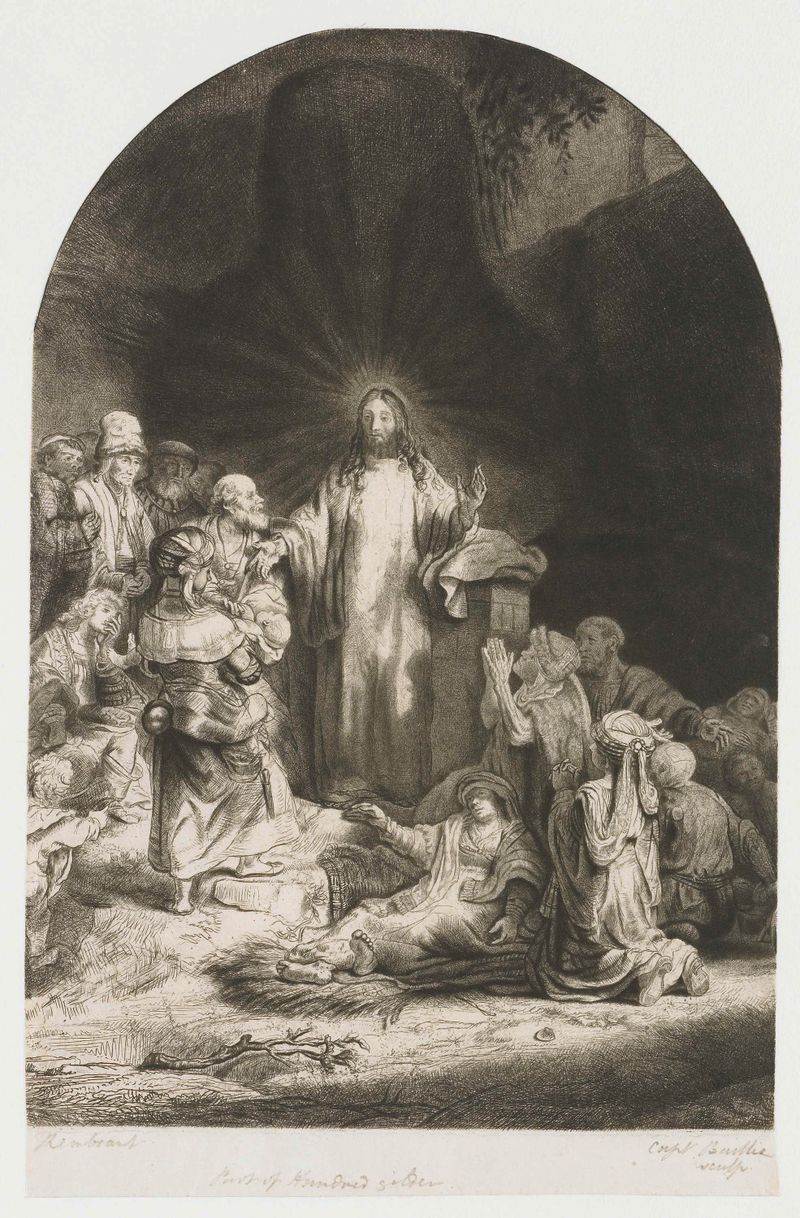
The Hundred Guilder Print: the central piece with Christ preaching, the plate arched
Rembrandt van Rijn

The Hundred Guilder Print: the man seen on the back in the lower left corner
Rembrandt van Rijn
More Religious Art
Browse all →The Return of the Prodigal Son
Rembrandt van Rijn

The Garden of Earthly Delights
El Bosco

Count Orgaz’ funeral
El Greco
The Hundred Guilder Print: the central piece with Christ preaching, the plate arched
Rembrandt van Rijn

The Descent from the Cross
Rogier van der Weyden
The return of the prodigal son
Rembrandt van Rijn