
The Armenian Cathedral — History & Facts
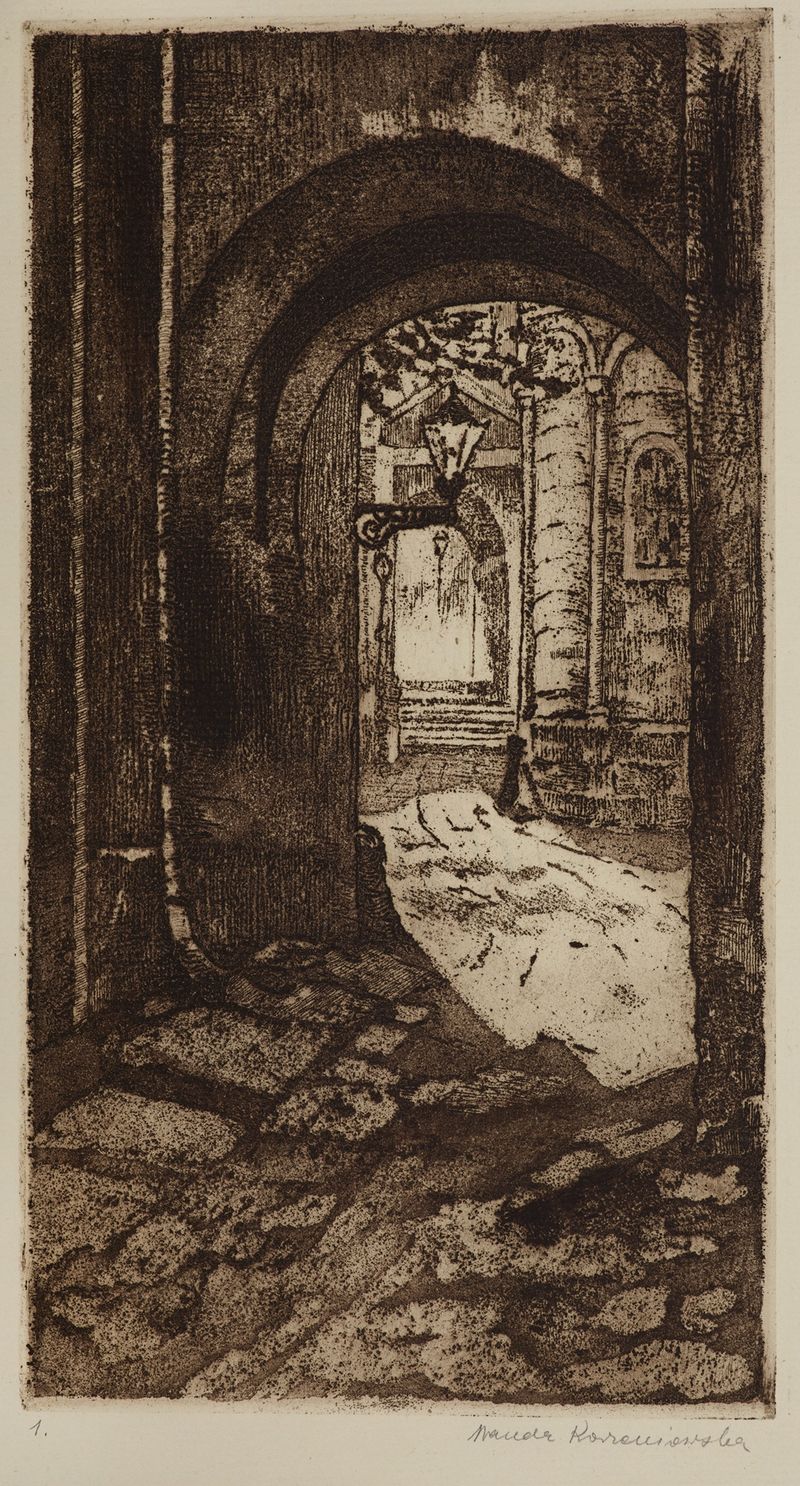
In The Armenian Cathedral, this transformation is palpable, inviting us to witness the ethereal dance between architectural elements and the human spirit. It speaks to a greater transcendence, revealing how art can elevate the mundane into the sublime. Look to the center of the canvas where the cathedral's towering spires stretch heavenward, framed by swirling clouds that evoke both turbulence and serenity. The warm hues of ochre and soft blues mingle, creating an inviting atmosphere, while the meticulous linework captures intricate details, from the arches to the ornate windows.
This harmonious composition draws the viewer’s gaze upward, mirroring the spiritual journey one embarks upon when entering such a sacred space. The emotional tension resides in the juxtaposition of strength and delicacy. The cathedral stands resolute, yet the surrounding colors and shapes seem to breathe, suggesting a living entity rather than a mere structure. Look closer at the subtle play of light — it reflects hope and reverence, hinting at the resilience of culture and faith amid uncertainty.
This delicate balance speaks volumes about the longing for connection and the search for solace within sacred spaces. Painted in 1917, during a time of great turmoil in Europe and upheaval in her native Poland, Korzeniowska sought refuge in the beauty of architectural forms. As she navigated a world on the brink of change, her work emerged from a quest to preserve cultural identity and heritage amidst chaos. This piece serves as a testament to her artistic vision, capturing not just a building, but the essence of transcendence that art can provide.
More Artworks by Wanda Korzeniowska
Browse all →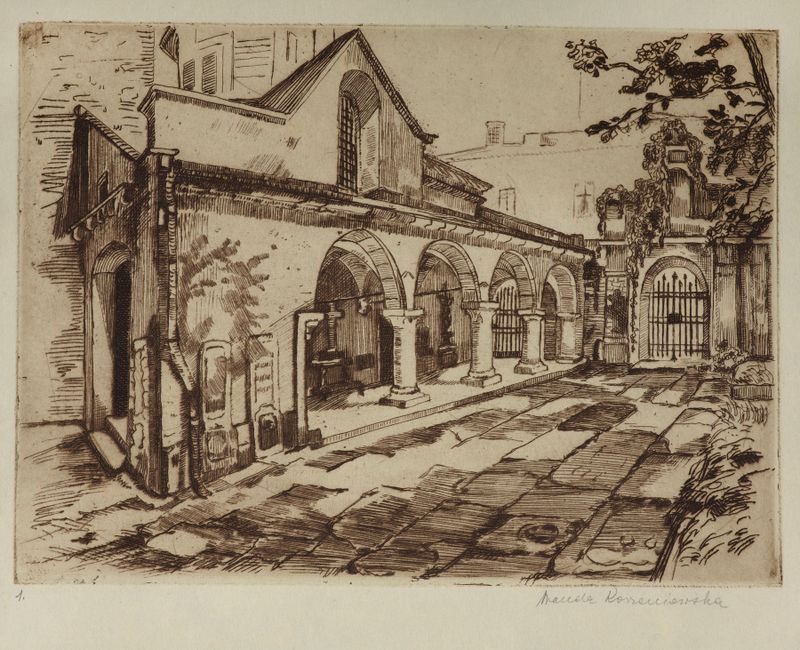
The Armenian Cathedral
Wanda Korzeniowska

The Bernardine Church
Wanda Korzeniowska

The Bernardine Church
Wanda Korzeniowska
The Dominican Church
Wanda Korzeniowska
The Bernardine Church
Wanda Korzeniowska

The Latin Cathedral.
Wanda Korzeniowska
The Armenian Cathedral
Wanda Korzeniowska
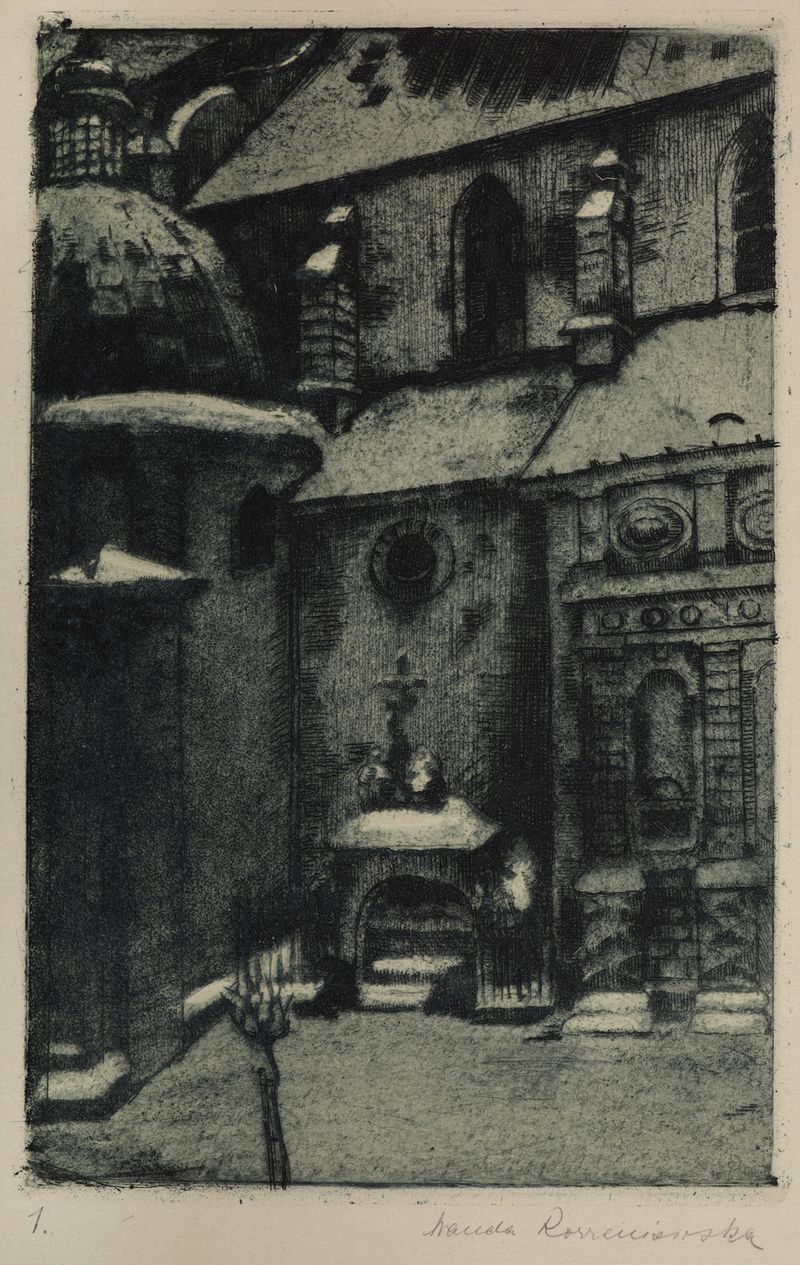
The Latin Cathedral
Wanda Korzeniowska
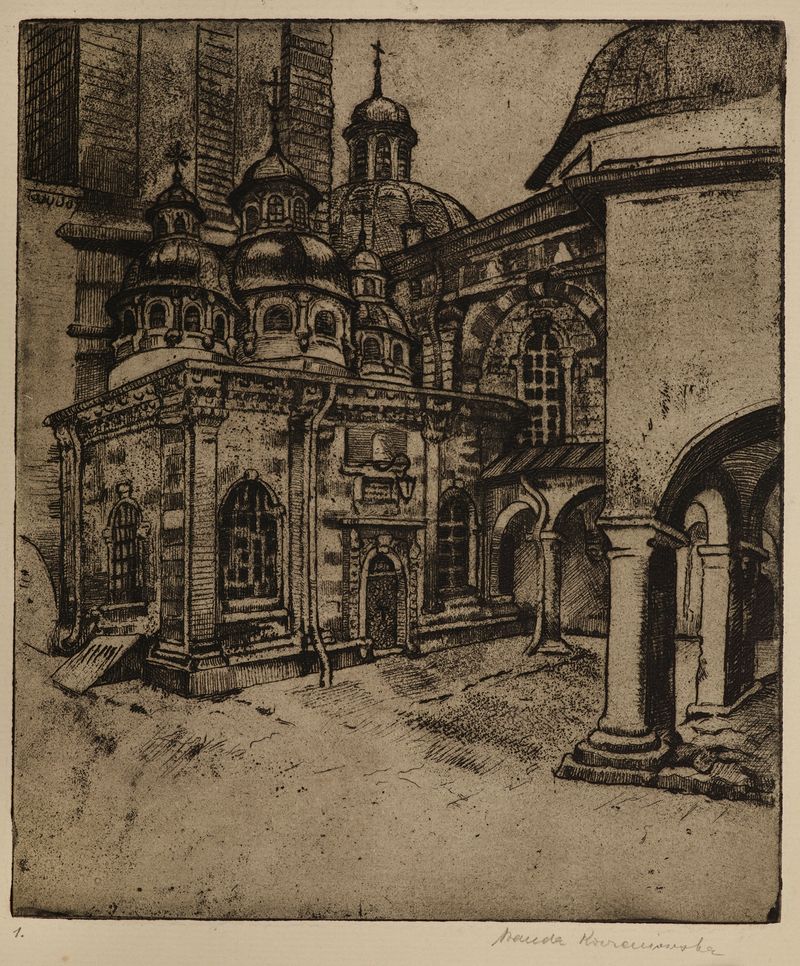
Wallachian church’s courtyard
Wanda Korzeniowska
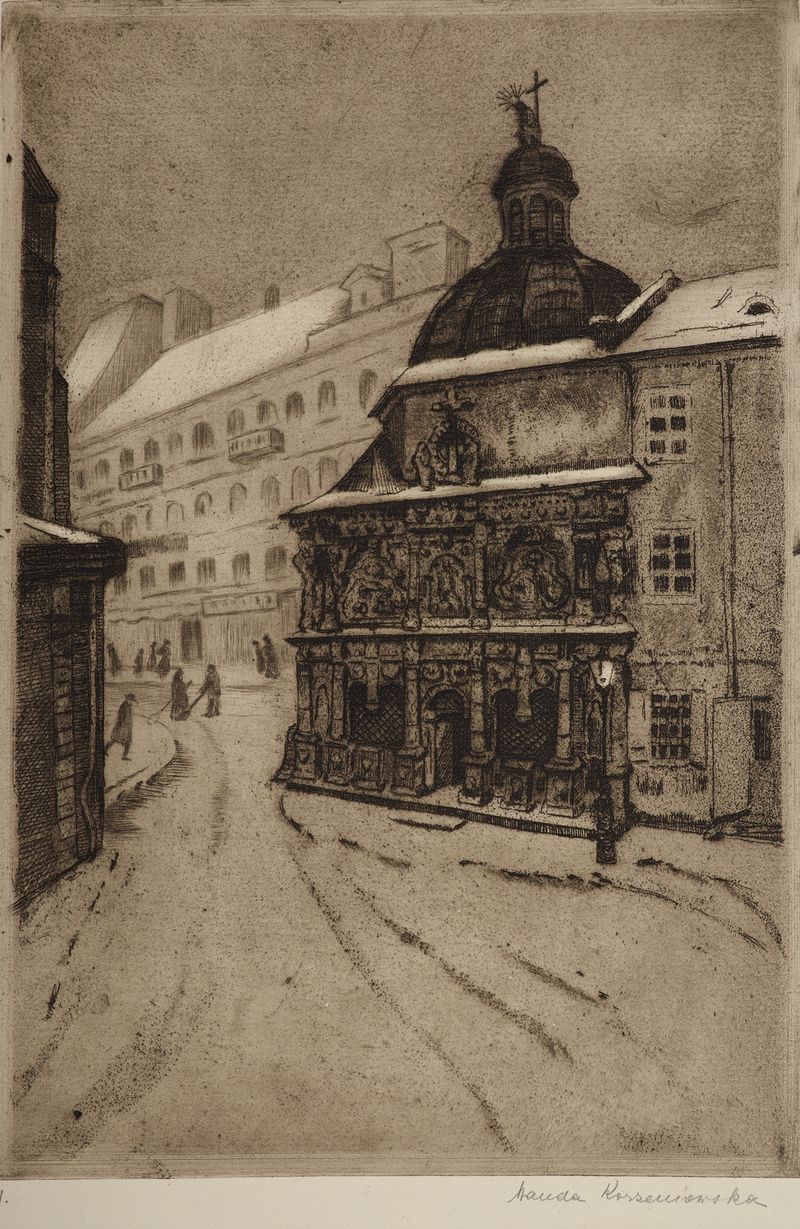
The Boim Chapel
Wanda Korzeniowska
More Architecture Art
Browse all →
The statue of Liberty
Frédéric Auguste Bartholdi

View of Houses in Delft, Known as ‘The Little Street’
Johannes Vermeer

View of Houses in Delft, Known as ‘The Little Street’
Johannes Vermeer

The Cathedral in Rouen. The portal, Grey Weather
Claude Monet

The yellow house
Vincent van Gogh

The Church in Auvers-sur-Oise, View from the Chevet
Vincent van Gogh