
The Armenian Cathedral — History & Facts
When did color learn to lie? The interplay of light and shadow in this painting invites a lingering introspection that transcends the mere depiction of a structure. It beckons the viewer to question the truth behind the hues, feeling as if the colors themselves guard sacred secrets. Look to the left at the vibrant red and gold of the cathedral's dome, standing resolutely against a backdrop of soft blues and grays. The brushwork is both delicate and confident, capturing the essence of the intricate architecture with each stroke.
Notice how light spills across the stone façade, creating a dance between the illuminated surfaces and the dark recesses, suggesting a sense of history interwoven within the walls. The composition leads your gaze upward, evoking a longing for spiritual elevation while grounding you in the tangible reality of the building’s presence. The emotional tension in this work lies in the contrast between the serene beauty of the setting and the underlying tumult of the world outside. Painted in 1917, it reflects a moment of stillness amidst the chaos of war, embodying a longing for peace and refuge.
The vivid colors speak to a vibrant spirit, yet they also hint at a deeper narrative of loss and resilience, enriching the viewer's understanding of this architectural marvel. The cathedral stands as a beacon of hope, yet whispers of conflict echo in the shadows. Wanda Korzeniowska created this piece during a tumultuous period marked by World War I. Living in Poland, she grappled with the challenges of an evolving art scene and the social upheaval around her.
The 1910s were a time of artistic experimentation and political strife, and her work reflected not just the architectural beauty of her homeland but also a commentary on the fragility of existence during such uncertain times.
More Artworks by Wanda Korzeniowska
Browse all →
The Bernardine Church
Wanda Korzeniowska

The Bernardine Church
Wanda Korzeniowska
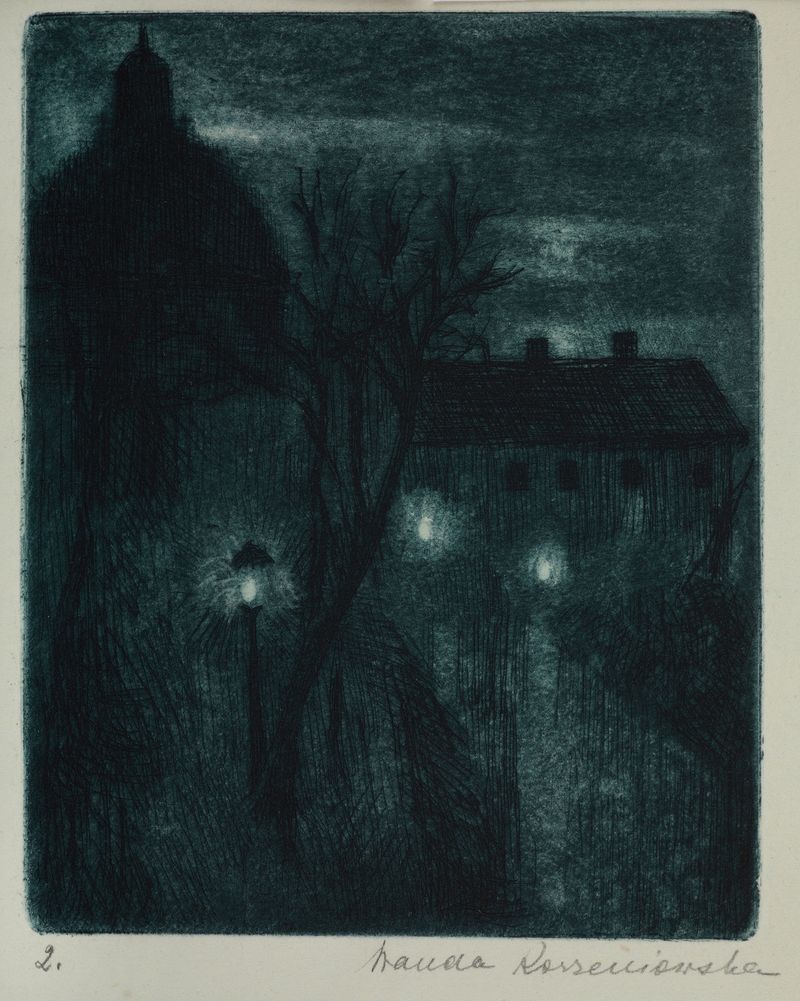
The Dominican Church
Wanda Korzeniowska
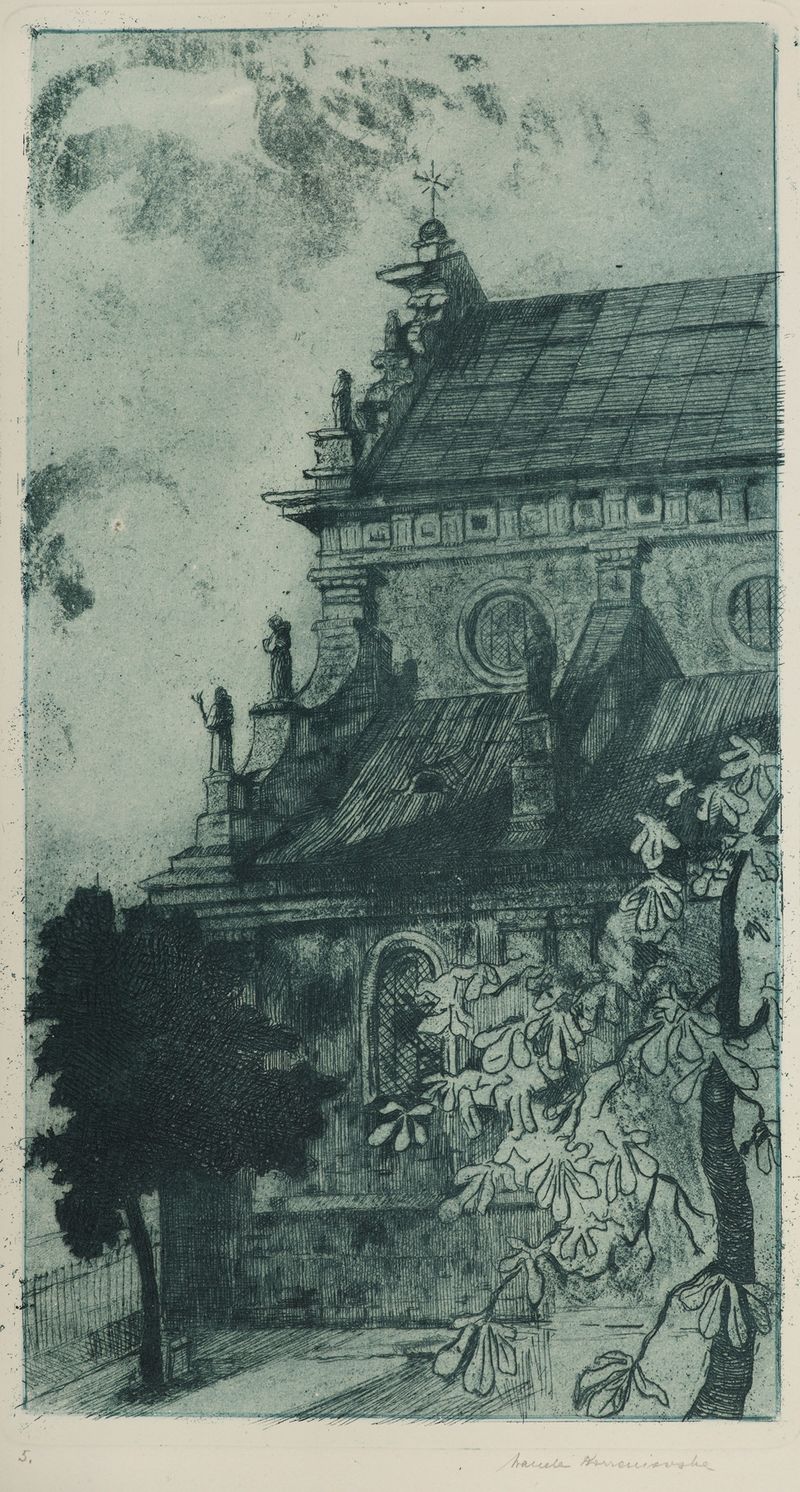
The Bernardine Church
Wanda Korzeniowska
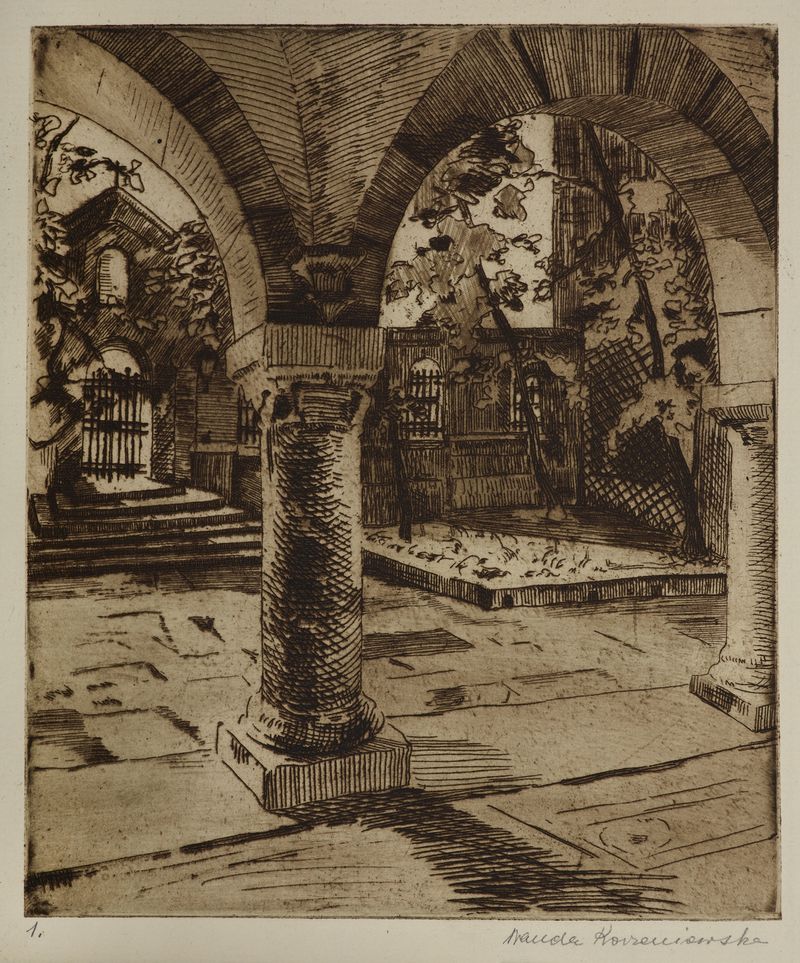
The Armenian Cathedral
Wanda Korzeniowska

The Latin Cathedral.
Wanda Korzeniowska
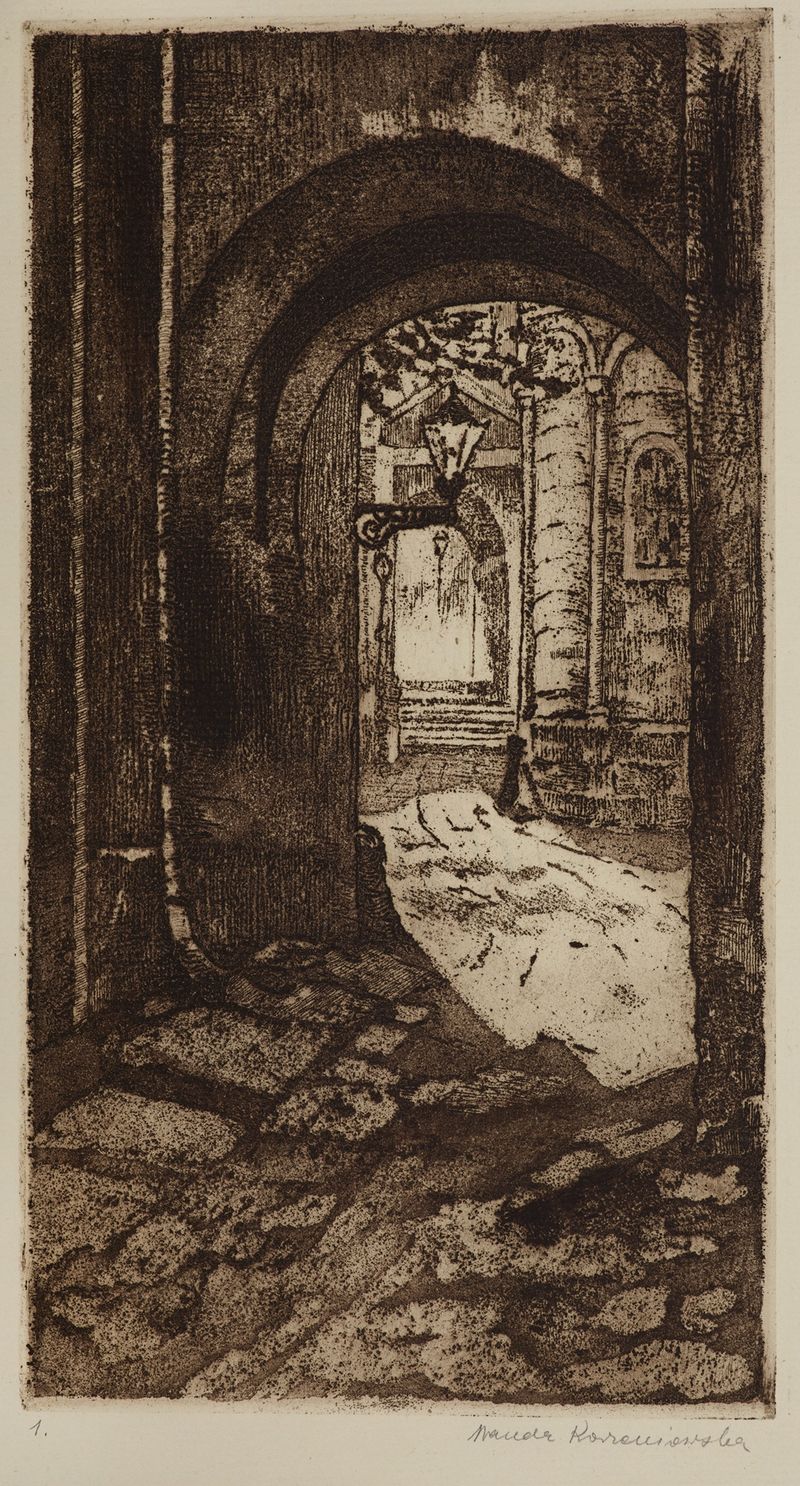
The Armenian Cathedral
Wanda Korzeniowska
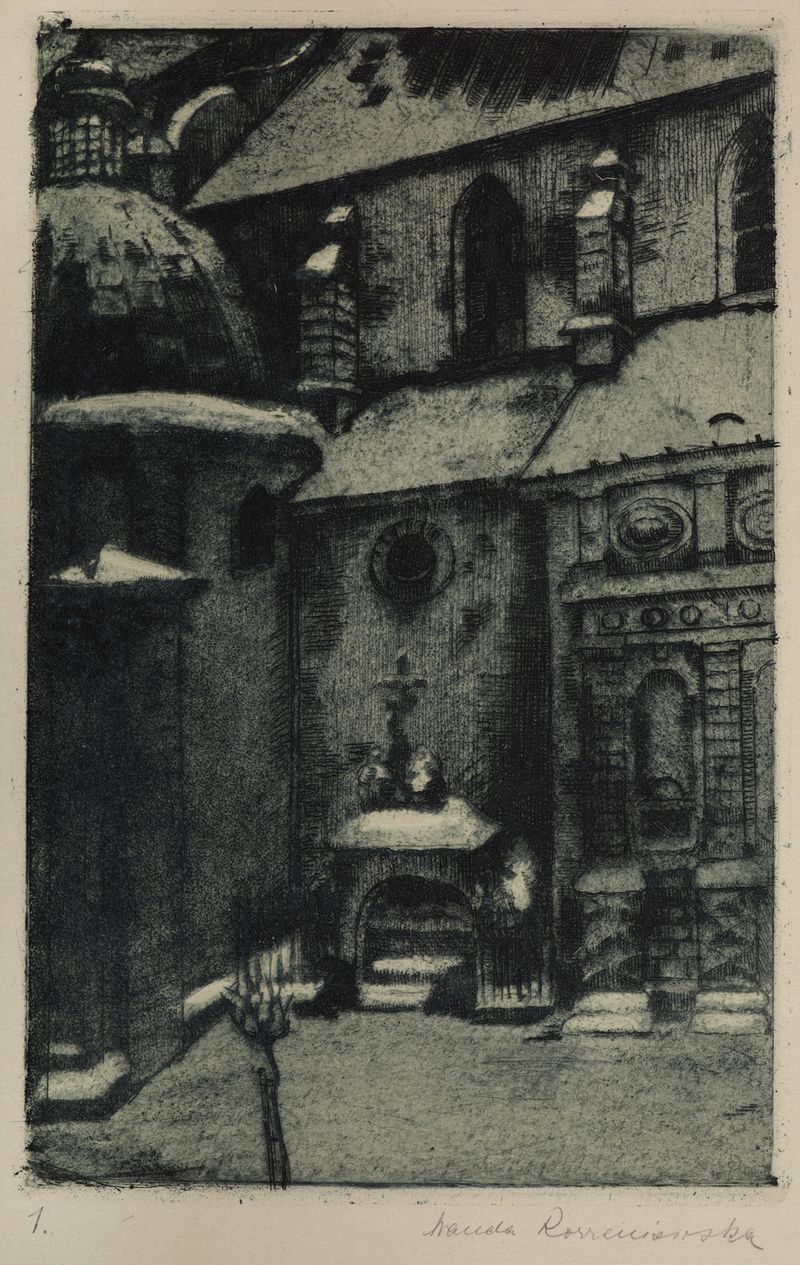
The Latin Cathedral
Wanda Korzeniowska
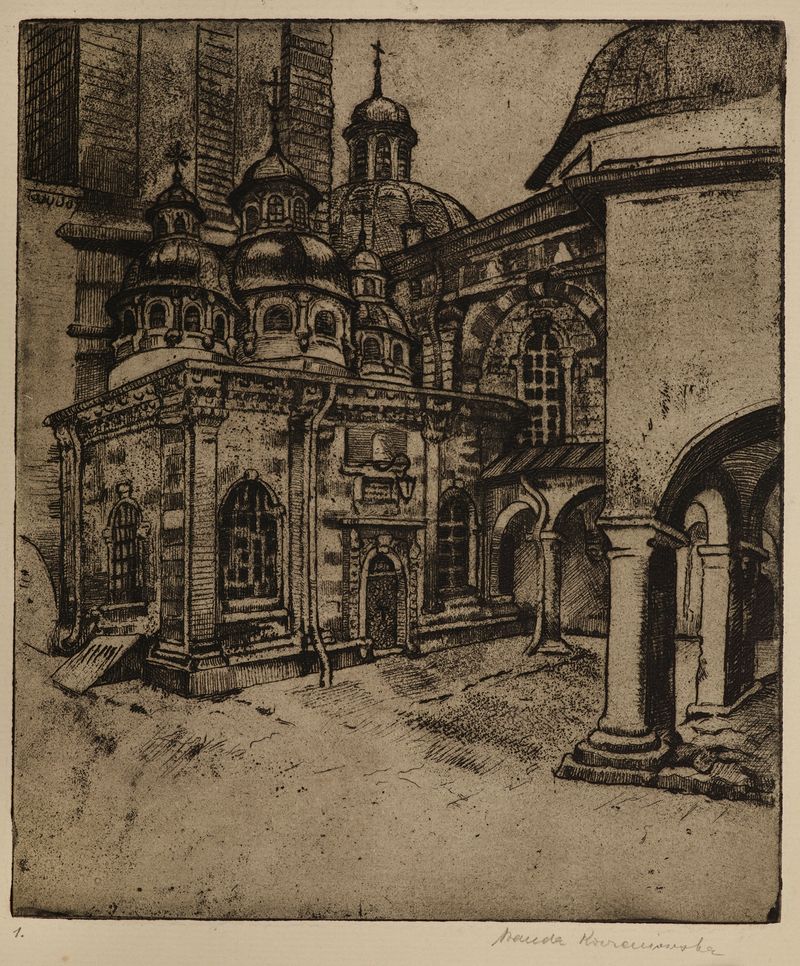
Wallachian church’s courtyard
Wanda Korzeniowska
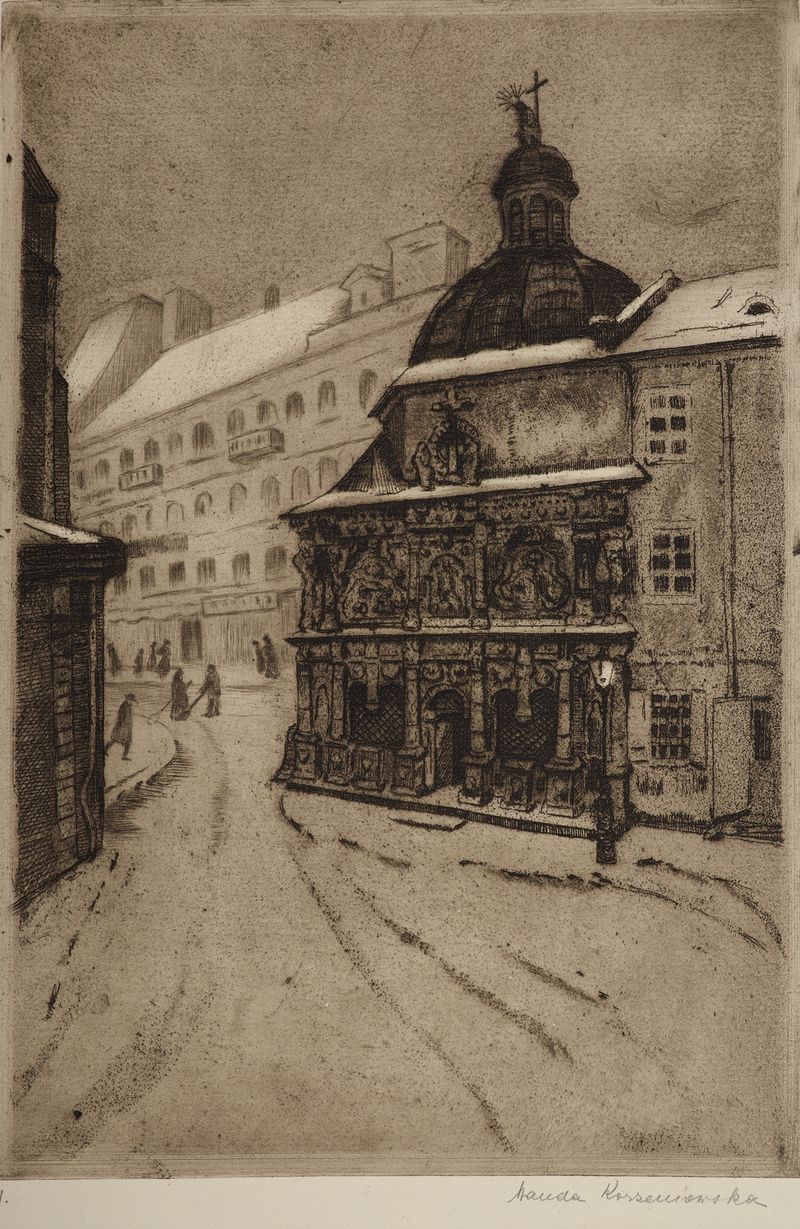
The Boim Chapel
Wanda Korzeniowska
More Architecture Art
Browse all →
The statue of Liberty
Frédéric Auguste Bartholdi

View of Houses in Delft, Known as ‘The Little Street’
Johannes Vermeer

View of Houses in Delft, Known as ‘The Little Street’
Johannes Vermeer

The Cathedral in Rouen. The portal, Grey Weather
Claude Monet

The yellow house
Vincent van Gogh

The Church in Auvers-sur-Oise, View from the Chevet
Vincent van Gogh