
The Artist Aukusti Uotila, Study for the Duke Karl Insulting the Corpse of Klaus Fleming — History & Facts
What seizes the viewer first is the utter concentration of youth, caught as if mid-thought, in this study by Albert Edelfelt from 1878. The sitter’s pale face emerges from a darkness so complete that the background seems to swallow all but the essentials: the strong line of the jaw, the fair hair, the clear, unblinking gaze. Edelfelt’s brushwork is brisk yet careful, the modeling of the cheek and brow precise enough to suggest a living presence, but loose enough to remind us this is a study—an artist’s tool, not a finished display.
The Latin inscriptions, scattered like clues across the canvas, anchor the image in time and identity, marking the age and year with classical gravity. This is a portrait of focus and preparation, a young man—Aukusti Uotila—caught on the threshold of something larger, his head turned slightly as if listening for a cue. The darkness is not emptiness but a stage, isolating the figure and forcing our attention to the interplay of light across skin and collar. The palette is restrained, the blacks and browns framing the face and lending it weight, while the faintest blush of color at the lips and ear hints at warmth beneath the surface.
Works like this were common in late nineteenth-century Europe, especially among artists in Paris, where studies served both as exercises and as tributes to fellow painters. In 1878, the year inscribed here, the academic tradition still prized such honest, searching likenesses. The world has left little trace of this particular study’s journey, but its directness invites us to look again, searching for the story behind the steady gaze.
More Artworks by Albert Edelfelt

The Day of Rest
Albert Edelfelt
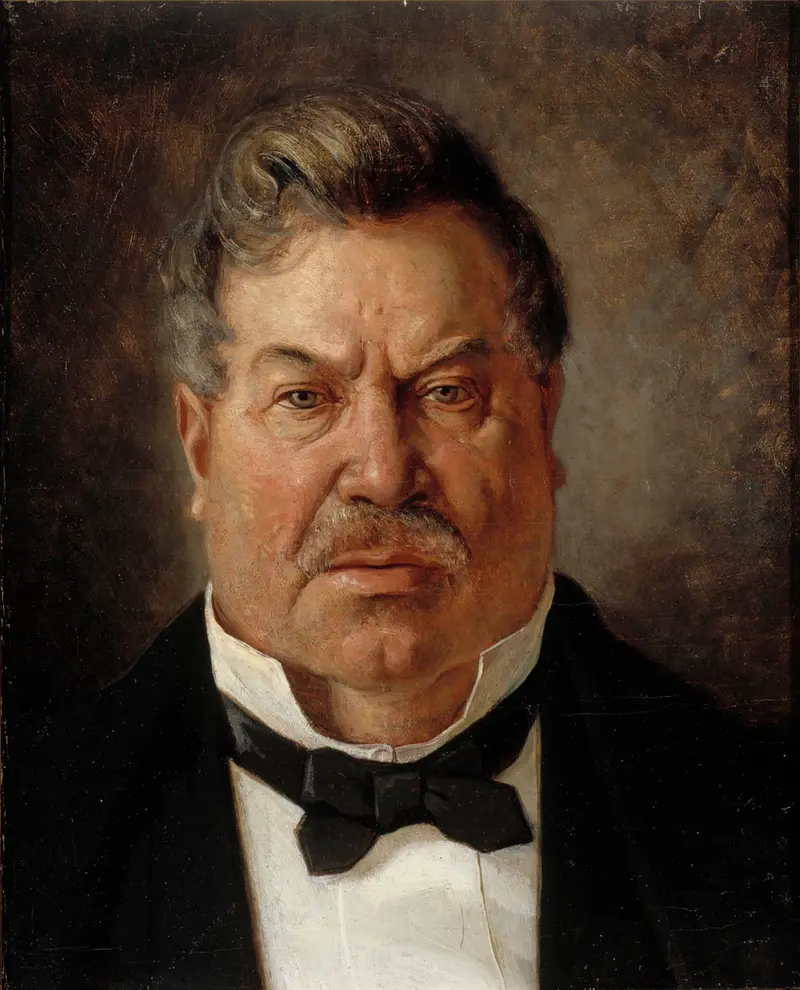
Portrait of August Streng
Albert Edelfelt
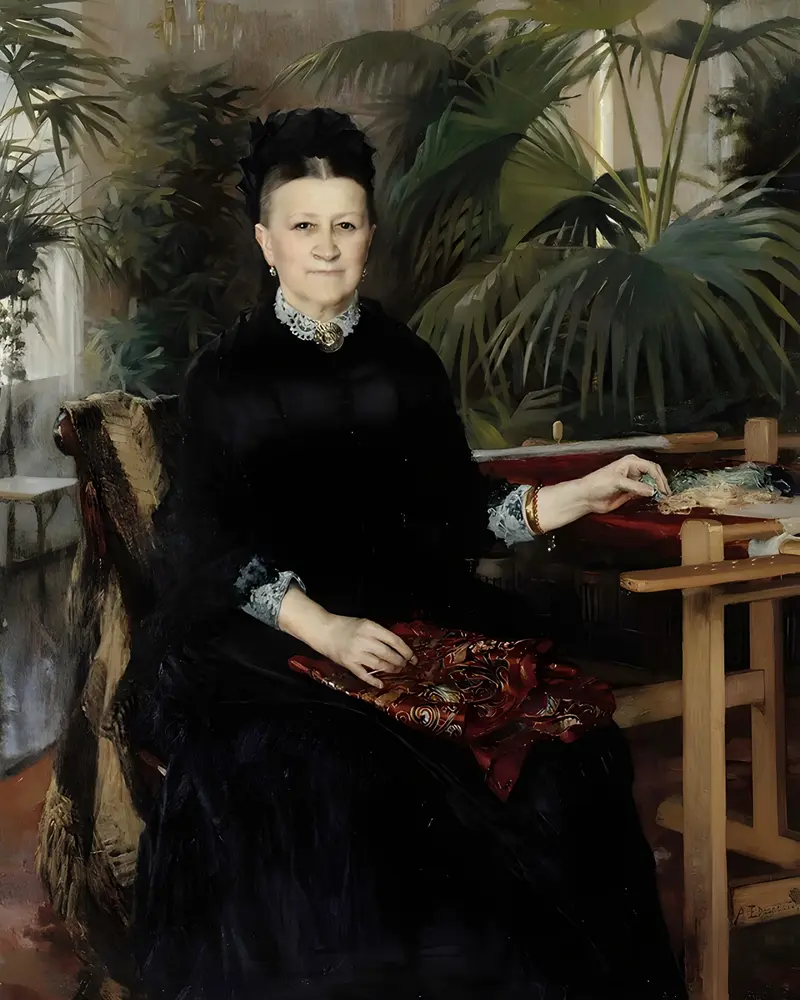
Portrait Of Mrs. Anna Sinebrychoff
Albert Edelfelt

The Poet, Larin Paraske
Albert Edelfelt

Parisian lady in a Peignoir
Albert Edelfelt
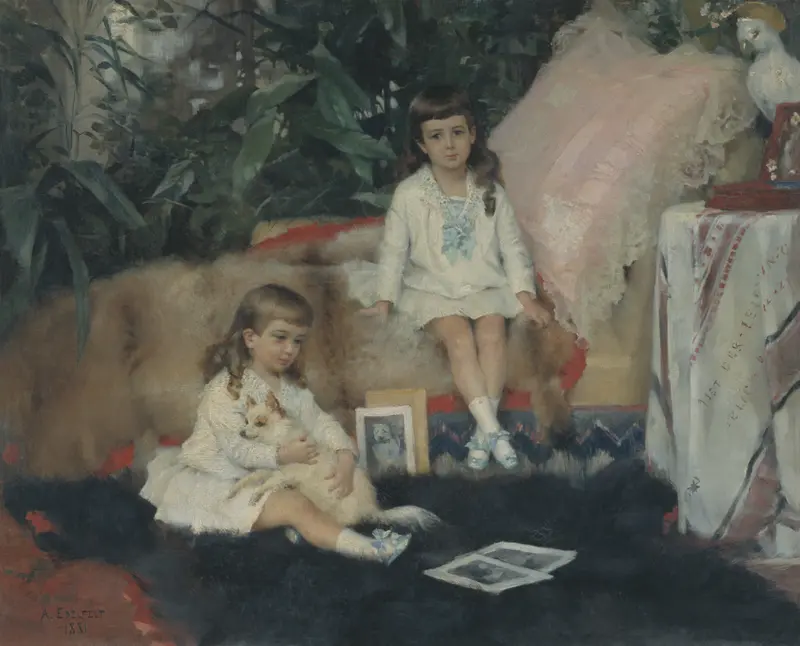
The Grand Dukes Boris and Kirill Vladimirovich as Children
Albert Edelfelt
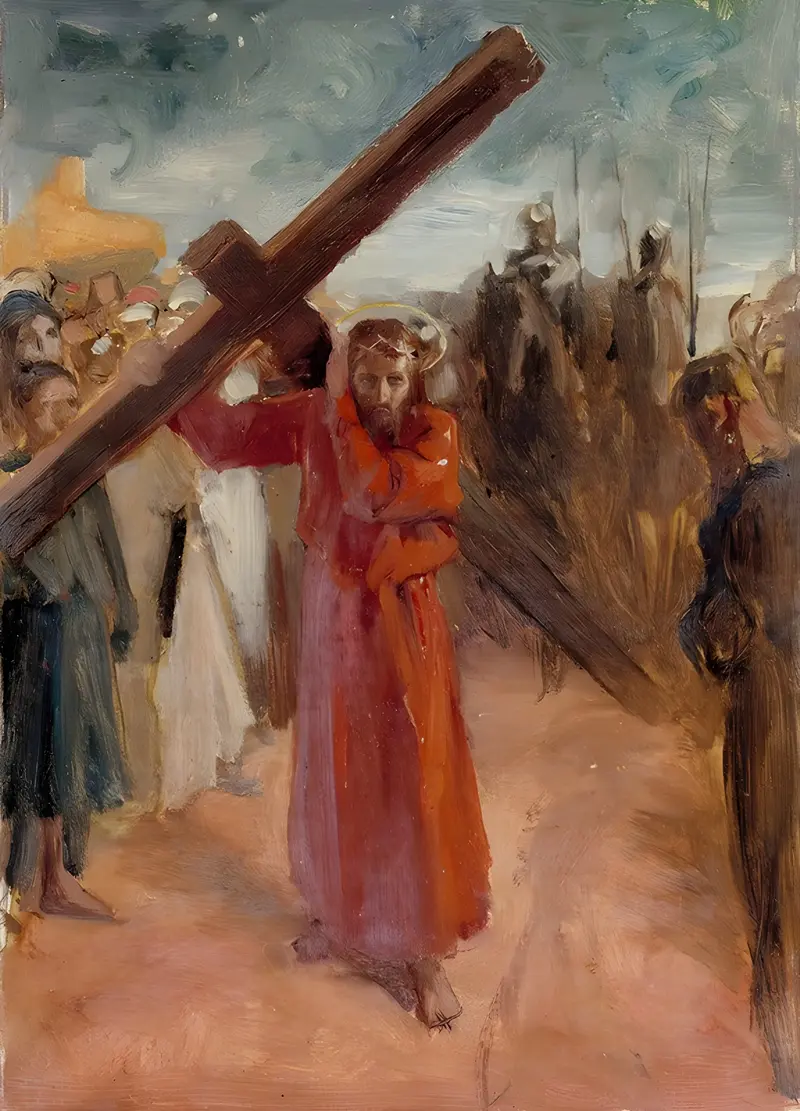
Christ Bears The Cross
Albert Edelfelt
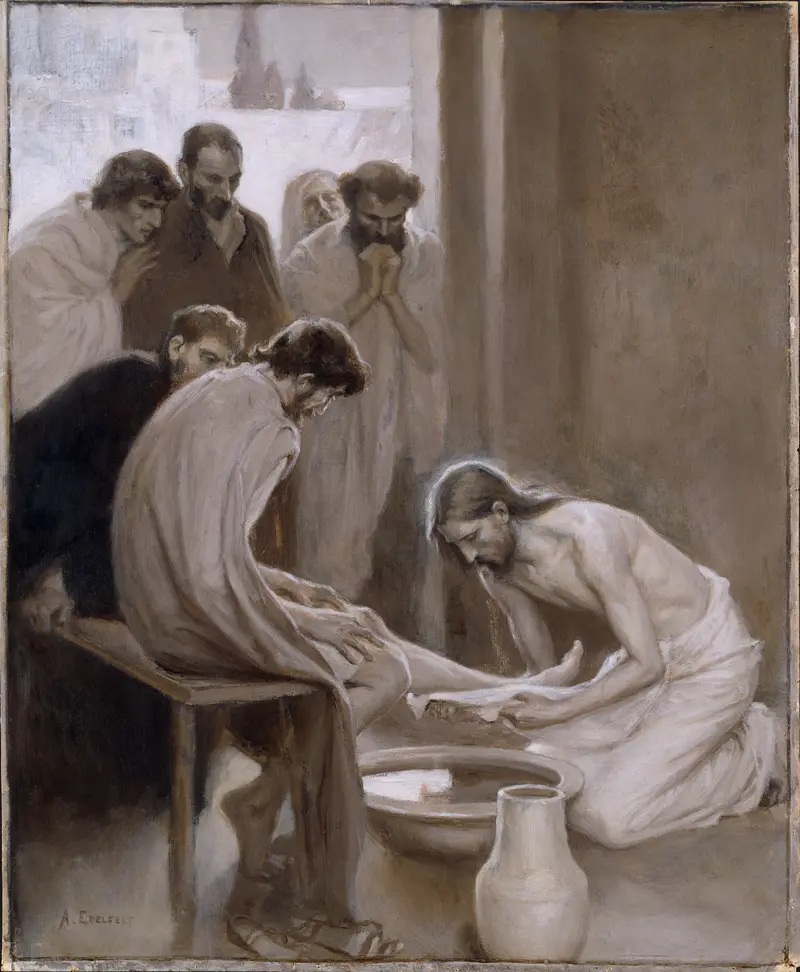
Jesus Washing the Feet of his Disciples
Albert Edelfelt

Larin Paraske with Kantele
Albert Edelfelt
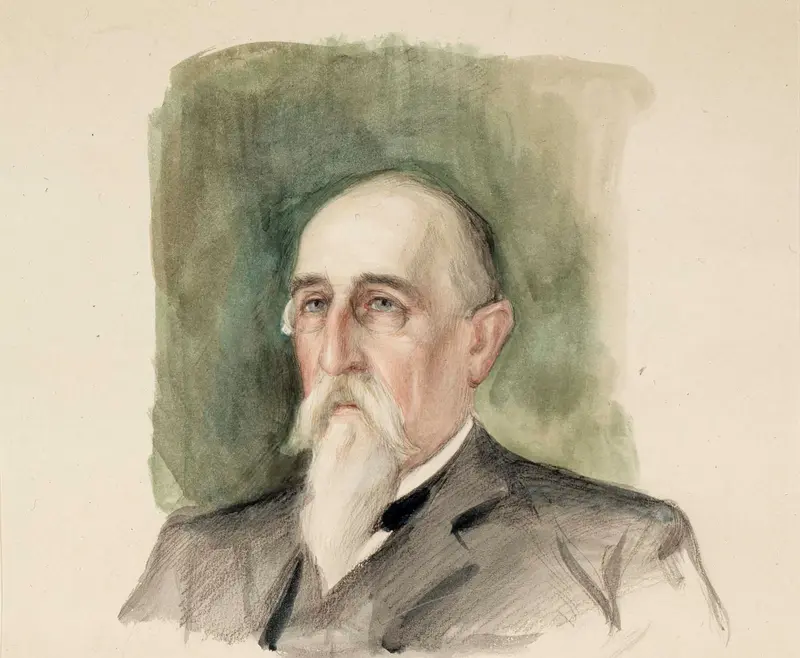
Leo Mechelin, Portrait Study
Albert Edelfelt





