
The Autumn Moon at Ishiyama on Lake Biwa (Ishiyama no Shūgetsu) — History & Facts
Could beauty survive in a century of chaos? In The Autumn Moon at Ishiyama on Lake Biwa, the answer emerges from the serene embrace of nature, whispering secrets of solace even amidst turmoil. Look to the tranquil lake, a vast expanse of shimmering water reflecting the soft glow of the autumn moon. The eye is drawn first to the delicate curves of the shoreline, where the silhouettes of distant hills cradle the vibrant autumn foliage. Notice how Hiroshige masterfully balances color and composition — warm reds and oranges contrast with cooler blues, creating a harmonious atmosphere that invites contemplation. Delve deeper into the painting's emotional layers; the juxtaposition of the tranquil scene against the notion of impermanence carries profound significance.
Each ripple in the water can be seen as a reminder of fleeting beauty, while the moon—a constant presence—serves as a metaphor for enduring hope. The small figures on the shore, seemingly at peace, evoke feelings of nostalgia, inviting the viewer to reflect on their own relationship with the passage of time. In 1835, Hiroshige created this masterpiece during a period marked by social upheaval in Japan, yet he chose to focus on the natural world’s beauty. Living in Edo, he was at the forefront of the ukiyo-e movement, which celebrated fleeting moments of beauty and daily life.
Through this painting, he expressed not just the aesthetic ideals of his time, but also a deep-seated obsession with capturing transient beauty against the backdrop of a changing world.
More Artworks by Utagawa Hiroshige
Browse all →
Sudden Shower over Shin Ohashi Bridge and Atake (Ohashi Atake no yudachi), from the series "One Hundred Famous Views of Edo (Meisho Edo hyakkei)"
Utagawa Hiroshige
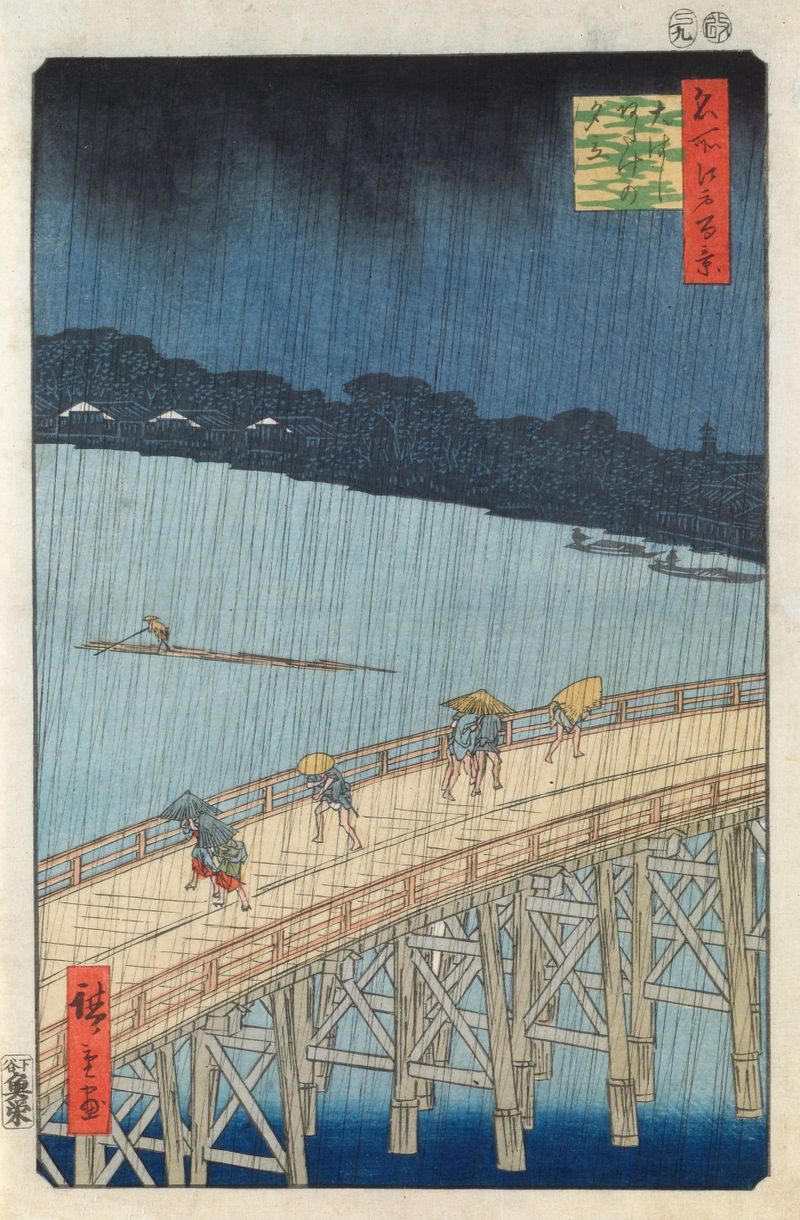
Sudden Shower Over Ohashi Bridge and Atake
Utagawa Hiroshige
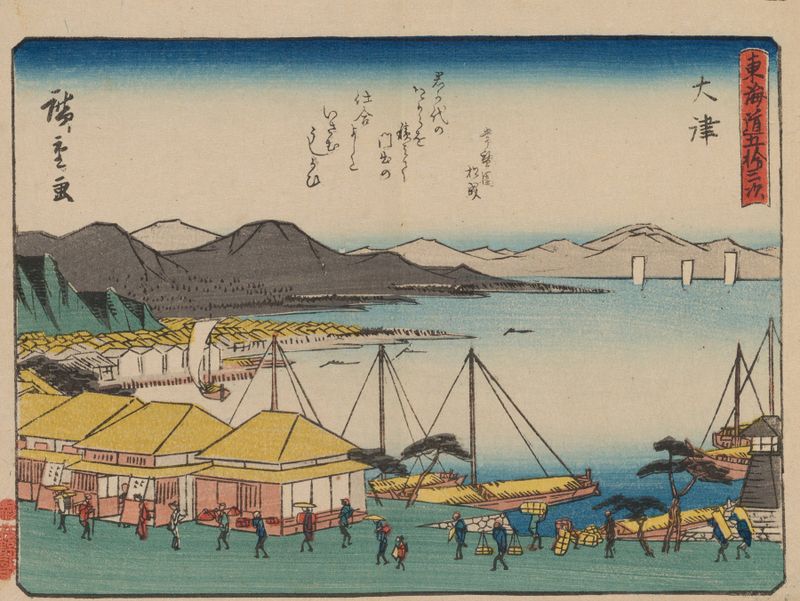
Tokaido gojusantsugi, Pl.54
Utagawa Hiroshige
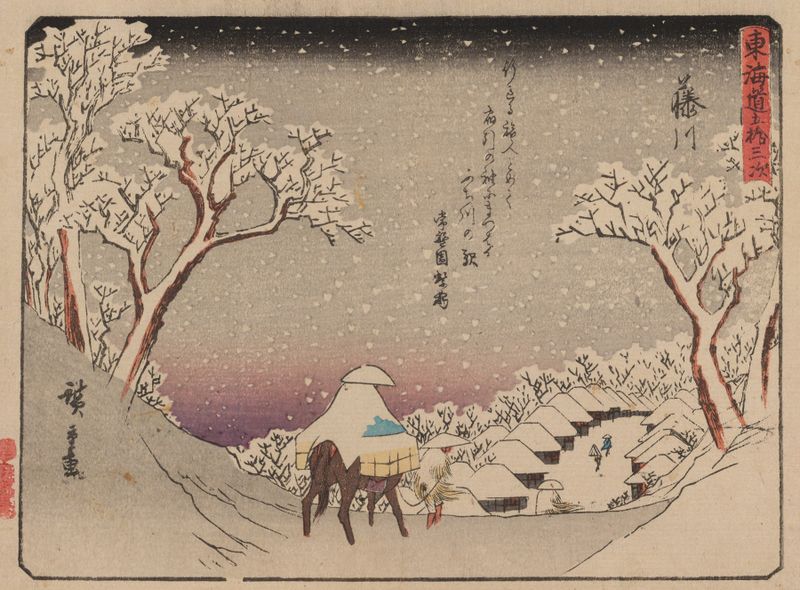
Tokaido gojusantsugi, Pl.38
Utagawa Hiroshige
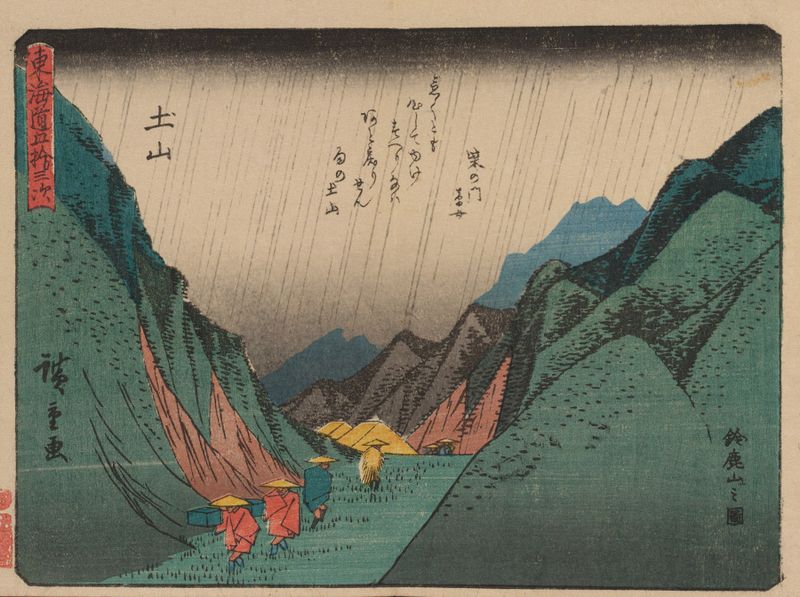
Tokaido gojusantsugi, Pl.50
Utagawa Hiroshige
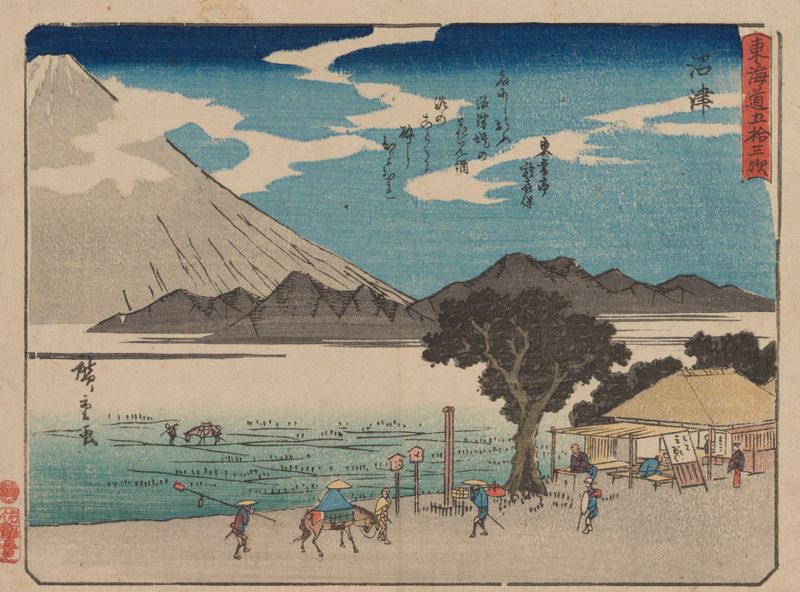
Tokaido gojusantsugi, Pl.13
Utagawa Hiroshige
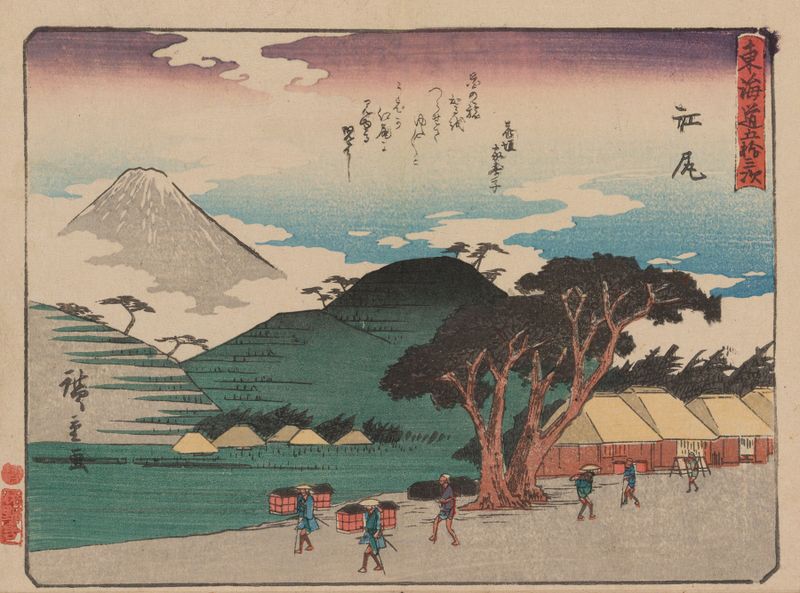
Tokaido gojusantsugi, Pl.19
Utagawa Hiroshige
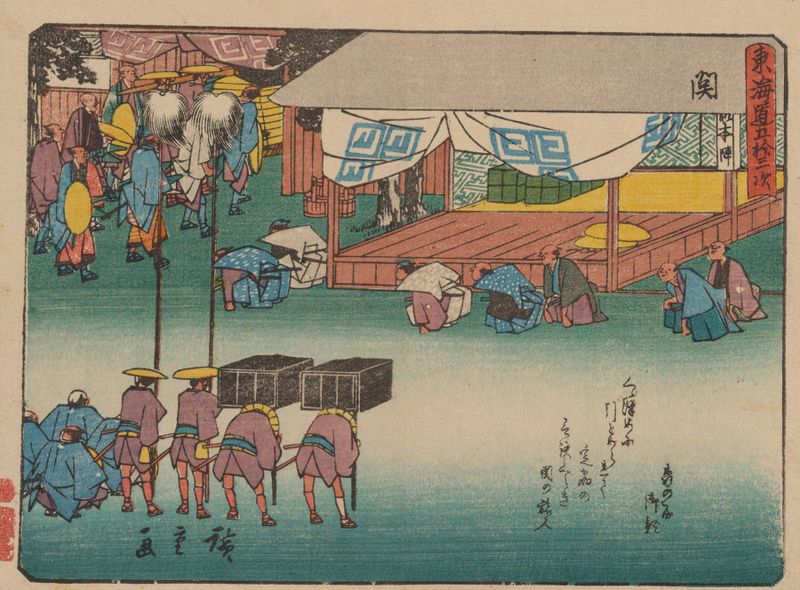
Tokaido gojusantsugi, Pl.48
Utagawa Hiroshige
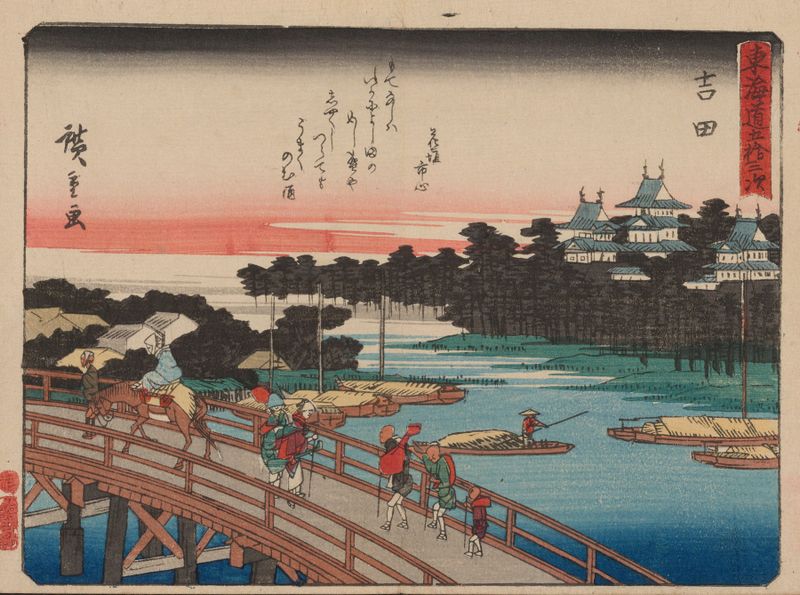
Tokaido gojusantsugi, Pl.35
Utagawa Hiroshige
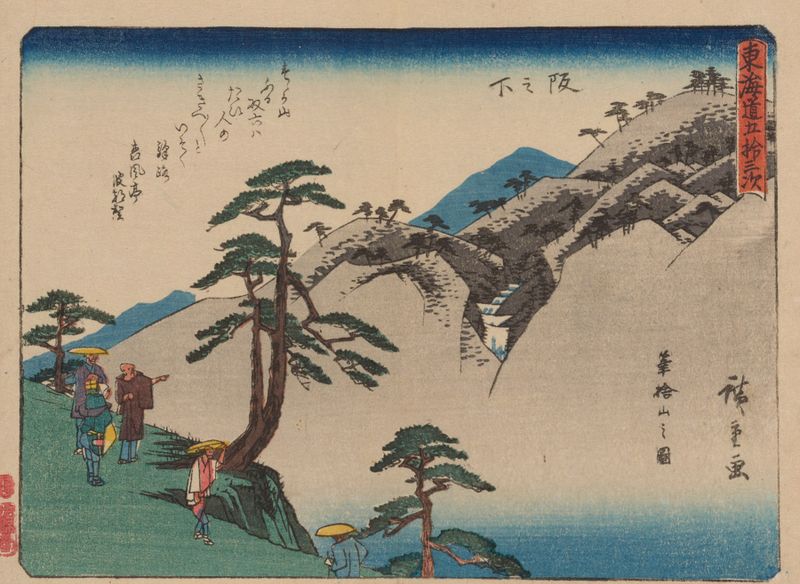
Tokaido gojusantsugi, Pl.49
Utagawa Hiroshige





