
The baptism of the Eunuch — History & Facts
What if silence could speak through light? In The Baptism of the Eunuch, shadow and illumination converge to weave a profound narrative of faith and transformation. To grasp the essence of this painting, focus on the radiant figure of Philip on the left, bathed in a celestial glow that captures his holy mission. Notice how the light cascades down, contrasting with the deep shadows that enshroud the eunuch. The figures are framed by the towering presence of the chariot, its darkness creating a stark juxtaposition that heightens the emotional impact.
Every element is meticulously detailed, from the shimmering water reflecting the divine light to the rich, earthy tones of the garments, all of which enhance the spiritual gravity of the moment. Beneath the surface, the interplay of light and shadow speaks to deeper truths about acceptance and redemption. The eunuch’s pose, half in shadow, suggests a transition from doubt to belief, embodying a journey that resonates with viewers across time. The composition invites contemplation of the barriers of identity and faith, while the serene expressions convey a sense of intimacy that transcends the physical act of baptism, hinting at a profound spiritual awakening. Rembrandt completed this work in 1641 while living in Amsterdam, during a period marked by artistic innovation and personal struggle.
He was increasingly engaged with themes of spirituality and the human condition, reflecting a deeper exploration of biblical narratives. This era was also significant for the Dutch Golden Age, where art was not only a means of expression but a vehicle for complex emotional and moral dialogues.
More Artworks by Rembrandt van Rijn
Browse all →
The Night Watch Militia Company of District II under the Command of Captain Frans Banninck Cocq
Rembrandt van Rijn

The Return of the Prodigal Son
Rembrandt van Rijn

The Hundred Guilder Print: the figures leaning on the wall in the centre left
Rembrandt van Rijn

The Hundred Guilder Print: the central piece with Christ preaching, the plate arched
Rembrandt van Rijn

Isaac and Rebecca, Known as ‘The Jewish Bride’
Rembrandt van Rijn
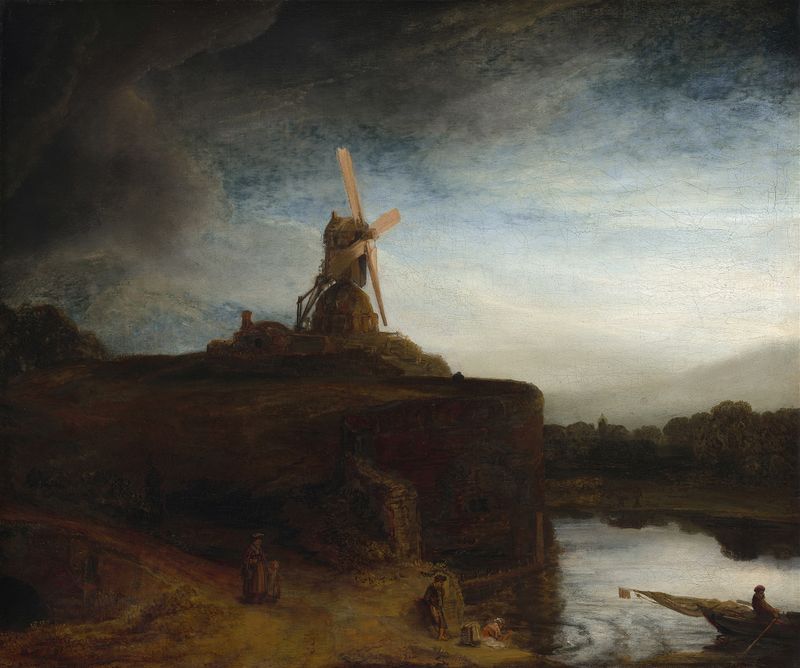
The Mill
Rembrandt van Rijn

The Sampling Officials of the Amsterdam Drapers’ Guild, Known as ‘The Syndics’
Rembrandt van Rijn

The return of the prodigal son
Rembrandt van Rijn
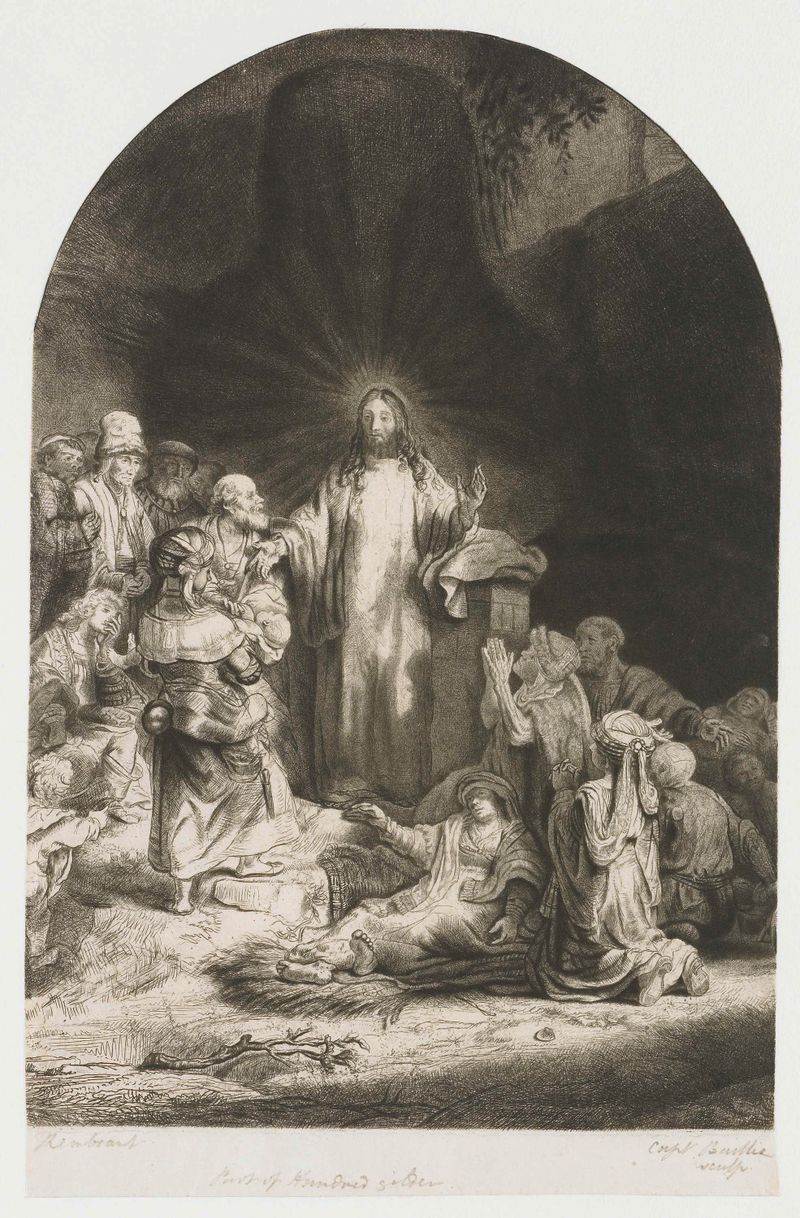
The Hundred Guilder Print: the central piece with Christ preaching, the plate arched
Rembrandt van Rijn

The Hundred Guilder Print: the man seen on the back in the lower left corner
Rembrandt van Rijn
More Religious Art
Browse all →The Return of the Prodigal Son
Rembrandt van Rijn

The Garden of Earthly Delights
El Bosco

Count Orgaz’ funeral
El Greco
The Hundred Guilder Print: the central piece with Christ preaching, the plate arched
Rembrandt van Rijn

The Descent from the Cross
Rogier van der Weyden
The return of the prodigal son
Rembrandt van Rijn