
The Battle of Pharsalus and the Death of Pompey — History & Facts
The sun hangs low in the sky, casting a golden hue over the chaos of battle. Amidst the clashing of swords and cries of anguish, figures dart across the canvas, their movements choreographed in a deadly dance of ambition and despair. In the foreground, the defeated Pompey turns to face his fate, an expression of resignation etched on his features, while shadows stretch behind him, blurring the line between life and death. Look to the left at the ferocity of the charging soldiers; their armor glints with tension as they surge forward, embodying the clamor of conflict.
Notice how the artist employs vibrant reds and deep blues to illustrate the intensity of the struggle, creating a stark contrast against the muted earth tones of the background. The composition is a swirling vortex of motion, drawing the viewer’s eye to the central figure of Pompey, whose poised yet defeated stance anchors the chaos around him. Amidst the tumult, a profound balance emerges within the painting. The juxtaposition of power and vulnerability resonates deeply; Pompey, once the epitome of Roman strength, is now a symbol of tragic downfall.
The positioning of the soldiers around him reflects not just a physical encirclement but also the emotional weight of betrayal and ambition, capturing the moment when hope yields to despair. Created around 1455, this work is attributed to the workshop of Apollonio di Giovanni, a period marked by a revival of classical themes in the Renaissance. The artist was influenced by the turmoil of contemporary politics and emerging humanist ideals. In this charged atmosphere, the narrative of Pompey’s demise resonates not only with historical significance but also with the human experience of loss and the eternal struggle for balance in a world rife with conflict.
More Artworks by Workshop of Apollonio di Giovanni
Browse all →

More Historical Art
Browse all →
The Night Watch Militia Company of District II under the Command of Captain Frans Banninck Cocq
Rembrandt van Rijn
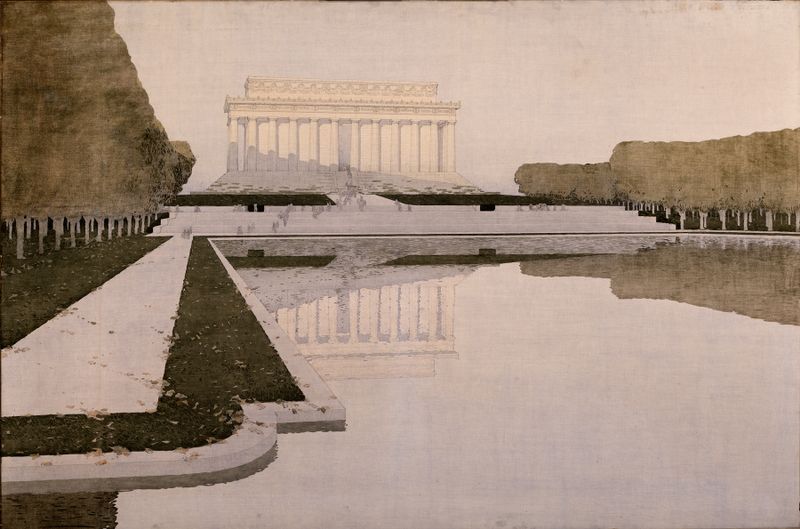
Lincoln Memorial
Henry Bacon
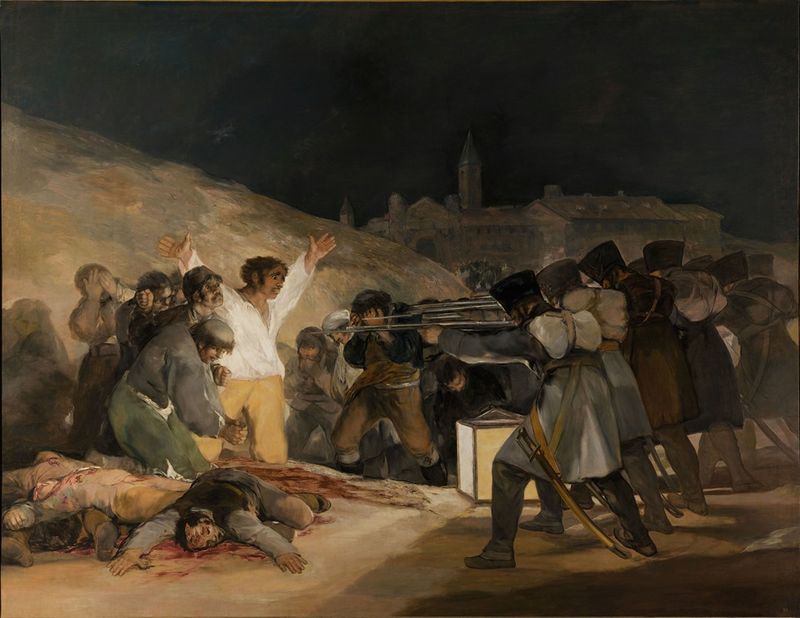
The Third of May 1808
Francisco de Goya

Isaac and Rebecca, Known as ‘The Jewish Bride’
Rembrandt van Rijn
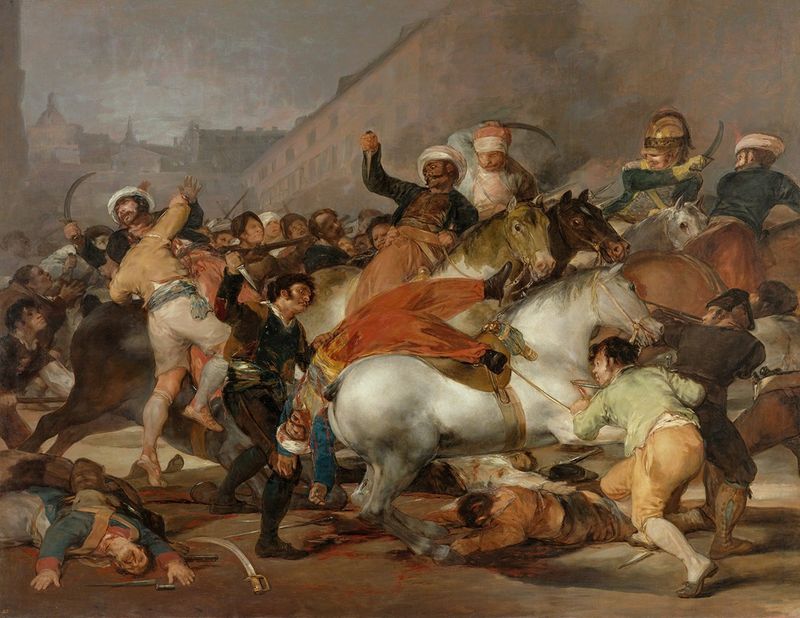
The Charge of the Mamelukes (1814)
Francisco de Goya

De vier ruiters van de apocalyps
Albrecht Dürer