
The Beach at Rågeleje — History & Facts
The act of creation often serves as a vessel for both beauty and unspoken violence, where the rawness of emotion collides with the gentleness of nature. Look to the horizon where turbulent waves meet a delicate shoreline, a striking contrast between the chaos of the sea and the calmness of the sandy beach. The artist employs earthy tones and sweeping brushstrokes to evoke movement, while the scattered clouds hang heavily above, suggesting both a serene moment and an impending storm. Notice how the figures of the bathers, small yet significant, are caught in a fleeting dance with the elements, their silhouettes painted against the brilliant backdrop of blues and whites. Within this tranquil scene lies an undercurrent of tension; the waves crash with a fierce intensity, reminding us of nature's unpredictable ferocity.
The juxtaposition of the soft, inviting sands and the violent sea invites contemplation about the human experience – the pursuit of joy amid life’s inherent chaos. Each detail, from the foaming water to the shadowy figures, speaks of a deeper struggle between tranquility and tumult, urging the viewer to question their own connection to the environment. During the early 1840s, Skovgaard painted The Beach at Rågeleje amidst a burgeoning interest in landscape painting in Denmark. His life at this time was marked by exploration and an appreciation for nature, reflecting the Romantic ideals that were sweeping through Europe.
This period allowed him to capture not just coastal scenes, but the complex emotions and narratives entwined within them, articulating the beauty and violence of the natural world.
More Artworks by P. C. Skovgaard
Browse all →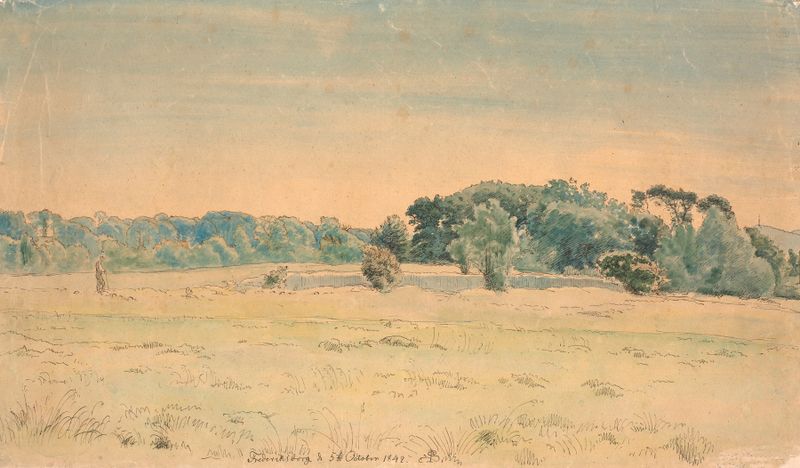
Landskab fra Frederiksborg
P. C. Skovgaard
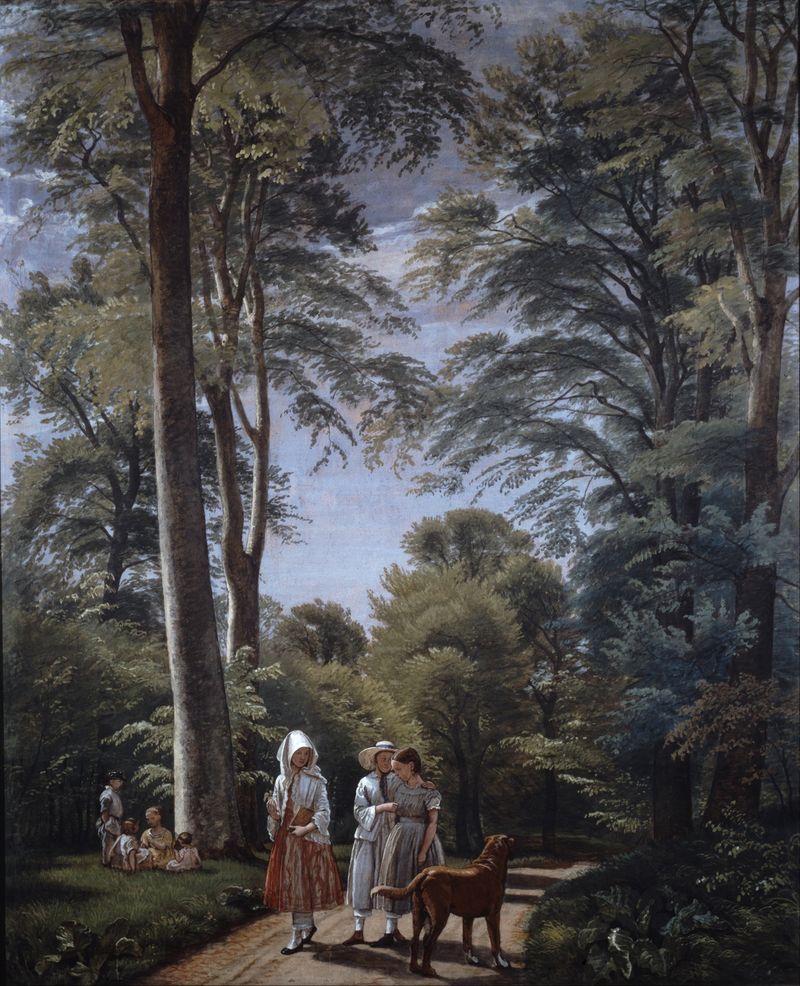
Beech Wood in May
P. C. Skovgaard
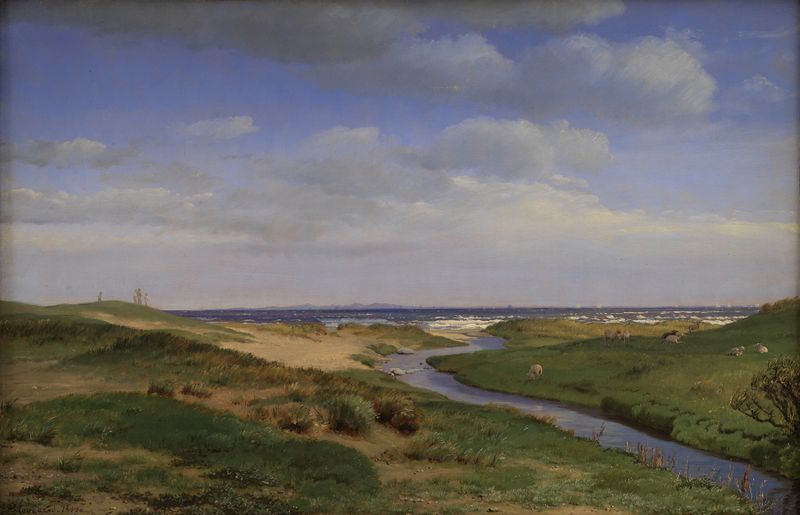
View of the North Coast of Zealand at Dronningmølle
P. C. Skovgaard
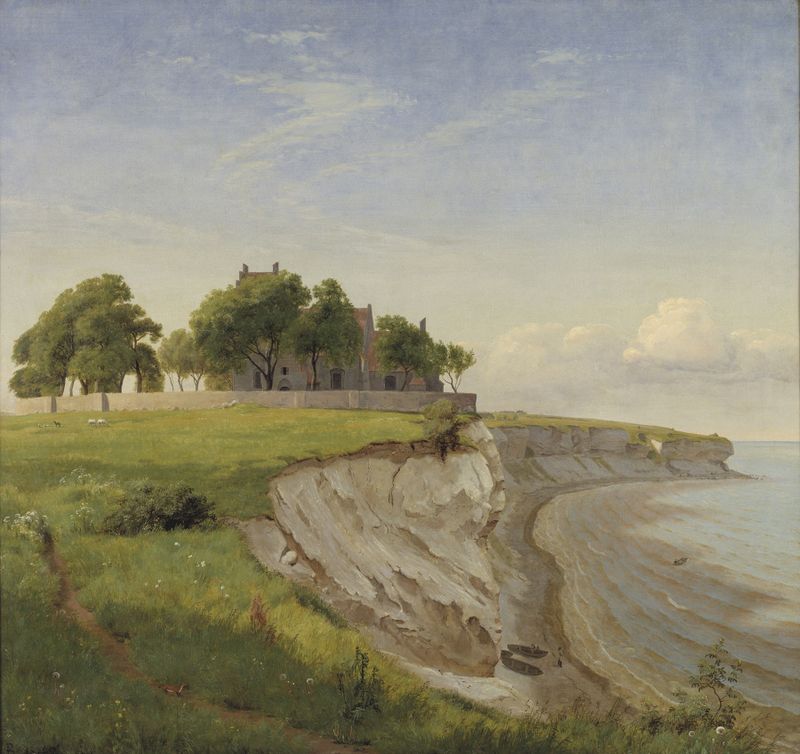
Højerup Church on the Cliffs of Stevns, Zealand
P. C. Skovgaard
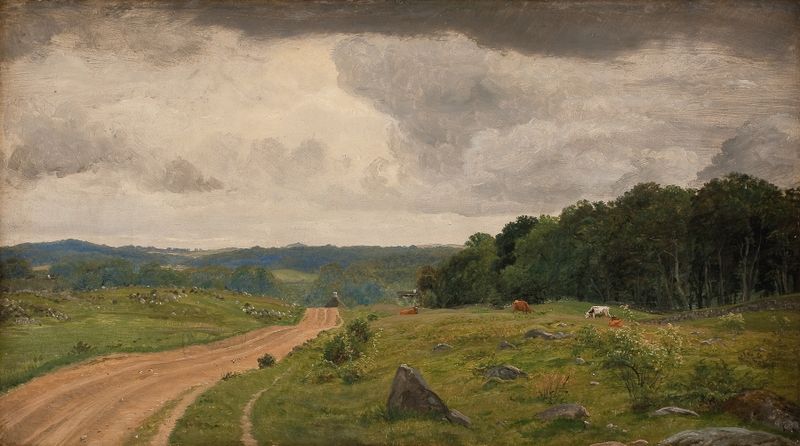
Landscape at Kongens Møller, Sealand. Afternoon Light
P. C. Skovgaard
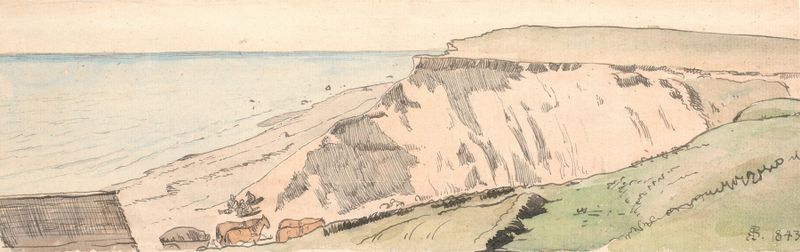
Kløften ved Helenes kilde i Tisvilde
P. C. Skovgaard
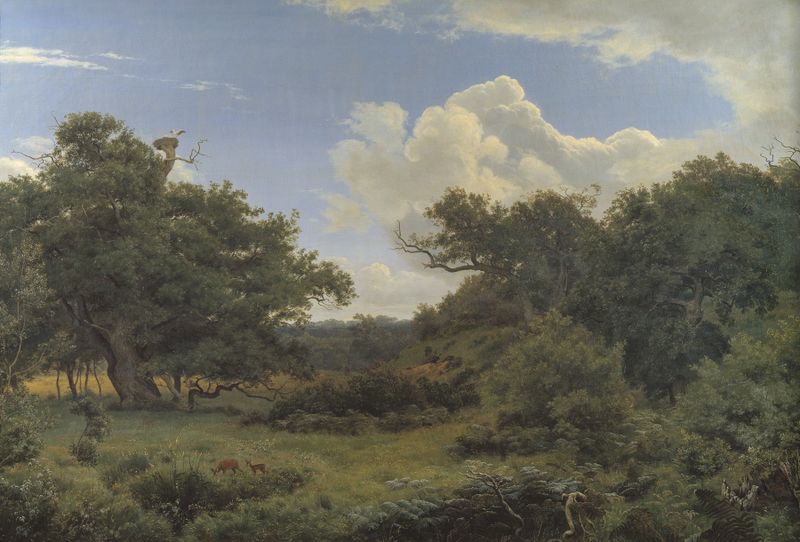
Oak Trees in Nordskoven near Jægerspris, Zealand
P. C. Skovgaard
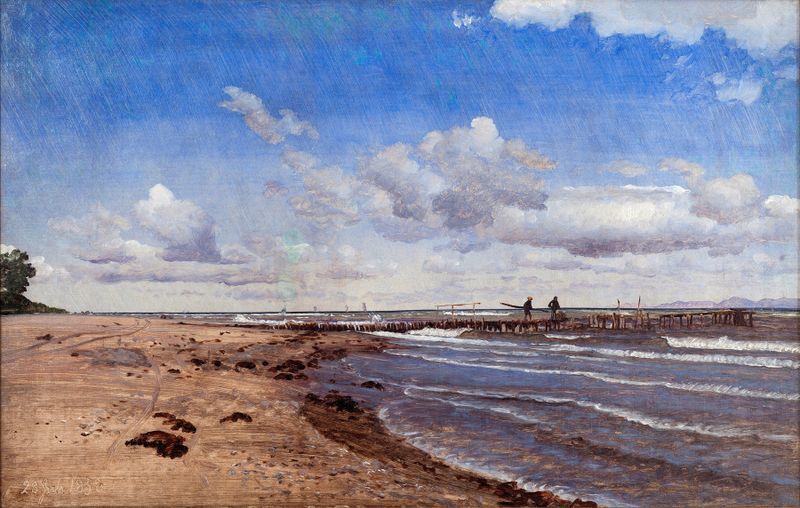
Beach at Hellebæk
P. C. Skovgaard
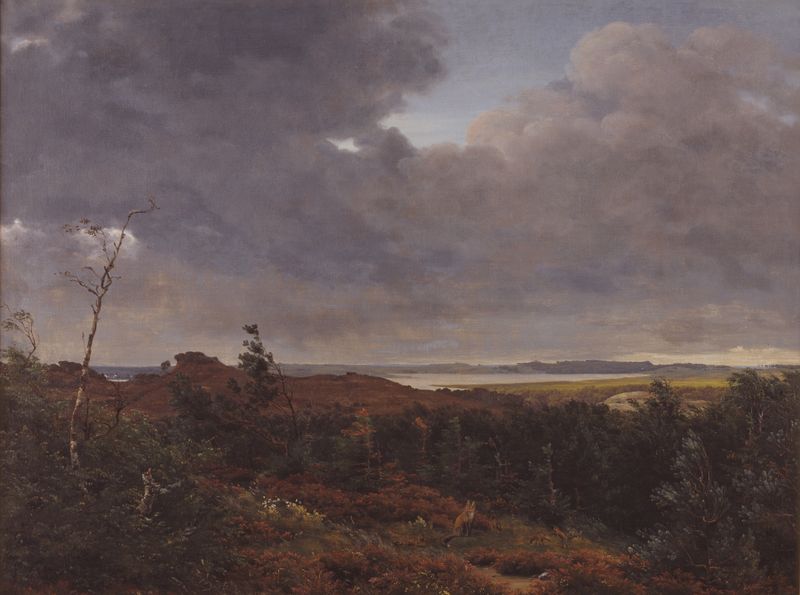
View of Frederiksværk from Tisvilde Wood, North Zealand
P. C. Skovgaard
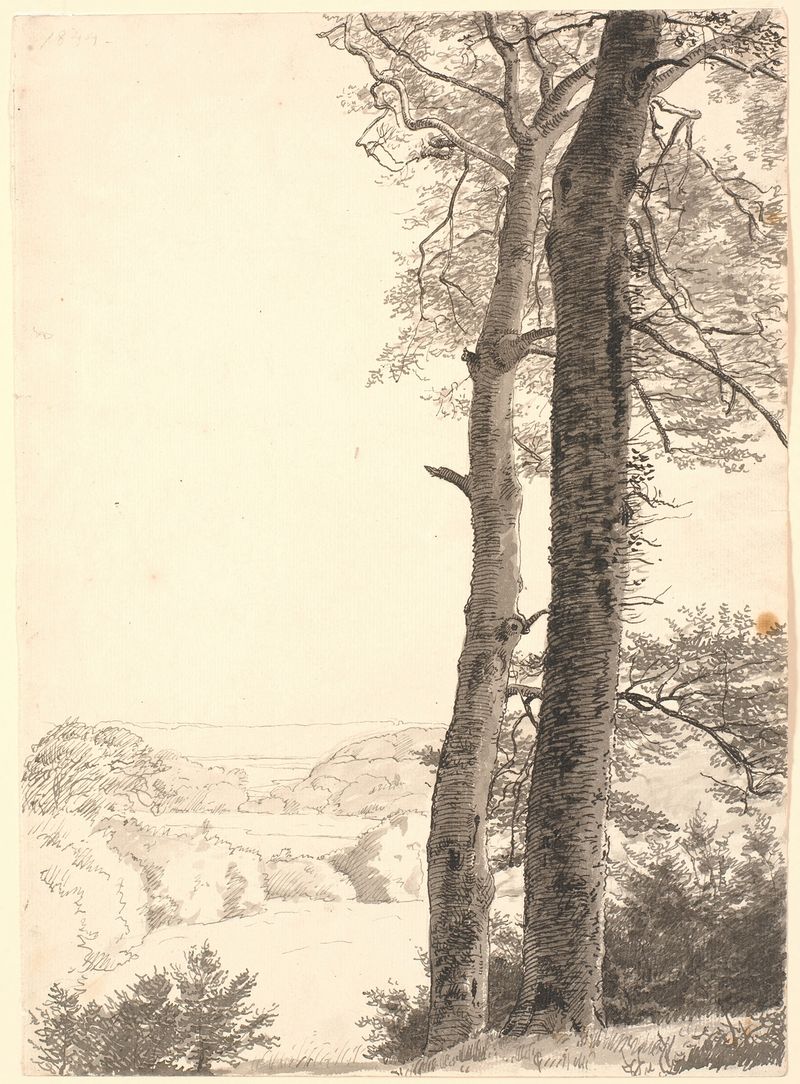
Landskab ved Skarritsø med to høje træer, bøge, i forgrunden
P. C. Skovgaard





