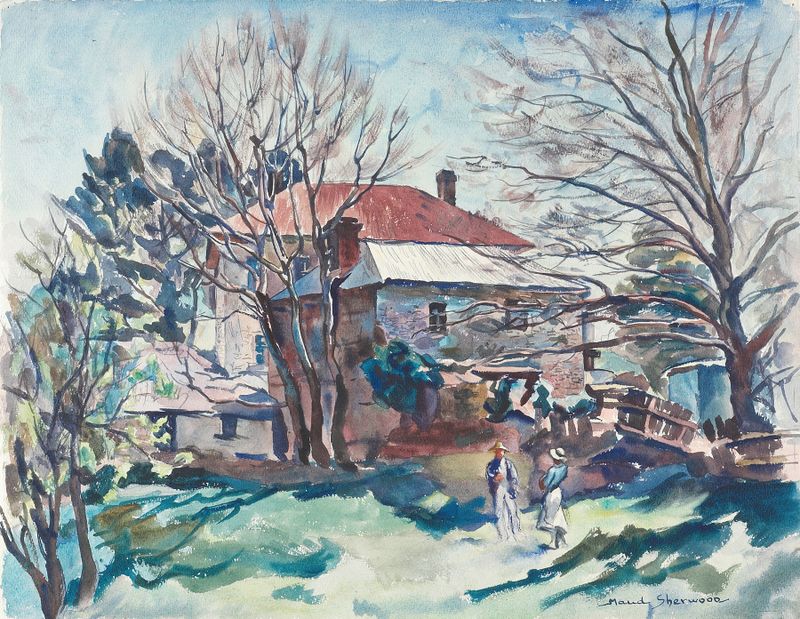
The beach, Dee Why, Sydney — History & Facts
When did color learn to lie? It whispers truths in vibrant tones while masking deeper imbalances just beneath the surface. Look to the foreground, where gentle waves lap at the sun-kissed sand, glistening with hues of turquoise and cerulean. The composition is thoughtfully balanced, with the vibrant blues contrasting against the warm, golden shore, inviting the viewer to step into this tranquil scene. Notice how the light dances across the water's surface, casting fleeting reflections that shimmer with life, while the distant horizon remains achingly still, evoking a sense of calm. Yet, hidden within this idyllic portrayal lies an underlying tension.
The juxtaposition of the chaotic movement of the sea against the serenity of the beach creates an unsettling harmony. The people scattered along the shoreline seem blissfully unaware of the powerful waves beyond — a reminder of nature's omnipresent force. This contrast invites contemplation on our relationship with the environment, hinting at the fragility of balance that exists between beauty and chaos. In 1923, Maud Sherwood painted this piece during a period marked by the aftermath of World War I, as artists sought to capture the fleeting joys of life amidst turmoil.
Living in Australia, she was part of a vibrant artistic community that explored themes of identity and belonging, reflecting a broader trend in modern art. The beach, Dee Why, Sydney stands as a testament to her ability to encapsulate not just a moment in time, but also the dichotomy of human experience.